
Can An Air Purifier Help You Sleep Better? Essential Guide

Yes, an air purifier can significantly help you sleep better by removing allergens, pollutants, and irritants from your bedroom air, leading to fewer respiratory issues and a more restful night.
Breathing clean air is fundamental to a good night’s sleep, yet many of us are unaware of the invisible particles polluting our bedrooms. From dust mites and pet dander to volatile organic compounds (VOCs) released by furniture and cleaning products, these airborne contaminants can disrupt your sleep cycle and impact your overall health. If you find yourself waking up with a stuffy nose, coughing, or feeling groggy, an air purifier might be the solution you’ve been searching for. This guide will explore exactly how an air purifier can transform your sleep and help you achieve those much-needed restorative nights.
How Air Purifiers Improve Sleep Quality
Air purifiers work by filtering out common airborne pollutants that can interfere with your sleep. These include allergens like pollen, dust mites, and pet dander, which can trigger allergic reactions and nasal congestion. They also capture smoke particles and VOCs, which can irritate the respiratory system and cause headaches or nausea. By removing these irritants, an air purifier creates a cleaner breathing environment, allowing your body to relax and enter deeper sleep stages more easily.
Reducing Allergy and Asthma Symptoms
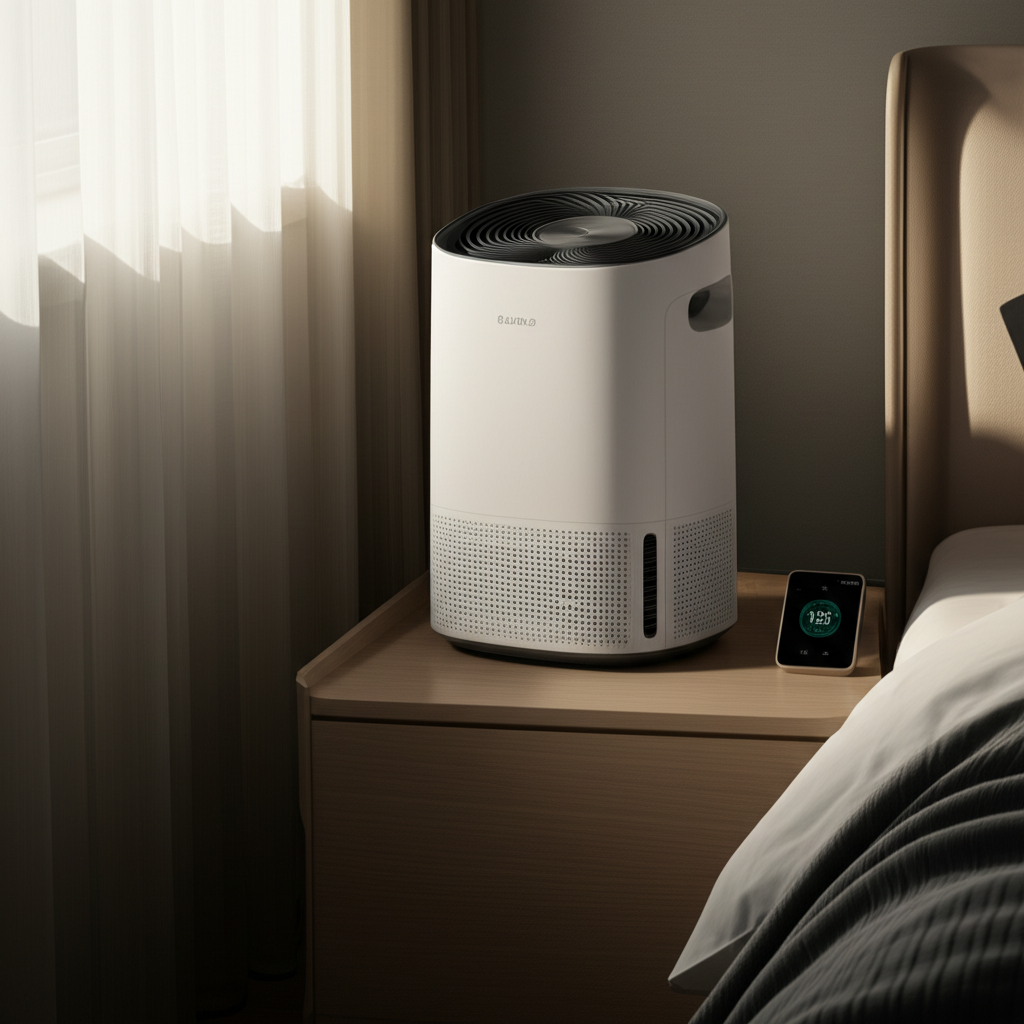
For millions, allergies and asthma are unwelcome nighttime visitors that disrupt sleep. Pollutants like dust mites, pet dander, and mold spores are common triggers that can cause sneezing, itchy eyes, and difficulty breathing. An air purifier equipped with a HEPA filter can capture these microscopic allergens, reducing their concentration in your bedroom. This leads to fewer nighttime awakenings due to respiratory distress, allowing for more continuous and restful sleep. According to the Asthma and Allergy Foundation of America, reducing exposure to allergens is a key strategy for managing these conditions.
Eliminating Odors and Irritants
Unpleasant odors from pets, cooking, or even lingering chemical smells can make it difficult to fall asleep. Some air purifiers use activated carbon filters to absorb these odors and gases, creating a fresher and more inviting sleep environment. Additionally, VOCs released from new furniture, paints, or cleaning supplies can cause headaches and respiratory irritation, impacting sleep quality. By filtering out these harmful compounds, air purifiers contribute to a healthier and more peaceful atmosphere conducive to deep sleep.
Minimizing Dust and Particulates
Dust accumulation is an ongoing battle in most homes, and bedrooms are no exception. Dust particles often contain allergens and can irritate the airways, leading to coughing and discomfort during sleep. Air purifiers with pre-filters can trap larger particles like dust and hair, preventing them from circulating in the air and settling on surfaces. This reduction in airborne dust means less exposure to potential sleep disruptors, promoting a cleaner breathing experience throughout the night.
Understanding Air Purifier Technologies for Sleep
Different air purifier technologies target different types of pollutants, and understanding them is key to choosing the right device for better sleep. HEPA filters are the gold standard for capturing particulate matter, while activated carbon excels at odor and gas removal. Some units also employ UV-C light or ionizers, though it’s important to be aware of potential ozone production with certain technologies.
The Power of HEPA Filters
High-Efficiency Particulate Air (HEPA) filters are designed to capture at least 99.97% of airborne particles 0.3 microns in size. This includes common allergens like pollen, pet dander, mold spores, and dust mites. For individuals sensitive to these allergens, a HEPA filter is essential for creating a sleep-friendly environment. By trapping these microscopic irritants, HEPA filters significantly reduce the likelihood of allergic reactions and respiratory discomfort that can interrupt sleep.
Activated Carbon for Odor and Gas Removal
Activated carbon filters are porous materials that adsorb, or trap, gases and odors. They are particularly effective at removing volatile organic compounds (VOCs), smoke, and unpleasant smells from pets or cooking. If your bedroom is affected by lingering odors or chemical fumes, an air purifier with a substantial activated carbon filter can make a noticeable difference in air freshness, promoting a more pleasant and conducive sleep environment. This is crucial for deep, uninterrupted rest.
Other Technologies: UV-C and Ionizers
Some air purifiers incorporate UV-C light technology to kill airborne bacteria and viruses, or ionizers to charge particles, causing them to clump together and fall out of the air. While these can offer additional benefits, it’s important to choose models that are certified as ozone-free, as ozone can be a lung irritant. For sleep purposes, the primary focus should remain on effective particulate and gas filtration. Always check for third-party certifications like Energy Star or AHAM Verifide for performance assurance.
Key Features to Look for in a Sleep-Focused Air Purifier
When selecting an air purifier specifically for better sleep, consider its noise level, coverage area, and ease of use. A quiet operation is paramount for not disturbing your sleep, while adequate coverage ensures your entire bedroom is effectively purified. Smart features can also enhance convenience, allowing for effortless control and monitoring.
Noise Level: The Silent Sleep Guardian
Noise is a critical factor when choosing an air purifier for your bedroom. High-decibel machines can be disruptive, ironically hindering sleep. Look for models that advertise a low decibel rating, especially on their lowest fan setting. Many purifiers offer a “sleep mode” or “night mode” that significantly reduces fan speed and light emissions for undisturbed rest. A decibel level below 30 is generally considered quiet enough for most sleepers.
Coverage Area and CADR Rating
Ensuring the air purifier is appropriately sized for your bedroom is vital for effective purification. Check the manufacturer’s recommended coverage area, usually measured in square feet. The Clean Air Delivery Rate (CADR) is another important metric, indicating how quickly the unit can filter specific pollutants like smoke, dust, and pollen. A higher CADR rating means faster and more efficient air cleaning for your space.
Ease of Use and Smart Features
A user-friendly air purifier enhances your experience and ensures consistent performance. Look for simple controls, clear filter replacement indicators, and automatic modes that adjust fan speed based on air quality. Smart features, such as app control and scheduling, can add convenience, allowing you to manage your purifier remotely or set it to start purifying before you even enter the bedroom. This proactive approach ensures optimal air quality for sleep.
Can Air Purifiers Help with Snoring?
While not a direct cure, air purifiers can indirectly help reduce snoring by alleviating nasal congestion and irritation. When airways are clear and inflammation is reduced, breathing becomes smoother, which can lead to less obstructed breathing and potentially quieter sleep. If your snoring is primarily due to allergies or a stuffy nose, an air purifier can be a beneficial part of your sleep hygiene routine.
Clearing Nasal Passages
Allergens and irritants in the air can cause inflammation and swelling in the nasal passages, leading to congestion. This congestion can force you to breathe through your mouth, which is a common contributor to snoring. By removing these airborne triggers, an air purifier helps to keep your nasal passages clearer, promoting easier breathing through the nose. This can lead to a noticeable reduction in snoring for some individuals.
Reducing Respiratory Irritation
Irritants like smoke particles and VOCs can further aggravate the respiratory system, exacerbating congestion and discomfort. A cleaner air environment fostered by an air purifier minimizes this irritation. When your airways are less inflamed and irritated, breathing becomes more comfortable and less likely to be obstructed during sleep, which can positively impact snoring patterns.
The Impact of Air Quality on Sleep Stages
Sleep is a complex process involving several stages, each crucial for physical and mental restoration. Poor air quality can disrupt these stages, particularly deep sleep and REM sleep, leaving you feeling unrested. By improving air quality, air purifiers help facilitate smoother transitions between sleep stages and allow for longer periods of restorative sleep.
Deep Sleep and REM Sleep
Deep sleep is essential for physical recovery and growth, while REM sleep is vital for cognitive functions like memory consolidation and emotional processing. Pollutants can trigger micro-arousals, preventing you from reaching or staying in these crucial sleep stages. Clean air supports the body’s natural sleep architecture, allowing for more time spent in deep and REM sleep, leading to better overall rest and well-being.
Sleep Disturbances and Micro-Arousals
Even if you don’t fully wake up, frequent micro-arousals caused by breathing difficulties or discomfort can fragment your sleep. These subtle disruptions prevent you from achieving the restorative benefits of uninterrupted sleep cycles. An air purifier mitigates these disturbances by creating a consistently clean and comfortable breathing environment, promoting more continuous and peaceful sleep.
Choosing the Right Air Purifier for Your Bedroom: A Comparison
Selecting the best air purifier involves considering various factors like room size, filter type, and noise levels. Here’s a simplified comparison to help you make an informed decision for your bedroom.
| Feature | Best for Allergies | Best for Odors & VOCs | Best All-Around (Quiet) |
| :————— | :————————– | :———————— | :———————— |
| Primary Filter | True HEPA | Activated Carbon | True HEPA + Activated Carbon |
| Noise Level | Moderate | Moderate | Very Low (Sleep Mode) |
| Coverage | Room-specific | Room-specific | Room-specific |
| Key Benefit | Allergen removal | Odor & gas neutralization | Comprehensive & quiet |
This table highlights general strengths; always check specific model specifications. For example, the Coway Airmega 200M is often praised for its HEPA filtration and quiet operation, making it a popular choice for bedrooms.
Real-World Experiences: User Testimonials
Many users have reported significant improvements in their sleep after incorporating an air purifier into their bedrooms. Sarah, a self-proclaimed allergy sufferer, shares, “I used to wake up several times a night with a stuffy nose. Since getting my air purifier, I’m sleeping through the night for the first time in years. It’s been a game-changer!” Similarly, Mark, who works from home in a city with high pollution, notes, “The air in my bedroom feels so much fresher now. I wake up feeling more energized and less congested.” These personal accounts underscore the tangible benefits of clean air for sleep.
Frequently Asked Questions About Air Purifiers and Sleep
Q1: Will an air purifier make my bedroom too cold?
A: Air purifiers do not typically generate heat or cold; they circulate air. Some models might have a very slight warming effect due to the motor, but it’s generally negligible and won’t significantly alter room temperature.
Q2: How often do I need to replace the filters?
A: Filter replacement frequency varies by model and usage, but most HEPA filters need replacing every 6-12 months, and activated carbon filters might need replacing every 3-6 months. Always refer to your manufacturer’s guidelines.
Q3: Can an air purifier help with dry air?
A: No, air purifiers do not add moisture to the air. For dry air issues, you would need a separate humidifier.
Q4: Are air purifiers noisy?
A: While some can be, many modern air purifiers are designed for quiet operation, especially in lower settings or “sleep modes.” Always check the decibel ratings before purchasing.
Q5: Do air purifiers emit ozone?
A: Some older or cheaper models, particularly those using ionizers without proper safeguards, can emit ozone. Look for ozone-free certifications to ensure safety.
Q6: How long does it take to notice an improvement in sleep?
A: Many users report feeling a difference within a few days to a week, especially if their sleep issues were directly related to airborne irritants. Consistent use is key.
Conclusion: Invest in Your Sleep with Clean Air
Ultimately, the question “can an air purifier help you sleep better?” is a resounding yes. By diligently removing allergens, pollutants, and irritants from your bedroom environment, an air purifier creates the optimal conditions for deep, restorative sleep. It’s an investment not just in cleaner air, but in your overall health and well-being. If you’re struggling with sleep disturbances, consider making a well-researched air purifier a central part of your sleep sanctuary. Wake up refreshed, revitalized, and ready to take on your day.
Discover more ways to enhance your home environment for better health and sleep on our blog.
