Blueair vs Sharp Air Purifier: Essential Choice

Choosing between Blueair and Sharp air purifiers involves understanding their distinct strengths in air purification technology, filtration, smart features, and overall value to ensure you make the best choice for your home’s air quality.
Breathe easy knowing you’re making the right choice for your home’s air. Deciding between a Blueair and a Sharp air purifier can feel overwhelming with so many options. Both brands offer excellent technology, but they cater to slightly different needs and priorities. This guide will break down the key differences, helping you confidently select the perfect purifier for a healthier living space. Let’s dive into the essential comparison to find your ideal solution.
Blueair vs Sharp Air Purifier: Key Differences at a Glance
This section will provide a high-level overview, setting the stage for a deeper dive into each brand’s offerings. It’s crucial to see how these leading brands stack up before committing to a purchase. We’ll touch upon their core philosophies and technological approaches.
Blueair often emphasizes its HEPASilent technology, combining electrostatic and mechanical filtration for quiet yet powerful performance. Sharp, on the other hand, is well-known for its Plasmacluster Ion technology, which works alongside traditional filters to neutralize airborne particles and odors. Both aim for cleaner air, but their methods and specific features can vary significantly.
Blueair Air Purifiers: Performance and Technology
Blueair purifiers are renowned for their robust performance, often excelling in rapidly cleaning larger spaces. Their signature HEPASilent™ technology is a major draw for many consumers seeking efficient air purification. This technology is designed to capture even the smallest particles without creating excessive noise.
The brand focuses on delivering high Clean Air Delivery Rates (CADR), meaning they can process a significant volume of air quickly. This makes Blueair a strong contender for those dealing with significant air quality issues or wanting rapid improvement. Their commitment to performance is evident in independent testing results, often showing superior particle reduction compared to competitors.
HEPASilent™ Technology Explained
HEPASilent™ is Blueair’s proprietary filtration system. It uses an electrical charge to ionize particles, making them easier for the mechanical filters to capture. This dual-action approach allows for higher filtration efficiency at lower fan speeds, resulting in quieter operation.
This innovative method ensures that even microscopic particles, such as allergens, dust mites, and bacteria, are effectively trapped. It’s a key reason why Blueair units are often praised for their effectiveness in diverse home environments. You can trust this technology to work diligently in the background.
Sharp Air Purifiers: Innovation and Ion Technology
Sharp has carved out a unique niche with its Plasmacluster Ion (PCI) technology. This system releases positive and negative ions into the air, which then work to break down pollutants, allergens, and odors at a molecular level. It’s a different approach than traditional HEPA filtration alone.
The Plasmacluster Ion technology aims to not only capture particles but also to deactivate them. This can be particularly appealing for individuals sensitive to airborne irritants. Sharp’s commitment to innovative solutions is a hallmark of their air purifier line.
The Power of Plasmacluster Ion Technology
Plasmacluster Ion technology is Sharp’s signature feature, designed to create a healthier indoor environment. The ions work by attaching to airborne mold, viruses, and bacteria, breaking them down and neutralizing their effects. This process helps to reduce odors and allergens more comprehensively.
This technology has been studied and validated, with Sharp Corporation providing extensive information on its efficacy. It offers an added layer of purification beyond what standard filters can achieve, making it a compelling choice for many. It’s like an extra shield for your home’s air.
Filtration Systems: HEPA vs. HEPA-Type and Beyond
Understanding the filtration capabilities is paramount when comparing Blueair and Sharp. Both brands utilize HEPA or HEPA-type filters, but their configurations and additional technologies differ. This distinction can significantly impact the types of pollutants they effectively remove.
HEPA filters are designed to capture at least 99.97% of airborne particles 0.3 microns in size. HEPA-type filters may meet some HEPA standards but might not be as stringent. It’s important to check the specific certifications for each model.
Blueair’s Multi-Stage Filtration
Blueair purifiers typically employ a multi-stage filtration process. This often includes a particle filter designed to capture larger particles and a more advanced filter layer that traps smaller pollutants. Their HEPASilent™ technology is integrated into this system.
The combination of mechanical filtration and electrostatic charging ensures a broad spectrum of contaminants are captured. This comprehensive approach makes Blueair units highly effective against dust, pollen, pet dander, and smoke particles. You get a thorough cleaning with every pass of air.
Sharp’s Filtration and Ion Combination
Sharp air purifiers combine traditional filters, often including HEPA and activated carbon, with their Plasmacluster Ion technology. The HEPA filter captures particulate matter, while the activated carbon filter tackles odors and gases. The PCI technology then works to neutralize remaining airborne microbes.
This layered approach aims to provide a holistic air purification solution. It’s particularly effective for households dealing with a variety of air quality issues, from allergens to persistent odors. This dual-action system offers robust protection.
Design and Build Quality
Both Blueair and Sharp air purifiers are generally well-built, but their aesthetic designs and material choices can differ. Consider which style best fits your home decor and the physical space where the purifier will be placed. Portability and ease of maintenance are also important factors.
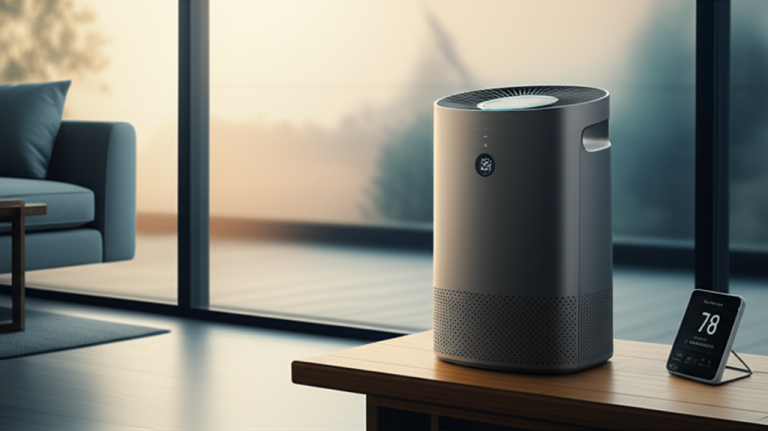
Blueair often opts for a minimalist, Scandinavian-inspired design, emphasizing clean lines and durable materials. Sharp, while also producing aesthetically pleasing units, might incorporate more visible technology elements or a slightly more industrial look depending on the model. Think about how the unit will look and feel in your room.
Blueair’s Aesthetic and Durability
Blueair units are known for their sleek, modern designs that blend seamlessly into most home interiors. They often use high-quality, durable materials that are built to last. The focus is on creating an appliance that is both functional and visually appealing.
The build quality is generally excellent, with sturdy construction that feels premium. This attention to detail in design and materials contributes to the overall user experience and longevity of the product. You’re investing in a well-crafted piece of equipment.
Sharp’s Functional Design
Sharp air purifiers often feature a more functional and sometimes tech-forward design. While they prioritize aesthetics, the emphasis might be more on the visible integration of their unique technologies. Many models are designed with user-friendliness in mind.
The construction is typically solid, ensuring reliability and durability. Some models might include additional features like integrated humidifiers or more prominent displays, influencing their overall look and feel. They are built to be effective workhorses.
Smart Features and Connectivity
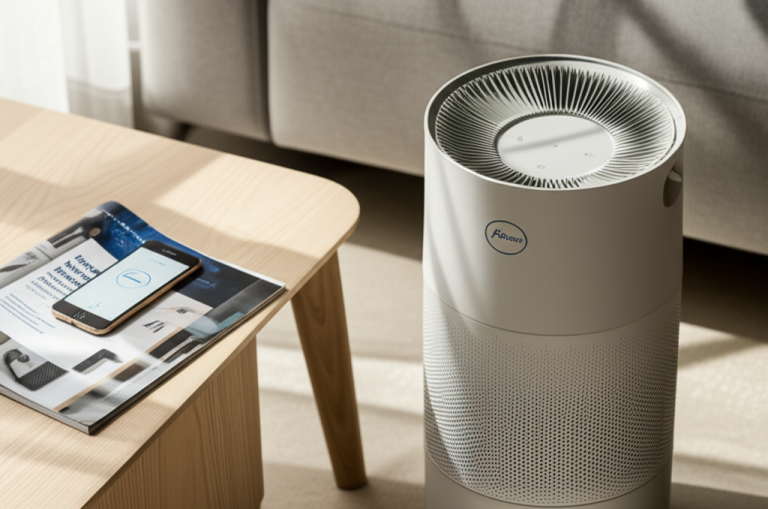
In today’s connected world, smart features can significantly enhance the user experience of an air purifier. Both Blueair and Sharp offer models with Wi-Fi connectivity, app control, and integration with smart home systems. This allows for remote operation, scheduling, and real-time air quality monitoring.
The level of sophistication in smart features can vary greatly between models within each brand. It’s worth comparing the app’s functionality, the available data insights, and compatibility with platforms like Amazon Alexa or Google Assistant. Smart control can make managing your air quality effortless.
Blueair’s Smart Integration
Many of Blueair’s newer models come equipped with smart capabilities. This allows users to control settings, monitor air quality, and receive filter replacement reminders via a dedicated mobile app. Some units can also adjust their performance automatically based on real-time sensor data.
This connectivity provides convenience and a deeper understanding of your home’s air quality. You can manage your purifier from anywhere, ensuring optimal air purification without constant manual adjustments. It brings a new level of control to your environment.
Sharp’s Connected Air Purifiers
Sharp also offers a range of connected air purifiers. Their smart features often include app control, air quality monitoring, and scheduling capabilities. Some models may also offer integration with smart home ecosystems, further enhancing convenience.
The ability to remotely manage your air purifier and receive detailed air quality reports adds significant value. This makes it easier to maintain a healthy indoor environment consistently. You can stay informed and in control, even when you’re away.
Noise Levels and Energy Efficiency
Noise and energy consumption are critical considerations for any home appliance, especially one that runs for extended periods. Both Blueair and Sharp aim to produce quiet and energy-efficient units, but performance can vary by model and fan speed. Lower decibel ratings and Energy Star certifications are good indicators.
Blueair’s HEPASilent™ technology is specifically designed to reduce noise. Sharp’s units also strive for quiet operation, especially on lower settings. Comparing the decibel (dB) ratings for different fan speeds is essential for finding a purifier that won’t disrupt your peace.
Blueair’s Quiet Operation
Blueair is widely recognized for its quiet performance, particularly at lower fan speeds. The HEPASilent™ technology plays a significant role in achieving this, allowing the unit to purify air effectively without generating disruptive noise. This makes them ideal for bedrooms and living areas.
Many users report being impressed by how quietly Blueair purifiers operate, even when working hard. This focus on low noise levels contributes to a more comfortable and peaceful home environment. You can enjoy cleaner air without the distraction of loud machinery.
Sharp’s Energy-Conscious Design
Sharp air purifiers are generally designed with energy efficiency in mind. Many models are Energy Star certified, indicating they meet strict energy efficiency guidelines set by the U.S. Environmental Protection Agency. This means lower electricity bills and a smaller environmental footprint.
While Plasmacluster Ion technology does consume some power, the overall energy usage of Sharp units is competitive. They balance effective purification with responsible energy consumption, making them a practical choice for everyday use. You get effective cleaning without excessive energy waste.
Cost of Ownership: Purchase Price and Filter Replacement
The long-term cost of owning an air purifier includes the initial purchase price and the ongoing expense of replacement filters. Both Blueair and Sharp offer a range of models at different price points, and filter replacement costs can vary significantly. It’s crucial to factor these ongoing costs into your decision.
Higher-end models from both brands will naturally have a higher upfront cost. Similarly, proprietary filter replacements can sometimes be more expensive than generic alternatives, though they often offer superior performance. Researching the cost and availability of replacement filters for specific models is a wise step.
Blueair: Investment and Filter Costs
Blueair purifiers can represent a significant initial investment, especially for their higher-performance models. The cost of replacement filters also needs to be considered, as they are essential for maintaining the unit’s effectiveness. Blueair filters are typically designed for longevity.
While the upfront cost might be higher, many users find the performance and durability of Blueair units justify the expense. The filters often last a considerable time, which can help offset the initial investment over the product’s lifespan. It’s a long-term commitment to air quality.
Sharp: Value and Filter Economics
Sharp air purifiers often present a strong value proposition, with models available across various price ranges. The cost of replacement filters is also a factor to consider, though Sharp offers a good balance between performance and affordability. You can find options to fit different budgets.
The economic viability of Sharp purifiers is enhanced by their competitive pricing and the reasonable cost of their consumables. This makes them an accessible option for many households looking to improve their indoor air quality without breaking the bank. It’s a cost-effective way to breathe cleaner air.
Comparing Specific Models: Blueair Classic vs. Sharp KC Series
To illustrate the differences, let’s compare popular lines from each brand. The Blueair Classic series is known for its robust performance and classic design, while Sharp’s KC series often highlights its Plasmacluster Ion technology and sleek aesthetics. Examining specific models can provide concrete examples of their strengths.
For instance, a Blueair Classic model might offer higher CADR ratings for larger rooms, while a Sharp KC model might appeal to those prioritizing its unique ion technology for odor and allergen neutralization. Each series has its unique selling points. This direct comparison helps pinpoint which brand aligns better with your specific needs.
Blueair Classic Series Highlights
The Blueair Classic series is a flagship line, embodying the brand’s commitment to powerful filtration and timeless design. These units are built for performance, capable of cleaning large volumes of air efficiently and quietly. They are often recommended for their durability and effectiveness in demanding environments.
Models like the Classic 480i or 605 are popular choices, offering excellent CADR and advanced features. They represent a solid investment for those seeking top-tier air purification. The Classic series is a testament to Blueair’s engineering prowess.
Sharp KC Series Highlights
Sharp’s KC series showcases their innovative approach to air purification, often integrating Plasmacluster Ion technology prominently. These models are designed to tackle a wide range of airborne pollutants and odors effectively. They are known for their user-friendly interfaces and often a more compact design.
Units such as the KC-850U or KC-860U are well-regarded for their combination of HEPA filtration and PCI technology. They offer a comprehensive purification solution that appeals to many consumers. The KC series represents Sharp’s dedication to advanced air care.
Which Air Purifier is Right for You?
The decision between Blueair and Sharp ultimately depends on your individual needs and priorities. Consider the size of your space, the specific air quality concerns you have (allergies, odors, general freshness), your budget, and your preference for smart features. Both brands offer excellent solutions, but they excel in different areas.
If rapid, powerful air cleaning in larger spaces and quiet operation are your top priorities, Blueair might be the better choice. If you’re particularly interested in the added benefits of ion technology for neutralizing odors and airborne microbes, or if you’re looking for a strong value proposition, Sharp could be your ideal pick. Your perfect air purifier awaits.
Frequently Asked Questions
Q1: Which brand is better for allergies, Blueair or Sharp?
Both brands are effective for allergies. Blueair’s high CADR and strong HEPA filtration excel at capturing allergens like pollen and pet dander. Sharp’s Plasmacluster Ion technology can further neutralize airborne allergens and microbes, offering an additional layer of relief.
Q2: Are Blueair air purifiers quiet?
Yes, Blueair purifiers are known for their quiet operation, especially at lower fan speeds, thanks to their HEPASilent™ technology. This makes them suitable for bedrooms and quiet living spaces.
Q3: Does Sharp’s Plasmacluster Ion technology produce ozone?
Sharp states that their Plasmacluster Ion technology produces very little ozone, within safety standards set by regulatory bodies. Independent testing confirms low ozone emissions for most models.
Q4: How often do I need to replace filters for Blueair and Sharp?
Filter replacement frequency varies by model and usage, but generally, Blueair filters last 6-12 months, while Sharp filters often need replacement every 1-3 years. Always check your specific model’s manual for exact recommendations.
Q5: Which brand is more energy-efficient, Blueair or Sharp?
Both brands offer energy-efficient models, with many units being Energy Star certified. Sharp often emphasizes energy efficiency across its range, while Blueair’s HEPASilent™ technology also contributes to lower energy consumption at high filtration rates.
Q6: Can I use both Blueair and Sharp air purifiers in the same room?
While you can technically use both, it’s generally unnecessary and potentially counterproductive to run two different air purification technologies simultaneously in the same small space. One well-chosen unit from either brand is usually sufficient.
Conclusion: Making Your Essential Choice
Ultimately, the choice between a Blueair and a Sharp air purifier hinges on your specific needs and what you value most in an air purification system. Blueair stands out for its powerful, quiet performance and robust filtration, making it an excellent choice for those prioritizing rapid air cleaning and a premium build. Sharp offers innovative solutions with its Plasmacluster Ion technology, providing an added layer of defense against airborne contaminants and often presenting a strong value proposition across its product lines.
I’ve found that for severe allergy sufferers or those in larger homes needing quick air turnover, Blueair often takes the lead. However, if you’re battling persistent odors or seeking that extra level of microbial neutralization, Sharp’s unique technology is incredibly compelling. I encourage you to review the specific CADR ratings, filter types, and smart features of models that fit your budget. By understanding these key differences, you can confidently select the air purifier that will best serve your home and your health.
Ready to breathe cleaner air? Explore our guides on maintaining optimal indoor air quality and discover more ways to enhance your home’s environment.