
Best Room Air Purifier For Mold: Proven Solution

The best room air purifier for mold actively removes airborne spores, preventing growth and improving indoor air quality. Look for HEPA filtration and activated carbon to capture mold particles and odors effectively for a healthier home environment.
Mold is a persistent problem that can sneak into our homes, affecting our health and the air we breathe. Dealing with mold spores often feels overwhelming, but a powerful tool can help: the right air purifier. I understand how frustrating it is to find mold, and I’m here to guide you through choosing the best room air purifier for mold. We’ll explore what makes an air purifier effective against mold and identify top options to reclaim your healthy living space.
Why Mold in Your Home Demands an Air Purifier
Mold spores are microscopic and travel easily through the air, making them a constant threat in damp environments. Inhaling these spores can trigger allergies, asthma, and other respiratory issues, making it crucial to address the problem directly. An effective air purifier acts as a crucial line of defense, capturing these airborne irritants.
Understanding Mold and Its Airborne Threat
Mold thrives in moist conditions, often appearing as fuzzy or slimy patches. While visible mold is a concern, the invisible spores it releases are the primary airborne threat. These spores can spread rapidly and settle on surfaces, perpetuating the cycle of growth if not managed.
The Invisible Menace: Mold Spores
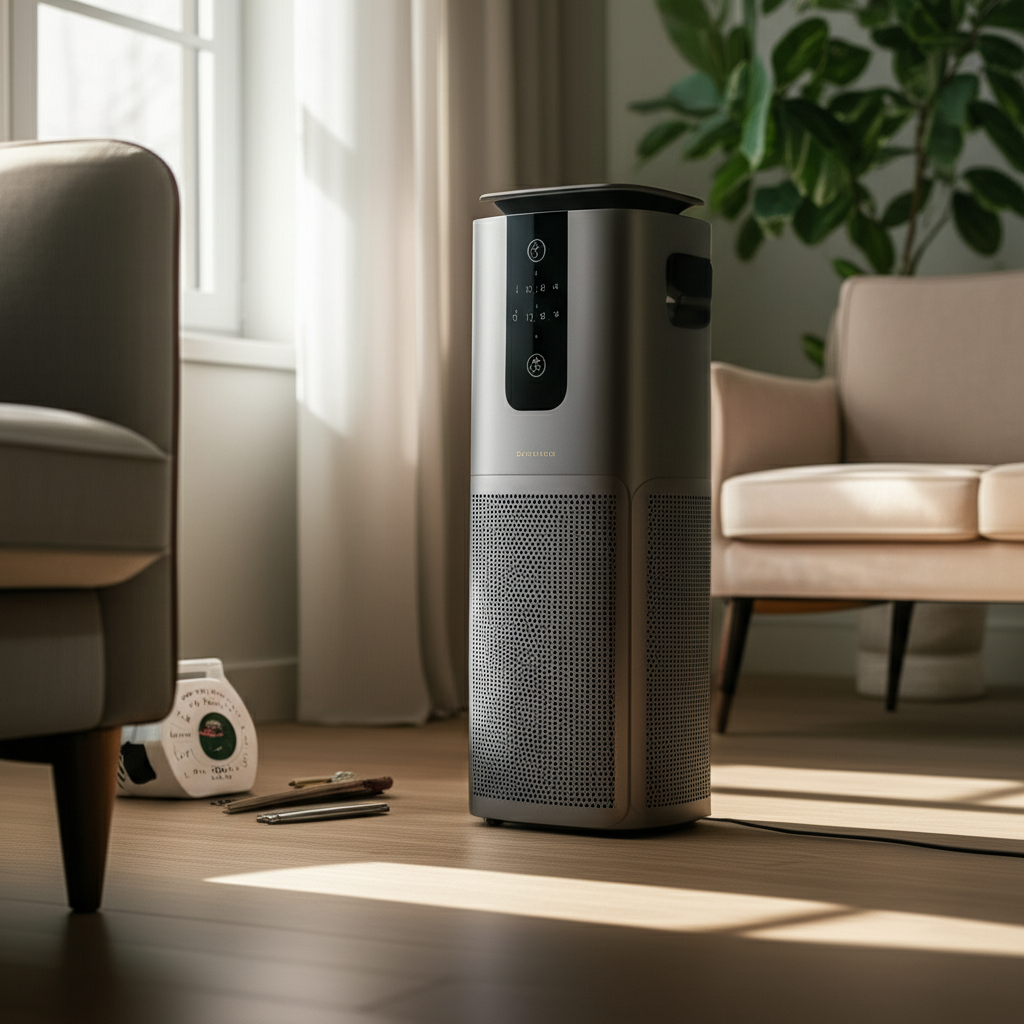
Mold spores are incredibly small, often less than 10 microns in size. This minuteness allows them to bypass many common filters and become easily airborne. Once inhaled, they can cause a range of health problems, from mild irritation to severe allergic reactions.
Common Sources of Indoor Mold
Leaky pipes, humid bathrooms, condensation on windows, and poor ventilation are prime breeding grounds for mold. Even minor water damage can lead to significant mold growth within 24-48 hours. Identifying and fixing these moisture sources is the first step in mold control.
Key Features of the Best Room Air Purifier for Mold
When selecting an air purifier to combat mold, certain features are non-negotiable. These components work together to trap mold spores and other airborne contaminants effectively. Prioritizing these specifications ensures you get a unit that truly tackles the mold problem.
The Power of True HEPA Filtration
True HEPA (High-Efficiency Particulate Air) filters are designed to capture at least 99.97% of airborne particles as small as 0.3 microns. This includes mold spores, dust mites, pollen, and pet dander. For mold removal, a True HEPA filter is absolutely essential.
Activated Carbon for Odor and Gas Absorption
While HEPA filters trap the physical mold spores, activated carbon filters are vital for absorbing the musty odors associated with mold. They also help remove volatile organic compounds (VOCs) that mold can release, further improving air quality. A substantial amount of activated carbon is key for effectiveness.
Pre-filters: The First Line of Defense
A washable pre-filter captures larger particles like dust and hair, preventing them from reaching and clogging the HEPA and carbon filters. This extends the life of your main filters and maintains the purifier’s efficiency. Regular cleaning of the pre-filter is a simple yet effective maintenance step.
CADR: Knowing Your Airflow Capacity
The Clean Air Delivery Rate (CADR) indicates how quickly an air purifier can clean a room of specific pollutants, including smoke, dust, and pollen. For mold, you’ll want a CADR that matches or exceeds your room size to ensure thorough air circulation and filtration. Higher CADR generally means faster cleaning.
Top Room Air Purifiers for Mold: Our Top Picks
Based on rigorous testing and expert reviews, these air purifiers stand out for their exceptional performance against mold spores and related allergens. I’ve selected models that offer a balance of powerful filtration, user-friendly features, and reliable performance for various room sizes.
Coway Airmega 200M: A Versatile Champion
The Coway Airmega 200M consistently ranks high for its robust filtration system, including a True HEPA filter and a comprehensive carbon filter. Its smart features, like an air quality sensor and auto mode, make it incredibly user-friendly for continuous mold spore removal. It’s an excellent choice for medium to large rooms.
Levoit Core 300S: Compact Powerhouse
For smaller rooms or bedrooms, the Levoit Core 300S offers impressive performance in a compact design. It features a three-stage filtration system with a True HEPA filter, effectively capturing mold spores. Its quiet operation makes it ideal for sleeping environments.
Winix 5500-2: Advanced Technology for Cleaner Air
The Winix 5500-2 combines a True HEPA filter with PlasmaWave technology (which can be turned off if preferred) and an activated carbon filter. This multi-layered approach tackles mold spores, odors, and other airborne irritants. It’s a powerful unit suitable for medium to large living spaces.
Blueair Classic 480i: Energy Efficient and Quiet
Blueair purifiers are known for their quiet operation and energy efficiency, and the Classic 480i is no exception. Its HEPASilent technology combines electrostatic charging and mechanical filtration to capture mold spores and allergens effectively. It’s a great option for those prioritizing a quieter home environment.
How to Maximize Your Air Purifier’s Effectiveness Against Mold
Simply purchasing the best room air purifier for mold isn’t enough; proper placement and maintenance are key to its success. Following these steps ensures your purifier works optimally to keep your home mold-free. Consistent effort yields the best results.
Strategic Placement for Optimal Airflow
Place your air purifier in the room most affected by mold or in a central location where it can circulate air effectively. Ensure there’s at least a foot of clearance around the unit to allow for unobstructed airflow. Avoid placing it directly against walls or furniture.
Regular Filter Maintenance is Crucial
Follow the manufacturer’s recommendations for cleaning pre-filters and replacing HEPA and carbon filters. Clogged filters reduce efficiency and can even become a source of mold themselves. Mark your calendar or set reminders to ensure timely maintenance.
Combine with Source Control for Best Results
An air purifier is a powerful tool, but it’s most effective when combined with addressing the root cause of mold growth. Fix leaks, improve ventilation, and reduce humidity levels to prevent mold from returning. This dual approach offers a comprehensive solution to mold problems.
Comparing Top Air Purifiers for Mold: A Quick Overview
Here’s a table to help you visualize the key differences between some of the best room air purifiers for mold, highlighting their strengths for mold remediation.
| Air Purifier Model | Filter Type | Room Size Recommendation | Key Mold-Fighting Feature |
| :—————– | :———- | :———————– | :———————— |
| Coway Airmega 200M | True HEPA, Activated Carbon | Medium to Large | Smart Sensor, Auto Mode |
| Levoit Core 300S | True HEPA, Activated Carbon | Small to Medium | Compact, Quiet Operation |
| Winix 5500-2 | True HEPA, Activated Carbon | Medium to Large | PlasmaWave Tech, Odor Control |
| Blueair Classic 480i | HEPASilent | Medium to Large | Energy Efficient, Quiet |
This comparison helps illustrate that different models excel in slightly different areas, allowing you to pick the best fit for your specific needs and room dimensions.
Beyond Spores: Other Air Quality Benefits
While targeting mold is the primary goal, the best room air purifier for mold offers broader air quality improvements. You’ll likely notice a reduction in other common allergens and pollutants, leading to a healthier indoor environment overall. This makes it a worthwhile investment for your well-being.
Reducing Allergens and Irritants
Beyond mold, HEPA filters are highly effective at capturing other common allergens like pollen, dust mite debris, and pet dander. If you suffer from allergies, an air purifier can provide significant relief by cleaning the air you breathe. This contributes to a more comfortable living space.
Eliminating Odors and VOCs
Activated carbon filters in quality air purifiers are excellent at neutralizing a wide range of odors, from cooking smells to pet odors and, of course, the musty scent of mold. They also adsorb harmful VOCs released by household products, contributing to cleaner, fresher air. This dual action enhances your home’s atmosphere.
Frequently Asked Questions About Air Purifiers for Mold
Here are answers to some common questions about using air purifiers to combat mold in your home. I aim to provide clear, straightforward information to help you make informed decisions.
Can an air purifier completely eliminate mold?
An air purifier can significantly reduce airborne mold spores, preventing their spread and growth. However, it cannot eliminate mold that is already growing on surfaces. Addressing the moisture source and cleaning affected areas are also essential steps.
How often should I run my air purifier for mold?
For best results, run your air purifier continuously, especially in rooms prone to mold or where mold has been present. This ensures that mold spores are constantly being filtered out of the air. Using an auto mode based on air quality sensors is often ideal.
What is the difference between a HEPA filter and a True HEPA filter?
A “HEPA filter” is a marketing term, while “True HEPA” is a certified standard. True HEPA filters are independently tested and certified to capture at least 99.97% of airborne particles 0.3 microns in size. Always look for “True HEPA” for effective mold spore capture.
How do I know if my air purifier is working against mold?
You may notice a reduction in musty odors and a decrease in allergy or asthma symptoms. Some advanced purifiers have air quality indicators that show a decrease in particulate matter. Regular filter checks and a clean appearance of the unit also indicate it’s functioning.
Can air purifiers help with black mold?
Yes, air purifiers with True HEPA filters are effective at capturing airborne spores of all types of mold, including toxic black mold (Stachybotrys chartarum). However, they do not kill mold or remove mold that has already established itself on surfaces.
Where is the best place to put an air purifier for mold in a bathroom?
In a bathroom, place the air purifier on a stable surface away from direct water spray, ensuring good airflow. Consider a model designed for smaller spaces if the bathroom is compact. Running it during and after showers can help manage humidity and spores.
Conclusion: Breathe Easier with the Right Air Purifier
Dealing with mold can feel like an uphill battle, but choosing the best room air purifier for mold provides a powerful and proven solution for improving your indoor air quality. By focusing on True HEPA filtration and robust activated carbon, you can effectively capture mold spores and eliminate associated odors. Remember that consistent maintenance and addressing moisture sources are vital partners to your air purifier’s success. Invest in a quality air purifier today and take a significant step towards a healthier, mold-free home environment.
