Best Rated Air Purifier For Bedroom: Proven Sleep Essential

The best rated air purifier for your bedroom can significantly improve sleep quality by removing allergens, pollutants, and odors, creating a healthier sleep environment.
The Best Rated Air Purifier for Bedroom: Your Proven Sleep Essential
Struggling with restless nights, stuffy sinuses, or lingering odors in your bedroom? You’re not alone. Millions experience poor sleep due to invisible airborne irritants. But what if a simple solution could transform your sleep sanctuary? This guide dives deep into finding the best rated air purifier for your bedroom, a crucial step towards waking up refreshed and energized. We’ll explore what makes an air purifier ideal for sleep and guide you through the top choices.
Why Your Bedroom Needs an Air Purifier for Better Sleep
Your bedroom should be a haven for rest, but it can harbor a surprising amount of pollutants. Dust mites, pet dander, pollen, mold spores, and even volatile organic compounds (VOCs) from furniture and cleaning products can circulate in the air you breathe all night. These particles can trigger allergies, asthma symptoms, and general respiratory discomfort, all of which disrupt sleep patterns. Investing in a quality air purifier is a proactive way to combat these issues and foster deeper, more restorative sleep.
The Science Behind Cleaner Air and Deeper Sleep
Studies consistently show a link between air quality and sleep quality. When your airways are clear and free from irritants, your body can relax more fully, leading to fewer awakenings and more time spent in deep sleep stages. For instance, research published in the Journal of Clinical Sleep Medicine has highlighted how environmental factors, including air pollution, can negatively impact sleep architecture. By removing these pollutants, an air purifier helps create an optimal environment for uninterrupted rest.
Common Bedroom Air Pollutants and Their Impact
Dust Mites: Microscopic creatures found in bedding and carpets that feed on dead skin cells. Their droppings are potent allergens.
Pet Dander: Tiny flakes of skin shed by pets, which can remain airborne for long periods.
Pollen: Carried indoors on clothes and pets, especially during allergy seasons.
Mold Spores: Thrive in damp environments and can cause respiratory irritation.
VOCs: Gases emitted from paints, cleaning supplies, and new furniture that can cause headaches and nausea.
Odors: Lingering smells from cooking, pets, or perfumes can be disruptive.
What Makes an Air Purifier the “Best Rated” for Bedrooms?
Finding the best rated air purifier for your bedroom involves looking beyond just its cleaning power. Several key features contribute to its effectiveness and suitability for a sleep environment. The best models are quiet, energy-efficient, and equipped with the right filtration technology to tackle your specific concerns. We’ll delve into these crucial aspects to help you make an informed decision.
HEPA Filtration: The Gold Standard for Allergens
True HEPA (High-Efficiency Particulate Air) filters are non-negotiable for an effective bedroom air purifier. These filters are designed to capture at least 99.97% of airborne particles as small as 0.3 microns. This includes common allergens like dust, pollen, pet dander, and mold spores, which are primary culprits behind disrupted sleep. Ensure the purifier explicitly states it uses a True HEPA filter for maximum efficacy.
Activated Carbon Filters: Tackling Odors and VOCs
While HEPA filters excel at capturing particles, activated carbon filters are essential for addressing odors, smoke, and harmful gases like VOCs. These filters use a porous carbon material that adsorbs (traps) gaseous pollutants. A good bedroom air purifier will often combine a HEPA filter with a substantial activated carbon layer to provide comprehensive air cleaning.
CADR Rating: Measuring Cleaning Efficiency
CADR (Clean Air Delivery Rate) is a standardized measure of how quickly an air purifier can clean a room of specific pollutants like smoke, dust, and pollen. Higher CADR ratings indicate a more powerful and faster-acting unit. For bedrooms, consider a CADR rating appropriate for the room’s square footage to ensure efficient air circulation and purification.
Noise Levels: Crucial for Undisturbed Sleep
A noisy air purifier can be counterproductive, especially when aiming for better sleep. Look for models with low decibel (dB) ratings, particularly on their lowest settings. Many modern purifiers offer a “sleep mode” that significantly reduces fan speed and noise, often producing a gentle white noise that can even aid sleep. Aim for a unit that operates below 30-40 dB on its lowest setting.
Energy Efficiency and Cost of Ownership
Consider the long-term costs associated with an air purifier, including its energy consumption and the price of replacement filters. ENERGY STAR certified models are a good indicator of energy efficiency. While the initial purchase price varies, factoring in filter replacement frequency and cost will give you a clearer picture of the overall investment.
Top Rated Air Purifiers for Bedrooms in [Current Year]
Based on expert reviews, user feedback, and performance metrics, here are some of the best rated air purifiers consistently recommended for bedroom use. I’ve chosen these based on their balance of effective filtration, quiet operation, and value.
1. Coway Airmega AP-1512HH Mighty
This unit is a perennial favorite for a reason. It boasts a True HEPA filter, an activated carbon filter, and an ionizer (which can be turned off if preferred). It’s compact, energy-efficient, and features an auto mode that adjusts fan speed based on air quality. Its noise levels are impressively low on lower settings, making it ideal for bedrooms.
Pros: Excellent filtration, quiet operation, auto mode, attractive design.
Cons: Filter replacement can be a bit pricey.
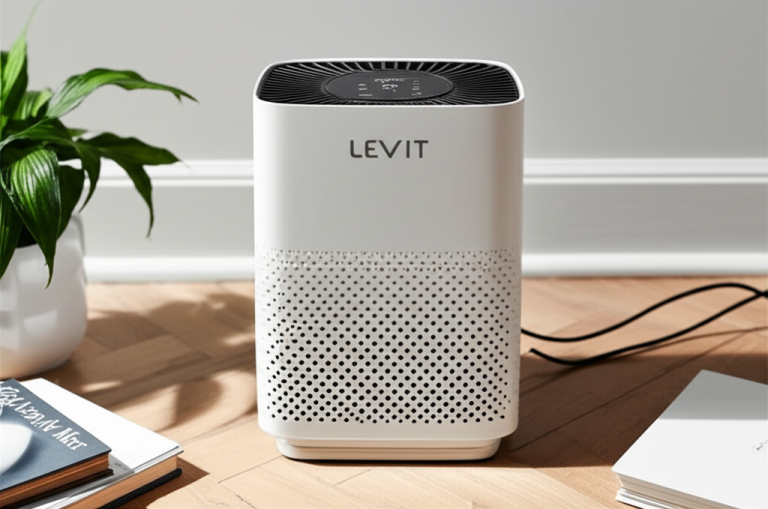
2. Levoit Core 300S Smart WiFi Air Purifier
The Levoit Core 300S is a fantastic budget-friendly option that doesn’t compromise on performance. It features a 3-stage filtration system (pre-filter, True HEPA, activated carbon) and is surprisingly quiet. The “S” model includes smart features like WiFi connectivity and app control, allowing you to manage settings remotely or set schedules.
Pros: Affordable, compact, effective 3-stage filtration, smart features.
Cons: Best suited for smaller to medium-sized bedrooms.
3. Winix 5500-2 Air Purifier
Another highly-rated choice, the Winix 5500-2 offers a comprehensive filtration system including a True HEPA filter, washable AOC carbon filter, and the PlasmaWave technology (which can also be disabled). It’s designed for medium to large rooms and has an auto mode with air quality sensors. It’s known for its quiet performance and value.
Pros: Great for allergies, washable pre-filter, auto mode, excellent value.
Cons: PlasmaWave feature might be a concern for some sensitive individuals.
4. Blueair Blue Pure 411 Auto
For those seeking simplicity and style, the Blue Pure 411 Auto is a strong contender. It uses a unique combination of electrostatic and mechanical filtration (HEPASilent™ technology) to capture particles. It’s exceptionally quiet and energy-efficient, with a single-button operation and an auto mode. It’s best for smaller bedrooms.
Pros: Very quiet, stylish design, energy efficient, simple to use.
Cons: Primarily particle filtration; odor control is less robust than models with dedicated carbon filters.
5. Honeywell HPA300 Premium Large Room Air Purifier
While marketed for larger rooms, the Honeywell HPA300 can be an excellent choice for a master bedroom if you prefer a more robust unit. It boasts a True HEPA filter and captures a high percentage of allergens and pollutants. It offers multiple air changes per hour and has a ‘germ reduction’ pre-filter. Its noise level on the lowest setting is manageable for sleep.
Pros: High performance, effective for larger spaces, good for germ and allergen capture.
Cons: Can be bulkier and slightly louder on higher settings compared to smaller units.
Key Features to Consider When Choosing Your Bedroom Air Purifier
When you’re comparing models, keep these specific features in mind to ensure you pick the best rated air purifier for your unique bedroom needs.
Filtration Stages Explained
Most effective air purifiers use a multi-stage filtration system:
Pre-filter: Captures larger particles like hair and lint, extending the life of other filters. Often washable.
HEPA Filter: Captures 99.97% of particles down to 0.3 microns (dust, pollen, dander, mold spores).
Activated Carbon Filter: Adsorbs odors, smoke, VOCs, and gases. The amount of carbon matters for effectiveness.
Optional: Ionizer/UV-C Light: Some units include these for additional air purification. Ionizers can produce ozone, so ensure it’s CARB-certified or can be turned off.
Room Size and Air Changes Per Hour (ACH)
Ensure the air purifier is appropriately sized for your bedroom. Manufacturers usually provide a recommended room size coverage. ACH indicates how many times the air in a room is filtered per hour. For allergy sufferers or those with respiratory issues, aim for a unit with at least 4-5 ACH for optimal air cleaning.
Filter Replacement Costs and Availability
Don’t overlook the ongoing cost of replacement filters. Check the price and how often they need to be replaced (typically every 6-12 months for HEPA and carbon filters). Also, ensure the filters are readily available for the model you choose.
Smart Features and Controls
Modern air purifiers offer convenience features like:
Auto Mode: Automatically adjusts fan speed based on detected air quality.
Sleep Mode: Operates at the lowest fan speed and dims or turns off indicator lights.
Timers: Allows you to set the purifier to run for specific durations.
App Control: Remote operation via smartphone, scheduling, and air quality monitoring.
Setting Up and Maintaining Your Bedroom Air Purifier
Once you’ve selected the best rated air purifier for your bedroom, proper setup and consistent maintenance are key to maximizing its benefits.
Optimal Placement in Your Bedroom
Place the air purifier on a flat, stable surface.
Ensure there is at least 1-2 feet of clearance around the unit for optimal airflow.
Avoid placing it directly next to curtains or furniture that could obstruct intake or exhaust.
Consider placing it near your bed for the most direct impact on your breathing zone.
Routine Maintenance for Peak Performance
Clean the pre-filter regularly: Washable pre-filters should be cleaned weekly or bi-weekly depending on usage and air quality.
Replace HEPA and carbon filters: Follow the manufacturer’s recommendations, typically every 6-12 months.
Wipe down the exterior: Keep the unit clean by wiping it with a soft, damp cloth.
Check for blockages: Ensure air intake and outlet vents are free of dust or debris.
Who Can Benefit Most from a Bedroom Air Purifier?
While everyone can enjoy cleaner air, certain individuals experience more profound benefits from using a bedroom air purifier. Identifying if you fall into one of these categories can solidify your decision.
Individuals with Allergies and Asthma
If you suffer from seasonal allergies, dust mite allergies, or asthma, a HEPA air purifier is almost essential. It significantly reduces exposure to common triggers like pollen, dander, and dust, leading to fewer symptoms and more comfortable sleep. Numerous studies, including those from the American College of Allergy, Asthma & Immunology, support the use of air purifiers in managing indoor allergen levels.
Pet Owners
Pet dander is a common allergen that can be difficult to eliminate completely. An air purifier with a robust HEPA and activated carbon filter system can effectively capture pet dander, hair, and associated odors, creating a fresher sleeping environment for both pet owners and their furry friends.
Light Sleepers and Those Sensitive to Odors
Even subtle odors or slight disturbances in air quality can impact sensitive sleepers. A quiet air purifier with an odor-filtering carbon layer can create a more serene and neutral sleeping environment, free from distracting smells and promoting deeper, more consistent rest.
Urban Dwellers and Those Near Pollution Sources
If you live in a city or near industrial areas, outdoor pollutants can easily infiltrate your home. An air purifier acts as a crucial barrier, filtering out fine particulate matter and other airborne contaminants that can affect your respiratory health and sleep quality.
Frequently Asked Questions About Bedroom Air Purifiers
Here are answers to common questions about selecting and using the best rated air purifier for your bedroom.
Q1: How often should I run my bedroom air purifier?
For optimal results, it’s recommended to run your air purifier continuously, especially while you’re sleeping. Many models have energy-saving auto modes or sleep modes that make this feasible without excessive energy consumption or noise.
Q2: Can an air purifier help with snoring?
While an air purifier isn’t a direct cure for snoring, it can help if snoring is exacerbated by nasal congestion or allergies. By clearing allergens and irritants, it can open up airways, potentially reducing snoring caused by these factors.
Q3: How do I know if my air purifier is working effectively?
You’ll likely notice a reduction in dust accumulation, fewer allergy symptoms, and a fresher smell in the room. Many purifiers also have air quality indicators that show real-time readings, helping you gauge their performance.
Q4: Are air purifiers with ionizers safe for bedrooms?
Air purifiers with ionizers can be safe if they are certified by the California Air Resources Board (CARB) to meet strict ozone emission limits. Ozone can be a lung irritant. If you’re concerned, choose a model where the ionizer function can be turned off, or opt for a unit without an ionizer.
Q5: What is the best type of filter for a bedroom air purifier?
The best type of filter is a combination of a True HEPA filter for particles and an activated carbon filter for odors and gases. This dual approach provides comprehensive air purification for a healthy sleep environment.
Q6: Can an air purifier help with pet odors in the bedroom?
Yes, absolutely. A good air purifier with a substantial activated carbon filter is highly effective at adsorbing and neutralizing pet odors, as well as dander and other allergens that pets introduce into the air.
Conclusion: Invest in Your Sleep with the Best Rated Air Purifier
Your bedroom is more than just a place to sleep; it’s where your body and mind recover. Ensuring the air you breathe is clean and free from irritants is a fundamental step towards achieving truly restorative rest. By understanding the key features – HEPA filtration, effective carbon filters, quiet operation, and appropriate sizing – you can confidently select the best rated air purifier for bedroom use. I’ve highlighted some top contenders, but the ultimate choice depends on your specific needs and budget. Investing in a quality air purifier is an investment in your health, well-being, and the quality of your sleep. Make the change today and experience the difference cleaner air can make.