
Best Portable Air Purifier For Travel: Your Essential Guide

Discover the best portable air purifier for travel to breathe cleaner air wherever you go, ensuring a healthier and more comfortable journey with our expert guide.
Breathing clean air shouldn’t be a luxury reserved for home. When you travel, you encounter a host of airborne irritants – from airplane cabin dust to hotel room allergens. Finding the right portable air purifier can significantly improve your travel experience, especially if you have allergies or sensitivities. This guide will walk you through everything you need to know to select the perfect travel companion for fresher air on the move.
Why You Need a Portable Air Purifier for Travel
A portable air purifier is your personal shield against common travel-related air quality issues. Whether it’s the recycled air on a plane, the lingering scents in a hotel room, or dust in a rental car, these devices can make a noticeable difference. They capture microscopic particles that can trigger allergies, asthma, and other respiratory problems, helping you feel more at ease. Investing in one means prioritizing your well-being, no matter where your adventures take you.
Understanding Air Pollutants on the Go
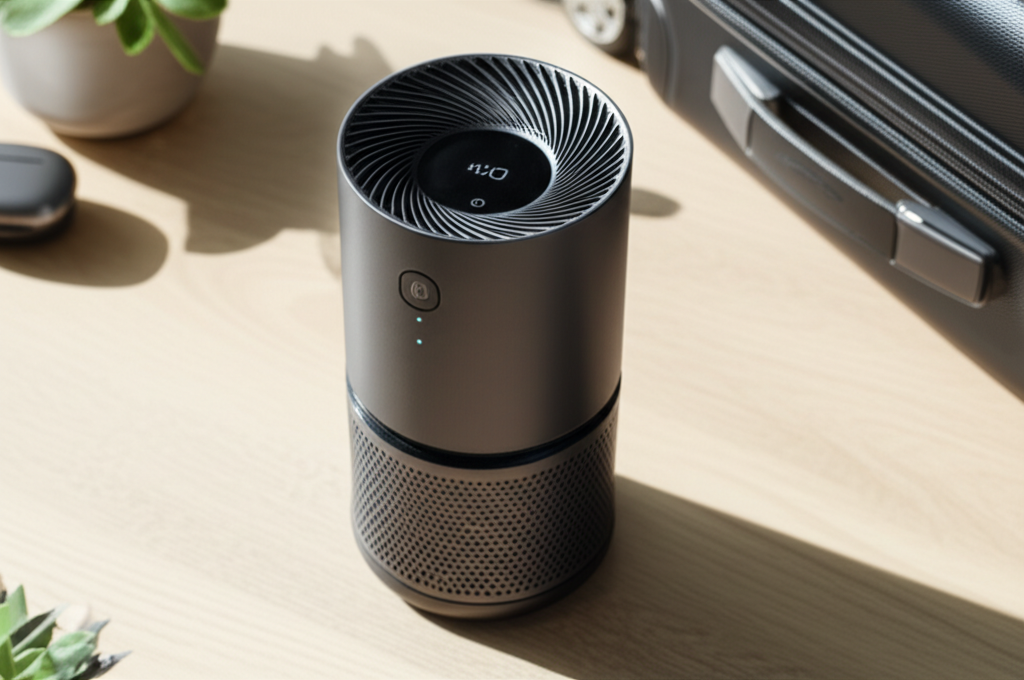
Travel environments often harbor a cocktail of invisible pollutants. Think about the cramped space of an airplane, where air is recirculated, potentially carrying germs and dust. Hotel rooms can have lingering odors from previous guests or cleaning products, and dust mites can be prevalent. Even rental cars might contain allergens from previous occupants. Recognizing these common culprits is the first step to combating them effectively.
Key Features to Look For in a Travel Air Purifier
When searching for the best portable air purifier for travel, several features are paramount. You’ll want something compact and lightweight, as carrying extra baggage is the last thing you need. Battery life is crucial for on-the-go use, and a quiet operation ensures it won’t disturb your rest. Consider the type of filter it uses, as this determines what pollutants it can capture.
Filtration Technology: HEPA vs. Activated Carbon
The heart of any air purifier lies in its filtration system. True HEPA filters are highly effective, capturing at least 99.97% of airborne particles down to 0.3 microns, including dust, pollen, pet dander, and mold spores. Activated carbon filters, on the other hand, excel at absorbing odors, gases, and volatile organic compounds (VOCs) emitted from cleaning supplies or furnishings. Many portable units combine both for comprehensive purification.
Size, Weight, and Portability
The ideal travel air purifier is one you’ll actually bring with you. Look for devices that are small enough to fit in a carry-on bag or even a larger purse. Weight is also a significant factor; anything over a couple of pounds can feel cumbersome. Many models are designed with travel in mind, featuring sleek designs and integrated carrying handles or cases for easy transport.
Power Source: Battery Life and Charging Options
For true portability, a rechargeable battery is essential. Check the advertised battery life – aim for at least 4-6 hours of continuous use on a single charge, especially if you plan to use it during flights or long car rides. USB charging is a huge convenience, allowing you to power up your purifier using a power bank, laptop, or car adapter.
Noise Level and Sleep Mode
A noisy air purifier can disrupt sleep, which is counterproductive when traveling. Look for models with a decibel (dB) rating below 40 dB on their lowest setting, comparable to a quiet library. Many purifiers also feature a “sleep mode” that further reduces fan speed and dims indicator lights for undisturbed rest.
Top Portable Air Purifiers for Your Next Trip
After extensive research, I’ve identified some of the best portable air purifier for travel options that balance performance, portability, and price. These units are consistently praised for their effectiveness and user-friendly design, making them excellent choices for frequent travelers.
Option 1: The Ultra-Compact Companion
This type of purifier is designed for personal space, like a car or a small hotel room. They are often battery-operated and incredibly lightweight, making them easy to pack and use anywhere. Their primary focus is on capturing common allergens and improving the immediate air quality around you.
Pros: Extremely portable, quiet operation, ideal for personal use.
Cons: Limited coverage area, may not be suitable for larger rooms.
Option 2: The Mid-Range All-Rounder
Striking a balance between size and power, these purifiers offer a decent coverage area and robust filtration. They might be slightly larger but still fit easily in a suitcase. Many feature multi-stage filtration, including HEPA and activated carbon, for more comprehensive air cleaning.
Pros: Good balance of portability and effectiveness, suitable for small to medium rooms.
Cons: Can be slightly heavier than ultra-compact models, may require AC power for extended use.
Option 3: The High-Performance Travel Unit
While larger than typical travel purifiers, these units offer superior performance and coverage. They are best suited for travelers who prioritize air quality above all else and might have more space in their luggage or are traveling by car. They often boast advanced features and multi-stage filtration.
Pros: Excellent air cleaning capabilities, larger coverage area, advanced features.
Cons: Least portable, can be more expensive, might require more power.
How to Use Your Portable Air Purifier Effectively While Traveling
Maximizing the benefits of your portable air purifier involves a few simple strategies. Placing it correctly in your hotel room or car can significantly improve its efficiency. Running it consistently, especially during times when air quality is most critical, will yield the best results. Regular maintenance ensures it continues to perform optimally throughout your travels.
Placement is Key for Optimal Performance
For the best results, position your portable air purifier in the area where you spend the most time, such as your bedside table or the center of a hotel room. Avoid placing it directly against walls or furniture, as this can obstruct airflow. In a car, placing it in a cup holder or on the dashboard ensures it circulates air effectively within the cabin.
Running Your Purifier: When and How Long
It’s beneficial to run your air purifier continuously while you’re in the space, especially when you first arrive to clear out any lingering pollutants. If battery life is a concern, prioritize running it during sleep hours when air quality is most critical for rest and recovery. Many units have timers, which can be useful for managing battery life and ensuring consistent purification.
Maintaining Your Portable Air Purifier on the Road
Keeping your travel air purifier in top condition is simple, even when you’re away from home. Most maintenance involves filter care and ensuring the unit is clean. This proactive approach guarantees that your device will continue to provide clean air throughout your trip and for many journeys to come.
Filter Replacement and Cleaning
Check your purifier’s manual for specific filter replacement intervals. For travel models, this might be less frequent than for home units. If your purifier has a washable pre-filter, rinse it periodically to catch larger particles and extend the life of the main HEPA filter. Always ensure filters are completely dry before reinserting them.
General Cleaning and Care
Wipe down the exterior of your air purifier with a soft, dry cloth to remove dust and debris. Ensure the air intake and outlet vents are clear of obstructions. Avoid using harsh chemicals or abrasive cleaners, as these can damage the unit. A little regular care goes a long way in maintaining its performance and longevity.
Who Can Benefit Most from a Travel Air Purifier?
While anyone can enjoy cleaner air, certain individuals stand to gain the most from a portable air purifier during travel. If you suffer from allergies, asthma, or have a compromised immune system, these devices can be invaluable for maintaining your health and comfort away from home. Even frequent flyers can benefit from the improved air quality in aircraft cabins.
Travelers with Allergies and Asthma
For those with allergies or asthma, travel can be a minefield of triggers. Different environments mean exposure to new allergens like dust mites, pet dander, or mold spores that can exacerbate symptoms. A portable air purifier creates a zone of cleaner air, significantly reducing exposure and helping to prevent flare-ups.
Frequent Flyers and Business Travelers
The air on airplanes is notoriously dry and recirculated, often leading to fatigue and discomfort. Business travelers often stay in various hotels, where air quality can be unpredictable. A personal air purifier provides a consistent source of cleaner air, helping to reduce travel-related illness and improve overall well-being.
Health-Conscious Individuals
In today’s world, many people are increasingly aware of and concerned about the quality of the air they breathe. A portable air purifier offers peace of mind, ensuring that even when you’re away from your meticulously managed home environment, you’re still taking steps to protect your respiratory health.
Frequently Asked Questions About Portable Air Purifiers for Travel
Q1: Can a small portable air purifier really make a difference?
Yes, a small portable air purifier is designed to purify the air in your immediate personal space, such as a car or a hotel room. While it won’t clean an entire house, it significantly reduces airborne irritants in your direct vicinity, which can greatly improve your comfort and well-being during travel.
Q2: How often do I need to replace the filters in a travel air purifier?
Filter replacement frequency varies by model and usage. Many travel purifiers have filters designed to last several months to over a year. Always check the manufacturer’s recommendations, but generally, if you notice a decrease in performance or an unusual smell, it’s time for a replacement.
Q3: Are portable air purifiers noisy?
Most portable air purifiers are designed to be quiet, especially on lower settings. Look for models with a decibel rating below 40 dB for a truly unobtrusive experience. Many also offer a sleep mode that further reduces noise for undisturbed rest.
Q4: Can I use a portable air purifier on an airplane?
Some airlines permit personal electronic devices like portable air purifiers, but it’s crucial to check their specific policies beforehand. Battery-operated models are generally more feasible. Ensure it’s placed discreetly and doesn’t disturb other passengers.
Q5: Do portable air purifiers remove viruses and bacteria?
True HEPA filters are effective at capturing airborne particles, including some bacteria and viruses, as they are typically larger than 0.3 microns. However, they are not a substitute for proper hygiene or medical advice for preventing illness.
Q6: What’s the difference between a HEPA filter and an activated carbon filter?
A HEPA filter captures tiny physical particles like dust, pollen, and pet dander. An activated carbon filter absorbs gases, odors, and VOCs. Many portable purifiers combine both for comprehensive air cleaning.
Final Verdict: Breathe Easy on Your Next Adventure
Choosing the best portable air purifier for travel is a proactive step towards a healthier and more enjoyable journey. By understanding the key features, considering your personal needs, and knowing where to look, you can find a device that fits your lifestyle and budget. Don’t let airborne irritants dictate your travel experience. Invest in a portable air purifier and breathe cleaner, fresher air, no matter where your travels take you. Safe and healthy journeys await!

