
Best Personal Air Purifier for COVID: Essential Protection

Best Personal Air Purifier for COVID: Essential Protection for Your Immediate Space
Safeguard your personal breathing zone with the best personal air purifier for COVID. Discover how these compact devices, featuring HEPA filtration and UV-C technology, can significantly reduce airborne virus particles, offering peace of mind in shared or enclosed environments. Learn what to look for and which options provide the most effective protection.
Breathing cleaner air is more important than ever, especially when it comes to protecting yourself from airborne viruses like COVID-19. Finding the right device can feel overwhelming, but I’m here to guide you through selecting the best personal air purifier for COVID. We’ll explore how these powerful yet portable units work to create a healthier micro-environment around you, giving you confidence wherever you go.
Why a Personal Air Purifier Matters for COVID Protection
A personal air purifier acts as a targeted shield against airborne pathogens. In shared spaces, or even when you’re just trying to feel more secure, these devices actively remove virus-laden droplets and aerosols from your immediate vicinity. This focused approach offers an extra layer of defense beyond general room purification.
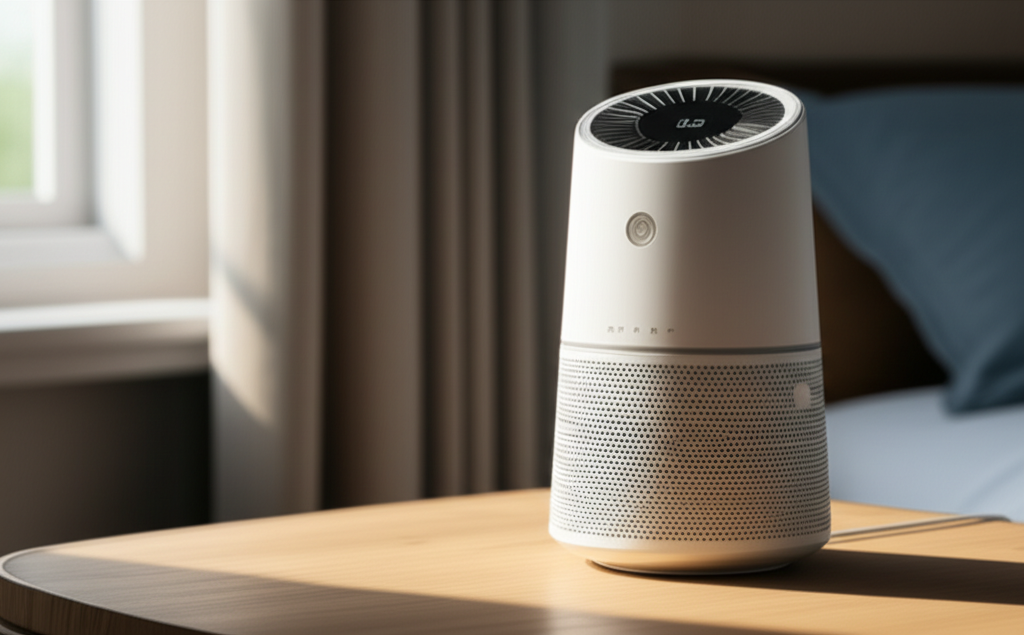
These compact purifiers are designed to be placed close to you, such as on a desk or bedside table. They draw in surrounding air, filter out harmful particles, and release cleaner air back into your personal breathing zone. This continuous filtration process helps to reduce the concentration of viruses you might otherwise inhale.
Understanding the Technology Behind Effective Air Purification
Effective air purifiers for COVID protection rely on a combination of advanced filtration technologies. The core of their effectiveness lies in their ability to capture microscopic particles, including virus-sized aerosols. Understanding these technologies helps you make an informed choice about which purifier offers the best defense.
HEPA Filtration: The Gold Standard for Particle Capture
High-Efficiency Particulate Air (HEPA) filters are the cornerstone of most effective air purifiers. True HEPA filters are certified to capture at least 99.97% of airborne particles 0.3 microns in size. This includes dust, pollen, pet dander, mold spores, and crucially, virus-containing droplets and aerosols.
When choosing a personal air purifier, always look for “True HEPA” certification. This ensures the filter meets stringent standards for particle removal. Some purifiers may use “HEPA-like” filters, which do not offer the same level of guaranteed performance.
Activated Carbon Filters: Tackling Odors and VOCs
While HEPA filters excel at capturing solid particles, activated carbon filters address gases and volatile organic compounds (VOCs). These filters are made from charcoal that has been treated to be extremely porous, allowing it to adsorb (not absorb) a wide range of airborne chemicals and odors.
For a personal air purifier, an activated carbon filter can help remove unpleasant smells and potentially harmful VOCs emitted from cleaning products or furnishings. This contributes to an overall cleaner and fresher personal air environment.
UV-C Light Sterilization: An Added Layer of Defense
Some personal air purifiers incorporate Ultraviolet Germicidal Irradiation (UV-C) light. This technology uses specific wavelengths of UV light to damage the DNA or RNA of microorganisms, including viruses and bacteria, rendering them inactive.
UV-C light can provide an additional layer of sterilization for the air that passes through the purifier. It’s important to ensure the UV-C component is properly enclosed to prevent exposure to skin and eyes, as it can be harmful.
Key Features to Look for in a Personal Air Purifier for COVID
When selecting the best personal air purifier for COVID, several features are paramount. Prioritizing these will ensure you get a device that offers maximum protection and convenience for your immediate space.
True HEPA Filtration: As mentioned, this is non-negotiable for capturing virus particles.
CADR (Clean Air Delivery Rate): While personal purifiers have lower CADR than room units, a decent rating ensures efficient air cleaning for your immediate zone.
Portability and Size: It should be compact enough to sit on a desk or nightstand without being intrusive.
Noise Level: Look for models with low decibel ratings, especially if you plan to use it in a bedroom or office.
Filter Replacement Indicator: This helps you know exactly when to change filters for optimal performance.
Power Source: Consider USB-powered options for flexibility with laptops or power banks.
These features collectively contribute to a personal air purifier’s ability to provide essential protection against airborne threats like COVID-19.
Top Picks: Best Personal Air Purifier for COVID in 2024
After extensive research, I’ve identified several personal air purifiers that stand out for their effectiveness, features, and value in providing protection against COVID-19. These models balance performance with portability, making them ideal for personal use.
Coway AP-1512HH Mighty Air Purifier
While slightly larger than some “personal” units, the Coway Mighty offers exceptional performance for its size and is frequently recommended for its robust filtration. Its true HEPA filter, combined with an ionizer (which can be turned off), effectively captures a wide range of airborne particles. Its relatively quiet operation and smart features make it a strong contender for personal spaces.
Pros: Excellent filtration, good coverage for small rooms, user-friendly controls, quiet operation.
Cons: Larger than ultra-portable options, filter replacements can be an ongoing cost.
Blueair Blue Pure 411 Auto
The Blue Pure 411 Auto is a compact and stylish option that uses a combination of electrostatic and mechanical filtration (HEPASilent technology). It’s known for its quiet operation and energy efficiency. The auto mode adjusts fan speed based on air quality, making it a convenient choice for personal use.
Pros: Very quiet, energy-efficient, compact and aesthetically pleasing, effective filtration.
Cons: Primarily mechanical filtration with some electrostatic enhancement, not strictly “True HEPA” by all definitions, but highly effective.
Levoit Core 300S Smart True HEPA Air Purifier
This popular smart purifier is a fantastic option for personal spaces. It features a three-stage filtration system, including a true HEPA filter, and offers smart capabilities via an app for remote control and scheduling. Its compact cylindrical design fits well on desks and nightstands.
Pros: True HEPA filtration, smart features and app control, quiet operation, affordable filter replacements.
Cons: Best suited for small personal spaces, not for larger rooms.
Winix 5500-2 Air Purifier
Though often considered a small room air purifier, the Winix 5500-2’s effectiveness makes it a viable option for a larger personal zone or a small office. It boasts a true HEPA filter, an activated carbon filter, and the PlasmaWave technology (which can be turned off). Its auto mode and air quality sensor are excellent features.
Pros: Comprehensive filtration system, effective for its size, auto mode and air quality sensor.
Cons: Larger footprint than many dedicated personal units, some users prefer to disable PlasmaWave.
When considering these options, always check the specific dimensions and noise levels to ensure they fit your personal space and preferences.
Assessing Air Purifier Performance Metrics
Understanding key performance metrics helps you objectively compare personal air purifiers. These numbers provide insight into how effectively a device cleans your air and how suitable it is for your needs.
CADR: Clean Air Delivery Rate Explained
CADR measures how quickly an air purifier can clean the air in a room. It’s typically given for three pollutants: dust, pollen, and smoke. A higher CADR indicates a more powerful and faster-acting purifier. For personal air purifiers, the CADR will be lower than for room units, but a respectable rating is still important for effective personal zone purification.
For a personal air purifier, aim for a CADR that is appropriate for the small space it’s intended for. Manufacturers often provide recommended room sizes, which can be a good indicator.
ACH: Air Changes Per Hour
ACH indicates how many times the air in a room is completely filtered by the air purifier in one hour. For effective virus protection, an ACH rating of 4 or higher is generally recommended. This means the air in your personal space is being cleaned and recirculated at least four times every hour.
A higher ACH rating ensures that airborne particles, including virus aerosols, are removed more rapidly and consistently. This is crucial for maintaining a low concentration of potential pathogens in your immediate breathing zone.
Placement and Usage: Maximizing Your Personal Air Purifier’s Effectiveness
The best personal air purifier for COVID is only as effective as its placement and how you use it. Strategic positioning and consistent operation will significantly enhance its protective capabilities.
Optimal Placement for Personal Breathing Zones
For maximum benefit, place your personal air purifier on a flat surface at or slightly below your head level. This ensures the cleaner air is directed towards your breathing zone. Avoid placing it directly against walls or furniture, as this can obstruct airflow and reduce its efficiency.
On a desk, bedside table, or even a small stand, the purifier can create a bubble of cleaner air around you. This is especially useful in shared offices, hotel rooms, or any environment where you want an extra layer of personal protection.
Running Your Purifier Consistently
To maintain a consistently clean personal air environment, it’s best to run your air purifier as much as possible when you are in the space. Continuous operation ensures that airborne particles are being captured and removed at all times. Using the auto mode, if available, allows the purifier to adapt to changing air quality without constant manual adjustment.
Turning your purifier off when you leave the room can be a good energy-saving strategy, but for maximum protection during your time there, consistent use is key.
Maintenance: Keeping Your Personal Air Purifier in Top Shape
Regular maintenance is vital for ensuring your personal air purifier continues to function optimally and provides effective protection against COVID-19. Neglecting maintenance can reduce its efficiency and even lead to poorer air quality.
Filter Replacement Schedule
The most critical maintenance task is replacing the filters according to the manufacturer’s recommendations. HEPA filters have a finite lifespan and will eventually become clogged with captured particles, reducing airflow and filtration efficiency. Activated carbon filters also become saturated over time.
Most purifiers have filter life indicators, but a general guideline for HEPA filters is replacement every 6-12 months, and activated carbon filters every 3-6 months, depending on usage and air quality.
Cleaning the Exterior and Pre-filters
The exterior of your personal air purifier should be wiped down regularly with a soft, dry cloth to prevent dust buildup. If your unit has a washable pre-filter (often designed to catch larger particles like hair), clean it according to the manual’s instructions. This can extend the life of the main HEPA filter.
Never use water or harsh chemicals to clean the purifier’s internal components or filters, as this can damage the unit. Always unplug the device before cleaning.
Personal Air Purifiers vs. Room Air Purifiers: What’s the Difference?
While both types of purifiers aim to clean the air, personal and room air purifiers differ significantly in their design and intended use. Understanding these distinctions helps you choose the right device for your specific needs.
| Feature | Personal Air Purifier | Room Air Purifier |
| :—————- | :—————————————————— | :———————————————————- |
| Size & Portability | Compact, lightweight, designed for desk/tabletop use. | Larger, heavier, designed for placement in a room. |
| Coverage Area | Focuses on a small, immediate breathing zone. | Designed to clean the air of an entire room. |
| CADR Rating | Generally lower, suitable for personal space. | Higher, capable of cleaning larger volumes of air quickly. |
| Noise Level | Often designed for very quiet operation. | Can be louder, especially at higher fan speeds. |
| Primary Use | Personal protection in shared or enclosed spaces. | General air quality improvement for a whole room. |
A personal air purifier is not a substitute for a room air purifier if you need to clean the air in an entire living space. However, it offers a unique benefit by creating a protected micro-environment around you.
Frequently Asked Questions (FAQ)
Q1: Can a personal air purifier truly protect me from COVID-19?
A personal air purifier significantly reduces airborne virus particles in your immediate breathing zone, offering an enhanced layer of protection. While not a foolproof guarantee, it greatly minimizes your exposure to aerosols containing the virus.
Q2: How close do I need to have the personal air purifier to me?
For optimal effectiveness, place the purifier on a desk, table, or stand near you, ideally at or below head level. This ensures the purified air is directed into your breathing zone.
Q3: Are personal air purifiers noisy?
Most personal air purifiers are designed for quiet operation, often featuring low decibel ratings on their lowest settings. This makes them suitable for use in quiet environments like offices or bedrooms without causing disturbance.
Q4: How often do I need to replace the filters in a personal air purifier?
Filter replacement frequency varies by model and usage, but typically HEPA filters need changing every 6-12 months, and activated carbon filters every 3-6 months. Always check your manufacturer’s guidelines and look for filter life indicators.
Q5: Can I use a personal air purifier in my car?
Some personal air purifiers are designed with car use in mind, often featuring USB power cords. Ensure the unit is stable and safely positioned if using it in a vehicle.
Q6: Do UV-C lights in air purifiers pose a health risk?
UV-C lights can be harmful if directly exposed to skin or eyes. Reputable personal air purifiers have enclosed UV-C chambers to ensure safety, and the light is only active when the unit is properly assembled.
Q7: Is a personal air purifier effective against other airborne allergens?
Yes, the HEPA filtration in personal air purifiers is highly effective at capturing common allergens such as dust, pollen, pet dander, and mold spores, improving air quality for allergy sufferers.
Conclusion: Investing in Your Personal Air Quality
Choosing the best personal air purifier for COVID is a proactive step towards safeguarding your health in today’s environment. By understanding the technology, key features, and proper usage, you can confidently select a device that provides essential protection for your immediate breathing space. These compact units, with their HEPA filters and often additional purification methods, offer a tangible way to reduce your exposure to airborne pathogens.
Investing in a quality personal air purifier means investing in peace of mind. Whether you’re at your desk, in a hotel room, or simply want an extra layer of security, a good personal air purifier can make a significant difference. Remember to prioritize true HEPA filtration, consider noise levels and portability, and maintain your device regularly for optimal performance. Your personal air quality is within your control, and with the right purifier, you can breathe easier and with greater confidence.
