
Best Personal Air Purifier For Allergies: Proven Relief

Discover the best personal air purifier for allergies to reclaim your comfort and breathe easier, offering proven relief from common airborne irritants and creating a healthier personal space.
Experiencing seasonal sniffles, persistent coughing, or itchy eyes can significantly impact your daily life. Allergies can make even the most familiar environments feel uncomfortable, turning your home, office, or even your bedside into a source of irritation. But what if you could create a personal oasis of clean air, free from the microscopic troublemakers? This guide will walk you through finding the best personal air purifier for allergies, empowering you with the knowledge to choose a device that delivers proven relief and a breath of fresh air.
Why a Personal Air Purifier is a Game-Changer for Allergy Sufferers
A personal air purifier is your secret weapon against airborne allergens in your immediate vicinity. Unlike whole-room units, these compact devices focus on cleaning the air you breathe directly, offering targeted relief. They are ideal for small spaces like your desk, nightstand, or even your car, providing a consistent shield against dust mites, pollen, pet dander, and mold spores that trigger your allergies.
Understanding the Enemy: Common Allergens and How They Affect You
Allergens are tiny particles that trigger an immune response in sensitive individuals, leading to a range of uncomfortable symptoms. Common culprits include pollen from trees, grasses, and weeds, microscopic dust mites that thrive in bedding and carpets, pet dander shed by cats and dogs, and mold spores that can grow in damp areas. Even smoke and volatile organic compounds (VOCs) from household products can exacerbate respiratory issues.
The Science Behind Air Purification: How It Works
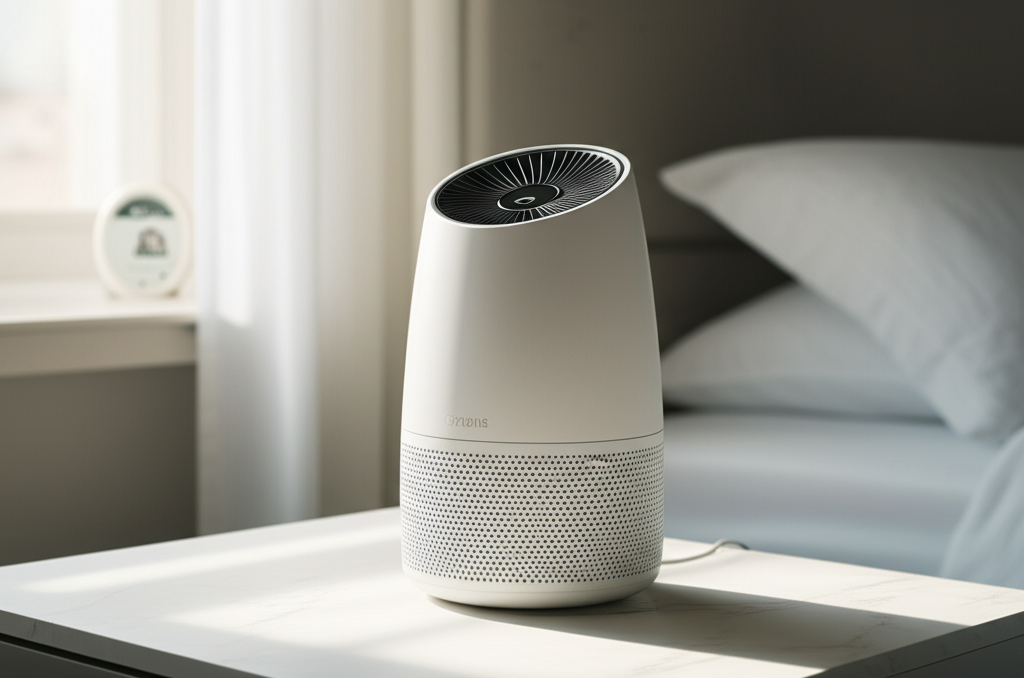
Air purifiers work by drawing in surrounding air, passing it through a series of filters, and then releasing cleaner air back into your personal space. The most crucial filter for allergy sufferers is the High-Efficiency Particulate Air (HEPA) filter, which is designed to capture at least 99.97% of airborne particles as small as 0.3 microns. This includes most common allergens, making HEPA filtration essential for effective relief.
Key Features to Look For in the Best Personal Air Purifier for Allergies
When selecting a personal air purifier, several features are paramount for allergy sufferers. Prioritizing these will ensure you get a device that effectively tackles your specific needs and provides the relief you deserve.
HEPA Filtration: The Gold Standard for Allergy Relief
A true HEPA filter is non-negotiable when seeking the best personal air purifier for allergies. This certification guarantees that the filter meets rigorous standards for particle capture. Look for descriptions like “True HEPA” or “Medical-Grade HEPA” to ensure maximum effectiveness against microscopic allergens.
Activated Carbon Filters: Tackling Odors and VOCs
While HEPA filters excel at capturing particles, activated carbon filters are vital for absorbing odors, gases, and volatile organic compounds (VOCs). These can be emitted from cleaning products, furniture, and even cooking, and can further irritate allergy and asthma sufferers. A combination of HEPA and activated carbon offers comprehensive air cleaning.
CADR (Clean Air Delivery Rate): Measuring Performance
The Clean Air Delivery Rate (CADR) indicates how quickly an air purifier can clean a room of specific pollutants. While personal purifiers are designed for smaller areas, a higher CADR generally means more efficient air cleaning. Look for ratings for smoke, dust, and pollen to gauge a purifier’s effectiveness against common allergens.
Noise Level: Ensuring Peaceful Sleep and Work
Personal air purifiers are often used in bedrooms or workspaces, making noise level a critical consideration. Many purifiers offer multiple fan speeds, including a quiet “sleep mode.” Aim for a unit that operates below 40 decibels on its lowest setting to avoid disturbing your peace.
Coverage Area and Portability: Where Will You Use It?
Consider the size of the space you intend to purify. While “personal” suggests a small area, some units are better suited for a bedside table, while others can effectively clean a small office cubicle. Portability is also key if you plan to move the purifier between rooms or take it to work or on travels.
Top Picks: Best Personal Air Purifiers for Allergies in [Current Year]
After extensive research and considering user reviews, here are some of the best personal air purifiers for allergies that offer proven relief and excellent value. These models consistently receive high marks for their filtration capabilities, quiet operation, and user-friendly design.
Coway AP-1512HH Mighty: A Powerful All-Rounder
The Coway AP-1512HH Mighty is a popular choice for its robust performance in a compact design. It features a multi-stage filtration system, including a True HEPA filter and an activated carbon filter, effectively capturing allergens, pollutants, and odors. Its intelligent auto mode adjusts fan speed based on air quality, and it’s known for its quiet operation.
Levoit Core 300: Compact and Effective for Small Spaces
For those with limited space, the Levoit Core 300 is an excellent option. This small yet mighty air purifier boasts a three-stage filtration system, including a True HEPA filter, making it highly effective against common allergens. It’s also remarkably quiet, especially on its lowest setting, and features a sleek, modern design.
Winix 5500-2: Advanced Features for Enhanced Relief
The Winix 5500-2 is a slightly larger personal air purifier but offers advanced features that allergy sufferers will appreciate. Its True HEPA filter, washable pre-filter, and PlasmaWave technology work together to capture 99.97% of airborne pollutants, while also neutralizing viruses and bacteria. Its auto mode and air quality sensor make it an intelligent choice for consistent clean air.
Blueair Blue Pure 411 Auto: Energy Efficient and Quiet
The Blueair Blue Pure 411 Auto stands out for its energy efficiency and exceptionally quiet operation. It uses a unique combination of mechanical and electrostatic filtration to capture particles, including allergens, while consuming minimal power. Its compact size and simple one-button control make it incredibly user-friendly.
How to Maximize the Effectiveness of Your Personal Air Purifier
Simply purchasing a personal air purifier isn’t enough; proper placement and maintenance are crucial for optimal allergy relief. Following these tips will ensure your device works at its best.
Strategic Placement for Maximum Impact
Position your personal air purifier in the area where you spend the most time, such as your bedside table, desk, or favorite reading chair. Ensure there’s adequate space around the unit for air to circulate freely, typically at least a foot or two from walls or furniture. Avoid placing it directly on soft surfaces like carpets or beds, as this can impede airflow.
Regular Filter Maintenance: A Non-Negotiable Task
The effectiveness of your air purifier hinges on its filters. True HEPA filters typically need replacement every 6-12 months, depending on usage and air quality. Activated carbon filters may need replacing more frequently. Always refer to the manufacturer’s instructions for specific replacement schedules and filter types.
Understanding Filter Replacement Indicators
Many modern personal air purifiers come equipped with filter replacement indicators that alert you when it’s time for a change. These indicators are usually based on runtime, but in areas with particularly poor air quality, you might need to replace filters sooner. Regularly checking the appearance of your filters can also give you a clue.
Are Personal Air Purifiers Worth It for Allergy Sufferers?
For many individuals battling allergies, the answer is a resounding yes. The targeted relief offered by a personal air purifier can significantly improve sleep quality, reduce daytime symptoms, and enhance overall well-being by creating a localized zone of cleaner air. While they won’t replace the need for whole-house solutions if your allergies are severe, they provide an accessible and effective way to manage symptoms in your immediate environment.
Comparing Personal vs. Whole-Room Air Purifiers
While whole-room air purifiers are excellent for treating the air throughout your home, personal units offer distinct advantages for targeted relief. They are more affordable, require less space, and are ideal for specific areas like your workspace or bedroom. If you primarily suffer from allergies while sleeping or working, a personal unit is a highly effective solution.
Frequently Asked Questions About Personal Air Purifiers for Allergies
Q1: How often should I replace the HEPA filter in my personal air purifier?
A1: Most manufacturers recommend replacing True HEPA filters every 6 to 12 months. However, this can vary based on the purifier’s usage, the air quality in your environment, and the specific filter’s lifespan. Always check your purifier’s manual for the most accurate recommendation.
Q2: Can a personal air purifier really help with pet allergies?
A2: Yes, a personal air purifier with a True HEPA filter is highly effective at capturing pet dander, a common trigger for pet allergies. By cleaning the air directly around you, it can significantly reduce your exposure to these microscopic allergens.
Q3: Do I need an air purifier with an activated carbon filter if I don’t have odor problems?
A3: Even if you don’t notice strong odors, an activated carbon filter is beneficial for allergy sufferers. It helps capture VOCs and gases emitted from common household items, which can also irritate respiratory systems and exacerbate allergy symptoms.
Q4: How much noise can I expect from a personal air purifier?
A4: Noise levels vary by model and fan speed. Most personal air purifiers are designed to be quiet, especially on lower settings, often operating between 20-40 decibels, comparable to a whisper or quiet library. Many include a “sleep mode” for near-silent operation.
Q5: Can I use a personal air purifier in my car?
A5: Yes, many personal air purifiers are designed to be compact and portable, making them suitable for use in cars. Ensure the model you choose has a reliable power source (like a car adapter) and is securely placed to prevent movement while driving.
Q6: What’s the difference between a HEPA filter and a “HEPA-type” or “HEPA-like” filter?
A6: A “True HEPA” filter is certified to capture at least 99.97% of airborne particles 0.3 microns in size. “HEPA-type” or “HEPA-like” filters may capture a similar percentage of larger particles but do not meet the same strict standards for smaller allergens. Always look for “True HEPA” for the best allergy relief.
Conclusion: Breathe Freely with the Right Personal Air Purifier for Allergies
Living with allergies doesn’t mean you have to suffer in silence or discomfort. Investing in the best personal air purifier for allergies can provide targeted, proven relief, transforming your immediate environment into a sanctuary of clean air. By understanding the key features like True HEPA filtration, considering your specific needs, and maintaining your device properly, you can effectively combat allergens and reclaim your comfort. Don’t let sneezing, itching, and congestion dictate your day; take control of your air quality and breathe easier, knowing you’ve made a smart choice for your health and well-being.

