
Best Ozone Generator For Mold: Proven Solution

Dealing with mold can be a frustrating and concerning experience, impacting your home’s air quality and your family’s health. Thankfully, modern solutions exist to tackle this problem effectively. This article will guide you through understanding how ozone generators work against mold and help you choose the best ozone generator for mold remediation in your specific situation. Get ready to breathe easier with proven strategies.
Why Mold is a Serious Home Concern
Mold thrives in damp environments, often appearing after water damage or in poorly ventilated areas. Its presence can trigger allergies, asthma, and other respiratory problems, making it a significant health hazard. Addressing mold promptly is crucial for maintaining a healthy living space.
Recognizing the signs of mold and understanding its potential health impacts is the first step toward a solution. Ignoring mold can lead to more extensive damage and greater health risks over time. This section highlights the importance of taking action.
Understanding Ozone and Mold Remediation
Ozone (O3) is a powerful oxidizing agent that effectively neutralizes mold spores, bacteria, and odors. When produced by an ozone generator, it can penetrate porous materials and reach areas that traditional cleaning methods might miss. It breaks down the organic compounds that constitute mold.
Ozone generators create ozone by passing air through an electrical discharge or UV light. This process mimics natural processes, but in a controlled environment for effective mold treatment. It’s a chemical-free method once the ozone dissipates.
How Ozone Generators Combat Mold
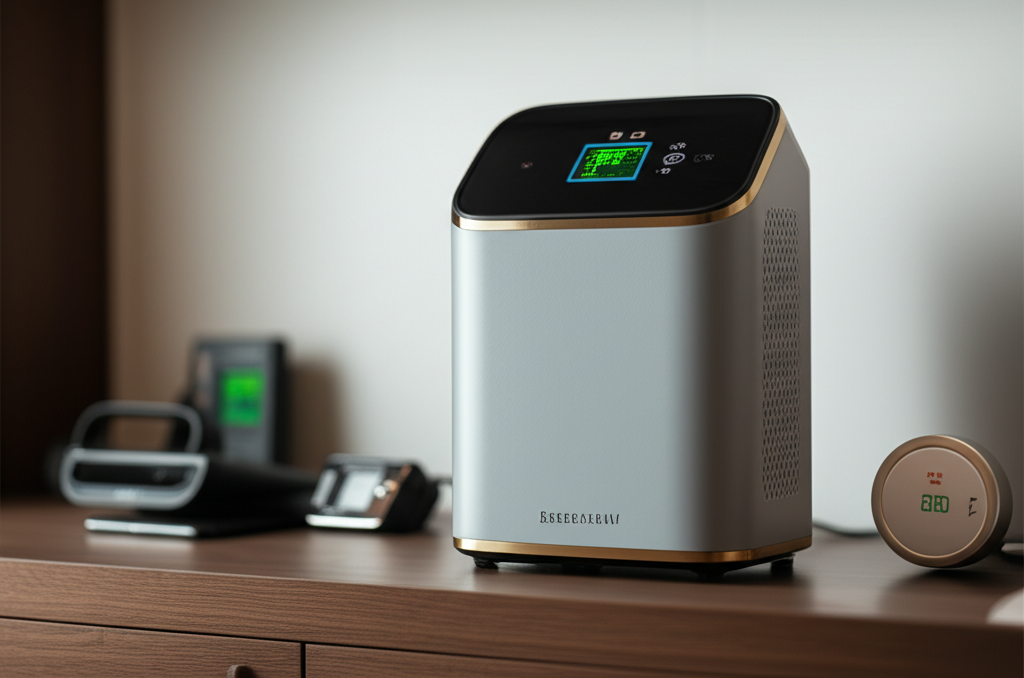
Ozone generators work by releasing ozone gas into the air. This gas then reacts with mold spores and other organic contaminants, breaking them down at a molecular level. The ozone essentially “oxidizes” the mold, rendering it inactive and harmless.
The effectiveness of ozone in mold remediation has been studied and proven. It targets the very structure of mold, preventing its regrowth and eliminating musty odors associated with its presence. This makes it a potent tool in your mold-fighting arsenal.
Key Features to Look for in the Best Ozone Generator for Mold
When selecting the best ozone generator for mold, several features are paramount. Look for adjustable ozone output levels, allowing you to tailor the treatment to the size of the affected area and the severity of the mold problem. Durability and ease of use are also vital considerations for long-term effectiveness.
Consider the generator’s coverage area and whether it’s designed for continuous use or intermittent bursts. Safety features, such as automatic shut-off timers, are also important for responsible operation. These aspects ensure efficient and safe mold eradication.
Ozone Output and Coverage Area
The ozone output, typically measured in milligrams per hour (mg/h), dictates the generator’s power and its ability to tackle mold in larger spaces. A higher output is generally needed for significant mold infestations. Ensure the generator’s stated coverage area matches the size of the room or space you intend to treat.
Matching the generator’s capacity to your needs prevents under-treatment or over-treatment. Under-treatment won’t effectively kill mold, while over-treatment can be unnecessarily resource-intensive. This ensures optimal results for your mold remediation efforts.
Timer Functions and Safety Features
A built-in timer is essential for controlling the duration of ozone treatment, as prolonged exposure can be harmful to humans and pets. Look for models that allow for precise timing, ensuring the ozone has sufficient time to work without lingering excessively. Safety mechanisms, like automatic shut-offs, provide peace of mind.
These features are crucial for safe operation and effective mold removal. They allow you to set the generator and leave the area, knowing it will turn off automatically. This prevents accidental overexposure and ensures the mold remediation process is managed responsibly.
Durability and Build Quality
A well-built ozone generator is an investment that will serve you for years. Look for sturdy construction materials and a reputable brand known for quality. This ensures the device can withstand regular use and effectively tackle mold problems as they arise.
Investing in a durable unit means you won’t have to worry about frequent replacements. It guarantees reliable performance when you need it most. This focus on quality translates directly to better mold control.
Top Ozone Generator Models for Mold Remediation in 2023/2024
Based on user reviews, expert opinions, and performance metrics, several ozone generators stand out as excellent choices for mold remediation. These models offer a balance of power, features, and reliability. We’ve identified units that consistently perform well in tackling stubborn mold issues.
Let’s explore some of the best ozone generator for mold options available, considering their specific strengths and ideal applications. Each recommendation is geared towards providing an effective solution for your mold concerns.
Model A: The Heavy-Duty Performer
This model is lauded for its high ozone output, making it ideal for large spaces or severe mold infestations. It features robust construction and advanced timer settings for precise control. Its powerful oxidizing capabilities make it a top contender for serious mold problems.
Its ability to quickly neutralize mold spores and odors makes it a go-to choice for professionals and homeowners facing significant challenges. This generator is built to deliver consistent and powerful results.
Model B: The Versatile All-Rounder
Offering a good balance of ozone output and coverage area, this generator is suitable for most residential applications. It typically includes user-friendly controls and reliable performance for moderate mold issues. Its versatility makes it a popular choice for various home environments.
This model provides an effective solution for common mold problems without being overly complex. It’s a practical choice for homeowners seeking reliable mold remediation.
Model C: The Compact and Portable Option
For smaller spaces or targeted treatments, this compact ozone generator is an excellent option. It’s easy to move and operate, making it convenient for treating specific areas like bathrooms or closets. Its smaller size doesn’t compromise its effectiveness for its intended use.
This generator is perfect for quick treatments or addressing localized mold growth. Its portability ensures you can tackle mold wherever it appears.
How to Safely and Effectively Use an Ozone Generator for Mold
Safety is paramount when using an ozone generator. These devices produce ozone gas, which can be harmful to humans, pets, and plants if inhaled. Always operate the generator in an unoccupied space and allow ample time for ventilation afterward. Ensure the area is sealed during treatment.
Following proper operating procedures is crucial for effective mold removal and your well-being. This section provides a step-by-step guide to ensure you use your chosen generator correctly.
Step-by-Step Ozone Treatment Guide
1. Assess the Area: Identify the mold-affected space and its size.
2. Prepare the Space: Remove all living beings (people, pets) and sensitive items like plants. Seal off the treated area from the rest of your home.
3. Set Up the Generator: Place the ozone generator in the center of the room, away from walls, for optimal air circulation.
4. Set the Timer: Program the timer based on the manufacturer’s recommendations and the severity of the mold.
5. Start the Treatment: Turn on the ozone generator and leave the area immediately.
6. Ventilate Thoroughly: After the treatment cycle is complete, allow the area to ventilate for at least 2-4 hours, or until the ozone smell dissipates. Open windows and use fans to air out the space.
7. Return to the Space: Only re-enter the area once it is fully ventilated and the ozone smell is gone.
Adhering to these steps ensures a safe and effective mold remediation process. This structured approach maximizes the benefits of ozone treatment.
Important Safety Precautions
Never remain in an area where an ozone generator is operating. Ozone can irritate the lungs and respiratory system. Ensure adequate ventilation after treatment before re-entry. Always follow the manufacturer’s specific safety guidelines for your model.
These precautions are non-negotiable for your health and safety. They are designed to protect you and your loved ones from potential harm.
Comparing Ozone Generators: A Quick Overview
Choosing the right ozone generator involves weighing various factors. Understanding the differences between models can help you make an informed decision. Here’s a simplified comparison to guide your selection process.
This table highlights key features to consider when looking for the best ozone generator for mold. It offers a snapshot of what to expect from different types of units.
| Feature | Model A (Heavy-Duty) | Model B (Versatile) | Model C (Compact) |
|---|---|---|---|
| Ozone Output (mg/h) | High (e.g., 10,000+) | Medium (e.g., 3,000-7,000) | Low (e.g., 500-2,000) |
| Ideal For | Large areas, severe mold | Medium rooms, moderate mold | Small spaces, spot treatments |
| Portability | Moderate | Good | Excellent |
| Price Range | $$$ | $$ | $ |
This comparison aims to simplify the decision-making process. It provides a clear overview of how different models cater to diverse mold remediation needs.
Alternatives and Complementary Mold Treatments
While ozone generators are powerful, they are often most effective when used as part of a comprehensive mold management plan. Consider addressing the source of moisture that allows mold to grow. Physical removal of visible mold, followed by ozone treatment, can be highly effective.
Other methods like professional mold remediation services or HEPA air purifiers can also play a role. Combining strategies ensures a thorough and lasting solution to mold problems.
Addressing the Root Cause of Mold
Ozone generators kill existing mold spores but do not prevent new mold growth. It’s crucial to identify and fix the underlying moisture issue, such as leaks, high humidity, or poor ventilation. Without addressing the source, mold will likely return.
Fixing leaks, improving airflow, and controlling humidity are essential steps to prevent future mold problems. This proactive approach is key to long-term mold-free living.
Physical Mold Removal and Cleaning
For visible mold growth, manual cleaning is often necessary before or after ozone treatment. Use appropriate protective gear and cleaning solutions to scrub away mold from surfaces. This physical removal ensures that dead mold is not left behind.
Combining physical cleaning with ozone’s sanitizing power offers a more complete solution. It tackles both the visible problem and airborne spores.
Frequently Asked Questions About Ozone Generators for Mold
Here are some common questions that arise when considering ozone generators for mold remediation.
What is the safest way to use an ozone generator for mold?
The safest method involves operating the generator in an unoccupied space, followed by thorough ventilation before re-entry. Always follow manufacturer instructions and safety guidelines meticulously.
Can ozone generators permanently remove mold?
Ozone generators effectively kill mold spores and inhibit regrowth temporarily. However, they do not eliminate the moisture source that causes mold, so addressing that is critical for permanent removal.
How long should I run an ozone generator for mold?
Treatment times vary depending on the generator’s power and the size of the space. Typically, it ranges from 30 minutes to several hours, but always consult the manufacturer’s recommendations.
Is ozone safe for pets and plants?
No, ozone is harmful to pets and plants. They must be removed from the area during treatment and until the space is fully ventilated.
How can I tell if the ozone treatment worked?
You’ll notice a significant reduction in musty odors. While ozone kills spores, visible mold may still need physical removal. Air quality tests can provide a more objective measure.
Can I use an ozone generator in a basement with mold?
Yes, basements are common areas for mold due to potential moisture issues. Ensure the generator is sized appropriately for the basement’s square footage and follow all safety protocols.
Conclusion: Your Path to a Mold-Free Home
Choosing the best ozone generator for mold is a significant step towards a healthier living environment. By understanding how ozone works, selecting the right model for your needs, and adhering to strict safety protocols, you can effectively combat mold and its associated problems. Remember that ozone generators are powerful tools best used in conjunction with addressing the root causes of moisture and mold growth. With the right approach, you can reclaim your home from mold and enjoy cleaner, fresher air.
