Best Ozone Generator for Cold Plunge: Essential Guide

Discover the best ozone generator for cold plunge systems to ensure pristine water quality, enhance hygiene, and optimize your recovery experience. This guide covers everything from understanding ozone’s benefits to choosing the right unit for your needs, ensuring a cleaner, safer, and more effective cold plunge.
Cold plunging is gaining popularity for its incredible health benefits, from reducing inflammation to boosting mood. However, keeping your cold plunge water clean and hygienic can be a challenge. Stagnant water can quickly become a breeding ground for bacteria and algae, diminishing the experience and potentially posing health risks. Fortunately, the best ozone generator for cold plunge applications offers a powerful, natural solution to maintain water purity and enhance your recovery sessions.
Why Ozone is the Ultimate Water Purifier for Your Cold Plunge
Ozone (O3) is a powerful oxidant that effectively neutralizes bacteria, viruses, mold, and other contaminants in water. Unlike chlorine, it leaves no harmful byproducts, breaking down into pure oxygen. This makes it an ideal choice for sensitive individuals and for maintaining the integrity of your cold plunge water without harsh chemicals.
Ozone generators produce ozone gas, which is then introduced into your cold plunge water. This process naturally disinfects the water, preventing the growth of unwanted microorganisms. It’s a sustainable and highly effective method for keeping your plunge safe and refreshing.
Understanding the Benefits of Ozone for Cold Plunge Water
Using an ozone generator for your cold plunge offers significant advantages over traditional chemical treatments. It works rapidly to break down organic matter and disinfect the water, ensuring a cleaner and healthier environment for your recovery rituals. This natural purification process can also help reduce that unpleasant “stagnant water” smell.
The primary benefit is superior sanitation, eliminating up to 99.9% of common waterborne pathogens. This means you can enjoy your cold plunge with greater peace of mind, knowing the water is as clean as possible. Furthermore, ozone’s ability to oxidize impurities can lead to clearer water, enhancing the visual appeal and overall sensory experience of your cold plunge.
Key Features to Look For in a Cold Plunge Ozone Generator
When searching for the best ozone generator for cold plunge systems, several features are crucial. You’ll want a unit that is specifically designed for water purification and offers adjustable ozone output to match the volume of your cold plunge. Durability and ease of installation are also important considerations for long-term use.
Consider models with built-in timers or smart controls, allowing you to schedule ozone production cycles. This ensures efficient purification without constant monitoring. Look for units made with corrosion-resistant materials, as they will be exposed to moisture and potentially varying water conditions. The best ozone generator for cold plunge setups will also be energy-efficient.
Adjustable Ozone Output and Flow Rate
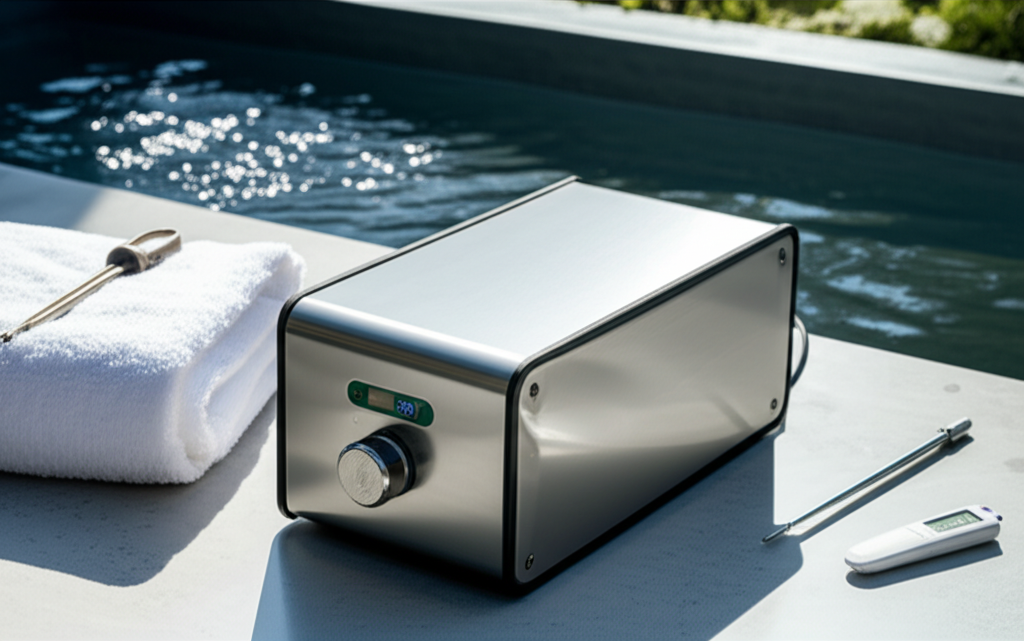
The ability to adjust the ozone output is paramount for tailoring the purification process to your specific cold plunge size. Too little ozone may not be effective, while too much can be wasteful or even unnecessary. A controllable flow rate ensures the ozone is dispersed effectively throughout the water volume.
Matching the ozone output to your water volume prevents over-ozonation, which is generally not harmful but inefficient. It ensures you’re using the right amount of ozone for optimal sanitation without excess. This feature is critical for achieving the perfect balance of purity and resource management in your cold plunge.
Durability and Material Construction
Your ozone generator will be operating in a humid environment, often near water. Therefore, robust construction is non-negotiable. Look for units built with high-quality, water-resistant materials that can withstand consistent exposure to moisture and temperature fluctuations. This ensures longevity and reliable performance.
Corrosion-resistant components, such as stainless steel or high-grade plastics, are essential. A well-built ozone generator will resist degradation over time, meaning fewer replacements and consistent purification power for your cold plunge. This investment in quality pays dividends in the long run.
Ease of Installation and Maintenance
The best ozone generator for cold plunge use should be straightforward to install and maintain. Complex setups can be daunting, especially for those new to water purification systems. Simple, intuitive designs minimize hassle and allow you to enjoy the benefits of ozone more quickly.
Look for models that come with clear instructions and all necessary fittings. Routine maintenance should be minimal, perhaps involving occasional cleaning of the ozone outlet or replacement of an air filter if applicable. A user-friendly experience is key to adopting and consistently using this technology.
Top Ozone Generator Models for Cold Plunge Enthusiasts
Selecting the right ozone generator can feel overwhelming with so many options available. I’ve researched several top contenders that stand out for their performance, reliability, and suitability for cold plunge applications. These models are known for effectively purifying water and offering features that cater to dedicated cold plunge users.
Here are some of the best ozone generator for cold plunge choices, considering factors like output, build quality, and user reviews. Each offers a slightly different approach, so you can find one that best fits your specific cold plunge setup and needs.
Model A: The Compact Powerhouse
This model is praised for its small footprint yet powerful ozone output, making it ideal for smaller to medium-sized cold plunges. It’s incredibly easy to set up and operate, often requiring just a few minutes to get running. Its efficiency means it can quickly sanitize your water, reducing downtime between plunges.
The unit features adjustable settings, allowing you to fine-tune the ozone production for optimal results. Many users appreciate its quiet operation, ensuring it doesn’t disrupt the tranquil experience of cold plunging. It’s a solid choice for those prioritizing simplicity and effective purification.
Model B: The Feature-Rich Professional
For those who demand more control and advanced features, this professional-grade ozone generator is an excellent option. It typically offers a wider range of ozone output levels and sophisticated control mechanisms, such as digital timers and diagnostic indicators. This allows for highly customized water treatment protocols.
Its robust construction ensures long-term durability, even with frequent use. While it might have a higher initial cost, the advanced capabilities and reliability make it a worthwhile investment for serious cold plunge practitioners. This model exemplifies what the best ozone generator for cold plunge setups can offer in terms of performance.
Model C: The Eco-Friendly Choice
This generator focuses on energy efficiency and sustainable operation. It delivers effective ozone production while consuming minimal power, appealing to environmentally conscious users. Its design prioritizes longevity and reduced waste, making it a responsible choice for your cold plunge hygiene.
It often includes features like automatic shut-off timers and low-maintenance components. The purification efficacy is still top-notch, ensuring your water remains clean and safe without a significant environmental footprint. This model proves that powerful purification can also be eco-friendly.
How to Install and Operate Your Ozone Generator
Installing and operating your new ozone generator is a straightforward process, designed to get you enjoying pure cold plunge water quickly. The goal is to introduce the ozone gas safely and effectively into your water system, maximizing its sanitizing power.
Always refer to the manufacturer’s specific instructions for your chosen model. However, the general steps involve connecting the ozone generator to your cold plunge’s water circulation system and setting the desired operating parameters. Proper setup ensures optimal performance and longevity of your unit.
Step-by-Step Installation Guide
1. Choose a Location: Select a dry, well-ventilated area near your cold plunge. Avoid placing it directly in water or where it can get splashed.
2. Connect the Tubing: Attach the provided ozone-resistant tubing from the generator’s outlet to the water intake or a designated injection point in your cold plunge system. Ensure a secure, leak-free connection.
3. Connect the Power: Plug the ozone generator into a grounded electrical outlet. If your unit has a timer, set it according to your desired purification schedule.
4. Prime the System (if applicable): Some systems may require a brief period of water circulation to prime the ozone injection.
5. Test the Output: Once powered on and running, you should observe ozone bubbles being injected into the water. Check for any unusual noises or error lights.
Following these steps will help ensure your ozone generator is properly integrated into your cold plunge setup. A correct installation is the first step towards achieving pristine water quality.
Operating Your Ozone Generator Effectively
Once installed, operating your ozone generator efficiently is key to maintaining clean water. The goal is to balance effective purification with the longevity of your generator and the quality of your plunge experience. Understanding its operational cycles is crucial.
Most ozone generators for cold plunges are designed to run intermittently, rather than continuously. This allows the ozone to work its magic without saturating the water, which can be inefficient and potentially affect the water’s taste or smell. Scheduled operation ensures consistent sanitation.
Setting Your Ozone Schedule
The ideal operating schedule depends on factors like your cold plunge’s water volume, how frequently you use it, and ambient temperature. A common recommendation is to run the ozone generator for a few hours each day, perhaps during times when the plunge is not in use.
For example, running it overnight or for 2-4 hours in the morning and evening can be very effective. Experimentation might be needed to find the perfect balance for your specific setup. Many modern units come with programmable timers, making this process simple and automated.
Monitoring and Adjusting Settings
Regularly monitor your cold plunge water for clarity and any signs of microbial growth. If you notice cloudiness or unusual odors, you may need to adjust the ozone output or extend the operating time. Conversely, if you notice a strong ozone smell lingering, you might be over-ozonating and can reduce the settings.
The best ozone generator for cold plunge users often provides visual cues or indicators for optimal operation. Pay attention to these and trust your senses to ensure the water remains clean, fresh, and inviting. Consistent monitoring ensures your system is always performing at its best.
Comparing Ozone Generators: Features and Pricing
When comparing different ozone generators, it’s helpful to look at a range of features against their price points. The “best” option often balances advanced capabilities with affordability, ensuring you get excellent value for your investment in water purity.
Understanding the trade-offs between different models will help you make an informed decision that suits your budget and performance expectations for your cold plunge. Here’s a look at how some common features correlate with price.
Feature vs. Price Matrix
Here’s a general comparison of features you might find in various ozone generators and how they typically influence the price:
| Feature | Impact on Price | Typical Price Range (USD) |
|---|---|---|
| Basic Ozone Output (Fixed) | Lower | $50 – $150 |
| Adjustable Ozone Output | Moderate | $100 – $250 |
| Digital Timer/Programmable Settings | Moderate to High | $150 – $300 |
| Corrosion-Resistant Materials | Moderate | $120 – $280 |
| Advanced Diagnostics/Smart Controls | High | $250 – $500+ |
| High Water Volume Capacity | High | $200 – $400+ |
This table provides a general guide; actual prices can vary significantly based on brand reputation, specific technologies, and retailers. The best ozone generator for cold plunge use often sits in the mid-to-high range, offering a good balance of features and durability.
Understanding Ozone Output Ratings (mg/h)
Ozone generators are typically rated by their ozone output in milligrams per hour (mg/h). This number indicates how much ozone the unit can produce. For cold plunges, the required output depends heavily on the water volume and how often it’s used.
A smaller cold plunge (e.g., 50-100 gallons) might effectively use a generator rated at 50-100 mg/h. Larger volumes or more frequent use might necessitate a higher output, perhaps 100-200 mg/h or more. Always consult the manufacturer’s recommendations for your specific cold plunge size.
Alternatives to Ozone Generators for Cold Plunge Water
While ozone generators are a top-tier solution, other methods can help maintain cold plunge water hygiene. Understanding these alternatives provides a comprehensive view of your options for keeping your plunge water clean and safe.
Each method has its own set of pros and cons regarding effectiveness, cost, and environmental impact. Exploring these can help you decide if ozone is the best fit for you, or if a combination of methods might be more suitable.
UV Sterilization
Ultraviolet (UV) sterilizers use UV-C light to inactivate bacteria, viruses, and other microorganisms. They are effective at killing pathogens as water passes through the UV chamber. UV systems are chemical-free and do not alter water chemistry.
However, UV light only treats water that passes through it, so it doesn’t provide residual disinfection within the entire water volume. It’s often used in conjunction with other methods. The best ozone generator for cold plunge setups often offers a more comprehensive sanitization approach.
Chemical Sanitizers (Chlorine/Bromine)
Traditional chemical sanitizers like chlorine and bromine are widely used in pools and hot tubs. They effectively kill a broad spectrum of microorganisms and provide a residual level of disinfection in the water. They are also readily available and relatively inexpensive.
The downsides include potential skin and eye irritation, a strong chemical odor, and the risk of forming harmful disinfection byproducts. For cold plunges, where direct skin contact is prolonged, the chemical residue can be particularly undesirable for many users seeking natural benefits. This is where ozone truly shines as a cleaner alternative.
Filtration Systems
High-quality filtration systems, such as those with fine micron filters or activated carbon, can remove particulate matter and some organic impurities from the water. They help keep the water clear and reduce the load on sanitizing systems. Regular filter cleaning or replacement is essential for effectiveness.
Filtration alone is not sufficient for disinfecting water, as it cannot remove microscopic pathogens. It’s best used as a complementary treatment to a primary sanitizing method like ozone. A good filter is a supporting player to the best ozone generator for cold plunge hygiene.
Safety Precautions When Using Ozone Generators
While ozone is a powerful natural purifier, it’s essential to use ozone generators safely. Ozone gas can be harmful to breathe in high concentrations. Proper handling and installation are key to ensuring a safe and beneficial experience with your cold plunge.
Always prioritize safety by following manufacturer guidelines and understanding the properties of ozone. This ensures that you reap the benefits of purified water without any health risks. Safety should always be the top priority when integrating any new technology into your wellness routine.
Handling Ozone Gas
Never inhale ozone gas directly. Ensure your ozone generator is installed in a well-ventilated area, especially if it’s used indoors or in an enclosed space. If you detect a strong, persistent ozone smell, it may indicate a leak or that the unit is producing more ozone than needed.
In such cases, turn off the unit and ventilate the area thoroughly. For cold plunges, the ozone is typically injected into the water and quickly dissipates, but it’s crucial to avoid direct exposure to concentrated ozone gas during operation or maintenance.
Electrical Safety
As with any electrical appliance used near water, electrical safety is paramount. Ensure your ozone generator is plugged into a properly grounded outlet. Use a GFCI (Ground Fault Circuit Interrupter) outlet for added protection against electrical shock.
Keep the generator and its power cord away from direct contact with water. Inspect the cord and plug regularly for any signs of damage. Following these electrical safety tips will prevent accidents and ensure reliable operation of your system.
Maintaining Your Cold Plunge with an Ozone Generator
Integrating the best ozone generator for cold plunge use is a proactive step towards maintaining pristine water quality. Consistent operation and minimal maintenance will ensure your plunge is always ready for optimal recovery. Think of it as an investment in your well-being.
Regular attention to your generator and plunge water will maximize the benefits of ozone purification. This ensures a consistently clean, safe, and refreshing cold plunge experience every time you take the plunge.
Regular Water Testing
While ozone is highly effective, it’s still a good practice to periodically test your cold plunge water. Simple test strips can check for pH levels and the presence of any residual contaminants. This helps confirm that your ozone generator is working optimally and maintaining the desired water balance.
Pay attention to the water’s clarity and smell. If you notice any degradation, it might be time to check your ozone generator’s settings or schedule. These simple checks ensure you’re always getting the most out of your purification system.
Generator Maintenance
Most ozone generators require very little maintenance. This typically involves cleaning the ozone outlet or replacing an air intake filter if your model has one. Always follow the manufacturer’s specific maintenance schedule to ensure peak performance and longevity.
A clean and well-maintained generator will operate more efficiently and reliably. This prevents potential issues and ensures that your investment continues to provide clean water for your cold plunge for years to come. It’s a small effort for significant returns in water quality.
Frequently Asked Questions (FAQ)
How often should I run my ozone generator for a cold plunge?
For most cold plunges, running the ozone generator for 2-4 hours per day, or in timed cycles, is usually sufficient. The exact frequency depends on water volume, usage, and ambient temperature. It’s best to consult your generator’s manual for specific recommendations.
Will ozone leave a smell in my cold plunge?
Ozone has a distinct, fresh, clean smell, often described as being similar to the air after a thunderstorm. A faint smell is normal and indicates the ozone is working. However, a strong, persistent ozone odor might suggest over-ozonation or a leak, and the area should be ventilated.
Can I use an ozone generator with a filter?
Yes, using an ozone generator with a filter is highly recommended. Filtration removes particulate matter, allowing the ozone to work more effectively on dissolved contaminants and pathogens. They work together to provide superior water quality.
Is ozone safe for my skin during a cold plunge?
Ozone breaks down into oxygen quickly, and when used correctly in a cold plunge, the residual ozone levels are very low. This makes it safe for skin contact, unlike harsh chemicals like chlorine that can cause irritation. It’s a much gentler purification method.
How long does an ozone generator last?
The lifespan of an ozone generator varies by model and usage, but most high-quality units can last anywhere from 3 to 10 years. The ozone-producing component (often a ceramic plate or UV bulb) may need replacement sooner, typically after 1-3 years, depending on the technology used.
What is the best ozone output (mg/h) for my cold plunge?
The ideal output depends on your cold plunge’s water volume. For smaller plunges (under 100 gallons), 50-100 mg/h might suffice. Larger volumes or more frequent use may require 100-200 mg/h or higher. Always check the manufacturer’s guidelines.
Conclusion
Choosing the best ozone generator for your cold plunge is a significant step towards ensuring a clean, safe, and invigorating recovery experience. By understanding the power of ozone, the key features to look for, and proper operation, you can confidently select a unit that meets your needs. Investing in a quality ozone generator means investing in better health and a superior cold plunge practice.
The best ozone generator for cold plunge enthusiasts offers a natural, effective way to maintain water purity without harsh chemicals. Embrace this technology to elevate your cold plunging routine, enjoying the benefits of pristine water with every immersion. Your body will thank you for it.