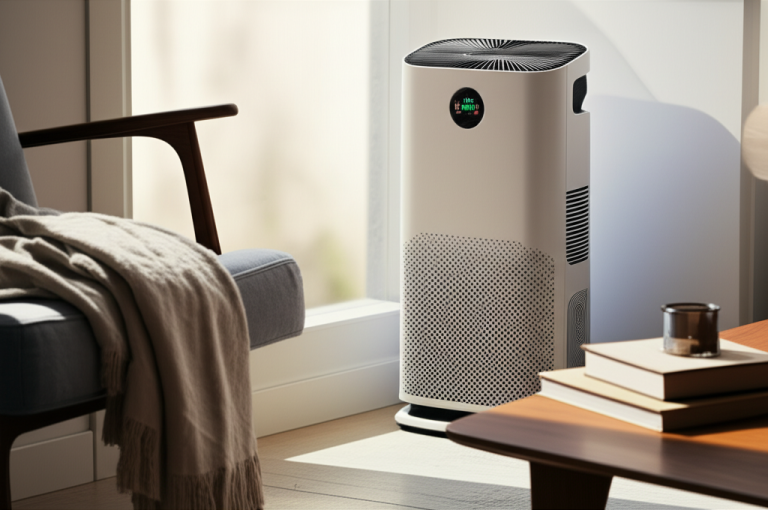
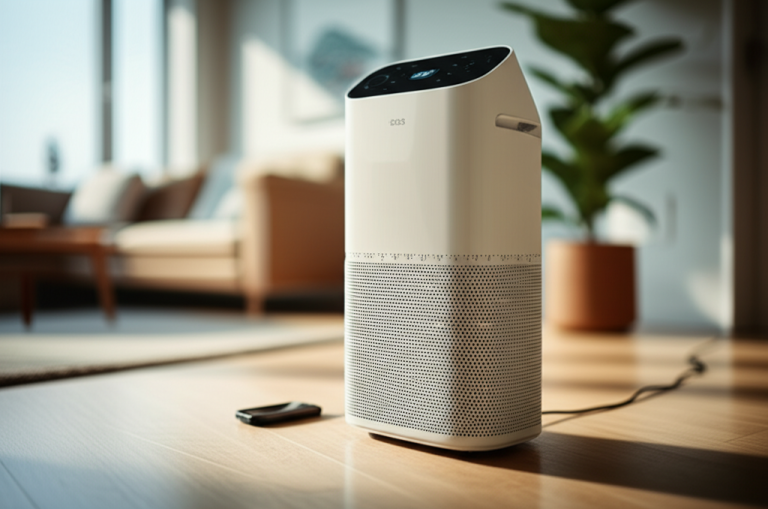
Best Ozone Free Air Purifier: Genius Health Solution

Breathe easy with the best ozone-free air purifier, a genius health solution designed to remove pollutants without harmful byproducts. Discover how these advanced systems safeguard your family’s well-being, ensuring cleaner, healthier air for your home.
Best Ozone Free Air Purifier: Your Genius Health Solution for a Cleaner Home
Finding the right air purifier can feel overwhelming, especially with so many options and technical jargon. Many devices promise cleaner air but can inadvertently release ozone, a lung irritant. This guide is here to simplify your search, focusing on the best ozone-free air purifiers that truly deliver a genius health solution. We’ll explore how these purifiers work, what to look for, and which models stand out, ensuring you make an informed choice for a healthier living environment.
Why Ozone-Free Air Purification is Crucial for Your Health
Ozone, even at low levels, can irritate your respiratory system, worsen asthma and other lung conditions, and damage lung tissue. While some air purifiers use ionization or UV-C light, which can produce ozone as a byproduct, the best ozone-free air purifiers employ advanced filtration technologies to avoid this risk. Choosing an ozone-free model is a smart, proactive step towards safeguarding the air your family breathes every day.
Understanding Air Purifier Technologies: Ozone vs. Ozone-Free
Air purifiers use various methods to clean the air, including HEPA filters, activated carbon, UV-C light, and ionization. Ionizers and some UV-C lamps can create ozone. The best ozone-free air purifiers rely primarily on mechanical filtration (like HEPA) and adsorption (like activated carbon) to capture pollutants without generating harmful byproducts. This distinction is vital for health-conscious consumers seeking pure, safe air.
HEPA Filtration: The Gold Standard for Ozone-Free Purification
High-Efficiency Particulate Air (HEPA) filters are designed to capture at least 99.97% of airborne particles as small as 0.3 microns. This includes dust, pollen, pet dander, mold spores, and even some bacteria and viruses. Because HEPA filters work mechanically, they do not produce ozone, making them a cornerstone of any effective ozone-free air purifier.
Activated Carbon Filters: Tackling Gases and Odors
While HEPA filters excel at trapping particles, activated carbon filters are crucial for removing gases, volatile organic compounds (VOCs), and odors. The porous nature of activated carbon adsorbs these airborne chemicals, effectively neutralizing smells from cooking, pets, and household chemicals. Combined with HEPA, it creates a comprehensive purification system without ozone.
UV-C Light and Ionizers: Proceed with Caution
UV-C light can be effective at killing germs, but it can sometimes produce ozone. Similarly, ionizers release negative ions that attach to pollutants, causing them to fall out of the air, but they can also generate ozone. Always look for purifiers that are certified as ozone-free or have specific technology to minimize or eliminate ozone production if they incorporate these features.
Key Features to Look for in the Best Ozone Free Air Purifier
When selecting the best ozone-free air purifier, several features contribute to its effectiveness and user experience. Prioritize robust filtration systems, appropriate room coverage, energy efficiency, and quiet operation. Understanding these elements will help you find a purifier that seamlessly integrates into your home and lifestyle.
Coverage Area and CADR Ratings
The Clean Air Delivery Rate (CADR) indicates how quickly an air purifier can clean a room of specific pollutants like smoke, dust, and pollen. Always match the purifier’s CADR rating to the size of your room. A higher CADR means faster purification. For example, a purifier with a high CADR for smoke will be more effective in a room where cooking odors are a concern.
Filter Replacement and Maintenance Costs
Consider the cost and frequency of filter replacements. HEPA and activated carbon filters need to be replaced periodically, typically every 6-12 months, depending on usage and air quality. Factor these ongoing costs into your budget to ensure you can maintain the purifier’s optimal performance over time.
Noise Levels and Sleep Modes
Air purifiers operate at different noise levels, often measured in decibels (dB). Look for models with lower dB ratings for quieter operation, especially for bedrooms or living areas. Many purifiers also feature a sleep mode that reduces fan speed and dims indicator lights for undisturbed rest.
Smart Features and Energy Efficiency
Modern air purifiers often come with smart features like Wi-Fi connectivity, app control, and air quality sensors that automatically adjust settings. Additionally, check for ENERGY STAR certification, which indicates the unit is energy-efficient, saving you money on electricity bills while contributing to environmental sustainability.
Top Ozone Free Air Purifier Models for Different Needs
Choosing the best ozone-free air purifier depends on your specific needs, budget, and room size. Here are some highly-rated models that consistently perform well in delivering clean, safe air without ozone.
Best Overall: Blueair Classic 205 Air Purifier
The Blueair Classic 205 is renowned for its advanced HEPASilent™ technology, which combines electrostatic and mechanical filtration. It effectively captures 99.97% of airborne pollutants while operating at exceptionally low noise levels. This model is ideal for medium-sized rooms and offers excellent energy efficiency, making it a top choice for overall performance and health benefits.
Best Budget-Friendly: Coway AP-1512HH Mighty Air Purifier
The Coway AP-1512HH Mighty is a popular choice for its excellent value and performance. It features a multi-stage filtration system, including a washable pre-filter, activated carbon filter, and True HEPA filter. Its intelligent auto mode and air quality indicator make it user-friendly and effective for small to medium-sized rooms.
Best for Allergies: Levoit Core 300S Smart True HEPA Air Purifier
For allergy sufferers, the Levoit Core 300S offers a powerful True HEPA filter capable of capturing fine dust, pollen, and pet dander. Its compact design and quiet operation make it suitable for bedrooms, while smart features allow for convenient control via a smartphone app. The absence of ozone makes it a safe and effective solution for sensitive individuals.
Best for Large Rooms: Winix HR900 Air Purifier with True HEPA Filter
The Winix HR900 is designed for larger spaces and effectively tackles pet dander, odors, and airborne particles. It features a True HEPA filter, an activated carbon filter, and a PlasmaWave™ technology that is certified to produce no harmful ozone. This makes it a powerful yet safe option for homes with pets or multiple occupants.
Comparing Ozone Free Air Purifier Technologies: A Snapshot
Here’s a quick comparison of the primary filtration methods used in the best ozone-free air purifiers:
| Technology | How it Works | Ozone Production | Effectiveness |
| :—————– | :—————————————– | :————— | :———————————————— |
| True HEPA Filter | Mechanical filtration of particles | None | Excellent for dust, pollen, dander, mold spores. |
| Activated Carbon | Adsorption of gases, odors, and VOCs | None | Excellent for smells and chemical pollutants. |
| Washable Pre-filter | Captures larger particles like hair | None | Extends the life of main filters. |
| Ionization | Releases ions to charge particles | Potential | Can be effective, but ozone risk exists. |
| UV-C Light | Uses ultraviolet light to kill germs | Potential | Effective for sterilization, but ozone risk exists. |
This table highlights why HEPA and activated carbon are the preferred choices for truly ozone-free operation.
The Genius of Ozone Free Air Purifiers: Beyond Basic Filtration
The true genius of these purifiers lies in their ability to deliver superior air quality without introducing new health concerns. They meticulously remove allergens, pollutants, and odors using proven, safe technologies. This ensures that the air you breathe is not just cleaner, but genuinely healthier for everyone in your household, especially children and those with respiratory sensitivities.
Maintaining Your Ozone Free Air Purifier for Peak Performance
Regular maintenance is key to ensuring your best ozone-free air purifier continues to function optimally. This involves cleaning washable filters, replacing disposable filters on schedule, and keeping the unit free from dust. Following the manufacturer’s recommendations will maximize its lifespan and effectiveness.
Cleaning and Replacing Filters
Washable pre-filters should be cleaned regularly, typically once a month, by rinsing them under water. HEPA and activated carbon filters usually cannot be washed and need to be replaced according to the manufacturer’s guidelines, often every 6 to 12 months. Neglecting filter replacement significantly reduces the purifier’s ability to clean the air.
General Unit Care
Keep the exterior of your air purifier clean by wiping it down with a soft, dry cloth. Ensure the air intake and outlet vents are free from obstructions to maintain proper airflow. Avoid placing the unit in direct sunlight or near heat sources, as this can affect its performance and longevity.
Who Benefits Most from an Ozone Free Air Purifier?
Anyone concerned about indoor air quality can benefit, but certain groups stand to gain significantly. Families with young children, individuals with asthma or allergies, pet owners, and those living in urban or polluted areas will find these purifiers particularly valuable. They offer a peace of mind that comes with knowing the air is being purified safely and effectively.
Children and Sensitive Individuals
Children’s developing respiratory systems are more vulnerable to air pollutants. Similarly, individuals with asthma, allergies, or other respiratory conditions can experience exacerbated symptoms from ozone. An ozone-free air purifier provides a critical layer of protection, creating a healthier environment for these sensitive groups.
Pet Owners and Allergy Sufferers
Pets can introduce dander, hair, and odors into the home, while seasonal allergens like pollen can significantly impact allergy sufferers. The robust filtration of an ozone-free air purifier effectively captures these allergens and neutralizes pet-related odors, offering much-needed relief and cleaner living spaces.
Urban Dwellers and Those in Polluted Areas
Outdoor air pollution can easily infiltrate homes, especially in urban environments. An effective ozone-free air purifier acts as a barrier, removing particulate matter, VOCs, and other harmful pollutants that enter from outside, thus improving indoor air quality significantly.
Common Misconceptions About Air Purifiers and Ozone
One common misconception is that all air purifiers that use ionization or UV-C light are inherently bad. While these technologies can produce ozone, many modern units are designed with strict safety standards to minimize or eliminate ozone production, often carrying certifications to prove it. However, for ultimate peace of mind, sticking to HEPA and activated carbon filtration is the safest bet.
Another myth is that air purifiers are only for people with severe health issues. In reality, everyone can benefit from cleaner indoor air, as it reduces exposure to common allergens and pollutants that can cause general discomfort, fatigue, and decreased productivity.
Frequently Asked Questions About Ozone Free Air Purifiers
What exactly is ozone, and why is it bad for air purification?
Ozone is a gas that, at ground level, is a harmful pollutant. When inhaled, it can irritate the lungs, worsen asthma, and cause breathing difficulties. While it can be used for air disinfection in controlled environments, it’s generally not recommended for continuous use in occupied spaces.
How can I be sure an air purifier is truly ozone-free?
Look for certifications from reputable organizations like the California Air Resources Board (CARB). CARB has strict standards for ozone emissions from air cleaning devices. Additionally, choose purifiers that rely on HEPA and activated carbon filtration as their primary cleaning mechanisms.
Do ozone-free air purifiers still remove odors?
Yes, absolutely. The best ozone-free air purifiers typically incorporate activated carbon filters, which are highly effective at adsorbing and neutralizing odors from cooking, pets, smoke, and other sources.
Are there any downsides to using an ozone-free air purifier?
The primary consideration is the ongoing cost of filter replacements. Also, some ozone-free technologies, like HEPA, require regular maintenance to ensure optimal performance. However, the health benefits typically outweigh these minor considerations.
Can an ozone-free air purifier help with viruses and bacteria?
True HEPA filters are effective at capturing airborne bacteria and viruses as small as 0.3 microns. While they don’t actively kill them, they remove them from the air, significantly reducing the risk of airborne transmission within your home.
How often should I run my ozone-free air purifier?
For optimal results, it’s recommended to run your air purifier continuously, especially in areas where you spend the most time. Running it on a lower setting when you are present and a higher setting when you are away or sleeping can help maintain air quality efficiently.
Conclusion: A Genius Solution for Healthier Breathing
Investing in the best ozone-free air purifier is a smart, proactive decision for your family’s health and well-being. By choosing models that prioritize HEPA and activated carbon filtration, you ensure effective removal of pollutants, allergens, and odors without the risk of harmful ozone. These devices offer a genius health solution, providing cleaner, safer air that contributes to a more comfortable and healthier living environment. Make the switch today and breathe easier, knowing you’ve made a choice that truly benefits your home’s atmosphere.