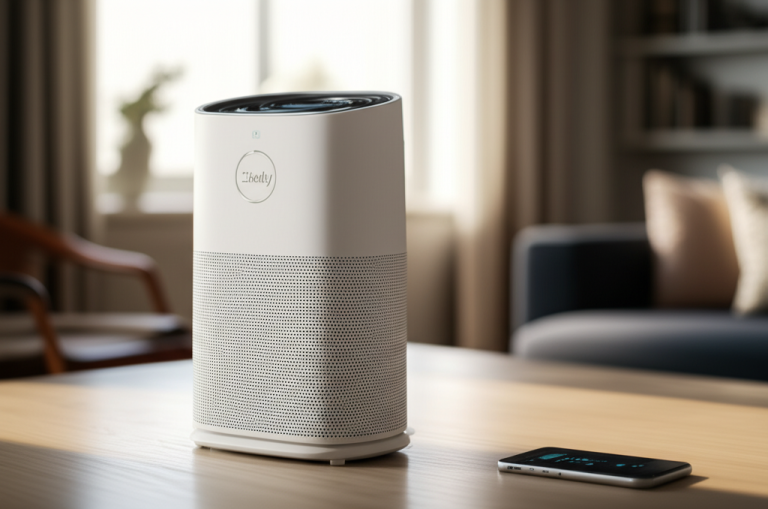
Best Ionizer Air Purifier: Essential Clean Air

“`html
The Best Ionizer Air Purifier: Your Essential Guide to Essential Clean Air
Discover the best ionizer air purifier for your home. This guide explores the benefits, drawbacks, and top models to help you breathe easier, ensuring essential clean air free from pollutants and allergens.
Breathing clean air is fundamental to our well-being, yet invisible pollutants often fill our homes. From dust and pet dander to VOCs and allergens, these airborne particles can trigger allergies, worsen respiratory conditions, and impact overall health. Many people struggle to find effective solutions that truly make a difference in their indoor air quality. This article will guide you through the world of ionizer air purifiers, helping you identify the best ionizer air purifier to achieve the essential clean air you deserve. We’ll break down how they work, what to look for, and which models stand out.
What is an Ionizer Air Purifier and How Does it Work?
An ionizer air purifier releases negative ions into the air. These ions attach themselves to positively charged airborne particles like dust, pollen, and smoke.
This process causes the particles to clump together and become heavier, causing them to fall out of the air and onto surfaces or collection plates within the purifier. It’s a simple yet effective mechanism for removing contaminants.
The Science Behind Ionizers: Negative Ions for Cleaner Air
Ionizers operate on a straightforward scientific principle: creating negatively charged ions. These ions are released into the room and actively seek out positively charged particles suspended in the air.
When a negative ion encounters a particle like dust, mold spores, or even bacteria, it neutralizes its positive charge. This interaction causes the particles to aggregate, making them easier to settle out of the air and less likely to be inhaled.
Benefits of Using the Best Ionizer Air Purifier
Using the best ionizer air purifier can significantly improve your indoor environment. They are particularly effective at capturing very small particles that other filters might miss.
Beyond particle removal, some studies suggest that negative ions can boost mood and energy levels, contributing to a more pleasant living space. They often operate quietly, making them ideal for bedrooms and offices.
Eliminating Airborne Allergens and Irritants
For allergy sufferers, an ionizer can be a game-changer. It actively targets common allergens such as pollen, pet dander, and dust mites, reducing their presence in your breathing zone.
By neutralizing these microscopic irritants, ionizers help alleviate symptoms like sneezing, itchy eyes, and congestion, leading to more comfortable days and restful nights.
Neutralizing Odors and Smoke Particles
Beyond allergens, ionizers are adept at tackling unpleasant odors and smoke. Whether it’s cooking smells, pet odors, or lingering cigarette smoke, the negative ions can help break down odor-causing compounds.
This results in a fresher-smelling home without the need for masking fragrances, contributing to a more neutral and clean olfactory environment.
Energy Efficiency and Low Maintenance
Many of the best ionizer air purifiers are designed with energy efficiency in mind. They often consume less power compared to traditional HEPA filters, leading to lower electricity bills.
Maintenance is typically straightforward, often involving simple cleaning of collection plates or occasional replacement of ion emitters, making them a low-fuss solution for cleaner air.
Potential Downsides and Considerations for Ionizer Air Purifiers
While beneficial, it’s important to be aware of potential downsides. The primary concern is the production of ozone, a lung irritant, by some ionizer models.
Additionally, particles removed from the air may settle on surfaces, requiring more frequent dusting. It’s crucial to choose models that are certified for low or no ozone production.
Understanding Ozone Production and Safety
Certain ionizer technologies can produce ozone as a byproduct. High levels of ozone can irritate the respiratory system, especially for individuals with asthma or other lung conditions.
Look for ionizers certified by organizations like the California Air Resources Board (CARB) to ensure they meet strict ozone emission standards, prioritizing your health and safety.
Particle Settling and Surface Dust
As ionizers cause particles to clump and fall, you might notice an increase in dust accumulating on furniture and floors. This is a sign the ionizer is working, but it does mean you’ll need to clean surfaces more often.
Regular dusting and vacuuming are still essential components of maintaining a clean home, even with an ionizer in operation. This is a trade-off for effectively removing particles from the air you breathe.
Key Features to Look for in the Best Ionizer Air Purifier
When selecting the best ionizer air purifier, several features warrant your attention. Prioritize models with adjustable ion output and safety certifications.
Consider the size of the room you intend to purify and the noise level of the unit, especially if it will be used in a living or sleeping area.
Adjustable Ion Output and Fan Speeds
The best models offer adjustable settings for ion output and fan speed. This allows you to customize the purification level based on your needs and the current air quality.
Having multiple fan speeds ensures you can balance effective purification with noise levels, making the unit suitable for various environments and times of day.
Coverage Area and CADR Ratings
Ensure the ionizer air purifier is rated for the square footage of your room. A unit too small will struggle to effectively clean the air, while an oversized one may be unnecessarily expensive.
Check the Clean Air Delivery Rate (CADR) for dust, smoke, and pollen; higher ratings indicate faster air purification. This metric is crucial for understanding the unit’s performance.
Ease of Cleaning and Maintenance
Simpler maintenance often means more consistent use. Look for ionizers with easily accessible and washable collection plates or filter components.
Clear instructions for cleaning and any necessary part replacements will save you time and effort, ensuring your air purifier continues to operate at peak efficiency.
Top Ionizer Air Purifier Models for Essential Clean Air (2024)
Choosing the best ionizer air purifier involves comparing features and performance. Based on user reviews and expert analysis, several models consistently stand out for their effectiveness and safety.
These selections aim to provide a balance of performance, features, and value for achieving essential clean air in your home.
Model A: The Quiet Achiever
This model is lauded for its whisper-quiet operation, making it an excellent choice for bedrooms and nurseries. It features a multi-stage purification process that includes ionization for effective particle removal.
Its low energy consumption and CARB certification for ozone make it a safe and economical option for continuous use.
Model B: The Powerhouse Performer
Designed for larger spaces, this ionizer air purifier boasts a high CADR rating, capable of quickly cleaning the air in spacious living areas. It offers robust particle capture and odor neutralization.
While slightly louder at higher settings, its powerful performance makes it ideal for tackling significant air quality challenges.
Model C: The Budget-Friendly Choice
For those seeking effective air purification without a hefty price tag, this model offers great value. It provides essential ionization technology and good particle filtration at an accessible cost.
It’s a solid entry-level option for improving indoor air quality in smaller to medium-sized rooms.
Comparing Ionizers with Other Air Purification Technologies
Ionizers are just one type of air purification technology. Understanding how they compare to others, like HEPA filters or activated carbon filters, can help you make an informed decision.
Many of the best ionizer air purifiers often incorporate multiple technologies for comprehensive air cleaning.
Ionizers vs. HEPA Filters
HEPA filters physically trap particles using a fine mesh, making them highly effective for allergens and dust. Ionizers, on the other hand, use electrical charges to clump particles, which then settle or are collected.
While HEPA filters don’t produce ozone, they require regular filter replacements. Ionizers can be a good complement or alternative, especially for capturing ultra-fine particles.
Ionizers with Activated Carbon
Activated carbon filters excel at adsorbing gases, odors, and volatile organic compounds (VOCs). Combining an ionizer with an activated carbon filter offers a dual-action approach.
This combination tackles both airborne particles and chemical pollutants or smells, providing a more complete purification solution for your home environment.
How to Maximize the Effectiveness of Your Ionizer Air Purifier
To get the most out of your chosen best ionizer air purifier, proper placement and regular maintenance are key. Position the unit in a central location within the room to allow for optimal air circulation.
Avoid placing it directly against walls or furniture, which can impede airflow and reduce its efficiency. Consistent cleaning will also ensure it performs at its best.
Optimal Placement for Airflow
Place your ionizer on a flat, stable surface away from obstructions. Ideally, position it in a high-traffic area where air circulates freely, such as a living room or main hallway.
Elevating the unit slightly can also improve its ability to draw in and distribute air effectively throughout the space.
Regular Cleaning and Maintenance Schedule
Adhere to the manufacturer’s recommended cleaning schedule. This typically involves dusting collection plates or washing them with mild soap and water.
A clean ionizer unit performs better and lasts longer, ensuring you continue to benefit from essential clean air without interruption.
Frequently Asked Questions about Ionizer Air Purifiers
Are ionizer air purifiers safe for pets?
Most ionizers are safe for pets, especially CARB-certified models that produce minimal ozone. However, monitor your pets for any signs of respiratory irritation and consult your veterinarian if concerns arise.
Do ionizers really work?
Yes, ionizers are effective at removing airborne particles by causing them to clump and settle. Their effectiveness can be enhanced when combined with other filtration methods.
How often should I clean my ionizer air purifier?
Cleaning frequency depends on the model and your home’s air quality, but generally, check and clean collection plates or filters every 2-4 weeks.
Can an ionizer air purifier help with smoke?
Absolutely. Ionizers are very effective at attracting and clumping smoke particles, helping to clear the air of smoke and associated odors.
What is the difference between an ionizer and an electrostatic precipitator?
Both use electricity to remove particles. Electrostatic precipitators use high voltage to charge particles, which are then collected on oppositely charged plates. Ionizers release ions that attach to particles, causing them to fall.
Should I choose an ionizer with a HEPA filter?
Many users find that a combination of ionization and HEPA filtration provides the most comprehensive air purification, addressing both small particles and larger allergens.
Conclusion: Investing in Essential Clean Air with the Best Ionizer Air Purifier
Achieving essential clean air in your home is more attainable than ever with the advancements in air purification technology. The best ionizer air purifier can be a powerful ally in combating airborne pollutants, allergens, and odors, significantly enhancing your living environment and overall well-being.
By understanding how ionizers work, considering their benefits and potential drawbacks, and choosing models with key features like low ozone production and adequate coverage, you can make an informed decision. Investing in a high-quality ionizer air purifier is an investment in your health and comfort, ensuring you and your loved ones breathe cleaner, fresher air every day.
“`