Best HVAC Air Purifier: Essential Clean Air

Best HVAC Air Purifier: Essential Clean Air for Your Home
Breathe easier with the best HVAC air purifier. This guide explores top options and essential features to ensure your home’s air is clean and healthy, tackling common pollutants and improving overall well-being.
Are you tired of dealing with stuffy air, lingering odors, or allergy symptoms that just won’t quit? The air inside your home can be surprisingly polluted, often more so than outdoor air. Dust, pollen, pet dander, and even microscopic mold spores can circulate through your HVAC system, impacting your health and comfort. Finding the right solution can feel overwhelming, but it doesn’t have to be. This comprehensive guide will walk you through everything you need to know to choose the best HVAC air purifier for your needs, ensuring a breath of fresh air throughout your home.
Why an HVAC Air Purifier is Crucial for Healthy Living
An HVAC air purifier is a vital component for maintaining a healthy indoor environment. It works directly with your heating, ventilation, and air conditioning system to capture airborne contaminants before they spread throughout your home. This proactive approach is far more effective than relying solely on portable units. Investing in the best HVAC air purifier means investing in fewer allergy flare-ups, reduced illness transmission, and a generally more comfortable living space.
Understanding Indoor Air Quality Challenges
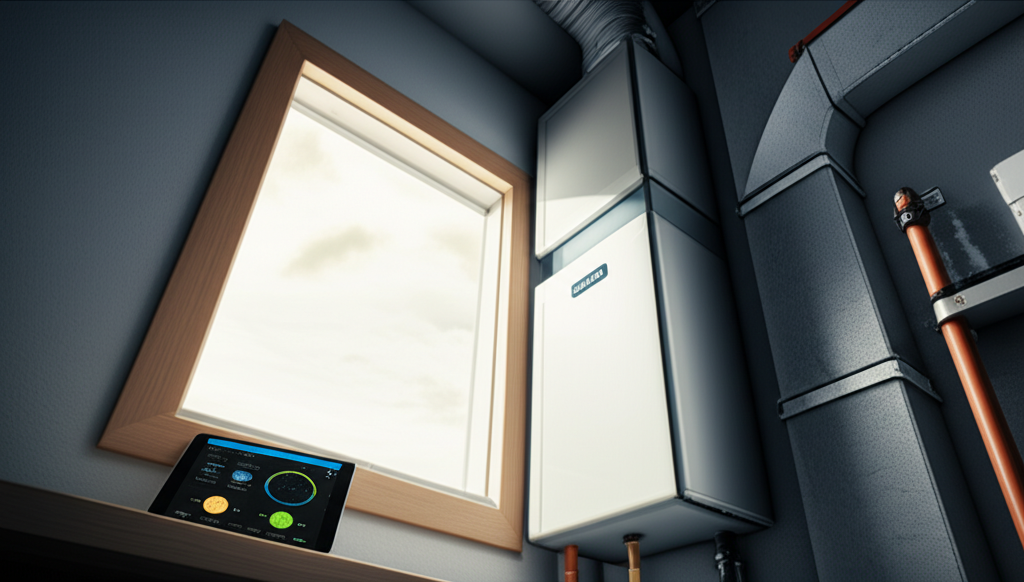
Indoor air quality can be significantly compromised by a variety of sources. Common culprits include volatile organic compounds (VOCs) from cleaning products and furniture, pet dander and hair, dust mites, mold spores, and seasonal allergens like pollen. These particles, even in small amounts, can trigger respiratory issues and allergic reactions in sensitive individuals. Without effective filtration integrated into your HVAC system, these pollutants are continuously recirculated.
The Role of Your HVAC System in Air Purification
Your HVAC system acts as the lungs of your home, constantly circulating air. While it’s designed for climate control, it also plays a significant role in distributing airborne particles. By integrating an air purifier directly into this system, you ensure that every breath of conditioned air is also cleaned. This is a powerful way to tackle indoor air quality issues comprehensively.
Types of HVAC Air Purifiers Explained
When looking for the best HVAC air purifier, you’ll encounter different technologies. Understanding these will help you make an informed decision based on your specific needs and budget. Each type offers a unique approach to filtering or neutralizing airborne contaminants.
HEPA Filters: The Gold Standard in Filtration
High-Efficiency Particulate Air (HEPA) filters are widely recognized for their effectiveness. They are designed to capture at least 99.97% of airborne particles 0.3 microns in size. This includes dust, pollen, mold spores, and pet dander. For those with severe allergies or respiratory conditions, a HEPA filter integrated into your HVAC system is often the best choice for superior air purification.
Activated Carbon Filters: Tackling Odors and VOCs
Activated carbon filters excel at adsorbing odors, gases, and volatile organic compounds (VOCs). They work by using a porous material that traps chemical pollutants. While not as effective as HEPA filters for particulate matter, they are excellent for removing smells from cooking, pets, or smoke, making your home smell fresher. Many HVAC air purifiers combine HEPA and activated carbon layers for comprehensive purification.
UV-C Light Sanitizers: Neutralizing Microorganisms
Ultraviolet-C (UV-C) light technology uses UV radiation to kill or inactivate airborne bacteria, viruses, and mold spores. These systems are often installed within the ductwork. While effective against microorganisms, UV-C lights don’t remove particulate matter or odors. They are best used as a supplementary technology to other filtration methods for a complete solution.
Electronic Air Cleaners: Ionizers and Electrostatic Precipitators
Electronic air cleaners, such as ionizers and electrostatic precipitators, use electrical charges to capture particles. Ionizers release charged ions that attach to airborne particles, causing them to clump together and fall out of the air or stick to surfaces. Electrostatic precipitators create an electrical field that charges particles, which are then collected on oppositely charged plates. These can be effective but may produce ozone, a lung irritant, so choosing models with low or no ozone emission is crucial.
Key Features to Consider for the Best HVAC Air Purifier
Selecting the right HVAC air purifier involves looking beyond just the filtration type. Several features can significantly impact its performance, ease of use, and overall value. I always recommend prioritizing those that offer a balance of effectiveness and convenience.
MERV Rating: Understanding Air Filter Efficiency
MERV stands for Minimum Efficiency Reporting Value. It’s a rating system used to indicate how effectively an air filter captures particles. A higher MERV rating signifies better filtration. For residential HVAC systems, MERV ratings between 8 and 13 are generally recommended for a good balance of filtration and airflow. For superior air purification, look for MERV 13 or higher, especially if you have allergies.
Filter Lifespan and Replacement Costs
The lifespan of an air purifier’s filter is a critical factor in ongoing costs and maintenance. Some filters need replacement every 1-3 months, while others can last 6-12 months or even longer. Consider the cost of replacement filters and how readily available they are. A longer-lasting filter might have a higher upfront cost but can save you money and hassle in the long run.
Airflow and Static Pressure Impact
An air purifier should not significantly impede airflow through your HVAC system. High static pressure can strain your system, reduce efficiency, and even cause damage. Look for purifiers designed to minimize static pressure. Manufacturers usually provide this information, and it’s worth discussing with an HVAC professional if you’re unsure.
Ozone Production: A Critical Safety Consideration
Some air purification technologies, particularly certain electronic air cleaners and ionizers, can produce ozone as a byproduct. Ozone is a lung irritant and can worsen respiratory conditions. When choosing an HVAC air purifier, always opt for models that are certified as low or zero ozone-producing. Organizations like the California Air Resources Board (CARB) certify purifiers for low ozone emissions.
Top HVAC Air Purifier Brands and Models for 2024
Navigating the market for the best HVAC air purifier can be daunting with so many options. Based on expert reviews and user feedback, here are some highly regarded choices that offer excellent performance and reliability. I’ve selected a range of options to suit different needs and budgets.
1. Honeywell Whole House Media Air Cleaner
Honeywell is a trusted name in home comfort, and their whole-house media air cleaners are a popular choice. These units typically use high-efficiency pleated filters that capture a wide range of airborne particles. They are known for their robust construction and effective filtration without significantly impacting airflow.
Pros: High filtration efficiency, durable construction, widely available replacement filters.
Cons: Can be more expensive upfront compared to basic filters.
Best For: Homeowners seeking a reliable, long-term solution for general air purification.
2. Filtrete Whole House Air Filter
Filtrete offers a range of whole-house air filters designed to fit directly into your existing HVAC system. They often boast high MERV ratings and are designed for easy installation and replacement. Many models also incorporate odor-reducing carbon layers.
Pros: Good MERV ratings, easy to find and replace, often includes odor control.
Cons: Some models might require professional installation.
Best For: DIY-friendly homeowners looking for effective particulate and odor reduction.
3. Aprilaire Whole House Air Purifier
Aprilaire is renowned for its high-performance air purification systems. Their whole-house models are designed to capture even microscopic particles and allergens. They offer advanced filtration media and are built for long-term durability and optimal system performance.
Pros: Excellent filtration capabilities, low static pressure design, durable.
Cons: Higher price point, may require professional installation.
Best For: Individuals with severe allergies, asthma, or those prioritizing the highest level of indoor air quality.
4. Lennox Healthy Climate PureAir System
The Lennox Healthy Climate PureAir system is a comprehensive solution that combines HEPA-like filtration with UV-C light and carbon filtration. This multi-stage approach targets particles, odors, and microorganisms, offering a robust defense against a wide array of indoor air pollutants. It’s a premium option for those seeking the ultimate in home air purity.
Pros: Multi-stage purification (particles, odors, UV-C), highly effective.
Cons: Significant investment, requires professional installation and maintenance.
Best For: Those seeking an all-in-one advanced air purification system for maximum health benefits.
Installation and Maintenance: Keeping Your Purifier Working
Proper installation and regular maintenance are key to ensuring your chosen best HVAC air purifier operates at peak efficiency. Even the best unit will underperform if not installed correctly or maintained diligently. Following these steps will help you get the most out of your investment.
Professional Installation vs. DIY
While some basic whole-house filters can be installed by a knowledgeable homeowner, more complex systems like UV lights or integrated purifiers often require professional installation. An HVAC technician can ensure the unit is correctly fitted, sealed, and integrated with your system without compromising airflow or performance. For advanced systems, I always recommend consulting a professional.
Understanding Filter Replacement Schedules
Adhering to the manufacturer’s recommended filter replacement schedule is crucial. Overlooked or clogged filters reduce air quality, strain your HVAC system, and diminish the purifier’s effectiveness. Mark your calendar or set reminders for filter changes. Neglecting this simple step can negate the benefits of having an air purifier in the first place.
Signs Your Air Purifier Needs Attention
Pay attention to your HVAC system’s performance and your home’s air quality. If you notice reduced airflow, your system working harder, or a return of allergy symptoms, it might be time to check your air purifier. A dirty filter can also appear visibly clogged with dust and debris. Regular visual inspections can help identify issues early.
Comparing HVAC Air Purifiers: A Feature Breakdown
To help you visualize the differences between various types of HVAC air purifiers, here’s a comparative table. This outlines key features and their general effectiveness for common indoor air pollutants.
| Feature/Type | HEPA Filter | Activated Carbon Filter | UV-C Light | Electronic Air Cleaner |
| :——————— | :—————————————- | :———————- | :—————- | :——————— |
| Particulate Removal| Excellent (99.97% of 0.3 microns) | Poor | None | Good to Very Good |
| Odor Removal | Moderate (can trap some odor particles) | Excellent | None | Poor |
| VOC Removal | Poor | Excellent | None | Poor |
| Germ/Virus Neutralization | None | None | Excellent | None |
| Ozone Production | None | None | None | Potential Risk |
| Maintenance | Filter Replacement | Filter Replacement | Bulb Replacement | Plate Cleaning |
| Best For | Allergies, dust, pollen | Smells, chemicals | Germs, viruses | General particle capture |
This table highlights that a combination of technologies often provides the most comprehensive solution. For instance, a system that pairs a HEPA filter with activated carbon offers both excellent particle and odor control.
Making the Smart Choice for Your Home’s Air
Choosing the best HVAC air purifier is a significant step towards a healthier home environment. By understanding the different types of purifiers, their features, and maintenance requirements, you can make an informed decision that best suits your family’s needs. Remember to consider factors like MERV rating, filter lifespan, and ozone production.
Don’t underestimate the impact of clean air on your well-being. A well-chosen HVAC air purifier can dramatically reduce allergens, eliminate odors, and protect your family from airborne irritants. It’s an investment in comfort, health, and peace of mind.
Frequently Asked Questions About HVAC Air Purifiers
Here are answers to some common questions I receive about HVAC air purifiers.
What is the difference between a furnace filter and an air purifier?
A standard furnace filter primarily protects your HVAC system from dust and debris. An air purifier, especially one with a high MERV rating or advanced technology, is designed to clean the air you breathe by capturing much smaller particles, allergens, and sometimes even odors and germs.
How often should I replace my HVAC air purifier filter?
This depends on the specific filter and manufacturer recommendations. Typically, standard filters need replacement every 1-3 months, while higher-efficiency media filters might last 6-12 months. Always check your product’s manual for the exact schedule.
Can an HVAC air purifier help with pet dander and odors?
Yes, especially models with HEPA filtration for dander and activated carbon for odors. A good HVAC air purifier can significantly reduce the amount of pet dander circulating in your home and help neutralize lingering pet smells.
Will an air purifier make my HVAC system less efficient?
Some filters can increase static pressure, potentially impacting efficiency. However, reputable HVAC air purifiers are designed to minimize this. Choosing a model with a lower static pressure rating and ensuring it’s correctly installed is key to maintaining system efficiency.
Are UV-C light air purifiers effective in HVAC systems?
UV-C lights are effective at neutralizing airborne bacteria, viruses, and mold spores as air passes over them. However, they do not remove particulate matter like dust or pollen, nor do they address odors. They are best used in conjunction with other filtration methods.
What MERV rating is best for allergies?
For allergy sufferers, MERV 13 or higher is generally recommended. These filters are highly effective at capturing small allergens like pollen, dust mites, pet dander, and mold spores that can trigger allergic reactions.
Conclusion: Investing in Essential Clean Air for Your Home
Choosing the best HVAC air purifier is a proactive step towards creating a healthier and more comfortable living environment. By understanding the various technologies available, from HEPA filters to UV-C lights, and considering key features like MERV ratings and filter lifespan, you can find a solution that effectively tackles your specific indoor air quality concerns. Whether you’re dealing with allergies, pet dander, or simply want to ensure the air you breathe is as clean as possible, integrating a high-quality air purifier into your HVAC system offers a comprehensive and efficient approach. Make the smart choice today for essential clean air and a healthier home for you and your family.