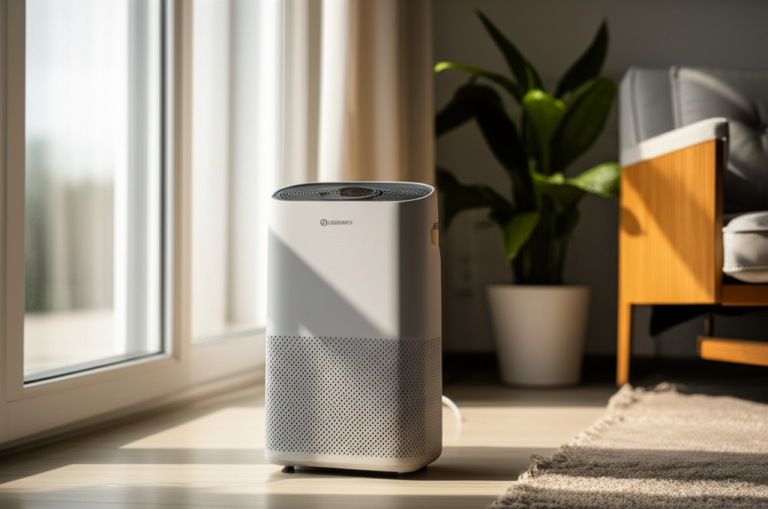
Best Household Air Purifier: Genius Allergy Relief

The best household air purifier can transform your home into an allergy-free sanctuary, efficiently removing airborne irritants for a healthier living space. Discover smart solutions for instant relief.
Breathing freely at home shouldn’t be a luxury, yet for millions, allergies make it a daily struggle. Dust, pollen, pet dander, and even microscopic mold spores can trigger uncomfortable symptoms, turning your sanctuary into a source of irritation. Fortunately, the best household air purifier offers a powerful, proactive solution to capture these allergens and significantly improve your indoor air quality. Let’s explore how to find the perfect air purifier to bring you genuine allergy relief and a breath of fresh air.
Understanding Your Allergy Triggers at Home
Identifying what’s causing your allergies is the first step toward effective relief. Common indoor allergens include dust mites, pet dander, mold spores, and pollen that can sneak in from outside. Understanding these triggers helps you choose an air purifier with the right filtration system to target your specific needs.
The Invisible Culprits: Common Indoor Allergens

Many people experience allergy symptoms indoors without realizing the specific culprits. Dust mites, microscopic creatures found in bedding and carpets, are a primary offender, as is the dander shed by our beloved pets. Mold spores, often found in damp areas, and outdoor pollen tracked indoors also contribute significantly to poor indoor air quality and allergic reactions.
Symptoms of Indoor Allergies
Symptoms can range from mild to severe and often include sneezing, runny or stuffy nose, itchy or watery eyes, and skin rashes. Some individuals may also experience coughing, wheezing, or shortness of breath, particularly those with asthma. These persistent symptoms can significantly impact your quality of life and sleep.
How Air Purifiers Provide Allergy Relief
Air purifiers work by drawing in air from your room, passing it through a series of filters to trap airborne particles, and then releasing cleaner air back into the space. This process directly removes the allergens that trigger your symptoms, offering a tangible solution for a more comfortable home environment.
The Science Behind Cleaner Air
The effectiveness of an air purifier lies in its filtration technology. High-efficiency particulate air (HEPA) filters are the gold standard for capturing tiny particles like pollen, dust mite debris, and pet dander. Activated carbon filters are excellent at absorbing odors and volatile organic compounds (VOCs) that can also exacerbate allergies.
HEPA Filters: The Allergy Warrior
A true HEPA filter is certified to remove at least 99.97% of airborne particles 0.3 microns in size. This includes most common allergens, making it an essential feature for anyone seeking allergy relief. When looking for the best household air purifier, always prioritize models with genuine HEPA filtration.
Key Features to Look for in an Allergy-Focused Air Purifier
When selecting the best household air purifier for allergies, several features stand out. Beyond filtration, consider coverage area, noise level, energy efficiency, and ease of maintenance. These factors ensure the purifier effectively serves your needs without becoming a nuisance.
Coverage Area and CADR Ratings
Ensure the air purifier is rated for the size of the room you intend to use it in. The Clean Air Delivery Rate (CADR) indicates how quickly the unit can filter a room of a certain size. Higher CADR ratings mean faster air cleaning, which is beneficial for allergy sufferers.
Filter Types and Replacement
Look for multi-stage filtration systems that include a pre-filter for larger particles, a HEPA filter for allergens, and an activated carbon filter for odors. Understanding filter replacement schedules and costs is crucial for long-term effectiveness and budget planning. Brands like Coway and Blueair often offer comprehensive filter systems.
Noise Levels and Sleep Modes
Air purifiers can sometimes be noisy, especially on higher settings. Many models offer quiet operation modes or a dedicated sleep mode that reduces fan speed and dims indicator lights. This is important if you plan to use the purifier in a bedroom.
Energy Efficiency and Smart Features
Consider the Energy Star certification for energy efficiency, which can save you money on electricity bills. Smart features like app control, air quality sensors, and automatic fan speed adjustments can enhance convenience and ensure optimal performance.
Top Household Air Purifiers for Allergy Relief
Choosing the best household air purifier can be overwhelming with so many options available. Based on expert reviews and user feedback, several models consistently stand out for their allergy-fighting capabilities. These are designed to effectively capture allergens and improve indoor air quality.
Coway Airmega 200M: A Powerful All-Rounder
The Coway Airmega 200M is frequently praised for its robust filtration system, including a true HEPA filter and an activated carbon filter. It’s suitable for medium to large rooms and boasts a user-friendly design with an air quality indicator. Its quiet operation makes it a great choice for bedrooms.
Blueair Blue Pure 211+ Auto: Simplicity and Performance
This model is known for its sleek design and simple operation. It features a unique, washable pre-filter and a high-performance particle filter that captures allergens effectively. The Auto mode adjusts fan speed based on detected air quality, making it a smart and efficient choice.
Levoit Core 300S: Compact and Smart
For smaller spaces or as a supplementary unit, the Levoit Core 300S offers excellent value. It features a three-stage filtration system, including a HEPA filter, and smart capabilities via a mobile app. Its compact size and quiet operation are major advantages.
Honeywell HPA300: A Household Staple
The Honeywell HPA300 is a popular choice for its strong performance in medium to large rooms. It effectively captures allergens and odors with its HEPA and activated carbon filters. Its straightforward controls and reliable performance make it a trusted option for allergy relief.
Advanced Technologies in Modern Air Purifiers
Beyond basic filtration, newer air purifiers incorporate advanced technologies to enhance their allergy-fighting prowess. These innovations aim to capture even finer particles, neutralize pollutants, and provide a more comprehensive solution for a healthier home environment.
Ionizers and UV-C Light: Pros and Cons
Some air purifiers use ionizers to charge particles, making them easier to capture, or UV-C light to kill germs and mold. While these can be effective, it’s crucial to ensure they don’t produce ozone, which can be a lung irritant. Always opt for ozone-free certified models.
Smart Sensors and Auto Modes
Modern air purifiers often come equipped with sensors that detect air quality in real-time. They can automatically adjust fan speed to tackle sudden increases in pollutants, such as when cooking or when pets are active. This intelligent operation ensures continuous protection against allergens.
Maintaining Your Air Purifier for Optimal Performance
To ensure your best household air purifier continues to deliver effective allergy relief, regular maintenance is essential. This involves cleaning or replacing filters as recommended by the manufacturer. Neglecting maintenance can reduce the unit’s efficiency and even lead to secondary air quality issues.
Filter Replacement Schedule
Check your air purifier’s manual for the recommended filter replacement schedule. Typically, HEPA filters need replacing every 6-12 months, while carbon filters may need more frequent changes. Some models have filter indicator lights to remind you.
Cleaning Your Air Purifier
Regularly dust the exterior of your air purifier and vacuum the pre-filter if it’s washable. This prevents dust buildup that can impede airflow and reduce the unit’s effectiveness. Always unplug the unit before cleaning.
Where to Place Your Air Purifier for Maximum Impact
The placement of your air purifier significantly influences its ability to clean the air in your home. Strategic positioning ensures optimal airflow and effective circulation of purified air, maximizing its benefits for allergy sufferers.
Centralized Placement in High-Traffic Areas
For general air purification, place the unit in a central location within the room where air can circulate freely. Avoid placing it directly against walls or furniture, as this can obstruct airflow and reduce efficiency. Living rooms and common areas are ideal.
Bedroom Placement for Sleep Quality
In bedrooms, placing the air purifier near your bed can provide the most direct relief while you sleep. Ensure it’s on a stable surface and set to its quietest mode to avoid disturbing your rest. This ensures you breathe cleaner air throughout the night.
Air Purifiers vs. Other Allergy Solutions
While air purifiers are a powerful tool, they work best as part of a comprehensive allergy management strategy. Understanding how they complement other methods can lead to even greater relief and a healthier home environment for everyone.
Complementing Household Cleaning Routines
Regular vacuuming with a HEPA filter vacuum, dusting with microfiber cloths, and washing bedding frequently are crucial for reducing allergen buildup. An air purifier then captures any remaining airborne particles that escape these cleaning efforts. Learn more about effective home cleaning for allergies.
When to Consider Professional Air Duct Cleaning
For severe mold issues or extensive dust buildup, professional air duct cleaning might be necessary. This addresses the source of allergens within your home’s ventilation system, working in tandem with your air purifier for a more thorough solution.
Frequently Asked Questions About Air Purifiers for Allergies
Here are answers to common questions about using air purifiers to combat allergies.
Q1: How often should I run my air purifier?
A: For optimal allergy relief, it’s recommended to run your air purifier continuously, especially in rooms where you spend the most time. Many models are energy-efficient, and continuous operation ensures consistent air cleaning.
Q2: Can air purifiers help with pet allergies?
A: Yes, air purifiers with true HEPA filters are highly effective at capturing pet dander, a common trigger for pet allergies. They also help reduce pet odors with activated carbon filters.
Q3: Do air purifiers really make a difference for allergies?
A: Absolutely. By removing airborne allergens like pollen, dust mites, and dander, air purifiers can significantly reduce allergy symptoms and improve your overall comfort at home.
Q4: Are ozone-generating air purifiers safe for allergy sufferers?
A: No, ozone can be a lung irritant and is generally not recommended, especially for individuals with respiratory issues or allergies. Look for ozone-free certified models.
Q5: How do I know which size air purifier I need?
A: Check the CADR rating and the manufacturer’s recommended room size coverage. Choose a unit rated for a slightly larger room than you have for maximum effectiveness.
Q6: How long do HEPA filters last in an air purifier?
A: True HEPA filters typically last between 6 to 12 months, depending on usage and the air quality in your home. Always refer to the manufacturer’s guidelines for replacement.
Conclusion: Breathe Easier with the Right Air Purifier
Investing in the best household air purifier is a proactive step towards managing allergies and reclaiming a healthier, more comfortable living space. By understanding your triggers, choosing a model with robust HEPA filtration, and maintaining it properly, you can significantly reduce airborne irritants. A well-chosen air purifier offers a quiet, effective solution, allowing you and your family to breathe easier and enjoy your home without the constant burden of allergies. Make the smart choice for your well-being today.