Best Home Air Purifier For Pets: Essential Guide

Find the best home air purifier for pets to combat dander, odors, and allergens, ensuring a fresher, healthier living space for you and your furry companions.
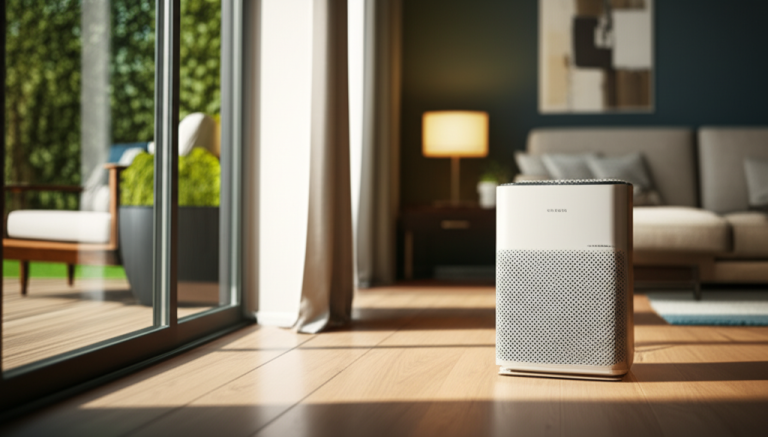
The joy of having pets often comes with a less desirable side effect: airborne dander, stubborn odors, and lingering allergens. If you’re constantly battling sneezing fits or that distinct “pet smell,” you’re not alone. Finding the right air purifier can significantly improve your home’s air quality, creating a more comfortable environment for everyone. This guide will walk you through everything you need to know to select the best home air purifier for pets.
Why Pets Need Air Purifiers
Pets, while beloved members of our families, can introduce various airborne particles into your home. Their dander, shed fur, and even saliva can become allergens, triggering reactions in sensitive individuals. Furthermore, their natural body odors can permeate your living space, creating an unpleasant atmosphere. An air purifier acts as a crucial tool to combat these issues.
Understanding Air Purifier Technologies for Pet Owners
Different air purifier technologies tackle pet-related air pollutants in unique ways. Understanding these can help you make an informed choice for your home. Each technology offers specific benefits for pet owners seeking cleaner air.
HEPA Filters: The Gold Standard for Allergens
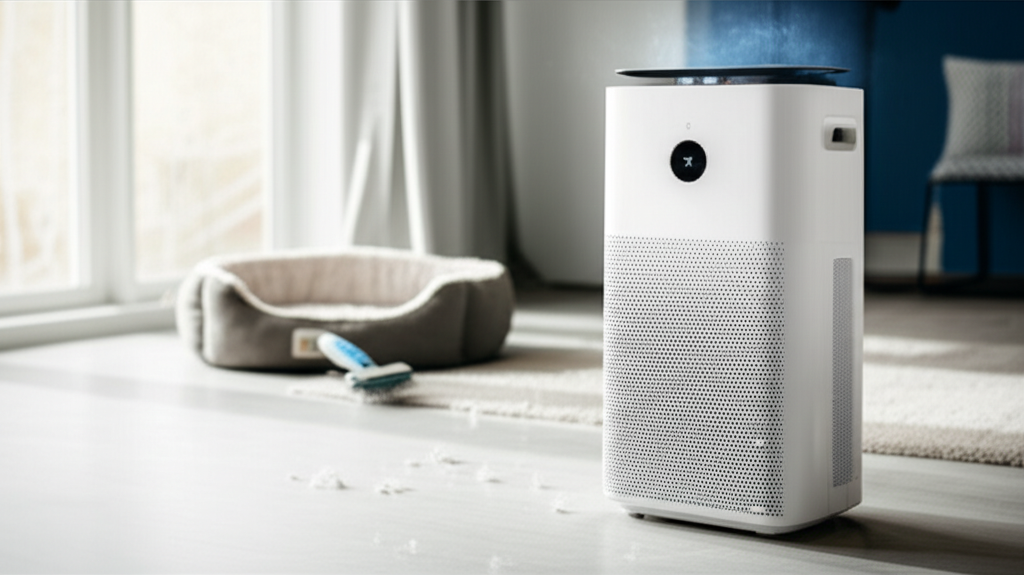
True HEPA (High-Efficiency Particulate Air) filters are essential for pet owners. They are designed to capture at least 99.97% of airborne particles as small as 0.3 microns. This includes pet dander, pollen, dust mites, and mold spores, which are common culprits behind allergies. A HEPA filter is your primary defense against these microscopic invaders.
Activated Carbon Filters: Tackling Odors and VOCs
While HEPA filters trap particles, activated carbon filters excel at absorbing odors and volatile organic compounds (VOCs). Pet odors, litter box smells, and chemical fumes from cleaning products can all be neutralized by the porous structure of activated carbon. Look for purifiers with substantial carbon filters for effective odor control.
Pre-filters: The First Line of Defense
A washable pre-filter is invaluable for pet owners. It captures larger particles like pet hair and fur before they reach the HEPA filter. This not only extends the life of your more expensive filters but also makes maintenance simpler. Regular cleaning of the pre-filter is key to maintaining optimal performance.
Ionizers and UV-C Light: Additional Benefits
Some air purifiers include ionizers, which release negative ions to help particles clump together and fall out of the air, and UV-C light technology, which can help kill airborne bacteria and viruses. While these can offer supplementary benefits, it’s crucial to ensure they don’t produce ozone, which can be harmful. Always prioritize HEPA and carbon filtration.
Key Features to Look For in a Pet Air Purifier
When selecting the best home air purifier for pets, several features are paramount. These specifications will determine how effectively the unit performs in your unique environment. Consider these points carefully before making your purchase.
CADR Ratings: Performance Metrics You Need to Know
Clean Air Delivery Rate (CADR) is a standardized measure of how quickly an air purifier can clean a room of specific pollutants. Look for high CADR ratings for smoke, dust, and pollen. A higher CADR generally means the purifier will be more effective in larger rooms or for dealing with significant pet-related air quality issues.
Room Size Coverage: Matching Purifier to Space
It’s vital to choose an air purifier rated for the square footage of the room you intend to use it in. An undersized unit will struggle to adequately clean the air, while an oversized one might be unnecessarily noisy or expensive. Always check the manufacturer’s recommended room size.
Noise Level: Quiet Operation for Peace
Pet owners often run air purifiers continuously. Therefore, noise level is a significant consideration. Look for models with low decibel (dB) ratings, especially for bedrooms or living areas. Many purifiers offer a “sleep mode” for ultra-quiet operation during the night.
Filter Replacement Costs and Frequency
Air purifiers require ongoing maintenance, primarily filter replacements. Factor in the cost and lifespan of replacement HEPA and carbon filters when budgeting for your purchase. Some units have indicator lights to remind you when it’s time for a change.
Smart Features and Controls
Modern air purifiers often come with smart features like app control, air quality sensors, and automatic fan speed adjustments. These can enhance convenience and ensure your purifier is always operating efficiently. Features like auto mode can be particularly helpful for maintaining consistent air quality.
Top Picks for the Best Home Air Purifier for Pets
After extensive research, here are some of the best home air purifiers for pets that consistently deliver excellent performance. These models are chosen for their robust filtration systems, effective odor control, and suitability for homes with furry friends.
Coway Airmega 200M: A Reliable All-Rounder
The Coway Airmega 200M is a popular choice for its excellent HEPA filtration and substantial activated carbon filter. It’s designed for medium to large rooms and features an air quality sensor that automatically adjusts fan speed. Its quiet operation and durable build make it a top contender.
Blueair Blue Pure 411 Auto: Compact Powerhouse
For smaller spaces or bedrooms, the Blueair Blue Pure 411 Auto offers impressive performance in a compact design. It utilizes a combination of mechanical and electrostatic filtration (HEPASilent technology) to capture allergens and odors effectively. The auto mode and simple controls are a bonus.
Levoit Core 300S: Smart and Budget-Friendly
The Levoit Core 300S is a fantastic option for those seeking smart features without breaking the bank. It boasts a three-stage filtration system including a HEPA filter and an activated carbon filter, making it highly effective against pet dander and odors. The VeSync app allows for remote control and scheduling.
Winix 5500-2: Advanced Filtration for Larger Spaces
The Winix 5500-2 is a workhorse for larger rooms, offering a True HEPA filter, washable AOC carbon filter, and PlasmaWave technology (which can be turned off). It effectively tackles pet dander, odors, and other airborne pollutants, making it a comprehensive solution for pet owners. Its performance justifies its slightly larger footprint.
How to Maximize Your Air Purifier’s Effectiveness with Pets
Simply buying a great air purifier isn’t enough; proper placement and maintenance are key to maximizing its benefits for your pet-friendly home. These steps will help you get the most out of your investment.
Strategic Placement for Optimal Airflow
Place your air purifier in a location where it can effectively circulate air. Avoid corners or behind furniture that can obstruct airflow. Placing it in high-traffic areas where your pet spends most of its time can be particularly beneficial.
Regular Filter Maintenance is Crucial
Adhere to the manufacturer’s recommended schedule for cleaning pre-filters and replacing HEPA and carbon filters. Clogged filters drastically reduce efficiency and can even become a source of new odors. Consistent maintenance is non-negotiable for a pet owner.
Combine with Other Pet-Friendly Cleaning Habits
Air purifiers are part of a broader strategy for a clean home. Regular vacuuming with a HEPA filter vacuum, frequent grooming of your pets, and immediate cleanup of accidents will further reduce airborne contaminants and odors. A multi-pronged approach yields the best results.
Troubleshooting Common Air Purifier Issues with Pets
Even the best home air purifier for pets can encounter challenges. Understanding common issues and their solutions will ensure your unit continues to perform optimally. Here’s how to tackle them.
Persistent Odors Despite Filtration
If odors persist, ensure your carbon filter is still effective and not saturated. Consider a model with a larger or more robust carbon filter. Also, check that the pre-filter is clean, as accumulated hair can trap odors.
Reduced Airflow or Performance
This is often a sign of clogged filters. Check and clean or replace your pre-filter and HEPA filter. Ensure the unit’s intake and output vents are clear of obstructions.
Unusual Noises from the Unit
Strange noises could indicate a loose fan or debris caught in the fan blades. Unplug the unit and gently check for any obstructions. If the noise persists, contact the manufacturer.
Comparing Popular Air Purifier Brands for Pet Owners
Several brands have established themselves as leaders in the air purification market, particularly for pet owners. Understanding their strengths can guide your decision-making process. Each brand offers unique selling points tailored to different needs.
| Brand | Key Strengths for Pets | Considerations |
|————–|——————————————————|—————————————————–|
| Coway | Excellent HEPA filtration, strong odor control | Can be pricier, filter replacement costs |
| Blueair | Quiet operation, efficient particle capture | Some models rely on electrostatic charge (potential ozone) |
| Levoit | Smart features, budget-friendly, good carbon filter | Smaller room coverage for some models |
| Winix | Comprehensive filtration, good for larger spaces | Larger unit size, PlasmaWave technology is optional |
| Honeywell | Wide availability, durable, often good value | May lack some advanced smart features |
This table provides a quick overview, but always check specific model details before purchasing.
Frequently Asked Questions About Air Purifiers for Pets
Q1: How often should I replace the filters in my pet air purifier?
A: Filter replacement frequency varies by model and usage, but generally, HEPA filters should be replaced every 6-12 months, and carbon filters every 3-6 months. Always follow the manufacturer’s recommendations.
Q2: Can air purifiers eliminate pet dander completely?
A: Air purifiers significantly reduce pet dander in the air, but they cannot eliminate it entirely. Consistent use combined with regular cleaning is necessary to manage dander effectively.
Q3: Are air purifiers safe for cats and dogs?
A: Yes, most air purifiers are safe for pets. However, avoid models that produce ozone, as it can be harmful to respiratory systems. Always place purifiers out of reach of curious pets to prevent damage.
Q4: Which type of filter is most important for pet odors?
A: Activated carbon filters are crucial for eliminating pet odors, as they absorb and neutralize smell-causing molecules. A robust carbon filter is key for a fresh-smelling home.
Q5: How do I choose the right size air purifier for my home?
A: Select a purifier with a CADR rating and room coverage that matches or slightly exceeds the square footage of the room where it will be used. This ensures efficient air cleaning.
Q6: Can air purifiers help with pet allergies?
A: Absolutely. By capturing allergens like dander, pollen, and dust mites, air purifiers can significantly alleviate allergy symptoms for sensitive individuals.
Conclusion: Breathe Easier with the Best Home Air Purifier for Pets
Investing in the best home air purifier for pets is a game-changer for any household with furry companions. By understanding the different technologies, key features, and proper maintenance, you can ensure your home remains a clean, fresh, and healthy sanctuary for both you and your beloved pets. Make the smart choice today for a happier, healthier tomorrow.