Best HEPA Room Air Purifier For Allergies: Proven Relief

Best HEPA Room Air Purifier for Allergies: Proven Relief for a Breathable Home
Breathe easier with the best HEPA room air purifier for allergies. Discover top-rated models and essential features to effectively capture allergens like pollen, dust mites, and pet dander, ensuring a healthier indoor environment and significant relief from allergy symptoms.
Living with allergies can feel like a constant battle. Sneezing fits, itchy eyes, and a perpetually stuffy nose can significantly impact your quality of life. Fortunately, the best HEPA room air purifier for allergies offers a powerful solution. These devices are specifically designed to capture microscopic allergens, transforming your home into a sanctuary. Let’s explore how to find the perfect purifier to bring you proven relief.
What Makes a HEPA Air Purifier the Best for Allergy Sufferers?
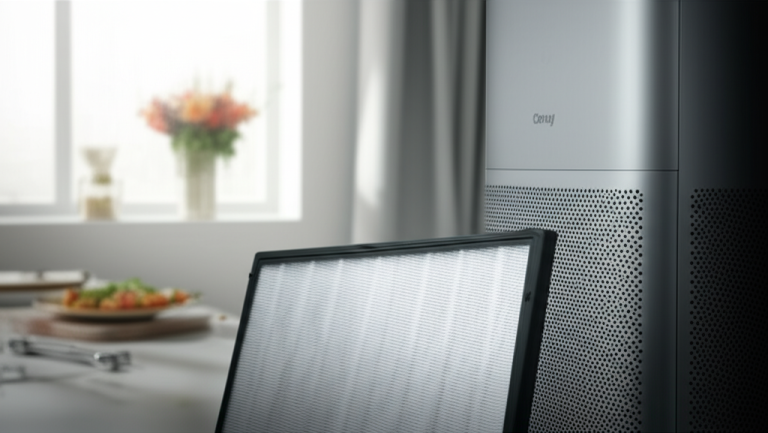
A true HEPA (High-Efficiency Particulate Air) filter is the gold standard for allergy relief. It’s certified to capture at least 99.97% of airborne particles as small as 0.3 microns. This includes common allergens like pollen, dust mites, pet dander, mold spores, and even some bacteria and viruses. For those with allergies, this level of filtration is crucial for reducing exposure to triggers.
Understanding HEPA Standards and Certifications
Not all filters labeled “HEPA-type” or “HEPA-like” are created equal. True HEPA filters adhere to strict standards set by regulatory bodies. Look for certifications like the U.S. Department of Energy (DOE) standard or European standards. These ensure the purifier meets the rigorous performance requirements needed for effective allergen removal.
Key Features to Look For in the Best HEPA Room Air Purifier for Allergies
Beyond the HEPA filter, several other features enhance a purifier’s effectiveness for allergy sufferers. Considering these aspects will help you make an informed decision.
CADR: The Engine of Air Purification
Clean Air Delivery Rate (CADR) measures how quickly an air purifier can filter a room. It’s rated for three pollutants: smoke, dust, and pollen. A higher CADR indicates faster and more efficient air cleaning. For allergy relief, look for a CADR that matches or exceeds the size of your room.
Multi-Stage Filtration Systems
The best HEPA room air purifiers for allergies often employ multi-stage filtration. This typically includes a pre-filter to catch larger particles like pet hair, a true HEPA filter for microscopic allergens, and an activated carbon filter to absorb odors and VOCs. This layered approach ensures comprehensive air cleaning.
Room Size and Coverage Area
Choosing a purifier that’s appropriately sized for your room is vital. An undersized unit will struggle to clean the air effectively, while an oversized one might be unnecessarily noisy or expensive. Manufacturers usually specify the recommended room size or square footage coverage. Always aim for a unit rated for a slightly larger area than your room for optimal performance.
Noise Levels and Sleep Modes
Air purifiers can sometimes be noisy, especially at higher settings. For bedrooms or quiet living spaces, look for models with low noise levels or a dedicated “sleep mode.” This mode typically reduces fan speed and dims indicator lights for a more peaceful environment.
Smart Features and App Control
Many modern air purifiers offer smart features like app connectivity, air quality sensors, and automatic modes. These can provide real-time air quality data, allow remote control, and adjust purification settings automatically based on detected pollutant levels. This convenience can be a significant benefit for allergy sufferers.
Top HEPA Air Purifiers for Allergy Relief: Our Top Picks
After extensive research, these models stand out for their effectiveness, features, and value in combating allergies.
Coway Airmega AP-1512HH Mighty: A Popular Choice
The Coway Airmega AP-1512HH Mighty is frequently cited as one of the best HEPA room air purifiers for allergies. It boasts a four-stage filtration system, including a true HEPA filter, and an effective odor-reducing carbon filter. Its intelligent auto mode and air quality sensor make it a user-friendly option.
Pros: Excellent filtration, quiet operation, energy-efficient, smart features.
Cons: Filter replacement can be a recurring cost.
Blueair Blue Pure 211+ Auto: Sleek Design and Powerful Performance
This purifier offers a stylish design combined with impressive performance. Its three-stage filtration system, featuring a large HEPA filter and activated carbon, effectively tackles allergens and odors. The “auto” version includes an air quality sensor for automatic adjustments.
Pros: High CADR, energy-efficient, washable pre-filter, attractive design.
Cons: Larger footprint, filter replacements are necessary.
Levoit Core 300S: Compact Powerhouse for Smaller Spaces
For those with smaller rooms or a tighter budget, the Levoit Core 300S is an excellent choice. It features a three-stage filtration system with a true HEPA filter, making it a capable defender against common allergens. Its compact size and quiet operation are ideal for bedrooms or dorm rooms.
Pros: Affordable, quiet, compact, effective for its size.
Cons: Best suited for smaller rooms, may require more frequent filter changes.
Winix 5500-2: Advanced Filtration and Odor Control
The Winix 5500-2 is a well-rounded option that combines a true HEPA filter with PlasmaWave technology. This technology helps neutralize airborne pollutants, offering an extra layer of protection. It’s particularly effective for homes with pets, thanks to its specialized odor-reducing carbon filter.
Pros: Excellent allergen and odor removal, effective PlasmaWave technology, auto mode.
Cons: PlasmaWave can produce ozone (though typically at very low levels), filter costs.
How to Maximize the Effectiveness of Your HEPA Air Purifier
Simply purchasing a great air purifier isn’t enough; proper placement and maintenance are key to achieving optimal allergy relief.
Strategic Placement for Maximum Airflow
Place your air purifier in the room where you spend the most time, such as your bedroom or living room. Ensure it has at least a foot of clearance around it for unobstructed airflow. Avoid placing it directly in corners or behind furniture, as this can hinder its ability to circulate and filter air effectively.
Regular Filter Maintenance is Crucial
HEPA filters have a limited lifespan and need regular replacement to maintain their effectiveness. Check your manufacturer’s recommendations for filter change intervals, which typically range from 6 to 12 months. Pre-filters should be cleaned or replaced more frequently. Clogged filters significantly reduce airflow and filtration efficiency.
Running Your Purifier Consistently
For continuous allergy relief, it’s best to run your HEPA air purifier consistently. Leaving it on 24/7, especially in a low or auto mode, ensures that allergens are constantly being removed from the air. This is especially important during peak allergy seasons.
Understanding Different Types of Allergens and How Purifiers Help
Air purifiers target a wide range of airborne irritants that trigger allergic reactions. Knowing what you’re dealing with helps in choosing the right device.
Pollen: The Seasonal Menace
Pollen, released by trees, grasses, and weeds, is a major cause of seasonal allergies. HEPA filters are highly effective at capturing these relatively large particles, providing relief during high pollen counts. Running your purifier indoors can significantly reduce your exposure.
Dust Mites: Microscopic Invaders
Dust mites are tiny creatures that thrive in household dust and feed on dead skin cells. Their waste products are potent allergens. A HEPA purifier traps these microscopic organisms and their allergenic debris, improving air quality and reducing symptoms.
Pet Dander: Furry Friends’ Sheddings
Pet dander consists of tiny skin flakes shed by animals with fur or feathers. These particles are incredibly small and can remain airborne for long periods. The best HEPA room air purifiers for allergies are essential for pet owners, trapping dander and reducing allergic reactions.
Mold Spores: Dampness’s Unwanted Guests
Mold can grow in damp areas of your home, releasing spores into the air. These spores can cause allergic reactions and respiratory issues. HEPA filters are effective at capturing mold spores, helping to maintain a healthier indoor environment.
When to Consider an Air Purifier with Activated Carbon
While HEPA filters are paramount for allergen removal, an activated carbon filter adds another layer of defense, particularly for odors.
Tackling Pet Odors and Other Smells
Activated carbon is porous and has a large surface area, allowing it to adsorb (trap) odor molecules. If you have pets, cooking smells, or other household odors that exacerbate your allergies or simply make your home less pleasant, a purifier with a substantial carbon filter is beneficial.
Reducing VOCs and Chemical Pollutants
Volatile Organic Compounds (VOCs) are gases emitted from various household products like paints, cleaning supplies, and furniture. These can irritate airways and trigger allergy-like symptoms. Activated carbon filters can help reduce these airborne chemicals.
HEPA Air Purifiers vs. Other Air Cleaning Technologies
It’s important to understand how HEPA purifiers compare to other air cleaning methods available.
Ionic Purifiers and Ozone Concerns
Ionic air purifiers release charged ions that attach to airborne particles, causing them to fall out of the air. However, some ionic purifiers can produce ozone as a byproduct, which can irritate the lungs and is a known respiratory irritant, making them less ideal for allergy sufferers. Always check for ozone-free certification.
UV-C Light: An Additional Layer
Some air purifiers incorporate UV-C light technology, which aims to kill airborne bacteria and viruses. While this can be an added benefit, it’s important to note that UV-C light effectiveness depends on the exposure time and intensity. It primarily targets microorganisms, not allergens like pollen or dander, which HEPA filters excel at capturing.
Choosing the Right HEPA Air Purifier for Your Specific Needs
The “best” air purifier is ultimately the one that best suits your individual circumstances and allergy triggers.
Consider Your Primary Allergy Triggers
If pollen is your main issue, a HEPA filter is essential. If pet dander and odors are the primary concern, a model with a robust carbon filter alongside the HEPA filter will be more beneficial.
Budget and Long-Term Costs
Air purifiers range in price. Consider your initial budget and the ongoing cost of replacement filters. Some higher-end models may have more expensive filters but last longer.
Room Size and Placement Flexibility
Measure the room where you intend to use the purifier. This will help you select a model with appropriate coverage. Think about where you can realistically place the unit to maximize airflow.
Frequently Asked Questions About HEPA Air Purifiers for Allergies
What is the most important feature in a HEPA air purifier for allergies?
The most crucial feature is a true HEPA filter, certified to capture 99.97% of particles 0.3 microns in size, including common allergens.
How often should I replace the HEPA filter?
Typically, HEPA filters need replacement every 6 to 12 months, depending on usage and the air quality in your home. Always follow the manufacturer’s recommendations.
Can an air purifier completely eliminate my allergies?
An air purifier can significantly reduce airborne allergens, leading to less severe symptoms and improved breathing. However, it is not a cure and should be part of a comprehensive allergy management plan.
Are air purifiers noisy?
Noise levels vary by model. Many offer quiet operation or a sleep mode for minimal disturbance, especially in bedrooms. Look for decibel ratings (dB) if noise is a concern.
Do I need an air purifier in every room?
While not strictly necessary, placing purifiers in rooms where you spend the most time (like bedrooms and living areas) will provide the most benefit.
What’s the difference between HEPA and HEPA-type filters?
True HEPA filters meet strict standards for particle capture. “HEPA-type” or “HEPA-like” filters may capture some particles but do not meet the same rigorous efficiency requirements. Always look for “True HEPA.”
Conclusion: Invest in Your Breathable Future
Finding the best HEPA room air purifier for allergies can genuinely transform your living space into a haven from airborne irritants. By understanding the essential features like true HEPA filtration, CADR, and multi-stage systems, you can confidently select a device that effectively targets your specific allergy triggers. Remember to consider room size, noise levels, and ongoing filter costs. Investing in a quality air purifier is an investment in your health and well-being, offering proven relief and allowing you to breathe easier in your own home. Take control of your indoor air quality today for a more comfortable tomorrow.