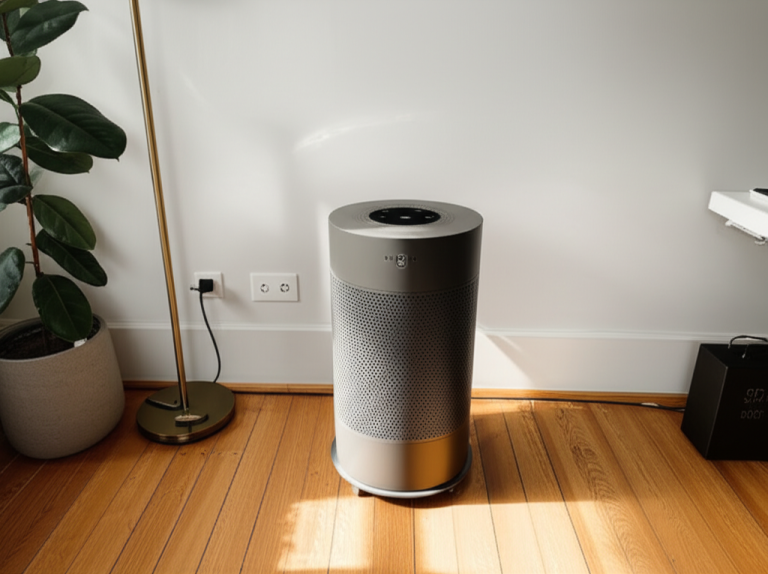
Best Bedroom Air Purifier For Mold: Proven Essential

The best bedroom air purifier for mold is crucial for a healthy sleep environment, effectively removing airborne spores and allergens that can trigger respiratory issues. Investing in the right unit ensures cleaner air and better sleep.
Best Bedroom Air Purifier for Mold: Proven Essential for a Healthier Sleep Sanctuary
Dealing with mold in your bedroom can feel overwhelming, impacting your sleep quality and overall health. The constant worry about invisible spores and the persistent musty smell are frustrating. But don’t despair; the solution is often simpler than you think. This guide will walk you through finding the best bedroom air purifier for mold, ensuring your sanctuary is free from these airborne irritants and promotes restful sleep.
Why Mold in the Bedroom is a Serious Concern
Mold spores are microscopic and can easily become airborne, especially in environments with high humidity or water damage. In your bedroom, these spores can settle on surfaces, furniture, and even within your bedding, creating a breeding ground for allergic reactions and respiratory problems. Prolonged exposure can lead to symptoms like coughing, sneezing, itchy eyes, and even more severe conditions like asthma exacerbation.
Identifying and eliminating the source of moisture is the first step in combating mold. However, an air purifier acts as a vital tool to capture existing airborne spores and prevent their spread, making your bedroom a safer place. This is where selecting the best bedroom air purifier for mold becomes paramount.
Understanding How Air Purifiers Combat Mold
Air purifiers work by drawing in room air, passing it through a series of filters, and releasing cleaner air back into the room. For mold, the most critical filter is the High-Efficiency Particulate Air (HEPA) filter. A true HEPA filter is designed to capture at least 99.97% of airborne particles as small as 0.3 microns, which includes most mold spores.
Beyond HEPA filtration, some purifiers incorporate activated carbon filters to tackle odors associated with mold and other volatile organic compounds (VOCs). While no air purifier can eliminate mold growth itself, they are incredibly effective at removing the spores that cause health issues.
Key Features to Look for in a Bedroom Air Purifier for Mold
When searching for the best bedroom air purifier for mold, several features stand out. Prioritizing these will ensure you get a unit that effectively addresses your specific needs. Look for robust filtration systems, adequate coverage area, and quiet operation for a peaceful sleep.
Consider the size of your bedroom. An air purifier rated for a smaller space will be less effective in a larger room. Always check the Clean Air Delivery Rate (CADR) for mold, smoke, and dust to gauge its performance.
HEPA Filtration: The Undisputed Champion Against Mold Spores
The cornerstone of any effective mold-fighting air purifier is a true HEPA filter. This isn’t just a marketing term; it’s a certified standard that guarantees a high level of particle capture. When looking for the best bedroom air purifier for mold, ensure it explicitly states “True HEPA” or “H13 HEPA” for maximum spore removal.
These filters trap tiny particles, including mold spores, dust mites, pollen, and pet dander, preventing them from recirculating in your bedroom air. Replacing HEPA filters regularly is crucial for maintaining optimal performance.
Activated Carbon Filters: Tackling Mold Odors and VOCs
While HEPA filters capture mold spores, activated carbon filters are essential for neutralizing the musty odors that mold often produces. These filters are made from porous carbon material that adsorbs gases, chemicals, and odors from the air.
An air purifier with a substantial activated carbon layer can significantly improve the air quality in your bedroom by eliminating that unpleasant, damp smell. This combination of HEPA and activated carbon filtration offers a comprehensive solution against mold-related issues.
Coverage Area and CADR: Matching the Purifier to Your Room Size
The effectiveness of an air purifier is directly tied to its ability to clean the air in your specific room. The coverage area, usually listed in square feet, indicates the maximum room size the unit is designed for. For bedrooms, it’s often best to choose a purifier rated for a slightly larger area than your room to ensure efficient air cleaning.
The Clean Air Delivery Rate (CADR) is another critical metric. It measures how quickly the purifier can clean the air of specific pollutants like mold spores, dust, and smoke. A higher CADR generally means faster and more effective air purification.
Noise Levels: Ensuring Peaceful Sleep
Since you’re looking for the best bedroom air purifier for mold, its noise level is a significant consideration. A loud purifier can disrupt your sleep, defeating the purpose of creating a healthier sleep environment. Most air purifiers have multiple fan speeds, with lower settings being quieter.
Look for models that advertise quiet operation or have a “sleep mode.” Decibel (dB) ratings are often provided; aiming for a unit that operates below 50 dB on its lowest setting is generally advisable for bedroom use.
Additional Features to Consider
Beyond the core filtration, several other features can enhance your experience with a bedroom air purifier for mold. These include air quality sensors, automatic modes, filter replacement indicators, and smart capabilities.
Air quality sensors can monitor the air and automatically adjust the fan speed to combat pollution. Filter indicators ensure you don’t forget to replace filters, maintaining the unit’s effectiveness. Smart features like app control offer convenience and remote monitoring.
Top Bedroom Air Purifier Models for Mold Control (Based on Features)
Based on the essential features discussed, here are some highly-regarded models that excel in combating mold and improving bedroom air quality. These selections prioritize HEPA filtration, effective odor control, and quiet operation.
| Model Name | Filter Type | Coverage Area (Sq Ft) | CADR (Mold) | Noise Level (dB) | Key Features |
|—|—|—|—|—|—|
| Coway Airmega 200M | True HEPA, Activated Carbon | 361 | High | 20.5 (low) | Auto mode, air quality indicator, filter life indicator |
| Levoit Core 300S | True HEPA, Activated Carbon | 219 | High | 22 (low) | Smart app control, voice control, sleep mode |
| Blueair Blue Pure 211+ Auto | Particle Filter, Carbon Filter | 540 | High | 31-55 | Auto mode, washable pre-filter, quiet performance |
| Winix 5500-2 | True HEPA, Activated Carbon, PlasmaWave | 360 | High | 28 (low) | Auto mode, air quality sensor, remote control |
Note: CADR ratings for mold specifically might not always be explicitly listed by manufacturers but are inferred from their general particle CADR. Always check the latest specifications.
Maintaining Your Air Purifier for Optimal Mold Defense
To ensure your best bedroom air purifier for mold continues to perform effectively, regular maintenance is key. This primarily involves cleaning and replacing the filters according to the manufacturer’s recommendations. A clogged filter will significantly reduce the purifier’s efficiency and airflow.
Pre-filters, if present, should be cleaned or vacuumed regularly to prolong the life of the main HEPA and carbon filters. For the most precise guidance, always refer to your air purifier’s user manual.
Frequently Asked Questions About Bedroom Air Purifiers for Mold
Here are answers to some common questions beginner users have about using air purifiers to combat mold in their bedrooms.
What is the best type of filter for mold?
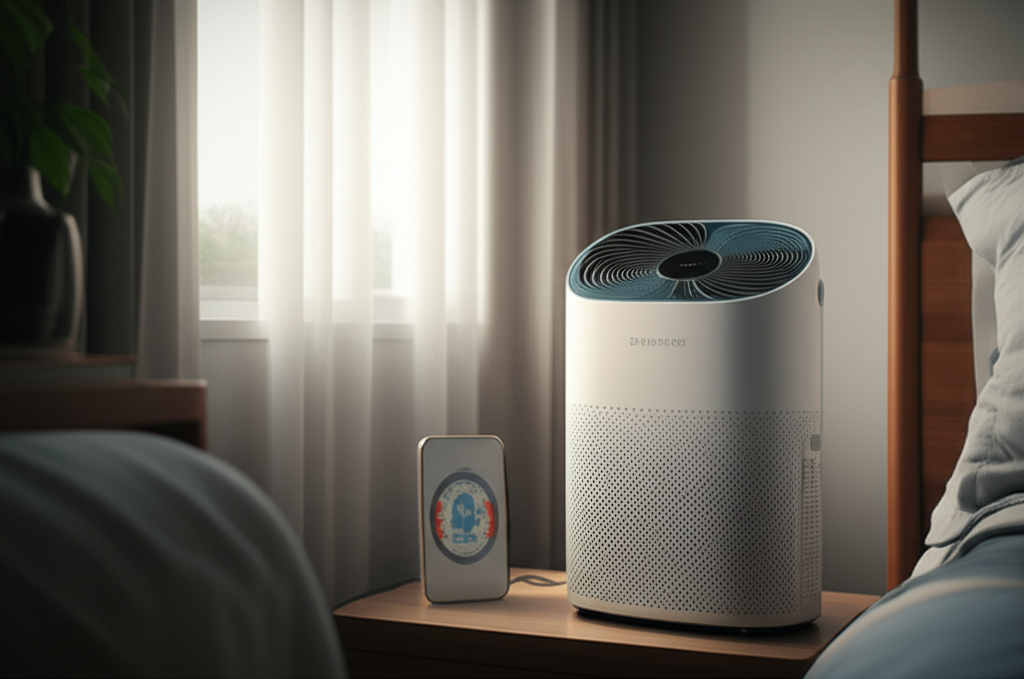
The most effective filter for mold spores is a True HEPA filter, which can capture at least 99.97% of airborne particles as small as 0.3 microns, including mold spores.
How often should I replace the HEPA filter?
Filter replacement frequency varies by model and usage, but typically HEPA filters need replacement every 6-12 months. Always check your manufacturer’s recommendations.
Can an air purifier kill mold?
No, an air purifier cannot kill mold or prevent its growth. Its primary function is to capture airborne mold spores and other allergens, improving air quality. Addressing the moisture source is crucial for eliminating mold.
Are air purifiers with UV-C light effective against mold?
Some purifiers include UV-C light technology. While UV-C can kill some microorganisms, its effectiveness against mold spores within an air purifier is debated, and it’s not a substitute for HEPA filtration.
How do I know if my bedroom air purifier is working?
You can often tell if it’s working by noticing a reduction in musty odors, fewer allergy symptoms, and by monitoring the air quality indicator if your purifier has one. Regular filter checks also indicate performance.
What is the ideal room size for a bedroom air purifier?
It’s best to choose an air purifier rated for a room size equal to or slightly larger than your bedroom. This ensures the unit can effectively circulate and clean all the air.
Can an air purifier help with humidity?
No, air purifiers do not dehumidify or humidify the air. If high humidity is contributing to mold growth, you will need a separate dehumidifier.
Conclusion: Breathe Easier with the Right Air Purifier
Finding the best bedroom air purifier for mold is a proactive step towards a healthier and more comfortable living space. By understanding the critical features like HEPA filtration, activated carbon, appropriate coverage, and quiet operation, you can make an informed decision. Investing in a quality air purifier not only tackles mold spores but also contributes to a significant improvement in your overall indoor air quality, leading to better sleep and well-being. Make the smart choice for your health and create a truly refreshing bedroom sanctuary.