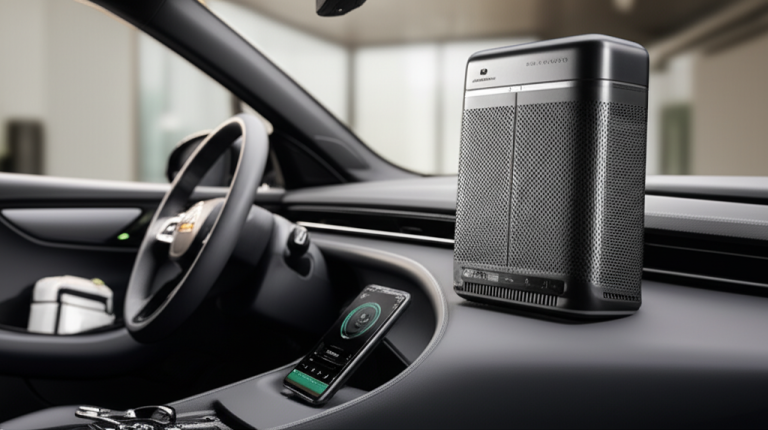
Best Air Purifiers Without Filters: Genius Clean Air

Discover the best air purifiers without filters for a truly genius clean air solution. These innovative devices offer continuous purification, saving you money and reducing waste, making them an eco-friendly and cost-effective choice for a healthier home.
Best Air Purifiers Without Filters: Genius Clean Air Solutions for a Healthier Home
Tired of constantly buying replacement filters for your air purifier? It’s a common frustration that adds up in cost and environmental impact. You want cleaner air, but the ongoing expense and hassle of filters can be a real deterrent. What if there was a smarter way to achieve a fresh, healthy indoor environment without the recurring cost? Fortunately, there are innovative technologies that deliver powerful air purification without ever needing a filter. This guide will explore the best air purifiers without filters, helping you make an informed decision for a truly genius clean air experience.
Why Consider Air Purifiers Without Filters?
Air purifiers without filters offer a compelling alternative to traditional models, addressing key concerns like ongoing costs and environmental waste. They utilize advanced technologies to capture and neutralize airborne pollutants, providing continuous clean air without the need for regular filter replacements. This makes them an attractive option for those seeking a more sustainable and cost-effective approach to indoor air quality.
The Drawbacks of Traditional Filter-Based Air Purifiers
Traditional air purifiers rely on physical filters, typically HEPA filters, to trap particles. While effective, these filters have a finite lifespan and require frequent replacement, often every 3-6 months. This recurring expense can significantly increase the overall cost of ownership. Furthermore, discarded filters contribute to landfill waste, raising environmental concerns for many consumers.
The Advantages of Filterless Air Purification Technology
The primary advantage of filterless air purifiers is the elimination of ongoing filter replacement costs. This translates to significant long-term savings. Beyond the financial benefits, these devices are often more environmentally friendly by reducing waste. They also tend to be more energy-efficient and require less maintenance, offering a convenient and hassle-free purification experience for your home.
Understanding Filterless Air Purification Technologies
Several innovative technologies power the best air purifiers without filters, each offering a unique approach to cleaning your air. These methods go beyond simple particle trapping, often neutralizing pollutants at a molecular level. Understanding these technologies will help you appreciate the “genius” behind these filterless designs and choose the best fit for your needs.
Ionizers: The Power of Charged Particles
Ionizers work by releasing negative ions into the air. These ions attach to airborne particles like dust, pollen, and smoke, giving them a negative charge. The charged particles then cluster together and become heavier, causing them to fall out of the air or attach to surfaces. Some ionizers also produce ozone as a byproduct, which can be a concern for sensitive individuals.
UV-C Light: Neutralizing Microorganisms
Ultraviolet germicidal irradiation (UV-C) uses short-wavelength ultraviolet light to kill or inactivate airborne microorganisms like bacteria, viruses, and mold spores. The UV-C light damages the DNA or RNA of these pathogens, rendering them harmless. This technology is often incorporated into other filterless systems to provide an extra layer of purification against biological contaminants.
Ozone Generators: A Cautionary Approach
Ozone generators intentionally produce ozone, a highly reactive gas, to neutralize odors and pollutants. While ozone can effectively break down certain contaminants, it is also a lung irritant and can be harmful to health at higher concentrations. For this reason, ozone-generating air purifiers are generally not recommended for continuous use in occupied spaces and require careful consideration.
Photocatalytic Oxidation (PCO): Advanced Molecular Breakdown
Photocatalytic oxidation (PCO) is a sophisticated technology that uses UV light and a catalyst (typically titanium dioxide) to break down airborne pollutants into harmless substances like water and carbon dioxide. PCO is effective at eliminating volatile organic compounds (VOCs), odors, and even some microorganisms. It’s a powerful, chemical-free purification method.
Electrostatic Precipitators: Charging and Collecting Particles
Electrostatic precipitators use an electrical charge to remove particles from the air. As air passes through the device, particles are given an electrical charge. These charged particles are then attracted to oppositely charged collector plates, where they accumulate. These plates can often be wiped clean or washed, eliminating the need for disposable filters.
Top Picks for the Best Air Purifiers Without Filters
Choosing the best air purifier without filters involves considering the technology, coverage area, and specific pollutant concerns you have. Here are some highly-regarded options that exemplify the innovation in filterless air purification.
1. The Molekule Air Purifier: Advanced PECO Technology
Molekule stands out with its proprietary Photo Electrochemical Oxidation (PECO) technology. Unlike traditional PCO, PECO destroys pollutants at a molecular level, including VOCs, bacteria, viruses, and mold. It effectively breaks down contaminants rather than just trapping them, offering a unique and powerful solution.
Pros: Destroys pollutants at a molecular level, sleek design, effective against a wide range of contaminants.
Cons: Higher initial cost, PECO filter replacement still required (though less frequent and different from HEPA).
2. Dyson Purifiers: Combining HEPA Filtration with Advanced Sensing
While many Dyson purifiers utilize HEPA filters, their innovative designs often incorporate advanced sensing and purification systems that work in tandem. They aim to capture and destroy pollutants using a combination of technologies. Their sealed HEPA filtration systems are designed for maximum efficiency.
Pros: Excellent air quality sensing, captures a wide range of particles and gases, modern design, often multi-functional (heating/cooling).
Cons: Can be expensive, still uses a HEPA filter (though often sealed and long-lasting).
3. Coway Airmega (Specific Models): Focus on Advanced Filtration and Odor Control
Certain Coway Airmega models, while often featuring HEPA filters, are designed for exceptional performance and longevity. They excel in capturing fine dust, allergens, and odors, offering a robust purification experience. Their comprehensive filtration systems are designed for maximum effectiveness.
Pros: Superior filtration efficiency, effective odor removal, robust build quality, wide coverage areas.
Cons: Primarily filter-based, though filters are designed for long life.
4. GermGuardian (Specific Models): UV-C and Ionizer Combinations
Some GermGuardian models integrate UV-C light and ionizer technology to provide a multi-stage purification process. These units are often more affordable and focus on neutralizing airborne germs and odors. They offer a budget-friendly entry into advanced air purification.
Pros: Combines UV-C and ionization, good for odor and germ control, often cost-effective.
Cons: Potential for ozone production with some ionizer models, less effective against fine particulate matter compared to HEPA.
How to Choose the Right Filterless Air Purifier
Selecting the best air purifier without filters requires careful consideration of your specific needs and home environment. By focusing on key features and understanding the technologies, you can make an informed purchase that delivers optimal air quality.
Assess Your Air Quality Concerns
Identify the primary pollutants you wish to address. Are you most concerned about allergens like pollen and pet dander, odors from cooking or pets, or potentially harmful VOCs from household products? Different filterless technologies excel at targeting different types of pollutants.
Consider Room Size and Coverage Area
Ensure the air purifier you choose is appropriately sized for the room you intend to use it in. Manufacturers typically provide a Clean Air Delivery Rate (CADR) or recommended room coverage area. Selecting a unit that is too small will result in ineffective purification.
Evaluate Technology and Safety Features
Research the specific purification technology used and its effectiveness. Pay attention to safety features, especially if considering models with ionizers, to ensure they meet safety standards for ozone production. Look for certifications from reputable organizations.
Read Reviews and Compare Specifications
Always read user reviews and expert comparisons to gauge real-world performance and reliability. Compare the specifications of different models, including noise levels, energy consumption, and any additional features like smart connectivity or air quality sensors.
Maintenance and Longevity of Filterless Air Purifiers
While filterless air purifiers eliminate the need for disposable filters, they still require some basic maintenance to ensure optimal performance and longevity. Understanding these simple steps will help you keep your device running efficiently for years to come.
Cleaning Collector Plates and Components
For technologies like electrostatic precipitators, regular cleaning of the collector plates is essential. This usually involves wiping them down with a damp cloth or rinsing them under water. Refer to your manufacturer’s instructions for the most effective cleaning methods.
Replacing UV-C Bulbs or PECO Filters
Even filterless systems may have components that require occasional replacement, such as UV-C bulbs or specialized PECO filters used in some advanced units. These replacements are typically much less frequent than traditional HEPA filters and are often more cost-effective.
General Device Care and Cleaning
Keep the exterior of your air purifier clean by dusting it regularly. Ensure that air intake and output vents are not obstructed to maintain proper airflow. Periodically check for any signs of wear or damage to the device.
The Environmental Impact of Filterless Air Purifiers
The environmental benefits of choosing a filterless air purifier are significant, contributing to a more sustainable lifestyle. By reducing waste and potentially consuming less energy, these devices offer a greener approach to improving indoor air quality.
Reducing Landfill Waste
The most apparent environmental advantage is the elimination of disposable filters from landfills. Traditional HEPA filters, when discarded, contribute to plastic and material waste. Filterless designs significantly reduce this ongoing waste stream.
Energy Efficiency Considerations
Many filterless air purification technologies are designed with energy efficiency in mind. While specific energy consumption varies by model and technology, the absence of a fan motor working against a dense HEPA filter can sometimes lead to lower power usage.
Are Filterless Air Purifiers Truly Effective?
The effectiveness of filterless air purifiers depends heavily on the specific technology employed and the quality of the unit. While some advanced filterless models can be incredibly effective, it’s crucial to understand their mechanisms and limitations.
Comparing Effectiveness to HEPA Filters
HEPA filters are the gold standard for capturing particulate matter, effectively removing at least 99.97% of particles 0.3 microns in size. Some filterless technologies, like electrostatic precipitators, can achieve similar particulate capture rates. Others, like UV-C, are more focused on neutralizing microorganisms.
Addressing Different Pollutant Types
Filterless technologies vary in their ability to tackle different pollutants. Ionizers and electrostatic precipitators excel at removing particulate matter. UV-C light is effective against biological contaminants. PCO and PECO technologies are better at breaking down VOCs and odors. A multi-technology approach often offers the broadest protection.
The Future of Air Purification: Innovations Beyond Filters
The air purification industry is continuously evolving, with researchers and manufacturers exploring new and innovative ways to achieve cleaner air. The trend towards filterless solutions is a testament to this drive for more sustainable and efficient technologies.
Smart Technology Integration
Future air purifiers will likely feature even more advanced smart technology. This includes enhanced air quality sensors, Wi-Fi connectivity for remote control and monitoring, and AI-driven optimization of purification settings based on real-time environmental data.
New Filterless Technologies on the Horizon
Expect to see the development of novel filterless technologies that offer even greater efficiency and broader pollutant removal capabilities. Innovations in material science and energy efficiency will continue to shape the landscape of home air purification.
Frequently Asked Questions About Filterless Air Purifiers
Here are answers to some common questions about the best air purifiers without filters.
Do air purifiers without filters really work?
Yes, advanced filterless technologies like PCO, PECO, and electrostatic precipitation can be very effective at removing various airborne pollutants, often neutralizing them rather than just trapping them.
Are ozone-generating air purifiers safe?
Ozone generators are generally not recommended for continuous use in occupied spaces as ozone is a lung irritant. Look for models that are certified for low or no ozone production if considering ionizers.
How often do I need to clean a filterless air purifier?
Cleaning frequency varies by technology. Electrostatic plates may need wiping weekly or bi-weekly, while PECO or UV components might require less frequent attention, often only when indicated by the device.
What is the difference between PCO and PECO technology?
PCO uses UV light and a catalyst to break down pollutants. PECO (used by Molekule) is an advanced form that destroys pollutants at a molecular level, including VOCs, viruses, and bacteria.
Are filterless air purifiers more expensive upfront?
While filterless air purifiers can sometimes have a higher initial purchase price, they often become more cost-effective over time by eliminating the recurring expense of replacement filters.
Can filterless air purifiers remove odors?
Many filterless air purifiers are effective at removing odors, especially those utilizing PCO, PECO, or activated carbon components designed to adsorb odor molecules.
Conclusion: Embracing Genius Clean Air with Filterless Solutions
The quest for the best air purifiers without filters leads us to a realm of innovative and eco-conscious technology. These devices offer a compelling solution for those seeking continuous clean air without the recurring cost and waste associated with traditional filters. By understanding the various filterless technologies available, such as PECO, UV-C, and electrostatic precipitation, you can confidently choose a unit that effectively tackles your specific air quality concerns. Embracing these genius clean air solutions not only saves you money in the long run but also contributes to a healthier planet. Make the smart switch to a filterless future for a breath of fresh, pure air.