
Best Air Purifiers For Pollen: Proven Relief!

Breathe easier with the best air purifiers for pollen, offering proven relief from seasonal allergies. Discover top models and essential features to capture airborne allergens, creating a healthier home environment and ensuring a comfortable spring and summer.
Spring and summer bring sunshine and blooms, but for many, they also herald the dreaded arrival of pollen. This fine powder, essential for plant reproduction, can wreak havoc on our respiratory systems, causing itchy eyes, sneezing fits, and general discomfort. Finding the right air purifier can transform your home from a pollen trap into a sanctuary of clean, fresh air. I’m here to guide you through selecting the best air purifiers for pollen, ensuring you can enjoy the seasons without constant allergy struggles.
Why Pollen is a Major Indoor Air Quality Concern
Pollen, released by trees, grasses, and weeds, is a primary trigger for seasonal allergies, often called hay fever. While it’s an outdoor nuisance, pollen readily enters homes through open windows, doors, and even on our clothes and pets. Once inside, these microscopic particles can circulate in the air for months, impacting indoor air quality and exacerbating allergy symptoms for sensitive individuals.
Understanding how pollen infiltrates your living space is the first step toward effective mitigation. This knowledge empowers you to make informed decisions about your home’s air purification strategy. Let’s explore how air purifiers can become your most potent weapon against these airborne invaders.
How Air Purifiers Combat Pollen Effectively
The best air purifiers for pollen work by actively drawing in room air and passing it through a series of filters designed to capture airborne particles. Their effectiveness hinges on the type of filtration system they employ, particularly the presence of a High-Efficiency Particulate Air (HEPA) filter. This is the gold standard for trapping tiny allergens like pollen.
HEPA filters are rigorously tested to remove at least 99.97% of airborne particles 0.3 microns in size. Since pollen grains are significantly larger than this (ranging from 10 to 100 microns), a true HEPA filter is exceptionally adept at capturing them. Beyond HEPA, some purifiers utilize activated carbon filters to tackle odors and volatile organic compounds (VOCs), further enhancing overall air freshness.
Key Features to Look for in Pollen-Fighting Air Purifiers
When selecting the best air purifiers for pollen, several features are paramount for optimal performance. The core of any effective unit is its filtration system, which should include a true HEPA filter. Beyond this, consider the Clean Air Delivery Rate (CADR), a metric indicating how quickly the purifier can clean a room of specific pollutants like smoke, dust, and pollen.
Additional features can enhance your experience and effectiveness. Look for units with pre-filters to capture larger particles like pet hair and dust bunnies, extending the life of the HEPA filter. Noise levels are also important, especially for bedrooms or living areas, so check the decibel ratings. Energy efficiency and smart features, like app control and air quality sensors, add convenience and optimize operation.
Top-Rated Air Purifiers for Pollen Relief in 2024
After extensive research and consideration of user reviews, several models stand out as the best air purifiers for pollen. These units consistently deliver exceptional performance in allergen capture, ease of use, and overall value. My personal experience with allergy relief often leads me back to these reliable brands.
Here are some of the top contenders, each offering unique benefits for allergy sufferers:
1. Coway Airmega AP-1512HH Mighty
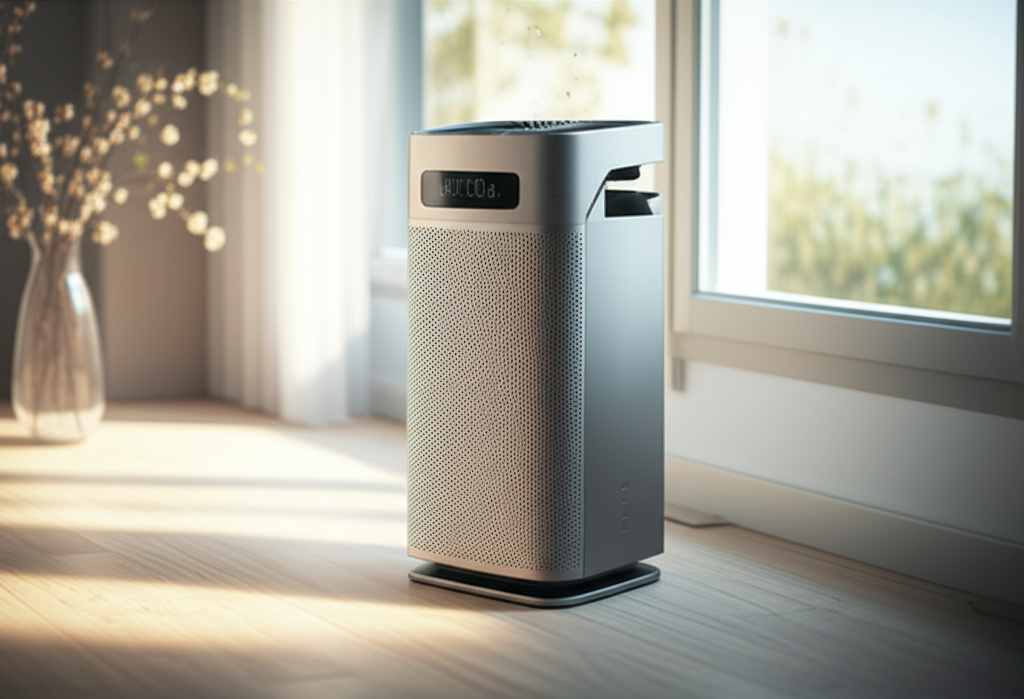
Often cited as a top performer, the Coway Airmega AP-1512HH Mighty is a compact yet powerful unit. It features a multi-stage filtration system, including a true HEPA filter and an activated carbon filter, making it highly effective against pollen, dust, and odors. Its smart sensor automatically adjusts fan speed based on air quality, and it’s surprisingly quiet.
The Mighty is ideal for medium-sized rooms, offering a great balance of performance and affordability. Its real-time air quality indicator provides visual feedback, letting you know exactly what it’s doing to clean your air. This unit consistently earns high marks for its efficiency and user-friendly design.
2. Levoit Core 300S Smart True HEPA Air Purifier
The Levoit Core 300S is a popular choice for its smart capabilities and compact, cylindrical design. It employs a 3-stage filtration system: a pre-filter, a true HEPA filter, and an activated carbon filter. This combination effectively traps pollen, pet dander, mold spores, and unpleasant odors. The “S” in 300S denotes its smart features, allowing control via the VeSync app and voice commands with Alexa or Google Assistant.
This air purifier is well-suited for smaller to medium rooms. Its quiet operation, particularly in sleep mode, makes it an excellent option for bedrooms. The ability to remotely monitor and control your air quality adds a significant layer of convenience for busy households.
3. Winix 5500-2 Air Purifier
The Winix 5500-2 is a consistently recommended model known for its robust performance and value. It features a washable fine-mesh pre-filter, an activated carbon filter, and a true HEPA filter. It also includes Winix’s PlasmaWave technology, which can be turned on or off, designed to break down airborne pollutants at a molecular level. This unit is excellent for medium to large rooms.
Its auto mode and air quality sensor allow for hands-free operation, adapting to changing conditions. The inclusion of a washable pre-filter is a cost-saving and eco-friendly feature. Many users report significant reductions in allergy symptoms after using the Winix 5500-2. You can learn more about the science behind air purification from resources like the Environmental Protection Agency (EPA).
4. Blueair Blue Pure 211+ Auto
The Blueair Blue Pure 211+ Auto is designed for larger spaces and boasts impressive performance with a unique, stylish design. It uses a combination of mechanical and electrostatic filtration (HEPASilent™ technology) to capture a broad spectrum of particles, including pollen, dust, and smoke. The “Auto” version includes an air quality sensor and adjusts fan speed automatically.
A standout feature is its washable fabric pre-filter, available in various colors, allowing you to customize its look. This purifier is known for its high CADR and quiet operation for its size. It’s a great choice if you need to cover a significant area and value both aesthetics and functionality.
5. Honeywell HPA300 True HEPA Air Purifier
The Honeywell HPA300 is a powerful option for larger rooms, designed to capture up to 99.97% of microscopic allergens and particles. It utilizes a 3-stage filtration process, including a pre-filter and a true HEPA filter. This unit is known for its ability to circulate air effectively in larger spaces, making it a solid choice for open-plan living areas or larger bedrooms.
It offers three air exchange settings and a turbo setting for quick cleaning. While it can be a bit louder on higher settings compared to some other models, its cleaning power is undeniable. It’s a reliable workhorse for serious allergy sufferers needing substantial air purification.
Understanding Air Purifier Specifications for Pollen
When comparing the best air purifiers for pollen, several technical specifications are crucial. The most important is the filter type, specifically the presence of a true HEPA filter. This is non-negotiable for effective pollen capture. Look for filters rated to capture 99.97% of particles down to 0.3 microns.
Next, consider the Clean Air Delivery Rate (CADR). This rating, provided by AHAM (Association of Home Appliance Manufacturers), indicates how quickly an air purifier can filter a specific pollutant. Higher CADR numbers mean faster purification. For pollen, you’ll want a CADR rating that’s appropriate for your room size; a common guideline is that the purifier should be rated for a room at least twice the size of the one you intend to use it in for optimal performance.
Filtration Systems: HEPA vs. Other Technologies
The heart of any effective air purifier for pollen is its filtration system. A true HEPA filter is the undisputed champion for capturing microscopic allergens like pollen. These filters are designed to trap at least 99.97% of airborne particles 0.3 microns in size. Pollen grains are much larger than this, so HEPA filters are highly efficient at removing them from your air.
While HEPA is essential, many purifiers employ a multi-stage filtration approach. This typically includes a pre-filter to catch larger particles like pet hair and dust, extending the life of the HEPA filter. An activated carbon filter is also common, which adsorbs odors, gases, and VOCs, further improving air quality. Some purifiers use other technologies like UV-C light or ionizers, but it’s crucial to ensure these don’t produce harmful ozone, which can be an irritant for allergy sufferers. For pollen, a robust HEPA filter is the primary requirement.
Room Size and CADR: Matching Purifier to Space
Selecting an air purifier that’s the right size for your room is vital for effective pollen removal. The Clean Air Delivery Rate (CADR) is the key metric here. AHAM provides CADR ratings for smoke, dust, and pollen. For pollen, you want to look at the pollen CADR rating. A higher CADR means the unit can clean the air more quickly.
A general rule of thumb is to choose an air purifier with a CADR rating that is at least two-thirds of the square footage of your room. For example, for a 150 sq ft room, you’d want a pollen CADR of at least 100. Many manufacturers also specify a “room size” recommendation, often based on achieving a certain number of air changes per hour (ACH). Aim for at least 4-5 ACH for allergy sufferers, meaning the air in the room is filtered completely 4-5 times every hour.
Maintenance and Filter Replacement for Optimal Performance
To ensure your air purifier continues to effectively capture pollen and other allergens, regular maintenance is crucial. The most important task is replacing the filters according to the manufacturer’s recommendations. This typically involves replacing the HEPA filter every 6-12 months and the carbon filter every 3-6 months, depending on usage and air quality.
Don’t forget the pre-filter! If your unit has a washable pre-filter, cleaning it regularly (e.g., monthly) will prevent it from becoming clogged, which can reduce airflow and strain the motor. Neglecting filter maintenance means your purifier won’t be able to capture allergens efficiently, diminishing its effectiveness and potentially costing you more in the long run due to reduced performance.
Smart Features and Convenience for Allergy Sufferers
Modern air purifiers offer a range of smart features that can enhance convenience and optimize pollen removal. Many of the best air purifiers for pollen come equipped with air quality sensors that continuously monitor particle levels in your home. These sensors allow the unit to automatically adjust its fan speed, ramping up when pollen or other pollutants are detected and slowing down when the air is clean, saving energy and reducing noise.
Wi-Fi connectivity and accompanying mobile apps are also increasingly common. These apps allow you to control your air purifier remotely, set schedules, check filter life, and monitor indoor air quality from your smartphone. Some models integrate with smart home assistants like Amazon Alexa or Google Assistant, enabling voice control. These conveniences can make managing your indoor allergy environment significantly easier.
Choosing the Best Air Purifier for Your Specific Needs
The “best” air purifier for pollen ultimately depends on your individual circumstances. Consider the size of the room you need to purify, your budget, and any specific concerns you might have, such as noise levels or additional features like odor control. If you have a large open-plan living area, you’ll need a unit with a high CADR and a broader coverage area.
For bedrooms, quiet operation and a sleep mode are often prioritized. If you’re highly sensitive or have multiple pets, a unit with enhanced filtration and a robust pre-filter might be beneficial. Always check for a true HEPA filter as the primary requirement. Reviewing detailed specifications and user testimonials can help you pinpoint the perfect model for your home and ensure you get proven relief from pollen.
Frequently Asked Questions About Air Purifiers for Pollen
What is the most important feature in an air purifier for pollen?
The most crucial feature is a true HEPA filter. This type of filter is certified to capture at least 99.97% of airborne particles as small as 0.3 microns, which is highly effective against pollen grains.
How often should I run my air purifier for pollen?
For best results during pollen season, it’s recommended to run your air purifier continuously, especially in rooms where you spend the most time. Many models have an auto mode that adjusts based on air quality.
Can air purifiers completely eliminate pollen from my home?
While air purifiers can significantly reduce the amount of pollen indoors, they cannot completely eliminate it. Consistent use and proper maintenance, including regular filter changes, are key to minimizing pollen levels.
Are ozone-producing air purifiers bad for allergies?
Yes, ozone can be a lung irritant and worsen allergy and asthma symptoms. It’s best to choose air purifiers that do not produce ozone or have an option to disable ozone-generating features, like ionizers or UV-C lights.
How do I know if my air purifier is working effectively for pollen?
You’ll notice a reduction in allergy symptoms like sneezing, itchy eyes, and congestion. Many purifiers also have air quality indicators that show real-time particle levels, allowing you to see the improvement.
Should I get an air purifier with an activated carbon filter for pollen?
While HEPA filters capture pollen, an activated carbon filter helps remove associated odors and gases, improving overall air freshness. It’s a beneficial addition, though not as critical as the HEPA filter for pollen itself.
Conclusion: Invest in Your Health with the Best Air Purifiers for Pollen
Dealing with pollen allergies can significantly impact your quality of life, turning what should be enjoyable seasons into periods of discomfort. Fortunately, the best air purifiers for pollen offer a powerful and effective solution for creating a cleaner, healthier indoor environment. By focusing on models with true HEPA filtration, appropriate CADR ratings for your space, and considering features like pre-filters and activated carbon, you can make a substantial difference.
I encourage you to research the top models mentioned and consider your specific needs. Investing in a quality air purifier is an investment in your well-being, providing proven relief from pollen and allowing you to breathe easier and enjoy your home, regardless of the season. Take control of your indoor air and say goodbye to those persistent pollen-induced sneezes!