
Best Air Purifiers For HVAC Systems: Proven Clean Air

Discover the best air purifiers for HVAC systems to achieve proven clean air, ensuring a healthier home environment by tackling pollutants directly at their source.
Breathing clean air at home is crucial for our well-being, yet many of us overlook the hidden pollutants circulating through our HVAC systems. Dust, allergens, pet dander, and even mold spores can travel unseen, impacting our respiratory health and overall comfort. This article will guide you through selecting the best air purifiers for HVAC systems, transforming your home into a sanctuary of fresh, purified air. We’ll explore the most effective solutions, helping you make an informed choice for a healthier living space.
Why Integrate Air Purifiers with Your HVAC System?
Integrating an air purifier with your HVAC system offers a proactive approach to whole-house air purification, capturing pollutants before they circulate widely. Unlike portable units that focus on a single room, HVAC-integrated purifiers treat the air as it’s heated or cooled, ensuring consistent air quality throughout your entire home. This method is highly efficient for tackling pervasive indoor air quality issues.
HVAC-integrated air purifiers work by installing directly into your ductwork or attaching to your furnace or air handler. They leverage your existing HVAC fan to draw air through a filtration system, removing contaminants before the air is distributed. This ensures that every breath you take is cleaner, significantly reducing the burden of airborne irritants.
Understanding MERV Ratings: The Foundation of HVAC Filtration
The MERV (Minimum Efficiency Reporting Value) rating is a critical metric for assessing an HVAC filter’s ability to capture airborne particles. Higher MERV ratings indicate a greater efficiency in trapping smaller particles, such as pollen, mold spores, and bacteria. Selecting a filter with an appropriate MERV rating is key to effective air purification within your HVAC system.
MERV ratings range from 1 to 20. For residential use, MERV 8 to 13 filters are generally recommended as a good balance between filtration efficiency and airflow. MERV 13 filters are often considered the sweet spot for capturing most common indoor air pollutants without overly restricting airflow, which can strain your HVAC system. Always consult your HVAC system’s manual or a professional to determine the highest MERV rating your system can safely handle.
Top HVAC Air Purifier Technologies to Consider
When looking for the best air purifiers for HVAC systems, several technologies stand out for their effectiveness in capturing a wide range of airborne contaminants. These technologies work in conjunction with your HVAC filter to enhance overall air quality. Understanding these options will help you choose the most suitable solution for your home’s specific needs.
Each technology offers unique benefits, from trapping microscopic particles to neutralizing odors and volatile organic compounds (VOCs). Evaluating these based on your primary air quality concerns will lead you to the most effective integrated purification strategy.
HEPA Filters: The Gold Standard for Particle Capture
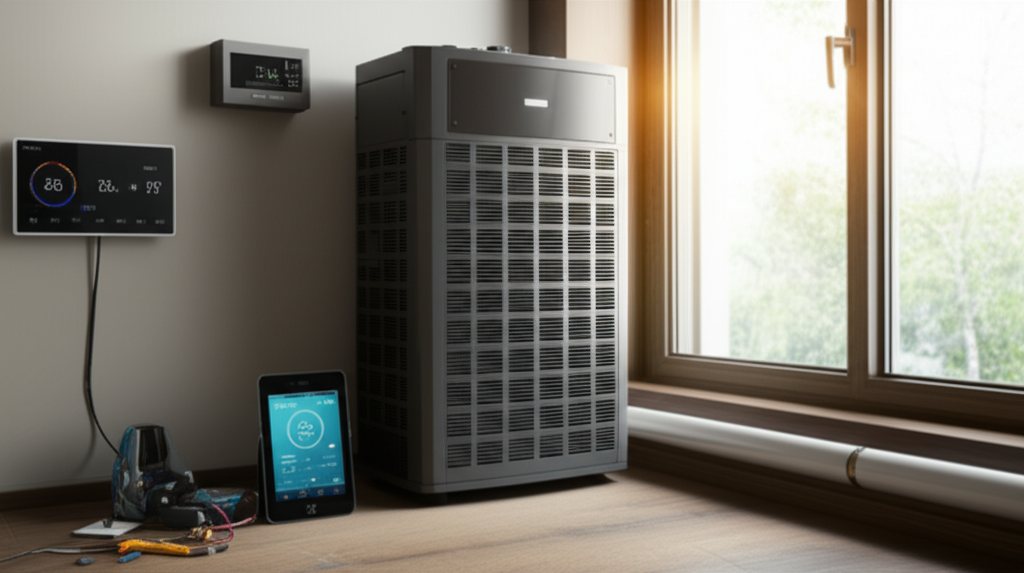
HEPA (High-Efficiency Particulate Air) filters are renowned for their exceptional ability to capture at least 99.97% of airborne particles 0.3 microns in size. While traditional HVAC filters may not be true HEPA, many high-performance HVAC filters are designed to approach HEPA-like efficiency, trapping fine dust, pollen, mold spores, and even some bacteria and viruses. For those seeking the highest level of particle filtration, opting for an HVAC system that can accommodate a HEPA-grade filter is paramount.
These filters are particularly beneficial for individuals suffering from allergies, asthma, or other respiratory sensitivities. By trapping the smallest particles, they significantly reduce the triggers that can exacerbate these conditions, leading to a more comfortable and healthier indoor environment.
Activated Carbon Filters: Tackling Odors and VOCs
Activated carbon filters excel at adsorbing odors, gases, and volatile organic compounds (VOCs) that can off-gas from household products, paints, and furnishings. While not designed to capture particles, they are an invaluable addition to an HVAC system when combined with a particulate filter. This dual-action approach ensures both cleaner air and a fresher-smelling home.
These filters work through a process called adsorption, where the porous surface of the activated carbon traps gas molecules. This makes them highly effective at removing unpleasant smells from cooking, pets, or chemicals, contributing to a more pleasant and healthy living space.
UV-C Light Sterilization: Neutralizing Microorganisms
UV-C light, or ultraviolet germicidal irradiation (UVGI), is a technology that uses ultraviolet light to inactivate airborne pathogens like viruses, bacteria, and mold spores. When installed within the HVAC system, UV-C lights can help prevent the growth of microorganisms on the coils and in the ductwork, further purifying the air before it circulates. This technology complements filtration by addressing biological contaminants.
UV-C light is particularly useful in humid environments where mold and bacteria can thrive. By neutralizing these microscopic threats, it contributes to a healthier indoor environment and can help prevent the spread of airborne illnesses.
Electronic Air Cleaners: Ionization and Electrostatic Precipitation
Electronic air cleaners (EACs) use electrostatic charges to attract and remove airborne particles from the air. They work by charging particles as they pass through the device, causing them to stick to oppositely charged collector plates. Some EACs also produce ions, which can help to remove even finer particles. This technology can be an effective way to capture a broad range of particulate matter.
While EACs can be effective, they may produce ozone as a byproduct, which can be a respiratory irritant for some individuals. It’s important to choose models that are certified as low-ozone emitting and to monitor your home’s air quality if you opt for this technology.
Best Air Purifiers for HVAC Systems: Our Top Picks
Finding the best air purifiers for HVAC systems involves considering a few key players that integrate seamlessly and offer robust filtration. These options are designed for easy installation and provide significant improvements in home air quality. I’ve researched several highly-rated options that cater to different needs and budgets, focusing on their efficiency and ease of use.
When choosing, think about the size of your home, the specific air quality concerns you have (allergies, odors, etc.), and your HVAC system’s capabilities. The following recommendations are based on performance, user reviews, and overall value.
1. Honeywell Whole House Media Air Cleaner
The Honeywell Whole House Media Air Cleaner is a popular choice for its robust filtration and ease of maintenance. It utilizes a deep-pleated media filter that captures a significant amount of airborne particles, offering superior filtration compared to standard furnace filters. Its design ensures it doesn’t overly restrict airflow, making it compatible with most residential HVAC systems.
This system is designed for long-term use, with filters typically lasting up to 12 months, reducing the frequency of replacements. Its effectiveness in capturing dust, pollen, and pet dander makes it an excellent option for allergy sufferers seeking proven clean air throughout their homes.
2. Aprilaire Whole-Home Air Purifier
Aprilaire offers a range of whole-home air purifiers known for their advanced filtration capabilities and durability. Their models, such as the Aprilaire 2210, use a high-efficiency MERV 13 filter that effectively traps microscopic particles, including allergens, mold spores, and bacteria. The system is designed to be low-maintenance and integrates cleanly into your HVAC ductwork.
The Aprilaire system is engineered to provide consistent, high-level air purification without impacting your HVAC system’s performance. Its ability to capture a wide spectrum of contaminants makes it a top contender for those prioritizing comprehensive home air quality.
3. Filtrete Whole House Air Filter
Filtrete is a well-known brand in home filtration, and their whole-house air filters are designed to be installed directly into your HVAC system. They offer various models with different MERV ratings, allowing you to choose the level of filtration that best suits your needs. The deep-pleated design maximizes surface area for effective particle capture.
These filters are designed for easy DIY installation and replacement, making them a convenient option for homeowners. They are effective at reducing common indoor air pollutants, contributing to a healthier living environment with proven clean air.
4. Carrier Infinity Air Purifier
For those with a Carrier HVAC system, the Infinity Air Purifier offers seamless integration and advanced air cleaning technology. This unit uses a Captures & Kills™ technology that not only traps particles but also inactivates certain bacteria and viruses. It’s designed to be highly efficient and quiet, working in harmony with your heating and cooling system.
The Infinity Air Purifier is a premium option that provides comprehensive air purification, addressing both particulate matter and biological contaminants. Its integration with Carrier’s Infinity system ensures optimal performance and energy efficiency.
Installation and Maintenance: Keeping Your System Running Smoothly
Proper installation and regular maintenance are crucial for ensuring your HVAC air purifier operates at peak performance and delivers proven clean air. While many systems are designed for DIY installation, understanding the process and ongoing care requirements is essential for long-term effectiveness and system health. Always prioritize safety and consult your HVAC professional if you have any doubts.
Neglecting maintenance can lead to reduced air quality, decreased system efficiency, and potential damage to your HVAC unit. Following these guidelines will help you maximize the benefits of your investment in whole-house air purification.
DIY Installation vs. Professional Installation
Many whole-house air purifiers are designed for straightforward DIY installation, often involving mounting the unit into your existing ductwork and connecting it to your HVAC system’s power. Clear instructions are typically provided, and for handy homeowners, this can be a cost-effective approach. However, if you are not comfortable working with ductwork or electrical components, professional installation by a certified HVAC technician is highly recommended.
A professional ensures the unit is correctly sized, sealed, and integrated into your system, guaranteeing optimal performance and avoiding potential issues like air leaks or electrical hazards. They can also advise on the best placement within your ductwork for maximum efficiency.
Filter Replacement Schedule
The most critical aspect of maintenance for any HVAC air purifier is regular filter replacement. The lifespan of a filter varies depending on the type, the model, and the level of pollutants in your home’s air. Most manufacturers recommend replacing filters every 6 to 12 months.
Ignoring filter replacement leads to reduced airflow, decreased filtration efficiency, and can even cause your HVAC system to work harder, increasing energy consumption and potentially leading to costly repairs. Setting a reminder or marking your calendar for filter changes is a simple yet vital step.
Cleaning and Inspection
Beyond filter replacement, periodic cleaning and inspection of the air purifier unit and surrounding ductwork are beneficial. This can involve wiping down the housing, checking for any signs of wear or damage, and ensuring that seals are intact. If your system includes components like UV-C lights or electronic collectors, these will require specific cleaning or maintenance procedures as outlined by the manufacturer.
Regular inspections help catch potential problems early, ensuring your system continues to provide proven clean air without interruption. It also helps maintain the overall integrity and lifespan of your HVAC air purification investment.
Benefits of a Clean HVAC System
A clean HVAC system, enhanced by an integrated air purifier, provides a multitude of benefits that extend beyond just cleaner air. It contributes to a healthier living environment, improves the efficiency of your heating and cooling, and can even reduce energy costs. Investing in proven clean air solutions for your HVAC system is an investment in your home and well-being.
The positive impacts are far-reaching, touching upon your health, comfort, and the longevity of your home’s essential systems. Embracing these benefits means enjoying a more comfortable and healthier life indoors.
Improved Indoor Air Quality
The most immediate and significant benefit is a dramatic improvement in your home’s indoor air quality. By consistently filtering out dust, pollen, pet dander, mold spores, and other allergens, an HVAC air purifier significantly reduces the presence of irritants. This can lead to fewer allergy and asthma flare-ups, less sneezing and coughing, and generally easier breathing for all household members.
This continuous purification process ensures that the air circulating throughout your entire home is cleaner and healthier, creating a more comfortable and invigorating living space. It actively combats the invisible threats that can impact your family’s health.
Enhanced HVAC System Efficiency
A clean HVAC system with an efficient air purifier operates more smoothly and effectively. When filters are clean and the system is free of excess dust and debris, air can flow freely. This reduces the strain on your furnace or air conditioner, allowing them to run more efficiently and effectively heat or cool your home.
This improved efficiency not only means better comfort but also translates into lower energy bills. A well-maintained system with integrated purification is a more economical and sustainable choice for your home.
Reduced Odors and VOCs
Many HVAC air purifiers, especially those incorporating activated carbon, are excellent at neutralizing unpleasant odors and reducing volatile organic compounds (VOCs). This means your home will smell fresher, free from lingering cooking smells, pet odors, or the chemical scents from cleaning products and new furnishings.
By actively removing these odor-causing molecules and harmful gases, your home environment becomes more pleasant and healthier, contributing to a greater sense of well-being.
Extended HVAC System Lifespan
Keeping your HVAC system clean and free from the excessive buildup of dust and debris can significantly extend its operational lifespan. When the system doesn’t have to work as hard to push air through clogged filters or contend with accumulated grime, its components experience less wear and tear. This proactive approach can help you avoid premature breakdowns and costly repairs.
Investing in proven clean air through an HVAC air purifier is a way to protect your larger investment in your home’s heating and cooling infrastructure.
Choosing the Right MERV Rating for Your System
Selecting the correct MERV rating for your HVAC air purifier is a delicate balance between achieving optimal air filtration and ensuring your HVAC system operates without undue stress. A MERV rating that is too high can restrict airflow, while one that is too low may not effectively capture the particles you wish to remove. Understanding your system’s capabilities is key.
I always recommend consulting your HVAC system’s manual or a qualified technician to determine the maximum MERV rating your system can safely and efficiently accommodate. This consultation ensures you select a filter that provides the best clean air without compromising your system’s performance.
Factors to Consider When Selecting MERV
When deciding on the best MERV rating for your HVAC system, consider the following factors:
Your HVAC System’s Capabilities: Older or less robust systems may not handle higher MERV filters well.
Airflow Resistance: Higher MERV filters create more resistance, potentially reducing airflow and increasing energy use.
Particle Size to Capture: For general home use, MERV 8-13 is often sufficient. For specific health concerns, higher MERV ratings might be considered, but with caution.
Filtration Goals: Are you primarily concerned with large dust particles, or do you need to capture microscopic allergens and pathogens?
For most homes, a MERV 11 or MERV 13 filter strikes an excellent balance, offering substantial filtration without significantly impacting airflow.
What Happens if Your MERV Rating is Too High?
If you install an HVAC filter with a MERV rating that is too high for your system, several issues can arise. The most common problem is restricted airflow, which forces your HVAC fan to work harder. This can lead to increased energy consumption, premature wear on the fan motor, and reduced heating or cooling efficiency. In severe cases, it could even cause your system to overheat or shut down.
It’s crucial to adhere to the MERV rating guidelines provided by your HVAC manufacturer to avoid these potential problems and ensure your system functions optimally while providing proven clean air.
What Happens if Your MERV Rating is Too Low?
Conversely, if your MERV rating is too low, the filter will not be effective enough at capturing the smaller particles you aim to remove. This means allergens, mold spores, bacteria, and fine dust will continue to circulate throughout your home, negating the benefits of having an air purifier. You won’t achieve the level of clean air you desire, and your home’s air quality will remain suboptimal.
Choosing a MERV rating that is too low means you’re missing out on the potential for significantly cleaner indoor air, leaving you vulnerable to common airborne irritants.
Comparing HVAC Air Purifiers vs. Portable Air Purifiers
While portable air purifiers are excellent for targeting specific rooms, HVAC-integrated air purifiers offer a distinct advantage for whole-house air purification. Understanding the differences helps in making the best choice for your home’s unique needs and ensuring you achieve proven clean air efficiently. Each type serves a valuable purpose in maintaining a healthy indoor environment.
The decision between the two often comes down to scale and convenience. Let’s break down their key differences to help you decide where an HVAC-integrated purifier fits into your air quality strategy.
Coverage Area
Portable air purifiers are designed for single-room coverage, typically effective in spaces ranging from 200 to 500 square feet, depending on the unit’s power. HVAC-integrated air purifiers, on the other hand, treat the air for your entire home as it circulates through your ductwork. This provides consistent air purification across all rooms, ensuring every breath is cleaner.
For comprehensive, whole-home air quality improvement, an HVAC-integrated system is the clear winner. It eliminates the need for multiple portable units and ensures a uniform level of clean air throughout your residence.
Convenience and Maintenance
Portable air purifiers require manual placement and operation in specific rooms. Their filters need individual replacement. HVAC-integrated purifiers are largely out of sight and mind once installed, operating automatically with your HVAC system. Maintenance typically involves only one filter replacement for the entire house, usually once or twice a year, depending on the filter type.
The convenience of a whole-house system cannot be overstated, especially for busy households. It offers a passive yet powerful solution for maintaining consistent air purity without daily attention.
Cost-Effectiveness
The initial cost of a high-quality portable air purifier can be significant, and if you need to purify multiple rooms, the expense multiplies. While an HVAC-integrated air purifier has a higher upfront installation cost, its long-term cost-effectiveness is often superior. You only need one system for your entire home, and the reduced need for multiple portable units saves money over time.
Furthermore, the efficiency gains for your HVAC system can lead to energy savings, further enhancing the cost-effectiveness of an integrated purification solution.
Frequently Asked Questions (FAQs)
Here are some common questions about the best air purifiers for HVAC systems:
What is the most important factor when choosing an HVAC air purifier?
The most important factor is selecting a filter with an appropriate MERV rating for your HVAC system, ensuring it effectively captures particles without restricting airflow.
Can I use a HEPA filter in my standard furnace?
True HEPA filters typically have a high resistance to airflow and may not be suitable for all standard furnaces. Look for high-efficiency filters with MERV ratings of 13 or higher, which approach HEPA-like performance.
How often should I change the filter in my HVAC air purifier?
This depends on the filter type and your home’s air quality, but most filters need replacement every 6 to 12 months. Always check the manufacturer’s recommendations.
Will an HVAC air purifier make my HVAC system work harder?
A properly selected filter with an appropriate MERV rating should not significantly increase the workload on your HVAC system. However, a filter that is too restrictive can cause issues.
Are electronic air cleaners safe for my home?
Some electronic air cleaners can produce ozone, which is a lung irritant. Look for models certified as low-ozone emitting and consider other filtration technologies if ozone is a concern.
What’s the difference between an air filter and an air purifier for HVAC?
An air filter primarily protects your HVAC system from dust. An air purifier, especially a high-efficiency one, is designed to remove a much wider range of airborne contaminants to improve indoor air quality for occupants.
Conclusion: Breathe Easier with Proven Clean Air Solutions
Investing in the best air purifiers for HVAC systems is a proactive step towards creating a healthier, more comfortable home environment. By integrating advanced filtration technologies directly into your home’s central air system, you ensure consistent, whole-house purification, effectively tackling dust, allergens, odors, and even microscopic pathogens. Choosing a system with an appropriate MERV rating, considering technologies like HEPA-grade filtration and activated carbon, and adhering to regular maintenance schedules are key to maximizing these benefits.
Embrace the power of proven clean air solutions for your HVAC system and experience the difference it makes in your daily life. You’ll breathe easier, feel healthier, and enjoy a more pleasant living space, all thanks to a smarter approach to indoor air quality.
