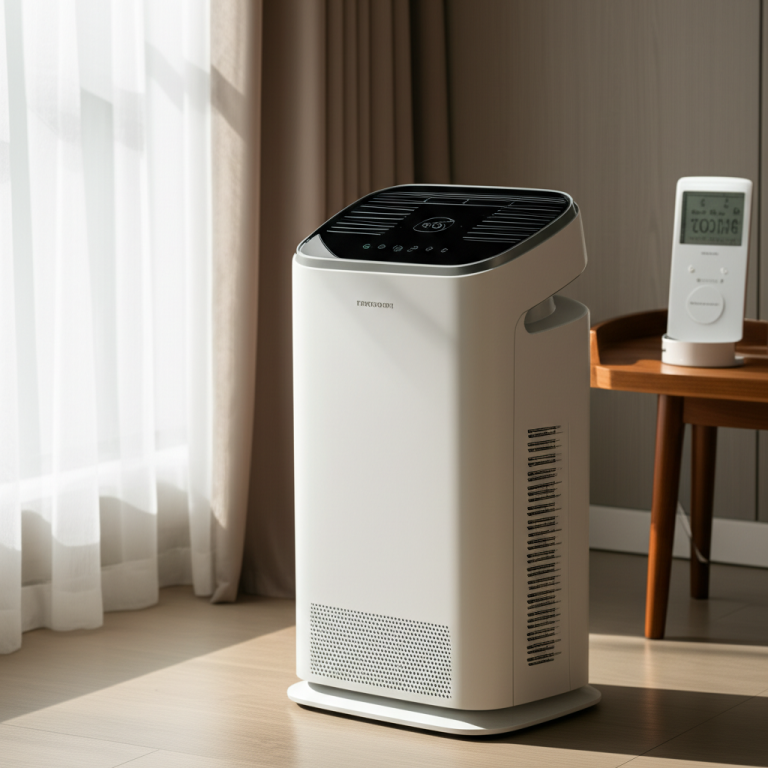
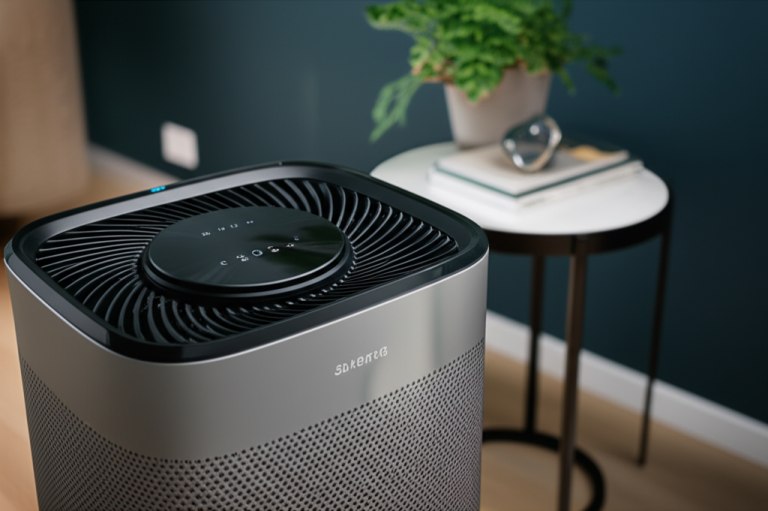
Best Air Purifiers For Home: Essential Guide

Discover the best air purifiers for home to create a healthier living space, tackling common allergens and pollutants with expert advice and practical recommendations for every need and budget.
Breathing clean air at home is crucial for our well-being, yet many of us struggle with invisible pollutants like dust, pollen, pet dander, and even VOCs. These can trigger allergies, worsen asthma, and generally impact our health and comfort. This guide is designed to demystify the world of air purifiers, helping you find the perfect solution to breathe easier.
Why You Need the Best Air Purifiers for Home
Investing in the best air purifiers for home offers a tangible solution to improving indoor air quality, which can be up to five times more polluted than outdoor air. Common household culprits include dust mites, mold spores, and volatile organic compounds (VOCs) from cleaning products and furniture. An effective air purifier acts as a vigilant guardian, capturing these microscopic invaders. This can significantly reduce allergy symptoms, improve sleep quality, and create a generally healthier environment for everyone in your household.
Understanding Air Purifier Technology: HEPA and Beyond
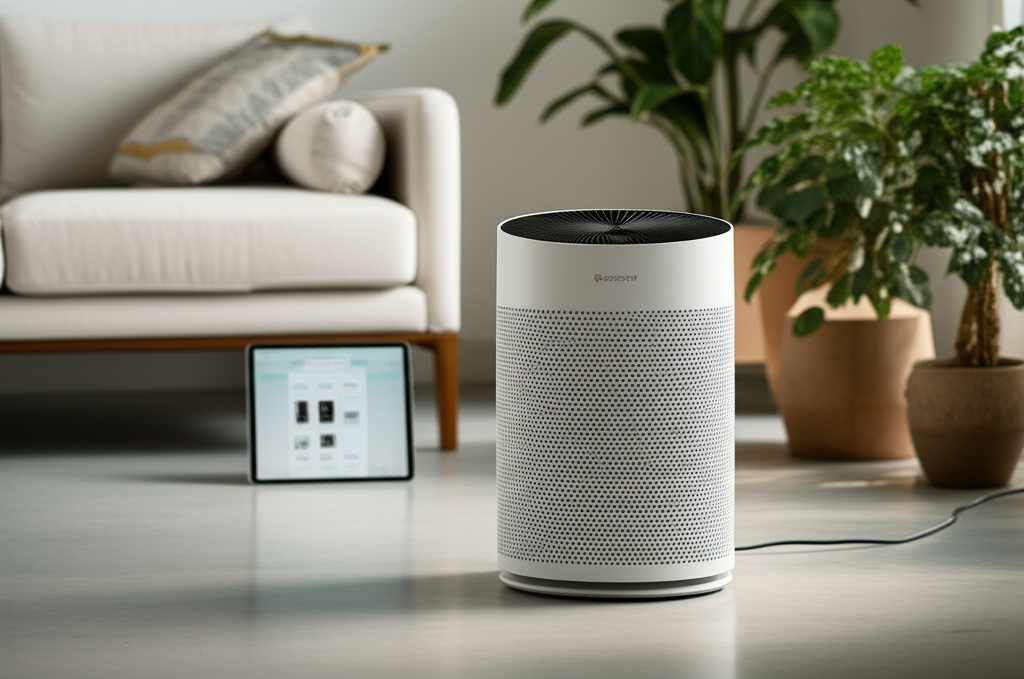
The heart of most effective air purifiers lies in their filtration technology, with High-Efficiency Particulate Air (HEPA) filters being the gold standard. A true HEPA filter is certified to capture at least 99.97% of airborne particles 0.3 microns in size, which includes most allergens and pollutants. Beyond HEPA, you’ll find activated carbon filters, crucial for absorbing odors and gases like VOCs, and pre-filters that catch larger particles like hair and dust, extending the life of the main filters.
The Power of HEPA Filters
HEPA filters are engineered to trap even the tiniest particles that can affect your health. They are essential for capturing allergens such as pollen, dust mites, pet dander, and mold spores. Many medical-grade purifiers rely on HEPA technology to create sterile environments, showcasing its effectiveness in removing harmful airborne contaminants.
Activated Carbon for Odor and Gas Removal
Activated carbon filters work through a process called adsorption, where gases and odors bind to the porous surface of the carbon. This is particularly effective for neutralizing common household smells from cooking, pets, and smoke. It also plays a vital role in removing harmful VOCs released from paints, furniture, and cleaning supplies, contributing to a fresher, healthier atmosphere.
Other Filtration Methods to Consider
While HEPA and activated carbon are the most common, some purifiers utilize other technologies. Ionizers release charged ions to help particles clump together and fall out of the air, though some models can produce ozone, which is a lung irritant. UV-C light can kill germs and viruses, often used in conjunction with other filters. Always research the safety and effectiveness of these additional technologies.
Key Features to Look for in the Best Air Purifiers for Home
When searching for the best air purifiers for home, several key features will dictate their performance and suitability for your specific needs. Beyond the core filtration, consider coverage area, noise levels, energy efficiency, and smart capabilities. Understanding these elements will help you make an informed decision that balances effectiveness with practicality for your living space.
Coverage Area and CADR Ratings
The effectiveness of an air purifier is directly tied to its ability to clean the air in a given space. Look for the Clean Air Delivery Rate (CADR) for smoke, dust, and pollen, which indicates how quickly the unit can filter these pollutants. The higher the CADR, the larger the room the purifier can effectively service. Always choose a purifier rated for a room size slightly larger than your actual space to ensure optimal performance.
Noise Levels: Finding Your Quiet Zone
Air purifiers operate with a fan, and therefore, they produce noise. This is especially important if you plan to use the purifier in a bedroom or a quiet living area. Most units will list their decibel (dB) levels at various fan speeds. Aim for a model that operates below 50 dB on its lower settings, which is comparable to a quiet conversation or a refrigerator hum.
Energy Efficiency and Long-Term Costs
An air purifier running 24/7 can impact your electricity bill. Look for ENERGY STAR certified models, which meet strict energy efficiency guidelines set by the EPA. While the initial cost of an air purifier is a factor, also consider the ongoing expense of replacement filters. Some filters need changing every 6-12 months, so factor this into your overall budget.
Smart Features and Convenience
Modern air purifiers often come with smart features that enhance convenience and control. This can include app connectivity for remote operation, air quality monitoring with automatic speed adjustments, scheduling capabilities, and filter life indicators. These features can be particularly useful for busy households or for those who want to fine-tune their air purification settings effortlessly.
Top Picks: The Best Air Purifiers for Home in [Current Year]
Selecting the best air purifiers for home involves balancing advanced technology with user-friendly features and robust performance. After extensive research and considering various user needs, these models stand out for their effectiveness, reliability, and value. Each offers a unique set of benefits to tackle different air quality concerns.
Best Overall: Coway Airmega 200M
The Coway Airmega 200M is frequently lauded as one of the best air purifiers for home due to its exceptional performance in a mid-sized room. It features a multi-stage filtration system, including a true HEPA filter and an activated carbon filter, effectively capturing 99.97% of airborne pollutants. Its smart features, like an air quality sensor and auto mode, make it incredibly user-friendly, adjusting fan speed based on real-time conditions. The unit is also relatively quiet on lower settings, making it suitable for bedrooms.
Best for Allergies: Levoit Core 300S
For those battling seasonal allergies or pet dander, the Levoit Core 300S is a top contender. Its compact design belies its powerful performance, equipped with a 3-stage filtration system that includes a fine preliminary filter, a true HEPA filter, and an activated carbon filter. This combination efficiently traps allergens, dust, and odors. The Core 300S is also remarkably quiet, especially in sleep mode, and its smart capabilities allow for app control and voice commands, adding a layer of convenience for allergy sufferers.
Best for Large Rooms: Winix 5500-2
The Winix 5500-2 is an excellent choice for larger living spaces, offering broad coverage and impressive filtration. It boasts a three-stage system: a washable fine mesh pre-filter, a true HEPA filter, and an activated carbon filter. What sets it apart is its PlasmaWave technology, which helps break down airborne pollutants at a molecular level without producing harmful ozone. Its auto mode and air quality sensor ensure efficient operation, making it a reliable workhorse for maintaining clean air in expansive areas.
Best Budget-Friendly Option: Blueair Blue Pure 411 Auto
If you’re looking for effective air purification without breaking the bank, the Blueair Blue Pure 411 Auto is a standout. This compact purifier uses a unique combination of electrostatic and mechanical filtration (HEPA-silent technology) to capture particles efficiently. It’s designed for smaller to medium-sized rooms and is exceptionally quiet. The Auto model includes an air quality sensor and adjusts fan speed automatically, offering great value and convenience for its price point, making it one of the best air purifiers for home on a budget.
Best Smart Air Purifier: Dyson Purifier Cool TP07
The Dyson Purifier Cool TP07 offers a premium experience for those seeking advanced smart features and a sleek design. This bladeless tower fan and air purifier combination offers year-round utility. It powerfully purifies the air, capturing 99.97% of particles as small as 0.3 microns, and features a HEPA and activated carbon filter system. Controlled via the Dyson Link app, it provides detailed air quality reports and allows for precise scheduling and remote operation, integrating seamlessly into a smart home ecosystem.
Choosing the Right Air Purifier for Your Needs
The “best” air purifier is subjective and depends heavily on your specific living situation and concerns. Factors like room size, the types of pollutants you’re most concerned about, and your budget will all play a role. By understanding your unique requirements, you can narrow down the options and make a selection that truly enhances your home’s air quality.
Matching Purifier Size to Room Dimensions
One of the most critical factors is ensuring the air purifier is adequately sized for the room it will inhabit. A purifier that is too small will struggle to circulate and clean the air effectively, rendering it less useful. Conversely, an oversized unit might be unnecessarily expensive to purchase and operate. Always check the manufacturer’s recommended room coverage area and CADR ratings against your room’s square footage.
Addressing Specific Air Quality Concerns
Are you primarily battling allergies, pet odors, or concerns about VOCs from new furniture? Different filters and technologies excel at different tasks. For allergies, a strong HEPA filter is paramount. For odors and gases, prioritize models with substantial activated carbon filters. Some purifiers offer specialized filters for specific pollutants, so consider what bothers you most.
Considering Replacement Filter Costs and Availability
The initial purchase price of an air purifier is only part of the equation. Replacement filters are an ongoing cost, and their availability can be crucial. Some filters need replacing every 6 months, while others can last a year or more. Research the cost and lifespan of replacement filters for any model you consider, and ensure they are readily available from the manufacturer or reputable third-party sellers.
How to Use Your Air Purifier for Maximum Effectiveness
Simply plugging in an air purifier is not enough to guarantee optimal air quality. Proper placement, regular maintenance, and understanding its settings are key to unlocking its full potential. By following a few simple guidelines, you can ensure your investment in the best air purifiers for home provides the cleanest air possible.
Optimal Placement in Your Home
For the best results, place your air purifier in the room where you spend the most time, such as the bedroom or living room. Ensure there’s at least a foot of clearance around the unit, allowing for unobstructed air intake and exhaust. Avoid placing it directly next to furniture or in corners, as this can impede airflow and reduce its efficiency.
Understanding and Using Fan Speeds and Modes
Most air purifiers offer multiple fan speeds, from a quiet “sleep” mode to a powerful “turbo” setting. Use lower speeds for general air cleaning and quieter operation, especially at night. Higher speeds are effective for quickly clearing the air after cooking, during peak allergy season, or when dealing with strong odors. Auto mode, if available, intelligently adjusts the fan speed based on detected air quality, offering a convenient hands-off approach.
Maintenance: Filter Replacement and Cleaning
Regular maintenance is vital for your air purifier’s performance and longevity. Follow the manufacturer’s recommendations for filter replacement, typically indicated by a filter change light or based on usage hours. Neglecting filter changes significantly reduces the purifier’s effectiveness. Also, remember to clean any pre-filters regularly by vacuuming or washing them, as this extends the life of the more expensive HEPA and carbon filters.
Frequently Asked Questions About Air Purifiers
Q1: How often should I run my air purifier?
For continuous improvement of your indoor air quality, it’s recommended to run your air purifier as much as possible, ideally 24/7. This ensures that pollutants are consistently being removed from your living environment. Many units have an auto mode that adjusts performance based on air quality, making continuous operation efficient.
Q2: Can air purifiers really help with allergies and asthma?
Yes, air purifiers equipped with true HEPA filters are highly effective at removing common allergens like dust, pollen, pet dander, and mold spores from the air. By reducing these triggers, they can significantly alleviate symptoms for individuals suffering from allergies and asthma, leading to easier breathing and fewer respiratory issues.
Q3: Do air purifiers consume a lot of electricity?
Modern air purifiers, especially those with ENERGY STAR certification, are designed to be energy-efficient. While they do consume electricity, the cost is generally comparable to running a small appliance like a television or a computer. Energy consumption varies by model and fan speed, with lower settings using less power.
Q4: Are ozone-producing air purifiers safe?
Air purifiers that intentionally produce ozone are generally not recommended for home use. Ozone is a lung irritant and can aggravate respiratory conditions like asthma. While some purifiers may produce minimal ozone as a byproduct of other technologies (like ionizers), it’s best to opt for ozone-free models or those that have been certified as safe by organizations like the California Air Resources Board (CARB).
Q5: How do I know when to replace the filters?
Most air purifiers come with indicator lights that signal when it’s time to replace the filters. If your unit doesn’t have this feature, refer to the manufacturer’s manual for recommended replacement intervals, which are usually based on hours of use or a set timeframe (e.g., 6-12 months). You might also notice a decrease in air purification performance or an increase in odors if filters are clogged.
Conclusion: Breathe Easier with the Right Air Purifier
Investing in the best air purifiers for home is a proactive step towards a healthier lifestyle, especially for those sensitive to allergens, pollutants, or odors. By understanding the different technologies, key features, and how to best utilize these devices, you can confidently select a unit that fits your space and your needs. Prioritizing HEPA filtration, considering room size, and factoring in ongoing costs like replacement filters will lead you to a solution that provides cleaner, fresher air. Make the smart choice for your well-being and enjoy the peace of mind that comes with breathing easier in your own home.