Best Air Purifier Wildfire Smoke: Essential Defense

Breathe easy during wildfire season with the best air purifier for wildfire smoke. Discover essential defenses to protect your home and health from harmful particulate matter and ensure a cleaner indoor environment when outdoor air quality plummets.
The acrid smell of smoke and the hazy skies are unwelcome guests during wildfire season. When outdoor air becomes unhealthy, our homes should be a sanctuary. But even indoors, smoke particles can infiltrate, posing a significant risk to your respiratory health. Finding the best air purifier for wildfire smoke is crucial for creating a safe haven. This guide will walk you through everything you need to know to make an informed choice and protect your loved ones.
Why Wildfire Smoke Demands a Specialized Air Purifier
Wildfire smoke isn’t just unpleasant; it’s a complex cocktail of harmful pollutants. These include fine particulate matter (PM2.5), carbon monoxide, volatile organic compounds (VOCs), and other toxic gases. Standard air purifiers might struggle to effectively capture these microscopic threats. A specialized unit is designed with robust filtration systems capable of tackling these specific airborne hazards, ensuring you can breathe freely even when the world outside is obscured by smoke.
Understanding the Enemy: What’s in Wildfire Smoke?
Wildfire smoke contains tiny particles, often less than 2.5 micrometers in diameter (PM2.5), which are small enough to penetrate deep into your lungs. These particles can cause immediate irritation and exacerbate existing respiratory conditions like asthma and COPD. Beyond PM2.5, smoke also carries gases like carbon monoxide and nitrogen oxides, which can be dangerous even at lower concentrations. Recognizing these components helps us appreciate the need for a powerful air purification solution.
Key Features to Look for in the Best Air Purifier for Wildfire Smoke
When selecting an air purifier for wildfire smoke, prioritize models with a high-performance HEPA filter. True HEPA filters are certified to capture at least 99.97% of airborne particles down to 0.3 microns, which includes the vast majority of smoke particles. Look for units with a substantial activated carbon filter, as this is essential for adsorbing the odors and gases present in smoke. High CADR (Clean Air Delivery Rate) ratings, especially for smoke, are also critical for effectively clearing a room quickly.
HEPA Filters: The Cornerstone of Smoke Defense
A True HEPA filter is non-negotiable when combating wildfire smoke. These filters are engineered to trap an incredibly high percentage of microscopic pollutants, including the PM2.5 particles that are so prevalent in smoke. Without a True HEPA filter, an air purifier will be significantly less effective at removing the most harmful elements of wildfire smoke from your indoor air. Always verify that the product explicitly states “True HEPA” to ensure maximum protection.
Activated Carbon: Tackling Smoke Odors and Gases
While HEPA filters excel at capturing particles, activated carbon filters are the unsung heroes for tackling smoke’s gaseous components and pervasive odors. These filters use adsorption to trap gases, VOCs, and the distinct smell of burning wood and chemicals. The more activated carbon a purifier contains, the better it will be at neutralizing these unpleasant and potentially harmful airborne compounds. A substantial carbon pre-filter can also help extend the life of your main HEPA filter.
CADR Ratings: How Fast Can It Clean Your Air?
CADR, or Clean Air Delivery Rate, measures how quickly an air purifier can clean a room of specific pollutants. For wildfire smoke, you’ll want a high CADR rating, particularly for smoke. This rating indicates the volume of filtered air the unit can deliver per minute. A higher CADR means the purifier can process more air more rapidly, which is essential for quickly reducing smoke levels when they first enter your home or when you need to clear a room after a smoky period.
Room Size and Coverage: Matching Purifier to Space
Choosing an air purifier that matches your room’s square footage is paramount. A unit that’s too small will struggle to effectively clean the air, rendering it less useful against dense smoke. Most manufacturers provide coverage area recommendations based on CADR. For wildfire smoke, it’s often wise to select a unit rated for a slightly larger room than you actually have to ensure maximum effectiveness during peak pollution events.
Understanding Air Changes Per Hour (ACH)
Air Changes Per Hour (ACH) tells you how many times the air purifier can cycle all the air in a room within an hour. For wildfire smoke, a higher ACH is desirable, ideally 4-5 or more. This means the purifier is working diligently to remove pollutants and replace them with clean air multiple times every hour, providing a more consistent level of protection against pervasive smoke. This metric is particularly important for bedrooms where you spend extended periods sleeping.
Noise Levels and Energy Efficiency: Balancing Performance and Comfort
Air purifiers can sometimes be noisy, especially on higher settings needed for smoke emergencies. Check the decibel (dB) ratings for different fan speeds, particularly the lowest setting, if you plan to run it overnight. Energy efficiency is also a consideration, as you might be running the unit for extended periods. Look for Energy Star certified models, which meet strict energy efficiency guidelines set by the EPA.
Top Features to Consider Beyond Basic Filtration
Beyond HEPA and carbon filters, several other features enhance an air purifier’s utility for wildfire smoke. Look for pre-filters that capture larger particles like dust and pet dander, extending the life of your main filters. Smart features like air quality sensors that automatically adjust fan speed based on detected pollution levels are incredibly convenient. Auto modes and filter replacement indicators also add significant value.
Our Top Picks for the Best Air Purifier Wildfire Smoke Defense
After extensive research and considering the unique challenges posed by wildfire smoke, here are our top recommendations. These models consistently deliver exceptional performance in particle and odor removal, making them essential for protecting your indoor air quality.
| Air Purifier Model | Key Features | Best For |
| :————————– | :——————————————————— | :——————————————— |
| Coway Airmega 200M | True HEPA, Activated Carbon, Smart Sensor, Auto Mode | Medium to large rooms, all-around performance |
| Blueair Blue Pure 411 | HEPA-type filter, Activated Carbon, Compact Design | Small to medium rooms, simplicity and style |
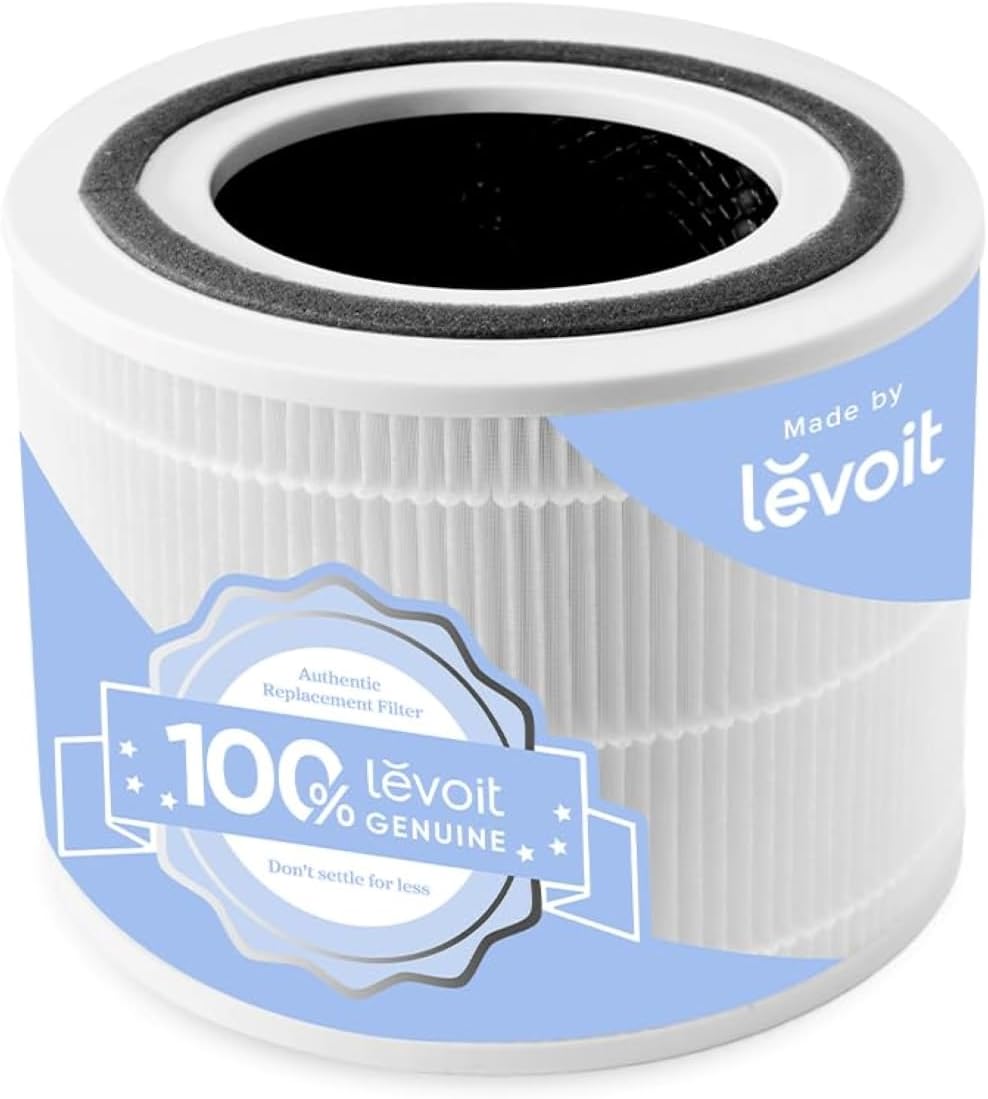
| Levoit Core 300S | True HEPA, Activated Carbon, Smart Control, Quiet Operation | Small rooms, budget-friendly, smart features |
| Winix 5500-2 | True HEPA, PlasmaWave, Activated Carbon, Washable AOC | Medium to large rooms, odor control focus |
| Austin Air HealthMate | Medical-grade HEPA, Large Carbon Bed, Durable Construction | Large spaces, long-term heavy smoke exposure |
Note: Availability and specific features may vary by retailer and region.
How to Maximize Your Air Purifier’s Effectiveness During Smoke Events
To get the most out of your best air purifier for wildfire smoke, several practices are recommended. Keep windows and doors sealed tightly to prevent smoke from entering. Run your air purifier continuously on a higher setting during periods of poor outdoor air quality. Consider placing units in frequently used rooms or bedrooms for maximum benefit. Regularly check and clean or replace filters as per the manufacturer’s instructions to maintain optimal performance.
Maintenance and Filter Replacement: Keeping Your Defense Strong
Proper maintenance is crucial for ensuring your air purifier continues to perform at its best. Pre-filters should be cleaned regularly, often weekly, to remove larger particles. HEPA and activated carbon filters typically need replacement every 6-12 months, depending on usage and air quality. Many modern purifiers have indicators to alert you when it’s time for a change, but it’s wise to monitor filter condition visually.
When to Consider Multiple Air Purifiers
For larger homes or multi-story dwellings, a single air purifier may not be sufficient. You might need to strategically place units in key areas like bedrooms, living rooms, and home offices. If smoke is a recurring problem in your region, investing in a system for each main living area can provide comprehensive protection. This layered approach ensures that clean air is accessible wherever you spend your time indoors.
Frequently Asked Questions About Air Purifiers and Wildfire Smoke
What is the most important feature in an air purifier for wildfire smoke?
The most critical features are a True HEPA filter for capturing fine particles and a substantial activated carbon filter for absorbing odors and gases.
How often should I run my air purifier during wildfire smoke?
It’s recommended to run your air purifier continuously on a medium to high setting whenever outdoor air quality is poor due to wildfire smoke.
Can an air purifier completely eliminate wildfire smoke smell?
While a good air purifier with ample activated carbon can significantly reduce smoke odors, complete elimination may depend on the intensity of the smoke and the purifier’s capacity.
Do I need a special air purifier for wildfire smoke, or will any HEPA purifier work?
While any True HEPA purifier offers some benefit, those specifically designed for smoke with high CADR ratings and robust activated carbon filters will be far more effective.
How do I know if my air purifier is working effectively against smoke?
You should notice a reduction in the smoky smell and haze within your home. Air quality monitors can also provide objective readings of PM2.5 levels.
What does “True HEPA” mean?
“True HEPA” filters are certified to remove at least 99.97% of airborne particles 0.3 microns in size, which is crucial for trapping microscopic smoke particles.
Conclusion: Your Shield Against Smoke-Filled Skies
Navigating wildfire season requires proactive measures to safeguard your indoor environment. Investing in the best air purifier for wildfire smoke is a powerful step towards ensuring your home remains a clean and healthy sanctuary. By understanding the critical features like True HEPA filtration, activated carbon, and adequate CADR ratings, you can make an informed decision that offers peace of mind. Prioritize your well-being and breathe easier, knowing you have an essential defense against the challenges of wildfire smoke.