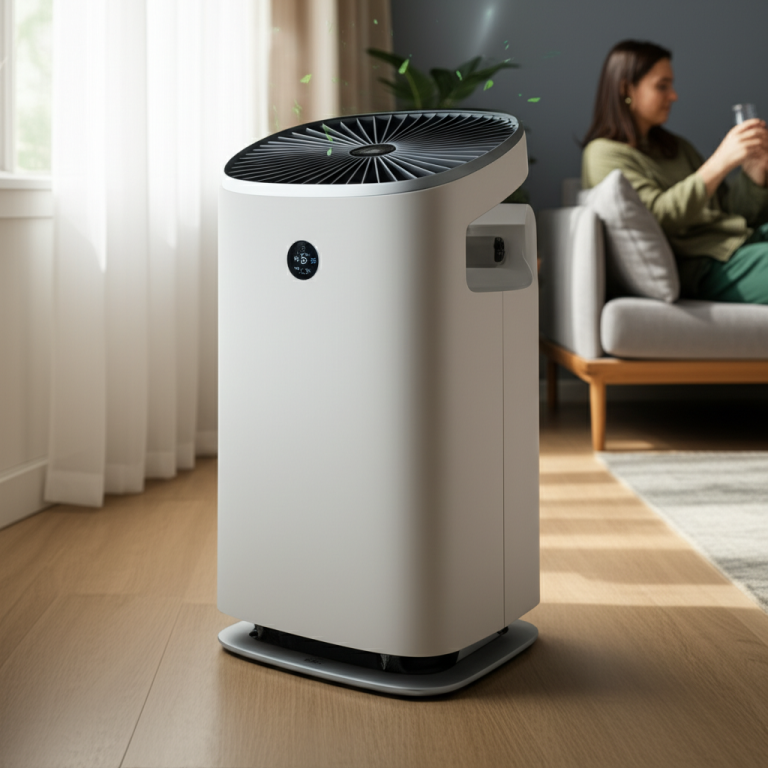
Best Air Purifier Mold: Proven Essential for Clean Air

The best air purifier mold can significantly improve your indoor air quality by capturing airborne mold spores, preventing their spread and reducing allergic reactions. Essential for homes with dampness or visible mold issues, these devices offer a proactive solution for a healthier living environment.
Mold in your home can be a persistent and concerning issue, impacting your health and comfort. Airborne mold spores are often invisible, making it difficult to combat the problem effectively. Fortunately, the best air purifier mold can be your secret weapon in creating a cleaner, healthier living space. I’ll guide you through choosing the right purifier to tackle mold and reclaim your air.
Why Mold is a Serious Indoor Air Pollutant
Mold thrives in damp environments and releases microscopic spores into the air. Inhaling these spores can trigger allergies, asthma symptoms, and other respiratory problems for sensitive individuals.
Visible mold is just the tip of the iceberg; airborne spores are often present even when you can’t see the source. Addressing mold requires a multi-faceted approach, and an air purifier is a crucial component.
How Air Purifiers Combat Mold Spores
Air purifiers work by drawing in indoor air, filtering out contaminants, and releasing cleaner air back into the room. For mold, the key is a high-quality filter capable of trapping these tiny spores.
The effectiveness hinges on the type of filter used and the air purifier’s ability to circulate air thoroughly throughout your space. A good unit ensures that mold spores don’t simply settle back down.
Understanding HEPA Filters: The Gold Standard for Mold
When searching for the best air purifier mold, look for models equipped with True HEPA filters. These filters are certified to capture at least 99.97% of airborne particles as small as 0.3 microns.
Mold spores, typically ranging from 1 to 20 microns, are well within the capture range of True HEPA filters. This makes them incredibly effective at removing these problematic particles from your air.
What Makes a HEPA Filter “True” HEPA?
The term “True HEPA” signifies that the filter meets rigorous standards set by regulatory bodies. Non-HEPA filters, often marketed as “HEPA-like” or “HEPA-type,” do not offer the same level of performance.
Always ensure the product explicitly states “True HEPA” to guarantee its effectiveness against mold spores and other fine allergens.
Beyond HEPA: Activated Carbon and Pre-filters
While HEPA filters are essential for trapping mold spores, other filter types enhance an air purifier’s mold-fighting capabilities. Activated carbon filters are excellent at absorbing odors associated with mold.
Pre-filters capture larger particles like dust and pet dander, extending the life of the HEPA filter. This multi-stage filtration system offers comprehensive protection against various indoor air pollutants.
The Role of Activated Carbon in Mold Remediation
Mold often produces a musty, unpleasant smell. Activated carbon filters, with their porous structure, can adsorb these odor molecules, leaving your home smelling fresher.
This dual action of trapping spores and neutralizing odors makes purifiers with both HEPA and activated carbon filters a superior choice for mold-prone areas.
Key Features to Look for in a Mold-Fighting Air Purifier
When selecting the best air purifier mold, consider its CADR (Clean Air Delivery Rate) for the size of your room. A higher CADR means faster air cleaning.
Look for features like multiple fan speeds, a filter replacement indicator, and quiet operation, especially for bedrooms or living areas.
CADR: Matching Purifier Power to Room Size
The CADR rating indicates how quickly an air purifier can clean the air in a specific room size. For mold, you want a unit with a CADR that matches or exceeds your room’s dimensions.
Manufacturers usually provide recommended room sizes for their purifiers; always check this information to ensure optimal performance.
Additional Features for Enhanced Mold Control
Some purifiers offer specialized modes for allergen or mold control, adjusting fan speed automatically. Others include UV-C light technology, which can help neutralize airborne mold spores, though its effectiveness can vary.
Consider noise levels, energy efficiency (look for ENERGY STAR certification), and ease of maintenance when making your final decision.
Top Air Purifier Brands and Models for Mold Control
Several reputable brands consistently deliver high-performance air purifiers suitable for combating mold. Coway, Levoit, Blueair, and Winix are popular choices known for their effective filtration systems.
These brands often feature True HEPA filters, activated carbon, and robust designs that cater to various room sizes and budgets.
Example Air Purifier Recommendations
For smaller rooms, the Levoit Core 300S with its True HEPA filter is a great option. For larger spaces, the Coway Airmega 200M or the Winix 5500-2 offer excellent coverage and advanced filtration.
Always research specific models, read reviews, and compare their features against your needs for the best air purifier mold solution.
Placement and Maintenance: Maximizing Your Air Purifier’s Effectiveness
Proper placement is key to an air purifier’s performance. Position it in the room where mold is most likely to be an issue or where you spend the most time, away from walls or furniture that could obstruct airflow.
Regular maintenance, including timely filter replacement, is crucial for the best air purifier mold to continue functioning optimally.
Regular Filter Replacement is Non-Negotiable
Filters become saturated with trapped particles over time, reducing their efficiency. Follow the manufacturer’s recommendations for filter replacement, typically every 6-12 months, depending on usage and air quality.
Ignoring filter replacement means your air purifier can become a source of re-circulated pollutants, defeating its purpose.
When to Call a Professional for Mold Issues
While an air purifier is an excellent tool for managing airborne mold spores, it is not a substitute for professional mold remediation. If you have significant visible mold growth or suspect a hidden moisture problem, consult a mold inspection and removal specialist.
A professional can identify the source of the mold, safely remove it, and advise on preventing its return, ensuring a truly healthy home environment.
Frequently Asked Questions About Air Purifiers and Mold
Will an air purifier kill mold?
An air purifier with a HEPA filter captures airborne mold spores, preventing them from circulating and multiplying. It doesn’t kill mold growing on surfaces but helps manage the spores it releases.
Can an air purifier prevent mold from growing?
An air purifier can help reduce the number of airborne mold spores, which are necessary for mold to establish and grow in new areas. However, it cannot prevent mold growth if the underlying moisture issue isn’t addressed.
How often should I run my air purifier for mold?
For best results in combating mold, it’s recommended to run your air purifier continuously, especially in rooms prone to dampness or where mold has been an issue. This ensures constant air circulation and filtration.
What type of filter is best for mold?
A True HEPA filter is the most effective type of filter for capturing mold spores. Combining it with an activated carbon filter can also help remove mold-related odors.
How do I know if my air purifier is working for mold?
You’ll notice a reduction in musty odors and potentially fewer allergy or asthma symptoms. Regularly check your filters; if they become visibly dirty quickly, it indicates they are effectively capturing particles.
Can a small air purifier handle mold in a large room?
For effective mold control in a large room, you need an air purifier with a high CADR (Clean Air Delivery Rate) suitable for that room’s size. A small unit may struggle to clean the air adequately.
Conclusion: Reclaim Your Air with the Best Air Purifier Mold Solution
Investing in the best air purifier mold is a powerful step toward a healthier home. By understanding the importance of True HEPA filters, activated carbon, and proper maintenance, you can effectively manage airborne mold spores.
Don’t let mold compromise your well-being. Choose a quality air purifier, maintain it diligently, and consult professionals for significant mold issues to ensure you’re breathing the cleanest air possible.