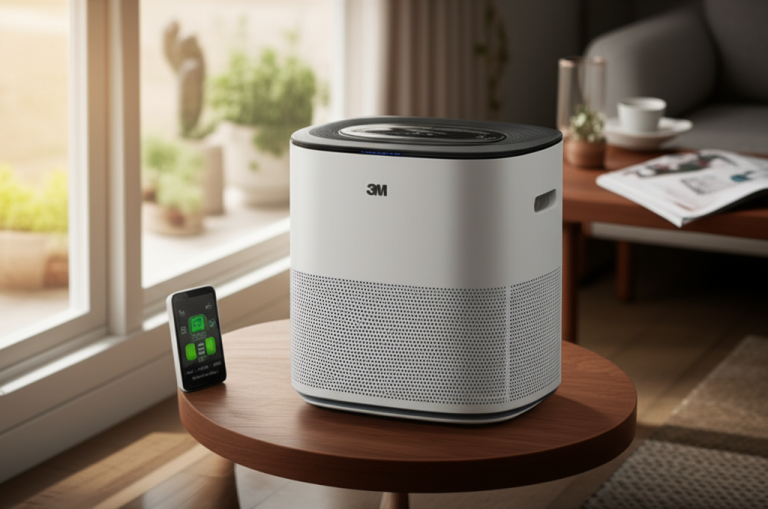
Best Air Purifier For VOCs and Mold: Essential Guide

Find the best air purifier for VOCs and mold to safeguard your home’s air quality. This essential guide explores crucial features, top-rated models, and expert tips for effective allergen and chemical removal, ensuring a healthier living environment.
The air in our homes can harbor unseen threats like Volatile Organic Compounds (VOCs) and mold spores, impacting our health and well-being. Dealing with these invisible invaders can feel overwhelming, but you’re not alone. This guide will demystify air purification, specifically focusing on tackling VOCs and mold effectively. We’ll walk you through what to look for in the best air purifier for VOCs and mold and provide actionable advice to create a cleaner, healthier home sanctuary.
Why VOCs and Mold Are a Concern for Home Air Quality
VOCs and mold are significant indoor air pollutants that can cause a range of health issues. They originate from everyday items and environmental factors, making them a pervasive problem. Understanding their sources is the first step toward mitigating their impact.
What are Volatile Organic Compounds (VOCs)?
VOCs are chemicals emitted as gases from various products and materials found in our homes. They can come from paints, cleaning supplies, furniture, air fresheners, and even cooking. Exposure to VOCs can lead to headaches, dizziness, and long-term respiratory problems.
The Hidden Danger of Household Mold
Mold is a type of fungus that thrives in damp environments, often found in bathrooms, kitchens, basements, and areas with water leaks. Mold spores can become airborne and are easily inhaled, triggering allergic reactions, asthma symptoms, and other respiratory sensitivities. Identifying and removing mold sources is crucial for a healthy home.
Understanding How Air Purifiers Combat VOCs and Mold
Air purifiers work by drawing in contaminated air, passing it through a series of filters, and releasing cleaner air back into the room. Different filter types are effective against different pollutants, making filter technology a key consideration. For VOCs and mold, specific filtration methods are paramount.
The Role of HEPA Filters in Air Purification
High-Efficiency Particulate Air (HEPA) filters are designed to capture at least 99.97% of airborne particles as small as 0.3 microns. This includes common allergens like dust mites, pollen, pet dander, and, importantly, mold spores. A true HEPA filter is essential for effectively removing these physical contaminants.
Activated Carbon Filters: The VOC Slayer
Activated carbon filters are porous materials treated to be highly absorbent, making them exceptionally effective at trapping gases and odors. This is precisely what makes them crucial for combating VOCs. The activated carbon adsorbs chemical pollutants, effectively removing them from the air you breathe.
The Synergy of Multiple Filtration Stages
The most effective air purifiers for VOCs and mold utilize a multi-stage filtration system. This typically includes a pre-filter for larger particles, a HEPA filter for fine particles like mold spores, and an activated carbon filter for VOCs and odors. This layered approach ensures comprehensive air cleaning.
Key Features to Look for in the Best Air Purifier for VOCs and Mold
Selecting the right air purifier involves scrutinizing its specifications and features to ensure it meets your specific needs for VOC and mold removal. Beyond basic filtration, several other aspects contribute to a purifier’s effectiveness and user experience.
Coverage Area and CADR Ratings
The coverage area indicates the size of the room the air purifier can effectively clean. Clean Air Delivery Rate (CADR) ratings measure how quickly a purifier can clean a room of specific pollutants (smoke, dust, pollen). Higher CADR ratings for smoke are often indicative of good VOC removal capacity due to the nature of the chemicals involved.
Filter Replacement Frequency and Cost
Air purifiers require regular filter maintenance to remain effective. Consider the cost and availability of replacement filters, as well as how often they need to be changed. Some purifiers have indicators to alert you when a filter needs replacing, simplifying maintenance.
Noise Levels and Energy Efficiency
Air purifiers operate continuously, so their noise level is an important consideration, especially for bedrooms or living areas. Look for models with low decibel ratings or “sleep modes.” Energy efficiency is also a factor, as it impacts your electricity bill over time.
Additional Features: Smart Capabilities and Air Quality Sensors
Many modern air purifiers come with smart features like app control, scheduling, and voice assistant integration. Air quality sensors can monitor your indoor air and automatically adjust the purifier’s fan speed to optimize cleaning. These can be particularly useful for addressing fluctuating VOC and mold levels.
Top-Rated Air Purifiers for VOCs and Mold in [Current Year]
Based on expert reviews and user feedback, several air purifiers stand out for their ability to tackle VOCs and mold effectively. These models offer a robust combination of filtration technology, performance, and user-friendly features, making them strong contenders for the best air purifier for VOCs and mold.
Coway Airmega 200M: A Solid Performer
The Coway Airmega 200M is often praised for its excellent filtration capabilities, including a true HEPA filter and an activated carbon filter specifically designed to capture VOCs and odors. Its compact design and quiet operation make it suitable for various room sizes. It’s a reliable choice for improving indoor air quality.
Levoit Core 300S: Smart and Effective
Levoit’s Core 300S offers a three-stage filtration system, featuring a pre-filter, a true HEPA filter, and a high-efficiency activated carbon filter. This combination is highly effective against mold spores and VOCs. Its smart capabilities allow for convenient control via a smartphone app.
Blueair Blue Pure 211+ Auto: Large Room Coverage
For larger spaces, the Blueair Blue Pure 211+ Auto is a compelling option. It boasts a unique HEPASilent technology that combines electrostatic and mechanical filtration to capture particles, including mold. The activated carbon filter effectively tackles VOCs and odors, making it a comprehensive solution.
Winix 5500-2: Advanced Filtration and Smart Features
The Winix 5500-2 is a popular choice due to its multi-stage filtration, which includes a washable AOC (Advanced Odor Control) carbon filter and a true HEPA filter. It also features PlasmaWave technology, which can help break down airborne pollutants. Its auto mode and air quality sensor ensure efficient operation.
Dyson Purifier Cool TP07: High-Tech Performance
Dyson’s Purifier Cool TP07 combines a HEPA filtration system with an activated carbon layer to capture both particles like mold spores and gases like VOCs. Its intelligent sensing technology monitors air quality and reports it in real-time. The bladeless design also adds a unique aesthetic appeal.
How to Maximize Your Air Purifier’s Effectiveness Against VOCs and Mold
Simply purchasing an air purifier isn’t enough; proper placement and maintenance are crucial for optimal performance in combating VOCs and mold. Following these tips will help ensure your device works efficiently.
Strategic Placement in Your Home
Place your air purifier in the room where you spend the most time or where air quality issues are most prevalent, such as bedrooms or living rooms. Ensure there’s adequate space around the unit for air to circulate freely, typically at least a foot from walls and furniture. Avoid placing it directly next to windows or doors that are frequently opened.
Regular Maintenance and Filter Changes
Adhering to the manufacturer’s recommended filter replacement schedule is non-negotiable for maintaining effectiveness. Dirty filters become less efficient and can even recirculate trapped pollutants. Clean washable pre-filters regularly according to the manual’s instructions.
Addressing the Source of VOCs and Mold
An air purifier is a powerful tool, but it’s not a magic bullet. To truly improve your home’s air quality, it’s essential to address the root causes of VOCs and mold. This includes fixing leaks, improving ventilation, reducing humidity, and choosing low-VOC products.
Comparing Air Purifier Technologies for VOCs and Mold
Different air purification technologies offer varying levels of effectiveness against VOCs and mold. Understanding these differences will help you make an informed decision about the best approach for your home.
HEPA vs. Other Particle Filters
While true HEPA filters are the gold standard for capturing microscopic particles like mold spores, other filters exist. Some purifiers use washable electrostatic filters, which can be effective but may not capture particles as finely as HEPA. Always look for “true HEPA” for maximum particle removal.
Activated Carbon vs. Other Gas Filters
Activated carbon is highly effective for adsorbing VOCs due to its large surface area. Other technologies, like photocatalytic oxidation (PCO) or UV-C light, are sometimes used to neutralize gases and kill mold spores. However, PCO can sometimes produce ozone, which is a lung irritant.
The Importance of a Multi-Stage Approach
Combining HEPA filtration for particles and activated carbon filtration for gases provides the most comprehensive solution for tackling both mold spores and VOCs. This dual approach ensures that your air purifier addresses the diverse range of pollutants present in indoor environments.
Identifying VOCs and Mold Sources in Your Home
Before investing in an air purifier, it’s beneficial to understand where VOCs and mold commonly originate. Proactive identification allows you to address these sources directly, complementing the work of your air purifier.
Common Sources of VOCs
Many common household items emit VOCs. These include fresh paint, new furniture (off-gassing), cleaning products, air fresheners, aerosols, permanent markers, and even some types of flooring and carpeting. Understanding off-gassing periods for new items is helpful.
Signs of Mold Growth and Dampness
Mold typically appears as discoloration on surfaces (black, green, white, or orange) and often comes with a musty odor. Look for signs of moisture, such as condensation on windows, peeling wallpaper, damp spots on walls or ceilings, or water stains. Leaky pipes or roofs are prime culprits.
Testing Your Indoor Air Quality
For a more definitive assessment, consider using an indoor air quality (IAQ) monitor or a professional testing service. These tools can identify specific VOC levels and the presence of mold spores, helping you pinpoint problem areas and confirm the effectiveness of your purification efforts.
Creating a Mold-Resistant Home Environment
Beyond air purification, implementing strategies to prevent mold growth is crucial for long-term health. Controlling humidity and addressing moisture are the most effective ways to deter mold.
Managing Indoor Humidity Levels
The ideal indoor humidity level is between 30% and 50%. Use a dehumidifier in damp areas like basements and bathrooms, and ensure proper ventilation when cooking or showering. Regularly check for and repair any leaks in plumbing or roofing.
Improving Ventilation
Good airflow helps prevent moisture buildup, a primary factor in mold growth. Open windows when weather permits, use exhaust fans in kitchens and bathrooms, and consider a whole-house ventilation system if necessary. This helps dilute indoor pollutants, including VOCs.
Cleaning and Maintenance Practices
Regular cleaning, especially in areas prone to moisture, can prevent mold from taking hold. Wipe down shower walls after use, clean up spills immediately, and ensure that laundry areas are well-ventilated. Using mold-resistant paints can also be beneficial.
Frequently Asked Questions About Air Purifiers for VOCs and Mold
Here are answers to some common questions people have when looking for the best air purifier for VOCs and mold.
Q1: Can an air purifier completely eliminate mold?
An air purifier can significantly reduce airborne mold spores, but it cannot eliminate mold that is actively growing on surfaces. Addressing the moisture source and cleaning visible mold is essential for complete mold removal.
Q2: How much should I spend on an air purifier for VOCs and mold?
The cost of effective air purifiers for VOCs and mold varies, but expect to spend between $150 and $500 for a quality unit with HEPA and activated carbon filters. Higher-end models with advanced features may cost more.
Q3: How often do I need to replace the filters?
Filter replacement schedules vary by model and usage. Generally, HEPA filters should be replaced every 6-12 months, and activated carbon filters may need replacement every 3-6 months, especially if dealing with significant VOCs. Always check your manufacturer’s recommendations.
Q4: Will an air purifier help with a musty smell?
Yes, an air purifier with a substantial activated carbon filter is excellent at adsorbing odors, including the musty smell associated with mold. The HEPA filter will also capture any airborne mold spores contributing to the smell.
Q5: Can air purifiers produce ozone?
Some air purification technologies, like PCO or ionizers, can produce ozone as a byproduct. Ozone is a lung irritant. It’s best to choose purifiers with true HEPA and activated carbon filters that do not intentionally produce ozone, or ensure any ozone-producing features can be turned off.
Q6: Are air purifiers safe for pets?
Generally, air purifiers are safe for pets. However, some pets might be sensitive to the noise or the airflow. If your air purifier uses an ionizer, ensure it’s certified as ozone-free, as ozone can be harmful to pets.
Conclusion: Breathe Easier with the Right Air Purifier
Investing in the best air purifier for VOCs and mold is a proactive step towards creating a healthier and more comfortable living space. By understanding the distinct roles of HEPA and activated carbon filters, prioritizing multi-stage filtration, and considering essential features like coverage area and noise levels, you can make an informed choice. Remember to also address the sources of mold and VOCs in your home for a truly comprehensive approach to air quality. With the right purifier and consistent maintenance, you can significantly reduce indoor pollutants and enjoy cleaner, fresher air.