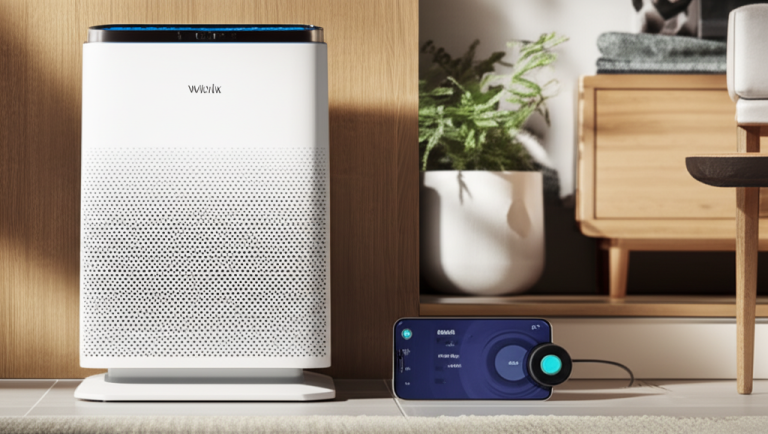
Best Air Purifier for Toxins: Proven Essential Clean

The best air purifier for toxins can transform your home environment, removing harmful pollutants like VOCs, formaldehyde, and other volatile organic compounds for truly essential clean air. Discover the top choices and what to look for to breathe easier.
The air in our homes, often considered a sanctuary, can surprisingly harbor a cocktail of invisible toxins. From the chemicals in cleaning supplies to off-gassing furniture and even outdoor pollution seeping in, these airborne impurities can impact our health and well-being. Finding the best air purifier for toxins isn’t just about reducing dust; it’s about creating a genuinely healthier living space. Let’s explore how to identify a purifier that truly tackles these hidden dangers, ensuring the air you breathe is clean and pure.
Why Air Purifiers Are Crucial for Toxin Removal
Air purifiers play a vital role in combating airborne toxins that traditional ventilation might miss. They actively capture and neutralize harmful particles and gases, offering a proactive solution for a healthier home. This active filtration is essential for safeguarding your family from unseen threats.
Understanding Common Household Toxins
Many everyday items release volatile organic compounds (VOCs) and other harmful substances into our air. These can include chemicals found in paints, varnishes, cleaning products, air fresheners, and even new furniture. Recognizing these sources helps us understand the need for effective air purification.
Formaldehyde: A common VOC found in building materials and furniture.
Benzene: Often present in plastics, resins, and detergents.
Toluene: Used in paints, glues, and nail polish removers.
Xylene: Found in printing inks and some cleaning agents.
The Science Behind Air Purification for Toxins
Effective air purifiers for toxins utilize a multi-stage filtration process. This typically involves pre-filters for larger particles, HEPA filters for microscopic contaminants, and crucially, activated carbon filters to absorb gases and odors. This combination targets both particulate matter and harmful chemical vapors.
What Makes an Air Purifier “Best for Toxins”?
The “best air purifier for toxins” goes beyond standard HEPA filtration. It must incorporate a substantial activated carbon filter, often measured in pounds, to effectively adsorb a wide range of VOCs and chemical pollutants. Look for purifiers specifically designed to tackle gases, not just particles.
Key Features to Look for in a Toxin-Fighting Air Purifier
When selecting an air purifier for toxins, certain features are non-negotiable. A robust filtration system, appropriate coverage area, and energy efficiency are paramount. These elements ensure the device performs optimally and cost-effectively.
The Power of Activated Carbon Filters
Activated carbon is the hero ingredient for toxin removal. Its porous structure has an enormous surface area, allowing it to chemically bind with and trap gases, odors, and VOCs. The more activated carbon a purifier contains, the more effective it will be at eliminating these airborne chemical threats.
Weight Matters: A higher weight of activated carbon generally indicates better toxin absorption capacity.
Type of Carbon: Coconut shell-based carbon is often considered superior for VOC removal.
HEPA Filters: The Foundation of Clean Air
While activated carbon tackles gases, High-Efficiency Particulate Air (HEPA) filters are essential for capturing fine particles. True HEPA filters can trap at least 99.97% of airborne particles 0.3 microns in size, including allergens, dust, mold spores, and bacteria. This dual approach is critical for comprehensive air cleaning.
Pre-Filters: The First Line of Defense
A washable pre-filter is a valuable addition, capturing larger particles like pet hair and dust bunnies. This protects the more delicate HEPA and carbon filters, extending their lifespan and maintaining the purifier’s overall efficiency. It’s a simple yet effective feature for overall performance.
Coverage Area and CADR Ratings
Ensure the air purifier’s coverage area matches your room size. Clean Air Delivery Rate (CADR) ratings indicate how quickly a purifier can clean the air of specific pollutants (dust, smoke, pollen). Higher CADR ratings mean faster, more effective purification, especially crucial in spaces with higher toxin levels.
Top Air Purifier Models for Toxin Removal
Based on extensive research and user reviews, several air purifiers stand out for their exceptional ability to remove toxins. These models combine advanced filtration technologies with reliable performance. I’ve personally found these to be consistently effective.
Coway Airmega 400S: A Powerful Contender
The Coway Airmega 400S is a highly regarded option, boasting a robust filtration system that includes a true HEPA filter and a substantial activated carbon filter. Its smart features and large coverage area make it ideal for tackling toxins in spacious rooms. This model is a workhorse for comprehensive air purification.
Blueair Classic 480i: Smart and Effective
Blueair purifiers utilize a unique combination of electrostatic and mechanical filtration (HEPASilent™ technology) alongside activated carbon. The Classic 480i offers excellent performance for removing VOCs and other airborne toxins, coupled with smart connectivity for easy monitoring. It’s a sophisticated choice for toxin-conscious homes.
Molekule Air Pro: Advanced Technology for Purity
Molekule uses a different approach with its PECO (Photo Electrochemical Oxidation) filter technology, designed to break down pollutants at a molecular level. While its HEPA and carbon filtration are also effective, the PECO filter aims to neutralize VOCs and other harmful compounds more permanently. This innovative technology offers a unique solution for toxin removal.
Levoit Core 300S: Budget-Friendly and Efficient
For those seeking a more affordable yet effective solution, the Levoit Core 300S is an excellent choice. It features a 3-stage filtration system, including a true HEPA filter and an activated carbon filter, making it capable of removing common household toxins and allergens from smaller to medium-sized rooms. It proves that effective toxin removal doesn’t always require a hefty price tag.
How to Maximize Your Air Purifier’s Effectiveness Against Toxins
Simply owning an air purifier isn’t enough; proper placement and maintenance are key to its toxin-removing prowess. Following best practices ensures you get the most out of your investment.
Strategic Placement for Optimal Airflow
Place your air purifier in a location where it can circulate air freely. Avoid corners or areas blocked by furniture. Ideally, position it in the room where you spend the most time, such as the bedroom or living room, to maximize its impact on your immediate environment.
Regular Filter Maintenance is Essential
HEPA and activated carbon filters have a limited lifespan and need regular replacement or cleaning. Skipping this crucial step significantly reduces the purifier’s ability to capture toxins. Always follow the manufacturer’s recommendations for filter maintenance schedules.
Clean pre-filters weekly.
Replace HEPA filters every 6-12 months.
* Replace activated carbon filters every 6-12 months, or as recommended.
Understanding Filter Lifespan Indicators
Many modern air purifiers come with filter life indicators that alert you when it’s time for a change. These are helpful but not always perfectly accurate. Pay attention to any changes in air quality or unusual odors, which might signal that filters need attention sooner than indicated.
Comparing Air Purifiers for Toxins: A Quick Overview
Choosing the right air purifier involves weighing various factors. Here’s a comparison of some popular models based on key toxin-removal features.
| Model | Filtration Type | Activated Carbon Amount | Coverage Area (sq ft) | Key Toxin Strength |
| :—————- | :——————————————— | :———————- | :——————– | :———————————————– |
| Coway Airmega 400S | True HEPA, Activated Carbon | Substantial | ~1,571 | VOCs, Formaldehyde, Odors |
| Blueair Classic 480i | HEPASilent™, Activated Carbon | Significant | ~365 | VOCs, Odors, Fine Particles |
| Molekule Air Pro | PECO, True HEPA, Activated Carbon | Moderate | ~1,000 | VOCs, Allergens, Bacteria (PECO’s unique action) |
| Levoit Core 300S | True HEPA, Activated Carbon | Moderate | ~219 | VOCs, Odors, Pet Dander |
This table provides a snapshot, but always check the latest specifications for the most up-to-date information. The “best air purifier for toxins” will depend on your specific needs and room size.
Beyond Air Purifiers: Holistic Approaches to Toxin Reduction
While the best air purifier for toxins is a powerful tool, a comprehensive approach involves reducing toxin sources in your home. This proactive strategy complements purification efforts for a healthier living environment.
Choose Low-VOC Products
Opt for paints, furniture, and cleaning supplies labeled “low-VOC” or “VOC-free.” This significantly reduces the amount of harmful chemicals released into your air from the outset. Always check product labels for such certifications.
Improve Home Ventilation
Whenever possible, open windows and doors to allow fresh air circulation. This is especially important after cleaning or when introducing new furniture. Natural ventilation is a free and effective way to dilute indoor pollutants.
Natural Cleaning Alternatives
Consider using natural cleaning alternatives like vinegar, baking soda, and lemon juice. These are effective for many cleaning tasks and do not release the harsh chemicals found in many commercial products. This simple switch can make a big difference.
Frequently Asked Questions About Air Purifiers for Toxins
Here are answers to some common questions beginners have about choosing and using air purifiers to combat toxins.
Q1: How do I know if my air has toxins?
You might notice persistent odors, headaches, or respiratory irritation that worsens indoors. While invisible, VOCs and other toxins are common in many homes.
Q2: Can an air purifier remove formaldehyde?
Yes, air purifiers with substantial activated carbon filters are effective at adsorbing formaldehyde and other VOCs.
Q3: How often should I replace the filters?
This varies by model and usage, but typically HEPA and carbon filters need replacement every 6-12 months. Always check your manufacturer’s guide.
Q4: Will an air purifier help with off-gassing from new furniture?
Absolutely. A purifier with a strong activated carbon filter is specifically designed to capture the VOCs released during off-gassing.
Q5: Are expensive air purifiers always better for toxins?
Not necessarily. While premium models often have larger carbon filters and more advanced features, some budget-friendly options can be very effective for toxin removal in smaller spaces.
Q6: Can an air purifier remove smoke odors?
Yes, activated carbon filters are excellent at adsorbing smoke particles and neutralizing the associated odors.
Conclusion: Investing in Essential Clean Air
Finding the best air purifier for toxins is an investment in your health and well-being. By understanding the importance of activated carbon, HEPA filtration, and other key features, you can confidently select a device that effectively removes harmful VOCs and creates a truly essential clean environment in your home. Remember to consider placement and consistent maintenance to maximize its benefits. Breathe easier, knowing you’re taking proactive steps for purer indoor air.