
Best Air Purifier for Smoke Particles: Proven Essential

Best Air Purifier for Smoke Particles: Proven Essential for Cleaner Air
A top-rated air purifier for smoke particles is crucial for removing harmful pollutants from your home, ensuring a healthier living environment. This guide will help you find the best option to combat smoke effectively, from wildfire to cigarette smoke.
Dealing with smoke particles in your home can be incredibly frustrating and concerning for your health. Whether it’s from wildfires, cooking accidents, or secondhand smoke, these tiny irritants can linger in the air, causing respiratory issues and unpleasant odors. But don’t worry, finding the right solution is achievable. This guide will walk you through everything you need to know to select the best air purifier for smoke particles, ensuring you can breathe easy again.
Why Smoke Particles Demand a Specialized Air Purifier
Smoke particles are more than just a nuisance; they pose significant health risks. These microscopic pollutants can penetrate deep into your lungs, exacerbating conditions like asthma and allergies, and contributing to long-term respiratory problems. A standard air filter might not be enough to capture these ultra-fine particles.
Choosing an air purifier specifically designed for smoke particles means investing in a device equipped with advanced filtration technology. These purifiers are engineered to capture not only the visible smoke but also the invisible, harmful compounds and volatile organic compounds (VOCs) that accompany it. This targeted approach is essential for truly improving your indoor air quality.
Understanding Smoke Particle Sizes and Their Impact
Smoke consists of a complex mixture of gases and fine particulate matter, often referred to as PM2.5. These particles are incredibly small, measuring less than 2.5 micrometers in diameter, making them invisible to the naked eye. Their minuscule size allows them to bypass your body’s natural defenses and travel deep into your respiratory system.
The impact of these particles can range from immediate irritation, like coughing and watery eyes, to more serious long-term health effects. Understanding the science behind smoke particles highlights why a powerful and effective air purification system is not just a luxury but a necessity for many households.
Key Features to Look for in an Air Purifier for Smoke
When searching for the best air purifier for smoke particles, several features are non-negotiable. The most critical is a True HEPA filter, which is certified to capture 99.97% of airborne particles as small as 0.3 microns. For smoke, this is paramount.
Beyond the HEPA filter, look for an activated carbon filter. This type of filter is excellent at adsorbing gases, odors, and VOCs commonly found in smoke. Additional features like a pre-filter to catch larger particles and a high CADR (Clean Air Delivery Rate) for smoke are also vital indicators of performance.
True HEPA Filtration: The Gold Standard
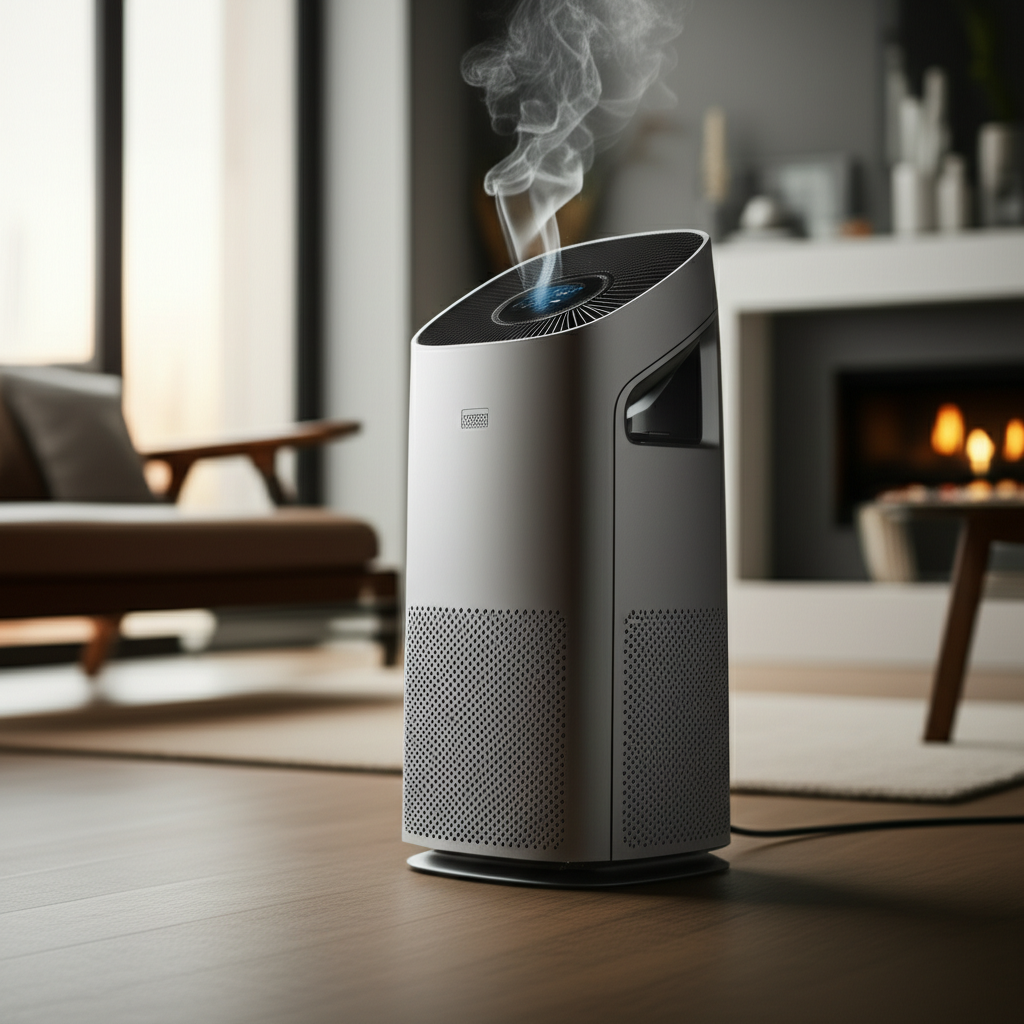
A True HEPA (High-Efficiency Particulate Air) filter is the cornerstone of any effective air purifier for smoke. These filters are rigorously tested and certified to meet specific standards for particle removal. They are designed to trap even the smallest airborne contaminants that contribute to smoke odor and health issues.
When a manufacturer claims “HEPA-like” or “HEPA-type” filters, be cautious. Always look for the “True HEPA” certification to ensure you’re getting the highest level of filtration performance necessary for tackling smoke particles. This is a non-negotiable feature for optimal air purification.
Activated Carbon Filters: Tackling Odors and Gases
While HEPA filters excel at capturing physical particles, activated carbon filters are the heroes for dealing with smoke’s pervasive odors and harmful gases. Activated carbon is a highly porous material that adsorbs, or traps, gaseous pollutants like carbon monoxide, nitrogen dioxide, and the VOCs that cause that acrid smell. The more activated carbon an air purifier contains, the better it will be at neutralizing smoke odors.
Many top-tier air purifiers for smoke combine a True HEPA filter with a substantial activated carbon filter. This dual approach ensures that both the particulate matter and the gaseous components of smoke are effectively removed from your air. Look for models with thick carbon filters for maximum odor absorption.
CADR Ratings for Smoke: A Measure of Power
CADR, or Clean Air Delivery Rate, is a standardized measurement indicating how quickly an air purifier can clean a room of specific pollutants. For smoke, you’ll want to pay close attention to the smoke CADR rating. A higher smoke CADR means the unit can process a larger volume of air and remove smoke particles more efficiently.
To choose the right CADR, consider the size of the room you need to purify. A general rule of thumb is to select an air purifier with a CADR rating that is at least two-thirds of the room’s square footage. For example, a 150 sq ft room would benefit from a smoke CADR of at least 100.
Pre-Filters: Extending Lifespan and Efficiency
A washable pre-filter is a valuable addition to any air purifier, especially one intended for smoke. Its primary function is to capture larger airborne particles like pet hair, dust bunnies, and lint. By trapping these bigger items, the pre-filter prevents them from reaching and clogging the more sensitive HEPA and carbon filters.
This not only helps maintain the efficiency of the main filters but also significantly extends their lifespan, saving you money on replacements in the long run. Regularly cleaning the pre-filter is a simple yet effective maintenance step.
Top Air Purifier Models for Smoke Particles in 2024
After extensive research and considering factors like filtration capabilities, coverage area, and user reviews, I’ve identified several best air purifier for smoke particles models that consistently perform well. These units are known for their robust construction, advanced technology, and proven effectiveness against smoke.
Here’s a look at some of the leading contenders, each offering a unique blend of features to combat smoke effectively. Remember to check the specific room size recommendations for each model to ensure optimal performance.
Coway Airmega 200M: A Versatile Performer
The Coway Airmega 200M is a popular choice for its excellent balance of performance and affordability. It features a multi-stage filtration system, including a True HEPA filter and an activated carbon filter, making it highly effective against smoke particles and odors. Its smart sensor technology automatically adjusts fan speed based on air quality.
This model is suitable for medium to large rooms, offering a strong CADR for its class. The intuitive controls and quiet operation make it a user-friendly option for everyday use. It’s a reliable workhorse for cleaner indoor air.
Blueair Classic 405: Scandinavian Design, Powerful Filtration
Blueair is renowned for its sleek Scandinavian design and innovative filtration technology. The Classic 405 utilizes a combination of electrostatic and mechanical filtration (HEPASilent™ technology) to capture even ultra-fine particles, including those from smoke. Its activated carbon filter effectively tackles odors and VOCs.
This unit is designed for medium to large rooms and is known for its energy efficiency and quiet operation. The integrated air quality sensor and auto mode simplify operation, making it an excellent choice for maintaining consistently clean air.
Levoit Core 300S: Smart Features for Smaller Spaces
For those with smaller rooms or specific needs, the Levoit Core 300S offers smart capabilities and effective filtration. It employs a 3-stage system with a True HEPA filter, an activated carbon filter, and a fine preliminary filter. Its compact design makes it ideal for bedrooms or home offices.
The “S” in Core 300S indicates its smart features, allowing control via a smartphone app and voice commands. It also boasts a high CADR for its size and operates very quietly, making it a great value for targeted smoke purification.
Winix 5500-2: A Budget-Friendly Powerhouse
The Winix 5500-2 is a consistent top performer, especially considering its attractive price point. It features a True HEPA filter, an advanced activated carbon filter (often derived from coconut shells), and PlasmaWave technology, which creates hydroxyls to neutralize airborne pollutants. It’s highly effective against smoke particles and associated odors.
This model is recommended for medium to large rooms and includes an auto mode with air quality sensors. Its robust filtration and comprehensive feature set make it one of the best value options for combating smoke.
Rabbit Air MinusA2: Customizable for Specific Needs
The Rabbit Air MinusA2 offers a unique customizable filtration system, allowing you to choose specific filters based on your primary concerns. For smoke, you can select their specialized “MSG” (deodorization) filter to enhance odor removal. It also includes a True HEPA filter and an activated carbon filter.
This unit is designed for medium to large rooms and is praised for its quiet operation and stylish design. Its ability to tailor filters makes it an excellent choice for individuals with multiple air quality concerns, including smoke.
Comparing Top Air Purifiers for Smoke Particles
To help you make an informed decision, here’s a comparison table highlighting key features of some of the best air purifiers for smoke particles.
| Model | Filtration Type | Coverage Area (sq ft) | CADR (Smoke) | Key Feature | Price Range |
| :——————- | :————————————————– | :——————– | :———– | :———————————————- | :———- |
| Coway Airmega 200M | True HEPA, Activated Carbon, Pre-filter | 361 | N/A (High) | Auto Mode, Smart Sensor | $$ |
| Blueair Classic 405 | HEPASilent™, Activated Carbon, Pre-filter | 390 | N/A (High) | Energy Efficient, Quiet Operation | $$$ |
| Levoit Core 300S | True HEPA, Activated Carbon, Preliminary Filter | 219 | 141 | Smart Control, Compact Design | $ |
| Winix 5500-2 | True HEPA, Activated Carbon, PlasmaWave | 360 | 232 | Auto Mode, Excellent Value | $$ |
| Rabbit Air MinusA2 | True HEPA, Activated Carbon, Customizable Filters | 500 | N/A (High) | Customizable Filters, Quiet, Stylish Design | $$$ |
Note: CADR ratings can vary by specific model variant and manufacturer testing. Always check the product specifications.
How to Maximize Your Air Purifier’s Effectiveness Against Smoke
Simply purchasing a great air purifier isn’t the end of the story; proper placement and maintenance are key to ensuring it performs at its best against smoke particles. Think of it as giving your purifier the best environment to do its job.
Placing your air purifier in the room where smoke is most likely to occur or where you spend the most time is crucial. For persistent smoke issues, running it 24/7 on an auto mode is ideal. Regular filter maintenance is also non-negotiable for sustained performance.
Strategic Placement for Optimal Airflow
The location of your air purifier significantly impacts its ability to circulate and clean the air. For the best results, place it on a level surface away from walls and furniture that could obstruct airflow. This allows the unit to draw in air from all sides and distribute clean air effectively throughout the room.
Consider placing it in the center of the room or in a high-traffic area where smoke is most prevalent. If you’re dealing with smoke from a specific source, like a fireplace or kitchen, positioning the purifier nearby can help capture pollutants before they spread.
Regular Maintenance: The Key to Longevity
Neglecting maintenance can drastically reduce an air purifier’s effectiveness and lifespan. The most critical maintenance task is cleaning or replacing the filters according to the manufacturer’s recommendations. This ensures that the filters can continue to trap smoke particles and gases efficiently.
A clean pre-filter is essential for protecting the HEPA and carbon filters. Many pre-filters are washable, making this a simple and cost-effective task. For HEPA and carbon filters, follow the manufacturer’s guidelines for replacement, which is typically every 6-12 months depending on usage and air quality.
When to Consider an Air Purifier for Smoke
There are several scenarios where an air purifier becomes not just beneficial, but essential for your health and comfort. If you live in an area prone to wildfires, even if the smoke isn’t directly entering your home, the fine particles can seep in.
Secondhand smoke from cigarettes or vaping is another major reason. Even if you don’t smoke yourself, exposure to others’ smoke indoors can be harmful. Additionally, if you frequently cook smoky foods or have pets that contribute to indoor air pollution, an air purifier can make a significant difference.
Wildfire Smoke and Air Purification
Wildfire smoke is a growing concern for many regions, and its impact on indoor air quality can be severe. The tiny particulate matter in wildfire smoke can penetrate deep into the lungs, causing respiratory distress. A high-quality air purifier with a True HEPA filter is your best defense against these airborne threats.
When wildfire smoke is present, it’s advisable to keep windows and doors closed and run your air purifier on its highest setting. Consider models with high CADR ratings specifically for smoke to ensure rapid and effective air cleaning.
Secondhand Smoke and Its Dangers
Secondhand smoke contains thousands of chemicals, many of which are toxic and carcinogenic. Even brief exposure can be harmful, and prolonged exposure significantly increases the risk of respiratory illnesses, heart disease, and certain cancers. An air purifier equipped with both a True HEPA filter and a substantial activated carbon filter is crucial for mitigating these risks indoors.
The activated carbon is particularly important for neutralizing the strong odors and VOCs associated with tobacco smoke. For a truly smoke-free environment, consistent operation of a powerful air purifier is key.
Cooking and Other Household Smoke Sources
Beyond wildfires and smoking, everyday activities like cooking can release smoke and particulate matter into your home. Burnt toast, charred meats, or even intense frying can produce smoke that lingers and pollutes your air. Similarly, candles or incense can also contribute to indoor air pollution.
An air purifier can help clear the air after cooking or other smoky events, reducing odors and improving overall air quality. Placing it in or near the kitchen can be particularly effective.
Air Purifier Technologies Beyond HEPA and Carbon
While True HEPA and activated carbon filters are the most critical components for smoke removal, some air purifiers incorporate additional technologies. These can offer supplementary benefits but should be evaluated carefully, as some can produce byproducts.
One such technology is PCO (Photocatalytic Oxidation). PCO uses UV light and a catalyst to break down pollutants. Another is ionization, which charges particles to make them easier to capture. It’s important to research these technologies and choose purifiers from reputable brands that prioritize safety and effectiveness.
PlasmaWave Technology: An Added Benefit?
PlasmaWave technology, found in some Winix models, is designed to break down airborne pollutants at a molecular level. It creates hydroxyls that can neutralize viruses, bacteria, and VOCs. While it can be effective, some users prefer to disable this feature if they are sensitive to any potential byproducts, although it is generally considered safe and ozone-free by the manufacturer.
This technology can offer an extra layer of air purification, complementing the primary HEPA and carbon filtration. It’s a feature to consider if you’re looking for comprehensive air cleaning.
UV-C Light: Killing Germs
UV-C light is known for its germicidal properties, capable of killing bacteria and viruses. Some air purifiers integrate UV-C lamps to sanitize the air as it passes through the unit. While this can be beneficial for reducing airborne pathogens, its effectiveness against smoke particles themselves is limited.
UV-C lamps are best viewed as a secondary feature that adds to the overall air sanitization capabilities of an air purifier, rather than a primary solution for smoke removal.
Choosing the Right Size: Room Coverage Matters
Selecting an air purifier that is appropriately sized for your room is fundamental to its effectiveness. An undersized unit will struggle to clean the air adequately, while an oversized one might be unnecessarily expensive and noisy. Always consider the square footage of the space you intend to purify.
Manufacturers typically provide coverage area recommendations based on CADR ratings. For smoke, aiming for a unit with a CADR rating that allows for at least 4-5 air changes per hour (ACH) in your room is ideal. This ensures the air is thoroughly filtered multiple times an hour.
Understanding ACH (Air Changes per Hour)
ACH, or Air Changes per Hour, refers to how many times the air in a room is completely filtered by the air purifier within one hour. For general air purification, 2-3 ACH is often sufficient. However, when dealing with smoke particles, which are particularly harmful and pervasive, aiming for a higher ACH of 4-5 is highly recommended.
A higher ACH means the air purifier is working more diligently to remove smoke contaminants quickly and efficiently. This is especially important during periods of heavy smoke exposure.
Frequently Asked Questions About Air Purifiers for Smoke
Q1: Do air purifiers really work for smoke?
Yes, the best air purifier for smoke particles with True HEPA and activated carbon filters is highly effective at removing smoke particles and odors from the air. They capture the harmful fine particles and neutralize the gases that cause that distinct smoky smell.
Q2: How often should I run my air purifier for smoke?
For best results, especially during periods of smoke exposure (like wildfire season or if someone smokes indoors), it’s recommended to run your air purifier continuously on an auto mode. This ensures the air is constantly being cleaned.
Q3: Can an air purifier remove cigarette smoke smell?
Absolutely. A good air purifier with a robust activated carbon filter is specifically designed to adsorb and neutralize the odor molecules in cigarette smoke, making your home smell fresher.
Q4: What is the most important filter type for smoke?
The most important filters for smoke are a True HEPA filter to capture fine particles and an activated carbon filter to adsorb odors and harmful gases. These two working together provide the most comprehensive smoke removal.
Q5: Do I need a special air purifier for wildfire smoke?
While any air purifier with True HEPA and activated carbon will help, models with higher CADR ratings for smoke and larger activated carbon filters are particularly beneficial for tackling the dense particulate matter and strong odors associated with wildfire smoke.
Q6: Will an air purifier completely eliminate smoke from my home?
An air purifier can significantly reduce smoke particles and odors, dramatically improving air quality. However, complete elimination might be challenging if the source of smoke is continuous and strong. Consistent use and proper maintenance are key to minimizing its presence.
Conclusion: Breathe Easier with the Right Air Purifier
Investing in the best air purifier for smoke particles is a proactive step towards safeguarding your health and enhancing your living environment. By understanding the critical features like True HEPA and activated carbon filtration, and by choosing a unit appropriately sized for your space, you can effectively combat the harmful effects of smoke.
Don’t let smoke particles compromise your well-being. With the right air purifier, you can enjoy cleaner, fresher air and peace of mind, knowing you’ve made a proven essential choice for a healthier home.
