Best Air Purifier for Smoke and Allergies: Proven Relief

Discover the best air purifier for smoke and allergies to finally breathe easy. This guide offers proven solutions and expert insights for immediate relief from irritants, ensuring a healthier home environment.
Breathing in smoke or allergen-filled air can be incredibly frustrating, impacting your comfort and well-being daily. Whether it’s wildfire smoke, cooking fumes, or seasonal pollen, finding effective relief is paramount. Fortunately, the right air purifier can make a significant difference. I’m here to guide you through selecting the best air purifier for smoke and allergies, ensuring you find a solution that truly works.
Why an Air Purifier is Essential for Smoke and Allergy Sufferers
Air purifiers are vital tools for removing airborne pollutants that trigger allergies and cause respiratory distress from smoke. They capture microscopic particles like dust, pollen, pet dander, mold spores, and smoke particles, creating a cleaner breathing environment.
The Impact of Smoke on Air Quality
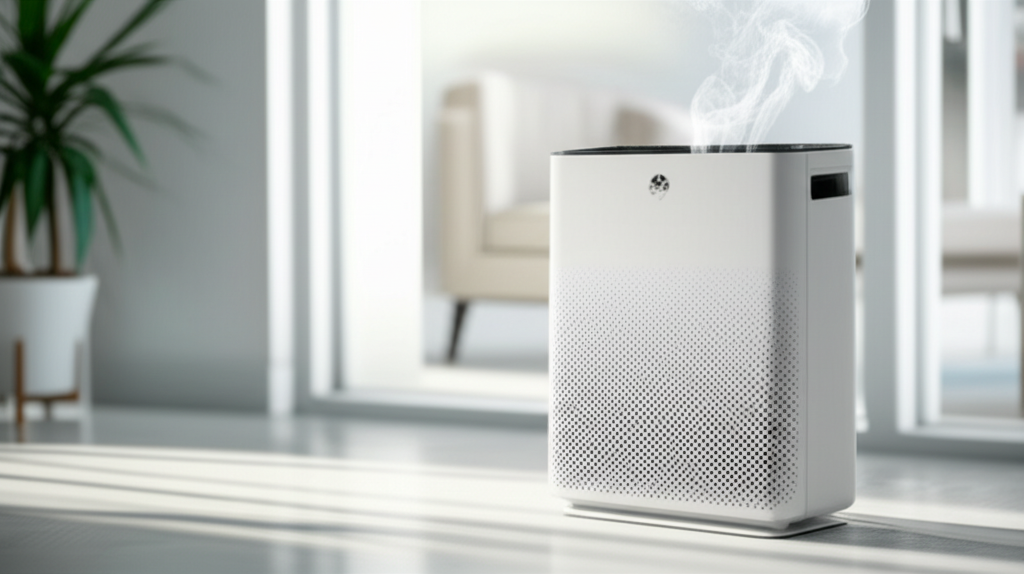
Smoke, whether from wildfires, fireplaces, or cooking, releases fine particulate matter (PM2.5) and volatile organic compounds (VOCs) into the air. These tiny particles can penetrate deep into the lungs, causing irritation and exacerbating respiratory conditions.
Understanding Common Allergens
Common allergens such as pollen, dust mites, pet dander, and mold spores are microscopic and can trigger sneezing, coughing, itchy eyes, and other uncomfortable symptoms. An air purifier effectively traps these irritants before they reach your airways.
Key Features to Look for in the Best Air Purifier for Smoke and Allergies
When searching for the best air purifier for smoke and allergies, specific features are crucial for optimal performance. Prioritizing these will ensure you invest in a device that effectively tackles your unique air quality concerns.
HEPA Filtration: The Gold Standard
A True HEPA filter is non-negotiable for tackling smoke and allergies. It captures 99.97% of airborne particles as small as 0.3 microns, including smoke particles, dust, pollen, and dander. Look for certifications like ENERGY STAR and CARB compliance for efficiency and safety.
Activated Carbon Filters for Odors and Gases
Beyond particulate matter, smoke and some allergens release odors and gases. An activated carbon filter adsorbs these VOCs, cooking smells, pet odors, and chemical fumes, making your home smell fresh and clean. The more carbon, the better the odor removal.
Pre-filters for Larger Particles
A washable pre-filter catches larger particles like hair and lint, extending the life of the HEPA and carbon filters. This not only saves you money on replacements but also maintains the purifier’s efficiency over time.
CADR Ratings: Performance Indicators
Clean Air Delivery Rate (CADR) indicates how quickly an air purifier can clean a room of smoke, dust, and pollen. Higher CADR ratings mean faster air purification. Choose a CADR rating appropriate for your room size to ensure effective performance.
Room Size and Coverage Area
Air purifiers are rated for specific room sizes. Ensure the purifier you choose is designed for the square footage of the area you intend to use it in. Overestimating coverage is better than underestimating for maximum effectiveness.
Noise Levels (dB)
Consider the decibel (dB) rating, especially for bedrooms or living areas. Quieter models often have a “sleep mode” or lower fan speeds. A rating below 50 dB is generally considered quiet for continuous operation.
Top Picks: Best Air Purifier for Smoke and Allergies
After extensive research and considering user reviews, here are my top recommendations for the best air purifiers that excel at tackling both smoke and allergy triggers.
1. Coway Airmega 200M: All-Around Excellence
The Coway Airmega 200M is a standout choice for its robust filtration system and effective performance in medium to large rooms. It features a True HEPA filter and an activated carbon filter, making it excellent for smoke and allergen removal. Its smart sensor technology automatically adjusts fan speed based on air quality, and the air quality indicator provides real-time feedback.
- Pros: Excellent filtration, quiet operation, smart auto mode, energy efficient.
- Cons: Filter replacement can be costly.
2. Levoit Core 300S: Smart & Compact Solution
For smaller spaces or those seeking smart features, the Levoit Core 300S is an impressive option. It boasts a 3-stage filtration system including a True HEPA filter and a high-efficiency activated carbon filter, ideal for smoke and common allergens. Its compact design fits easily on desks or nightstands, and the VeSync app allows for remote control and scheduling.
- Pros: Affordable, compact, smart capabilities, quiet operation.
- Cons: Best suited for smaller rooms, filter life could be longer.
3. Blueair Classic 480i: Powerful Performance for Larger Spaces
The Blueair Classic 480i is engineered for superior air purification in larger living areas. Its HEPASilent™ technology combines electrostatic and mechanical filtration to remove 99.97% of airborne pollutants. This model is particularly effective against smoke particles and allergens, while operating at remarkably low noise levels. Its sleek design complements any home decor.
- Pros: High CADR for large rooms, very quiet, stylish design, excellent for smoke.
- Cons: Higher initial cost, filter replacements are an ongoing expense.
4. Winix 5500-2: Budget-Friendly with Advanced Features
The Winix 5500-2 offers exceptional value, combining a True HEPA filter, activated carbon filter, and PlasmaWave™ technology for comprehensive air cleaning. It’s highly effective at capturing smoke particles, pet dander, pollen, and odors. Its auto mode and air quality sensor make operation effortless, and it’s often praised for its effectiveness in medium to large rooms.
- Pros: Great value, effective multi-stage filtration, auto mode, good for pets and smoke.
- Cons: PlasmaWave™ feature can be polarizing for some users.
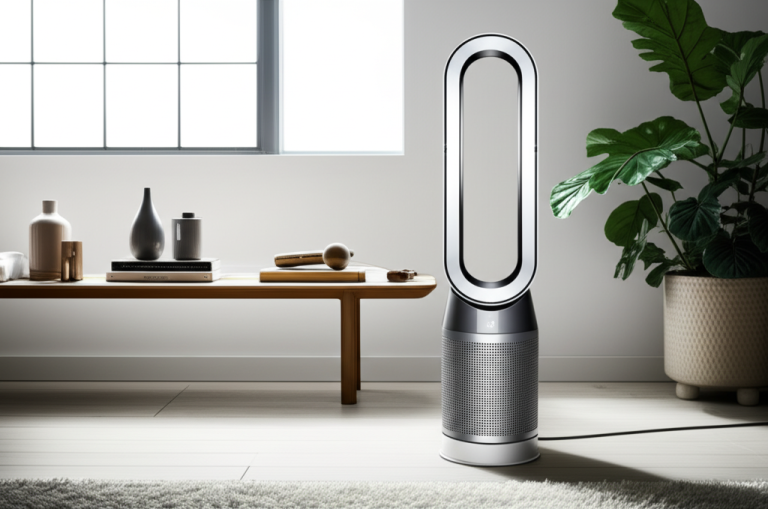
5. Dyson Purifier Cool TP07: Versatile and Stylish
The Dyson Purifier Cool TP07 is more than just an air purifier; it’s also a powerful fan, offering cooling during warmer months. Its sealed HEPA and activated carbon filtration system captures 99.97% of allergens and pollutants. The Air Multiplier™ technology ensures widespread air distribution, and the LCD screen displays real-time air quality reports. It’s a premium choice for those seeking multi-functionality and advanced technology.
- Pros: Multi-functional (purifier + fan), sleek design, excellent app control, comprehensive reporting.
- Cons: Very expensive, filter replacements are costly.
How Air Purifiers Combat Smoke and Allergens: A Deeper Dive
Understanding the mechanisms behind air purification helps in appreciating their effectiveness. These devices employ sophisticated filtration methods to actively clean your indoor air, providing much-needed relief.
The Role of HEPA Filters in Capturing Smoke Particles
True HEPA filters are designed with a dense, fibrous material that acts as a physical barrier. As air passes through, smoke particles, which are often very fine (PM2.5), get trapped within the filter’s maze-like structure. This process is passive but incredibly efficient at removing these harmful airborne irritants.
Activated Carbon’s Power Against VOCs and Odors
Activated carbon has a porous surface that adsorbs gases and odors. When smoke burns, it releases compounds like formaldehyde and benzene. The carbon filter binds to these molecules, preventing them from circulating in your air and eliminating unpleasant smells associated with smoke or other household sources.
Ionizers and Other Technologies (Use with Caution)
Some air purifiers use ionizers or UV-C light. Ionizers release charged particles that attach to pollutants, causing them to fall from the air. UV-C light aims to kill airborne bacteria and viruses. However, ionizers can sometimes produce ozone, which is a lung irritant, so it’s best to choose models with ozone-free certifications or turn this feature off if you are sensitive. Always check for CARB certification for safety.
Factors to Consider for Optimal Air Purifier Placement and Usage
Where you place and how you use your air purifier significantly impacts its performance. Following these tips ensures you get the most out of your investment for effective smoke and allergy relief.
Strategic Placement for Maximum Airflow
Place your air purifier in the room where you spend the most time, such as the bedroom or living room. Ensure there’s at least a foot of clearance around the unit to allow for unobstructed airflow. Avoid placing it directly against walls or furniture that could block intake or output vents.
Running Your Air Purifier Continuously
For continuous relief from smoke and allergens, it’s best to run your air purifier 24/7, especially during periods of high pollution or allergy season. Many modern purifiers are energy-efficient and designed for constant operation, automatically adjusting their fan speed based on detected air quality.
Filter Maintenance for Peak Performance
Regularly cleaning or replacing filters is crucial for maintaining your air purifier’s effectiveness. Pre-filters can often be washed, while HEPA and carbon filters typically need replacement every 6-12 months, depending on usage and air quality. Consult your user manual for specific maintenance schedules.
Comparing Air Purifiers: A Quick Guide
Choosing the right air purifier can feel overwhelming with so many options available. This table simplifies the comparison of key features for common scenarios.
| Feature/Brand | Coway Airmega 200M | Levoit Core 300S | Blueair Classic 480i | Winix 5500-2 | Dyson Purifier Cool TP07 |
|---|---|---|---|---|---|
| Best For | Medium-Large Rooms, All-Around Use | Small Rooms, Smart Features | Large Rooms, Quiet Operation | Medium-Large Rooms, Value | Multi-functional, Premium |
| HEPA Filter | True HEPA | True HEPA | HEPASilent™ | True HEPA | Sealed HEPA |
| Carbon Filter | Yes | Yes | Yes | Yes | Yes |
| CADR (Smoke) | High | Moderate | Very High | High | High |
| Noise Level | Low to Moderate | Very Low | Very Low | Low to Moderate | Low to Moderate |
| Smart Features | Air Quality Sensor, Auto Mode | App Control, Auto Mode | App Control, Auto Mode | Air Quality Sensor, Auto Mode | App Control, Air Quality Display |
Frequently Asked Questions (FAQ)
Can an air purifier completely eliminate smoke smell?
While air purifiers significantly reduce smoke smell by trapping odor-causing particles and VOCs with activated carbon filters, they may not completely eliminate persistent or heavy smoke odors instantly. Continuous use and proper filter maintenance are key.
How often should I replace the filters in my air purifier?
Filter replacement frequency varies by model and usage, but typically HEPA and carbon filters need replacement every 6 to 12 months. Always refer to your air purifier’s user manual for specific recommendations.
Are air purifiers effective against wildfire smoke?
Yes, air purifiers equipped with True HEPA filters are highly effective at capturing the fine particulate matter (PM2.5) that makes up wildfire smoke. Models with substantial activated carbon can also help with associated odors.
Do I need a special air purifier for allergies?
Not necessarily “special,” but one with a True HEPA filter is essential for effectively capturing common allergens like pollen, dust mites, and pet dander. Additional features like activated carbon can help with mold spores and other airborne irritants.
Can air purifiers help with pet dander and odors?
Absolutely. Air purifiers with True HEPA filters capture pet dander, and those with robust activated carbon filters are excellent at neutralizing pet odors. Look for models specifically mentioning pet owners in their features.
Is it okay to run an air purifier all the time?
Yes, it is generally recommended to run air purifiers continuously, especially if you are dealing with persistent smoke or allergy triggers. Modern units are energy-efficient and designed for 24/7 operation, ensuring consistently cleaner air.
What does “True HEPA” mean?
“True HEPA” refers to filters that meet the U.S. standard of capturing 99.97% of airborne particles 0.3 microns in size. This is crucial for effectively trapping smoke particles and allergens.
Conclusion: Breathe Easier with the Right Air Purifier
Finding the best air purifier for smoke and allergies doesn’t have to be a daunting task. By understanding the key features like True HEPA filtration, activated carbon, and appropriate CADR ratings, you can make an informed decision. The models I’ve highlighted offer proven relief from smoke, allergens, and other airborne irritants, helping you create a healthier, more comfortable home environment. Invest in your well-being and start breathing easier today with the right air purifier.