
Best Air Purifier For Small Room: Essential Guide

Best Air Purifier for Small Room: Your Essential Guide to Cleaner Air
Breathe easier in your compact living space. This guide reveals the best air purifier for small rooms, focusing on effective filtration, energy efficiency, and quiet operation to ensure a healthier home environment without breaking the bank.
Living in a small room, whether it’s a studio apartment, dorm room, or home office, presents unique challenges when it comes to air quality. Dust, allergens, pet dander, and even odors can accumulate quickly, making the air feel stale and potentially impacting your health. Finding the right air purifier can make a significant difference, transforming your cozy space into a sanctuary of fresh air. This guide will walk you through everything you need to know to select the best air purifier for a small room, ensuring you make an informed decision for a healthier and more comfortable living environment.
Why Small Rooms Need Dedicated Air Purification
Small rooms, despite their size, can concentrate pollutants more intensely than larger spaces. Limited ventilation options and closer proximity to potential sources of allergens and odors mean that air quality can degrade rapidly. A dedicated air purifier combats this by actively removing airborne particles. This is crucial for allergy sufferers, pet owners, and anyone concerned about indoor air pollution.
Understanding Air Purifier Technology for Compact Spaces
Air purifiers utilize various technologies to clean the air, and understanding these is key to choosing the best air purifier for a small room. HEPA filters are the gold standard for capturing tiny particles, while activated carbon filters tackle odors and VOCs. Other technologies like UV-C light and ionizers have their pros and cons, which we’ll explore to help you make the best choice for your specific needs.
HEPA Filters: The Gold Standard
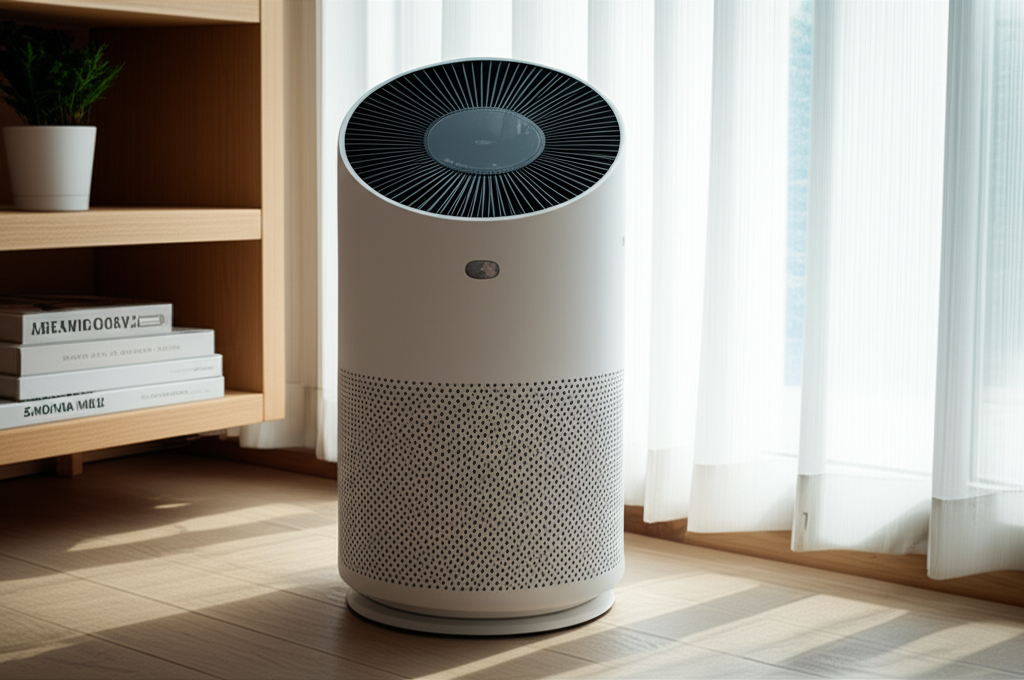
High-Efficiency Particulate Air (HEPA) filters are designed to trap at least 99.97% of airborne particles 0.3 microns in size. This includes common culprits like pollen, dust mites, pet dander, and mold spores. For small rooms, a true HEPA filter ensures that even microscopic allergens are effectively removed from your breathing space.
Activated Carbon Filters: Tackling Odors and VOCs
Activated carbon filters are porous materials that adsorb, rather than absorb, gases and odors. They are highly effective at removing smoke, cooking smells, pet odors, and volatile organic compounds (VOCs) that can off-gas from furniture and cleaning products. A good best air purifier for small room will often combine HEPA and activated carbon for comprehensive cleaning.
Other Filtration Technologies: Pros and Cons
While HEPA and activated carbon are primary, some purifiers feature UV-C germicidal lamps to kill bacteria and viruses, or ionizers that release charged particles to clump pollutants. UV-C can be effective but requires careful consideration of bulb lifespan and potential ozone production. Ionizers can sometimes produce ozone, which can be an irritant for some individuals.
Key Features to Look for in a Small Room Air Purifier
When selecting the best air purifier for a small room, several features are paramount to ensure optimal performance and user experience. These go beyond just the filtration type and include aspects crucial for compact living. We’ll break down what truly matters for your specific needs.
CADR Rating: The Heart of Performance
Clean Air Delivery Rate (CADR) is a measure of how quickly an air purifier can filter the air in a room. It’s measured for smoke, dust, and pollen. For a small room, you don’t necessarily need the highest CADR, but ensuring it’s appropriate for the room’s square footage is vital for effective purification. A higher CADR means faster air cleaning.
Room Size Coverage: Matching the Purifier to Your Space
Every air purifier is rated for a specific room size. It’s crucial to choose a unit that is designed for your room’s dimensions or slightly larger. Overestimating is generally better than underestimating to ensure the purifier can circulate and clean the air effectively. Always check the manufacturer’s recommended room coverage.
Noise Level: Finding Peace and Quiet
In a small room, an air purifier’s noise level can be a significant factor, especially if you’re sleeping or working. Look for units with low decibel (dB) ratings, particularly on their lower fan settings. Many purifiers offer a “sleep mode” that operates at a whisper-quiet level.
Energy Efficiency: Saving Power and Money
Air purifiers run continuously to maintain air quality, so energy efficiency is an important consideration. Look for ENERGY STAR certified models, which meet strict energy efficiency guidelines set by the U.S. Environmental Protection Agency. This ensures your best air purifier for small room won’t significantly impact your electricity bill.
Portability and Design: Fitting into Your Space
For small rooms, the physical size and weight of the air purifier matter. Many compact models are designed to be lightweight and portable, allowing you to easily move them between rooms or position them where needed. Consider the aesthetic design to ensure it complements your decor.
Top Air Purifier Picks for Small Rooms (2024)
After extensive research and considering the essential features, here are some of the top contenders for the best air purifier for small room in 2024. These models offer a great balance of performance, features, and value for compact living spaces.
1. Coway AP-1512HH Mighty Air Purifier
This popular choice consistently ranks high due to its robust performance and smart features. It effectively captures dust, allergens, and odors with its multi-stage filtration system, including a true HEPA filter and an odor filter. Its auto mode adjusts fan speed based on air quality, and its quiet operation makes it ideal for bedrooms.
Pros: Excellent filtration, auto mode, energy-efficient, relatively quiet.
Cons: Filter replacement can be a recurring cost.
2. Levoit Core 300S Smart True HEPA Air Purifier
The Levoit Core 300S is a fantastic option for small rooms, offering smart capabilities at an accessible price point. It features a 3-stage filtration system (pre-filter, true HEPA, activated carbon) and can be controlled via a smartphone app. Its compact, cylindrical design fits seamlessly into most decors.
Pros: Smart features, quiet operation, compact design, affordable.
Cons: Might not be powerful enough for slightly larger small rooms.
3. Blueair Blue Pure 411 Auto Air Purifier
Blueair is known for its sleek designs and efficient air purification. The Blue Pure 411 Auto is specifically designed for smaller spaces and uses a combination of electrostatic and mechanical filtration. Its single-button operation and washable fabric pre-filter make it user-friendly, and it boasts a very low noise level.
Pros: Stylish design, very quiet, easy to use, washable filter.
Cons: Primarily mechanical filtration, may not be as effective for VOCs as carbon-based filters.
4. Winix 5500-2 Air Purifier with PlasmaWave
While slightly larger, the Winix 5500-2 is often recommended for its comprehensive filtration, including a true HEPA filter, activated carbon filter, and PlasmaWave technology. It’s effective in rooms up to 360 sq. ft. and features an auto mode and air quality sensor. The PlasmaWave feature can be turned off if you are sensitive to ionized air.
Pros: Excellent multi-stage filtration, effective for larger small rooms, auto mode.
Cons: Can be a bit noisier on higher settings than some competitors.
How to Place Your Air Purifier for Maximum Effectiveness
The placement of your best air purifier for small room can significantly impact its performance. Proper positioning ensures optimal air circulation and filtration, maximizing the benefits for your living space. Consider these simple guidelines to get the most out of your device.
Optimal Placement Strategies
Place the air purifier in a location where it has unobstructed airflow around it. Avoid placing it directly against walls or furniture, as this can impede its ability to draw in and expel air. Corners of the room are often good spots, provided there’s space for airflow.
Maximizing Air Circulation
Ensure the intake and output vents are clear. If you have a ceiling fan or other ventilation in the room, running it on a low setting can help circulate the purified air more effectively throughout the space. This helps ensure that pollutants are drawn towards the purifier.
Maintenance and Filter Replacement: Keeping Your Purifier Running Smoothly
Regular maintenance is key to ensuring your air purifier continues to deliver clean air efficiently. Neglecting it can reduce its effectiveness and even lead to secondary pollution. Understanding the maintenance schedule for your chosen unit is crucial for long-term performance.
Understanding Filter Lifespans
Different types of filters have varying lifespans. HEPA filters typically need replacement every 6-12 months, while activated carbon filters may need changing more frequently, especially if you’re dealing with strong odors. Always check the manufacturer’s recommendations for your specific model.
Cleaning and Care Tips
Beyond filter replacement, regular cleaning of the pre-filter (if applicable) and the unit’s exterior is important. Many pre-filters are washable, which can extend the life of the main HEPA filter. Dust accumulation on the unit can also hinder its performance.
Common Air Quality Concerns in Small Rooms and How Purifiers Help
Small rooms can become breeding grounds for various airborne irritants. Understanding these common concerns can help you appreciate the value of an air purifier in your compact living space. A good air purifier is a proactive solution to many everyday air quality issues.
Allergens and Asthma Triggers
Dust mites, pollen, pet dander, and mold spores are common allergens that can trigger symptoms in sensitive individuals. An air purifier with a true HEPA filter is highly effective at capturing these microscopic particles, providing relief for allergy and asthma sufferers. This is a primary benefit of having the best air purifier for small room.
Odors and Stale Air
Cooking smells, pet odors, smoke, and general staleness can make a small room feel unpleasant. Activated carbon filters work to adsorb these odor molecules, leaving your air smelling fresh and clean. This is especially beneficial in studio apartments where living and sleeping areas are combined.
VOCs and Indoor Pollutants
Volatile Organic Compounds (VOCs) can be released from paints, furniture, cleaning supplies, and even air fresheners. These can contribute to poor indoor air quality and potential health issues. An activated carbon filter in your air purifier can help reduce these harmful gases.
Choosing the Right Air Purifier: A Step-by-Step Approach
Selecting the best air purifier for small room doesn’t have to be overwhelming. By following a structured approach, you can confidently choose a unit that meets your specific needs and budget. This process ensures you focus on what truly matters.
1. Assess Your Room Size: Measure your room accurately and check the CADR and room coverage specifications of potential purifiers.
2. Identify Your Primary Concerns: Are you dealing with allergies, odors, smoke, or general air freshness? This will guide your choice of filtration technology.
3. Consider Noise Levels: If the purifier will be in a bedroom or workspace, prioritize models with low decibel ratings and sleep modes.
4. Evaluate Additional Features: Think about smart capabilities, energy efficiency (ENERGY STAR), and ease of maintenance.
5. Set Your Budget: Air purifiers range in price. Determine how much you’re willing to spend, factoring in the ongoing cost of replacement filters.
6. Read Reviews: Look for reviews from users with similar room sizes and concerns to gauge real-world performance.
Frequently Asked Questions About Small Room Air Purifiers
Here are answers to some common questions people have when looking for the best air purifier for small room.
Q1: Do I really need an air purifier in a small room?
Yes, small rooms can concentrate pollutants more quickly due to limited airflow. An air purifier actively removes allergens, dust, and odors, improving overall air quality and health.
Q2: What size air purifier is best for a small room?
Look for purifiers rated for your room’s square footage or slightly larger. A higher Clean Air Delivery Rate (CADR) for your room size ensures efficient cleaning.
Q3: How often do I need to replace the filters?
Filter replacement frequency varies by model and usage, but typically HEPA filters last 6-12 months, and carbon filters may need changing every 3-6 months. Always check the manufacturer’s guidelines.
Q4: Can an air purifier help with pet dander and odors?
Absolutely. A true HEPA filter captures pet dander, and an activated carbon filter is excellent at adsorbing pet odors, making it a great addition for pet owners.
Q5: Are air purifiers with ionizers safe for small rooms?
While ionizers can help capture particles, some produce ozone, which can be an irritant. If you’re sensitive, opt for a purifier without an ionizer or one where the feature can be turned off.
Q6: How much noise is too much for an air purifier in a bedroom?
Generally, anything above 50 decibels (dB) can be noticeable. Look for models that operate below 40-45 dB on their lower settings or have a dedicated “sleep mode.”
Conclusion: Breathe Freely in Your Small Space
Choosing the best air purifier for small room is an investment in your health and comfort. By understanding the essential technologies, key features like CADR and noise level, and considering your specific needs, you can find a unit that effectively tackles allergens, odors, and pollutants. Remember to consider placement and regular maintenance for optimal performance. With the right air purifier, your compact living space can become a haven of fresh, clean air, allowing you to breathe easier and live healthier every day.
