
Best Air Purifier For Sleeping: Essential Guide

Sleep soundly with the best air purifier for sleeping. This guide helps you choose a quiet, effective model to eliminate allergens, dust, and odors for a healthier, more restful night. Discover top features and expert tips for optimal sleep quality.
Breathing clean air is fundamental to good sleep, yet many bedrooms are filled with invisible pollutants. Dust mites, pollen, pet dander, and even VOCs from furniture can disrupt your slumber and impact your health. Finding the best air purifier for sleeping can feel overwhelming with so many options available. This essential guide will demystify the process, helping you select the perfect unit to transform your bedroom into a sanctuary of fresh, breathable air, ensuring you wake up feeling refreshed and revitalized.
Why a Dedicated Air Purifier for Sleeping Matters
An air purifier specifically chosen for sleeping environments offers a significant boost to your nightly rest. It actively removes airborne irritants that can trigger allergies, asthma, or simply make breathing uncomfortable. By reducing these microscopic invaders, you create a more conducive atmosphere for deep, uninterrupted sleep. Investing in a quality air purifier for your bedroom is an investment in your overall well-being and daytime energy levels.
Understanding Air Purifier Technologies for Sleep
Different air purification technologies tackle airborne pollutants in unique ways, each with its own benefits for a sleeping environment. Understanding these methods will help you select the most effective solution for your needs.
HEPA Filtration: The Gold Standard
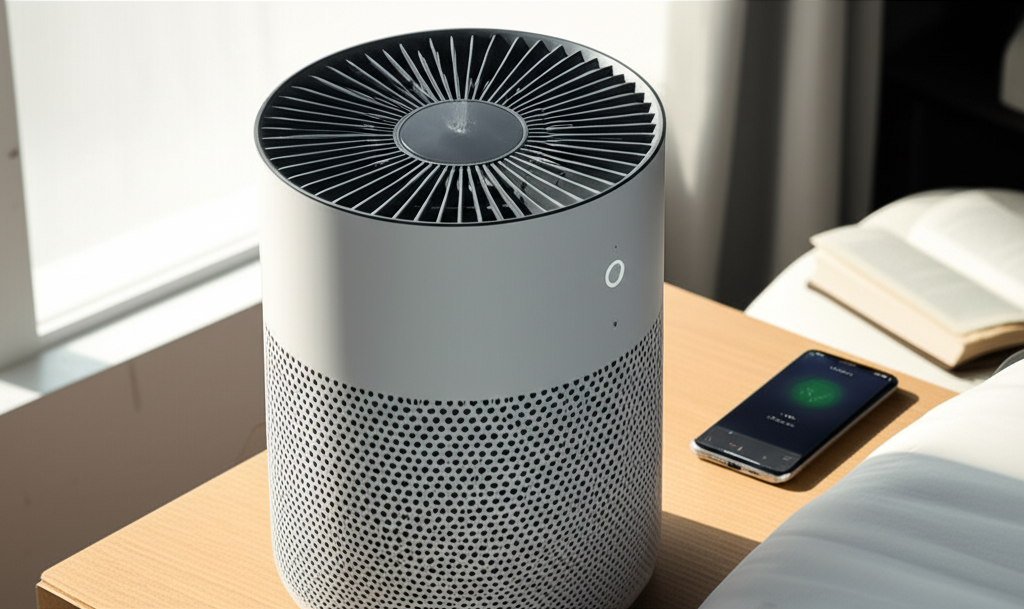
High-Efficiency Particulate Air (HEPA) filters are designed to capture at least 99.97% of airborne particles as small as 0.3 microns. This includes common allergens like pollen, dust mites, pet dander, and mold spores. For allergy sufferers, a true HEPA filter is non-negotiable for a cleaner sleeping space.
Activated Carbon Filters: Tackling Odors and Gases
While HEPA filters excel at capturing particles, activated carbon filters are crucial for adsorbing gases, odors, and volatile organic compounds (VOCs). These can come from cleaning products, new furniture, or even cooking smells that linger. An air purifier with a substantial activated carbon layer ensures your bedroom air is free from unpleasant smells and harmful chemicals.
Other Technologies: Ionizers and UV-C Light
Ionizers release negative ions that attach to airborne particles, causing them to clump together and fall to the ground or stick to surfaces. However, some ionizers can produce ozone, which is a lung irritant, making them less ideal for bedrooms. UV-C light is used to kill bacteria and viruses but is often less effective at capturing particulate matter.
Key Features for the Best Air Purifier for Sleeping
When choosing an air purifier for your bedroom, specific features directly impact its suitability for sleep. Prioritizing these will lead to a more peaceful and restorative night.
Noise Level: The Crucial Factor
This is arguably the most critical feature for an air purifier used during sleep. Look for models with a low decibel (dB) rating on their lowest setting, ideally below 30 dB. Many purifiers offer a “sleep mode” that automatically reduces fan speed and light output for quiet operation.
CADR Rating: Efficiency in Action
Clean Air Delivery Rate (CADR) measures how quickly an air purifier can clean a room of specific pollutants like smoke, dust, and pollen. A higher CADR indicates faster purification, meaning your bedroom air will be cleaner in less time. Ensure the CADR is appropriate for your room size.
Coverage Area: Matching Your Bedroom Size
Air purifiers are rated for specific room sizes (measured in square feet). It’s essential to choose a unit that is adequately sized for your bedroom to ensure effective purification. Using a purifier that’s too small will result in less efficient cleaning and may require it to run on higher, noisier settings.
Filter Replacement Indicators
Knowing when to replace your filters is vital for maintaining optimal performance. Many modern air purifiers come with filter replacement indicator lights that alert you when it’s time for a change. This ensures you’re always breathing the cleanest air possible without having to guess.
Energy Efficiency
Look for air purifiers with an Energy Star certification. These models are designed to consume less electricity, saving you money on your energy bills while still providing excellent air purification. This is especially important if you plan to run the purifier continuously throughout the night.
Top Air Purifier Brands and Models for Bedrooms
Several reputable brands consistently deliver high-quality air purifiers suitable for sleeping environments. I’ve researched some of the best options available.
Levoit: Popular for Quiet Performance
Levoit air purifiers are frequently recommended for their quiet operation and effective multi-stage filtration. Their Core series, particularly the Levoit Core 300 and Core 400S, often feature low noise levels and robust HEPA filtration, making them excellent choices for bedrooms. Many users praise their ease of use and compact design.
Coway: Advanced Features and Smart Technology
Coway is known for its innovative designs and advanced features. Models like the Coway Airmega 200M or the Coway AP-1512HH Mighty offer excellent performance with multi-stage filtration, including true HEPA and activated carbon. Some Coway models also include smart features, allowing for app control and air quality monitoring.
Winix: Excellent Value and Performance
Winix offers a great balance of performance and affordability. The Winix 5500-2 is a perennial favorite, featuring a true HEPA filter, an activated carbon filter, and PlasmaWave technology (which can be turned off if ozone is a concern). It’s often cited for its effectiveness in removing odors and allergens.
Blueair: Sleek Design and Powerful Filtration
Blueair purifiers are recognized for their stylish designs and powerful, quiet filtration systems. Their HEPASilent technology combines electrostatic and mechanical filtration to deliver high performance with minimal noise. Models like the Blueair Blue Pure 211+ Auto are suitable for larger rooms and offer excellent air cleaning capabilities.
Comparing Air Purifiers: A Quick Look
Here’s a simplified comparison of some popular models often considered for sleeping:
| Model | Filtration Type | Noise Level (Low Setting) | Room Size (Sq Ft) | Key Features |
| :——————– | :————————- | :———————— | :—————- | :—————————————— |
| Levoit Core 300 | Pre-filter, True HEPA, Carbon | ~24 dB | Up to 219 | Compact, Quiet, Sleep Mode |
| Coway AP-1512HH Mighty | True HEPA, Carbon | ~24 dB | Up to 361 | Eco Mode, Air Quality Indicator |
| Winix 5500-2 | True HEPA, Carbon, PlasmaWave | ~28 dB | Up to 360 | Auto Mode, Remote Control |
| Blueair Blue Pure 211+ Auto | Particle + Carbon Filter | ~30 dB | Up to 540 | Washable Fabric Pre-filter, Auto Mode |
This table provides a snapshot, but always check the latest specifications for the most accurate comparison.
Placement and Usage Tips for Optimal Air Purification
Where you place your air purifier and how you use it significantly impacts its effectiveness in your bedroom. Simple adjustments can make a big difference.
Optimal Placement for Airflow
Place your air purifier in an open area, away from walls or large furniture that could obstruct airflow. Allowing at least a foot of clearance on all sides ensures the unit can efficiently draw in air and distribute purified air throughout the room. Placing it near your bed can provide the most direct benefit.
Utilizing Sleep Modes and Timers
Most purifiers designed for bedrooms have a dedicated sleep mode that dims lights and lowers fan speed for quiet operation. Additionally, timers can be useful for setting the purifier to run for specific periods, ensuring fresh air when you need it most without running constantly. This conserves energy and minimizes noise when you’re awake.
Regular Filter Maintenance
Consistently changing or cleaning your air purifier’s filters is crucial for its performance. Clogged filters reduce airflow and purification efficiency. Follow the manufacturer’s recommendations for filter replacement or cleaning schedules to ensure your unit continues to operate at its best.
Common Air Quality Concerns in Bedrooms
Bedrooms can accumulate a surprising amount of pollutants that affect sleep quality. Identifying these issues is the first step to resolving them.
Dust Mites and Allergens
Dust mites are microscopic creatures that thrive in bedding, carpets, and upholstery, feeding on dead skin cells. Their waste products are potent allergens that can trigger sneezing, congestion, and itchy eyes, all of which disrupt sleep. A HEPA air purifier is highly effective at capturing these tiny allergens.
Pet Dander
If you share your home with pets, their dander (tiny flakes of skin) can easily find its way into your bedroom. This dander is a common allergen that can cause respiratory issues and allergic reactions, leading to a restless night. Air purifiers with good pre-filters and HEPA filters can significantly reduce pet dander levels.
Volatile Organic Compounds (VOCs)
VOCs are gases emitted from various household products, including paints, cleaning supplies, air fresheners, and even new furniture. These can cause headaches, dizziness, and respiratory irritation, making sleep difficult. Activated carbon filters are essential for removing these harmful chemical compounds from your bedroom air.
Ensuring Quiet Operation for Undisturbed Sleep
The primary concern for many when choosing an air purifier for sleeping is noise. Thankfully, manufacturers are increasingly focusing on quiet, sleep-friendly designs.
Decibel Ratings Explained
Decibel (dB) ratings indicate the loudness of a sound. For an air purifier, look for a model with a low dB rating on its lowest setting, ideally under 30 dB. For reference, 30 dB is about the sound of a whisper. This ensures the purifier’s hum won’t be intrusive.
Features that Promote Quietness
Many purifiers employ specific design features to reduce noise. These can include quieter fan motors, aerodynamic designs to minimize air turbulence, and sound-dampening materials within the unit. Always check product descriptions for mentions of “sleep mode,” “quiet operation,” or low decibel ratings.
The Role of Air Purifiers in Allergy Management
For individuals suffering from allergies or asthma, an air purifier is not just a luxury but a therapeutic tool. It actively removes triggers from the breathing environment.
Reducing Airborne Allergens
By capturing pollen, dust mites, pet dander, and mold spores, a HEPA air purifier dramatically reduces your exposure to common allergens. This can lead to fewer nighttime awakenings due to coughing, sneezing, or congestion, allowing for more restorative sleep. Organizations like the Asthma and Allergy Foundation of America often recommend air filtration as part of an allergy management plan.
Improving Respiratory Health
Consistent use of an air purifier can lead to noticeable improvements in respiratory health over time. Cleaner air means less irritation for your airways, which can reduce inflammation and improve overall lung function. This is particularly beneficial for those with pre-existing respiratory conditions.
Maintaining Your Air Purifier for Peak Performance
To ensure your air purifier continues to provide clean air for your sleep, regular maintenance is essential. This includes filter care and general cleaning.
Filter Replacement Schedule
Always adhere to the manufacturer’s recommended schedule for replacing HEPA and activated carbon filters. These filters become less effective as they capture more pollutants. Ignoring this can lead to reduced performance and even recirculate trapped particles.
Cleaning the Unit
Periodically wipe down the exterior of your air purifier with a soft, dry cloth. You may also need to clean the pre-filter (if it’s washable) according to the manufacturer’s instructions. This prevents dust buildup on the unit itself, ensuring it operates efficiently.
Frequently Asked Questions About Air Purifiers for Sleeping
Here are answers to some common questions about choosing and using air purifiers for a better night’s sleep.
Can an air purifier really help me sleep better?
Yes, by removing allergens, dust, and other irritants from your bedroom air, an air purifier can significantly reduce respiratory discomfort and allergy symptoms, leading to deeper and more restful sleep.
How quiet does an air purifier need to be for sleeping?
Ideally, an air purifier should operate at or below 30 decibels (dB) on its lowest setting, which is comparable to a quiet whisper. Many models have a specific “sleep mode” for this purpose.
How often do I need to replace the filters?
Filter replacement frequency varies by model and usage, but typically HEPA filters need replacing every 6-12 months, and activated carbon filters every 3-6 months. Always check your manufacturer’s recommendations.
Do air purifiers use a lot of electricity?
Most modern air purifiers, especially those with Energy Star ratings, are quite energy-efficient. Running one on a low setting overnight typically adds only a small amount to your monthly electricity bill.
Can I leave my air purifier on all night?
Yes, it is generally safe and recommended to leave your air purifier on all night, especially on its lowest or sleep mode setting, to continuously improve your bedroom air quality.
What is the difference between a HEPA filter and a true HEPA filter?
A “true HEPA” filter is certified to capture at least 99.97% of airborne particles 0.3 microns in size. Some filters are marketed as “HEPA-like” or “HEPA-type,” which may not meet this stringent standard.
Are there any air purifiers that are completely silent?
While no mechanical device is truly silent, some air purifiers are designed to be exceptionally quiet, often below 25 dB on their lowest setting, making them virtually unnoticeable during sleep.
Conclusion: Breathe Easy, Sleep Deeply
Choosing the best air purifier for sleeping is a thoughtful process that prioritizes quiet operation, effective filtration, and appropriate sizing for your bedroom. By understanding the different technologies and key features, you can confidently select a unit that will transform your sleep environment. Investing in a quality air purifier means investing in your health and well-being, ensuring you wake up feeling refreshed and ready to face the day. Make the commitment to cleaner air tonight and experience the profound difference it can make to your sleep quality.
