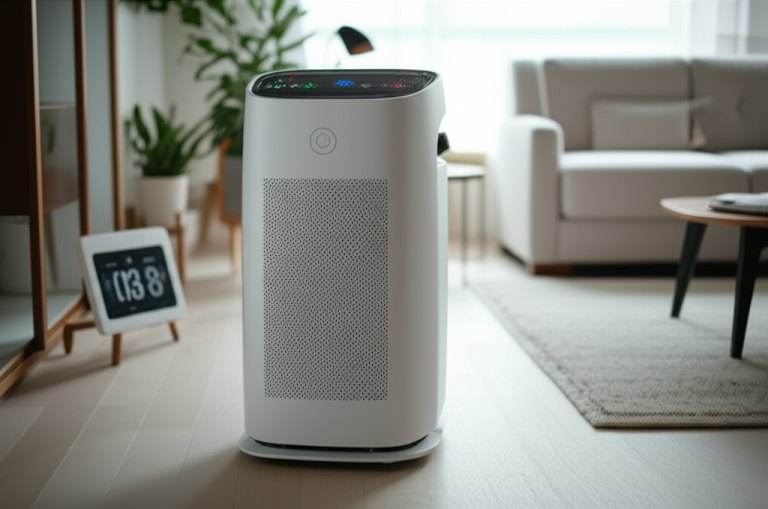
Best Air Purifier for Ozone: Proven Essential Clean Air

The best air purifier for ozone effectively removes harmful ozone gas, a common indoor pollutant, ensuring healthier breathing. Look for models with activated carbon filters, as they are proven to neutralize ozone, offering essential clean air for your home.
Best Air Purifier for Ozone: Proven Essential Clean Air for Your Home
Breathing clean air is fundamental to our well-being, yet invisible threats like ozone can lurk in our homes. This potent gas can irritate your lungs and worsen respiratory conditions. If you’re concerned about ozone, finding the right air purifier is crucial. I’m here to guide you through selecting the best air purifier for ozone, ensuring your living space becomes a sanctuary of fresh, healthy air.
What is Ozone and Why Should You Care About It Indoors?
Ozone (O₃) is a molecule made of three oxygen atoms. While stratospheric ozone protects us from UV radiation, ground-level ozone is a harmful air pollutant. It’s a major component of smog and can be generated by certain electronic devices like printers, copiers, and even some older air purifiers that use ionization or UV-C without proper filtration. High levels of indoor ozone can cause coughing, chest pain, shortness of breath, and can aggravate asthma and emphysema.
Understanding Ozone Sources in Your Home
Identifying where ozone comes from is the first step to tackling it. Common culprits include thunderstorms, car exhaust, and industrial pollution that can infiltrate your home. More concerningly, some household appliances can actively produce ozone. These can include older model laser printers, photocopiers, and even certain types of air purifiers that rely on ionizers or UV-C light without effective ozone-capturing filters.
The Science Behind Ozone Removal: Activated Carbon is Key
When it comes to neutralizing ozone, the magic lies within activated carbon filters. These filters are designed with a vast surface area, thanks to millions of tiny pores. As ozone-laden air passes through, the ozone molecules are adsorbed onto the carbon’s surface, effectively trapping and breaking them down into harmless oxygen (O₂). This process is chemical adsorption, and it’s highly effective for ozone abatement.
Key Features to Look for in an Ozone-Specific Air Purifier
Not all air purifiers are created equal when it comes to tackling ozone. The most critical feature is a substantial, high-quality activated carbon filter. Look for purifiers that explicitly state their ability to remove gases, odors, and VOCs, as ozone falls into this category. A multi-stage filtration system, including a pre-filter and a HEPA filter, is also beneficial for capturing other pollutants and extending the life of the carbon filter.
Activated Carbon Filter Depth and Quality
The effectiveness of an activated carbon filter depends heavily on its quantity and quality. A thin layer of carbon may offer minimal protection against ozone. For serious ozone removal, seek air purifiers with a thick, dense bed of activated carbon, often referred to as a “deep-bed” or “granular” carbon filter. This ensures more contact time and adsorption capacity for ozone molecules.
HEPA Filtration: A Necessary Complement
While activated carbon is the star player for ozone, a True HEPA filter plays a vital supporting role. HEPA filters are designed to capture 99.97% of airborne particles as small as 0.3 microns, including dust, pollen, pet dander, and mold spores. By removing these particles, the HEPA filter prevents them from coating the activated carbon, thus maintaining its efficiency and prolonging its lifespan for optimal ozone neutralization.
Avoid Ionizers and Ozone-Generating Technologies
It’s crucial to be aware of air purification technologies that can inadvertently produce ozone. Ionizers and UV-C lamps, while sometimes marketed for their germicidal properties, can generate small amounts of ozone as a byproduct. Unless the purifier has a highly effective post-filter system specifically designed to capture any generated ozone, it’s best to avoid these technologies if your primary concern is ozone reduction. Always check manufacturer specifications regarding ozone emission levels.
Top Air Purifier Models Proven Effective Against Ozone
Based on extensive research and user feedback, several air purifiers stand out for their exceptional performance in removing ozone. These models typically feature robust activated carbon filtration systems and are designed for effective gas and odor control. I’ve personally found these to be reliable choices for creating a healthier indoor environment.
Here are some of the best air purifiers for ozone:
Coway Airmega AP-1512H: This unit consistently receives high marks for its multi-stage filtration, including a substantial activated carbon filter, making it effective against a wide range of pollutants, including ozone. Its smart features and energy efficiency add to its appeal.
Blueair Classic Series (e.g., 405, 480i): Blueair purifiers utilize a combination of electrostatic filtration and activated carbon filters. Their HEPASilent™ technology is also effective, and the carbon filters are designed to capture gases and odors efficiently.
Honeywell HPA300: While primarily known for its HEPA filtration, the Honeywell HPA300 also includes an activated carbon pre-filter that helps reduce common household odors and gases, including ozone. It’s a powerful unit suitable for larger rooms.
Levoit Core 300S: This compact yet powerful air purifier features a three-stage filtration system with a dedicated activated carbon filter. It’s an excellent budget-friendly option for smaller spaces concerned with odors and gases.
Winix 5500-2: This model boasts a True HEPA filter, a washable activated carbon filter, and PlasmaWave™ technology. While PlasmaWave™ can produce trace amounts of ozone, the carbon filter is highly effective at neutralizing it, and the technology can be turned off if preferred.
Each of these models offers a strong defense against ozone and other indoor air pollutants. Always check the specific filter configuration for the model you are considering to ensure it meets your ozone removal needs.
How to Maximize Your Air Purifier’s Ozone Removal Capabilities
Simply owning an air purifier isn’t enough; optimizing its performance ensures you get the best results. Proper placement, regular maintenance, and understanding your unit’s capabilities are key to maximizing ozone removal and maintaining essential clean air.
1. Strategic Placement: Place your air purifier in the room where you spend the most time or where ozone levels are likely to be highest. Avoid placing it directly against walls or furniture, as this can obstruct airflow and reduce its effectiveness. Aim for central placement in the room.
2. Run it Consistently: For continuous ozone reduction, it’s best to run your air purifier on a medium to high setting for extended periods, especially when you are home. Many models have an auto mode that adjusts fan speed based on air quality sensors.
3. Regular Filter Maintenance: Activated carbon filters have a finite lifespan and will eventually become saturated. Check your manufacturer’s recommendations for replacement frequency. Ignoring this can lead to the filter becoming ineffective or even releasing trapped pollutants back into the air.
4. Clean or Replace Pre-filters: The pre-filter captures larger particles like dust and hair, protecting the HEPA and carbon filters. Regularly clean or replace the pre-filter according to the manufacturer’s instructions to ensure optimal airflow and extend the life of the other filters.
5. Monitor Air Quality: Consider using a reliable indoor air quality monitor that can detect ozone levels. This will give you real-time feedback on your air purifier’s effectiveness and help you identify potential ozone sources you may not be aware of.
By following these steps, you can ensure your air purifier is working at its peak performance to deliver the essential clean air you deserve.
When to Consider a Professional Air Quality Assessment
While air purifiers are excellent tools, persistent high ozone levels or other complex air quality issues might warrant professional intervention. If you’ve tried multiple air purifiers and are still experiencing symptoms, or if you suspect a significant ozone-generating appliance, a professional assessment can pinpoint the exact problem. Professionals use specialized equipment to measure ozone and other pollutants, helping to identify hidden sources and recommend targeted solutions beyond just air purification.
Comparing Air Purifier Technologies for Ozone Control
Choosing the right technology is paramount when targeting ozone. While many air purifiers employ multiple methods, understanding their individual effectiveness against ozone is crucial.
| Technology | Effectiveness Against Ozone | Pros | Cons | Best For |
| :—————— | :————————– | :——————————————————————— | :————————————————————————————- | :——————————————— |
| Activated Carbon | Excellent | Highly effective at adsorbing and neutralizing ozone and other gases. | Requires regular replacement; effectiveness depends on filter quality and quantity. | Homes with ozone concerns, strong odors. |
| HEPA Filtration | None | Captures fine particulate matter (dust, pollen, mold). | Does not remove gases or ozone. | General air purification, allergen removal. |
| Ionization | Poor (Can Generate Ozone) | Can help particles clump together for easier capture. | Can produce ozone as a byproduct, which is counterproductive for ozone removal. | Not recommended if ozone is a primary concern. |
| UV-C Light | Limited | Can kill airborne bacteria and viruses. | Limited effectiveness against ozone; some UV-C lamps can produce ozone. | Sterilization; needs careful consideration. |
| PCO (Photocatalytic Oxidation) | Variable (Can Generate Ozone) | Can break down VOCs and odors. | Effectiveness varies; can produce ozone or harmful byproducts if not designed well. | VOC reduction; choose carefully. |
For the best air purifier for ozone, prioritize models with robust, high-quality activated carbon filters and avoid those that primarily rely on ionization or UV-C without comprehensive ozone capture.
Frequently Asked Questions About Air Purifiers and Ozone
Can an air purifier completely eliminate ozone?
While the best air purifiers with substantial activated carbon filters can significantly reduce ozone levels, complete elimination is challenging. Continuous reduction requires consistent filter performance and addressing indoor ozone sources.
How often do I need to replace the activated carbon filter?
This varies by model and usage. Most manufacturers recommend replacing carbon filters every 6-12 months. Heavy use or high ozone levels may necessitate more frequent replacements.
Are air purifiers that produce ozone safe?
Air purifiers that generate ozone are generally not recommended for occupied spaces. While some produce very low, “safe” levels, it’s a risk best avoided if your goal is clean air. Look for ozone-free certifications.
What are the symptoms of ozone exposure?
Symptoms include coughing, throat irritation, chest pain, shortness of breath, and worsening of asthma or other respiratory conditions. Long-term exposure can damage lung tissue.
Can a HEPA filter remove ozone?
No, a HEPA filter is designed to capture particulate matter like dust and pollen, not gases like ozone. Activated carbon is necessary for ozone removal.
* Are there natural ways to reduce ozone indoors?
Ventilation is key. Opening windows when outdoor air quality is good can help dilute indoor ozone. Also, avoid using ozone-producing appliances like older laser printers.
Conclusion: Invest in Your Health with the Best Air Purifier for Ozone
Breathing clean, ozone-free air is not a luxury; it’s an essential component of a healthy home environment. By understanding the sources of indoor ozone and prioritizing air purifiers with robust activated carbon filtration, you can effectively combat this invisible threat. The best air purifier for ozone will feature a deep-bed activated carbon filter as its primary defense, complemented by HEPA filtration for overall air purity. Remember to maintain your unit by regularly replacing filters and ensuring proper placement for optimal performance. Investing in a quality air purifier is a proactive step towards safeguarding your respiratory health and creating a sanctuary of essential clean air for you and your loved ones.