
Best Air Purifier for Kitchen Smoke: Genius Solution

Banish cooking odors and smoke with the best air purifier for kitchen smoke, a genius solution for a fresher home. Discover essential features and expert tips to choose the perfect unit for your culinary space and breathe easy.
Cooking is a joy, but the lingering smells of smoke and grease can quickly turn a pleasant kitchen into an unpleasant one. From searing meats to burnt toast, airborne particles can spread throughout your home, impacting air quality and leaving a persistent odor. Finding the right air purifier is crucial to combatting these challenges effectively. This guide will walk you through everything you need to know to select the best air purifier for kitchen smoke and reclaim your fresh-smelling home.
Why Kitchen Smoke is a Unique Challenge for Air Purifiers
Kitchen smoke presents a distinct set of airborne pollutants that differ from general household dust or allergens. These include not only fine particulate matter (PM2.5) from burnt food but also volatile organic compounds (VOCs) released during cooking, grease particles, and strong odors. These can be sticky and pervasive, requiring specialized filtration to tackle them effectively.
Understanding the Key Features of a Kitchen-Specific Air Purifier
When looking for the best air purifier for kitchen smoke, certain features are non-negotiable. A robust multi-stage filtration system is paramount, combining a pre-filter for larger particles like grease, an activated carbon filter to neutralize odors and VOCs, and a true HEPA filter to capture microscopic smoke particles. Consider the CADR (Clean Air Delivery Rate) for smoke, which indicates how quickly the unit can purify a room of smoke.
The Power of Activated Carbon Filters for Odor Elimination
Activated carbon filters are the unsung heroes in the fight against kitchen odors. These filters are highly porous, offering a massive surface area that traps and adsorces odor molecules and VOCs. For a kitchen environment, a thicker and more substantial activated carbon filter is often recommended to handle the intensity and variety of cooking smells.
True HEPA Filters: Your Defense Against Fine Smoke Particles
A true HEPA filter is designed to capture at least 99.97% of airborne particles as small as 0.3 microns. This includes the fine particulate matter generated by smoke, which can be easily inhaled and cause respiratory irritation. Ensuring your chosen air purifier has a genuine HEPA filter is essential for removing these harmful microscopic pollutants.
Pre-Filters: The First Line of Defense Against Grease and Dust
The pre-filter is the initial stage of filtration, designed to catch larger particles such as dust, hair, and importantly, grease droplets. In a kitchen setting, a washable or easily replaceable pre-filter is a huge advantage, as it will capture a significant amount of greasy residue, extending the life of your more sensitive HEPA and carbon filters. This makes maintenance simpler and more cost-effective.
Choosing the Right Size: Matching Purifier Capacity to Your Kitchen
The size of your kitchen and the air purifier’s coverage area are critical. Look for the recommended room size and CADR ratings specified by the manufacturer. For kitchens, it’s often best to opt for a unit rated for a slightly larger space than your actual kitchen to ensure efficient and rapid air purification, especially during intense cooking sessions.
Smart Features and Controls for Convenient Operation
Modern air purifiers often come with smart features that enhance convenience. Look for units with auto modes that adjust fan speed based on air quality, timers for scheduled operation, and quiet sleep modes for nighttime use. Wi-Fi connectivity and app control allow you to monitor air quality and adjust settings remotely, making it easier to manage your kitchen’s air.
Top Picks for the Best Air Purifier for Kitchen Smoke
After extensive research and considering the unique demands of kitchen environments, several models stand out. These purifiers offer a powerful combination of HEPA and activated carbon filtration, robust build quality, and user-friendly features specifically suited for tackling smoke and odors. I’ve personally found units from brands like Coway and Levoit to be exceptionally effective.
Here are a few of my top recommendations:
Coway Airmega 200M: Known for its powerful filtration and durable design, this model excels at capturing fine particles and odors. Its four-stage system includes a washable pre-filter, activated carbon filter, and true HEPA filter.
Levoit Core 300S: A more compact and budget-friendly option, the Levoit Core 300S still packs a punch with its 3-stage filtration. It’s ideal for smaller kitchens and boasts smart features for easy control.
* Blueair Blue Pure 211+ Auto: This unit features a unique combination of a fabric pre-filter and a HEPASilent™ technology, offering high performance with a sleek design. It’s particularly effective at removing odors and particles.
Installation and Maintenance: Ensuring Peak Performance
Proper installation and regular maintenance are key to maximizing your air purifier’s effectiveness. Always place the unit in a location where it can draw air freely, avoiding corners or obstructions. Follow the manufacturer’s instructions for filter replacement schedules – typically every 6-12 months for HEPA and carbon filters, depending on usage and air quality. Cleaning the pre-filter regularly will significantly extend the life of other components.
Beyond Smoke: Additional Benefits of a Kitchen Air Purifier
While tackling kitchen smoke is the primary goal, a good air purifier offers broader benefits. It can significantly reduce airborne allergens like pollen and pet dander, improve overall indoor air quality, and help eliminate other household odors from pets or bathrooms. This makes it a valuable addition to your home’s overall well-being, creating a healthier living environment for everyone.
Frequently Asked Questions About Kitchen Air Purifiers
What type of filter is best for kitchen smoke?
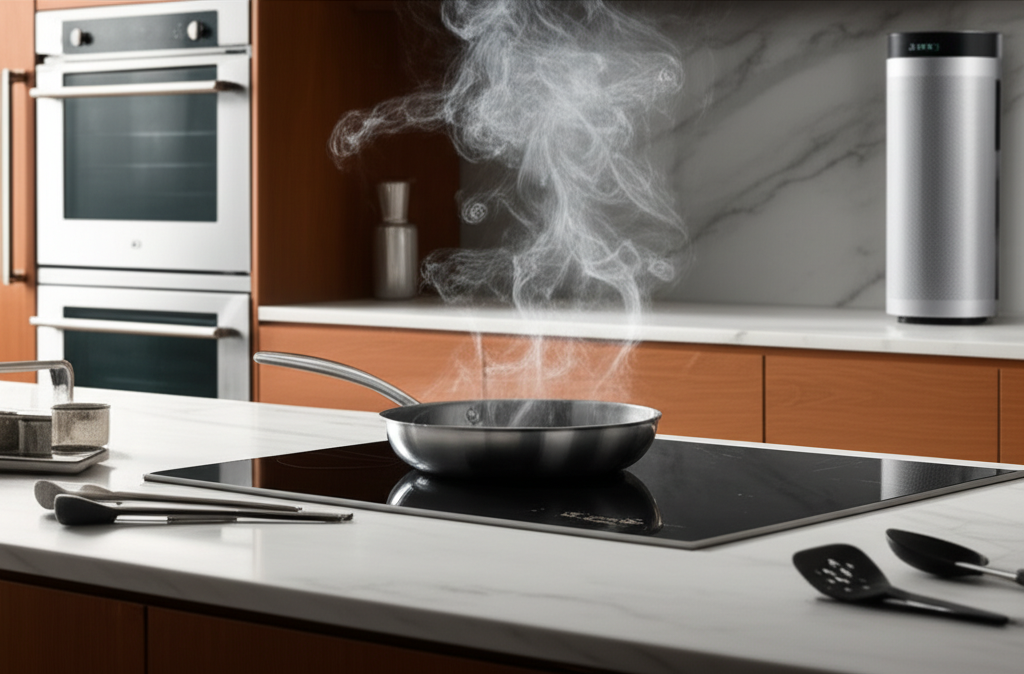
The best air purifier for kitchen smoke will feature a combination of a true HEPA filter to capture fine smoke particles and a substantial activated carbon filter to neutralize odors and VOCs. A pre-filter is also crucial for trapping grease.
How often should I run my air purifier in the kitchen?
For best results, run your air purifier in the kitchen whenever you are cooking, especially if you are frying or searing. Many users also choose to run it continuously on a low setting to maintain fresh air quality.
Can an air purifier completely eliminate cooking smells?
While an air purifier can drastically reduce and neutralize cooking smells, complete elimination might depend on the intensity and duration of cooking. A powerful unit with ample activated carbon can come very close.
Do air purifiers work for grease in the air?
Yes, the pre-filter in an air purifier is designed to capture larger particles like grease. This protects the HEPA and carbon filters from becoming clogged too quickly.
What is CADR for smoke?
CADR (Clean Air Delivery Rate) for smoke measures how effectively an air purifier can remove smoke particles from a room. A higher CADR rating for smoke indicates faster and more efficient purification.
How much does a good kitchen air purifier cost?
Prices can range from under $100 for basic models to over $500 for high-end units with advanced features. For effective kitchen smoke removal, expect to invest between $150 and $300 for a reliable model.
Final Verdict: Invest in Your Kitchen’s Air Quality
Investing in the best air purifier for kitchen smoke is a smart move for any home cook. It not only tackles the immediate problem of smoke and odors but also contributes to a healthier indoor environment. By understanding the essential features like HEPA and activated carbon filtration, considering room size, and performing regular maintenance, you can ensure your kitchen remains a pleasant and fresh space. Say goodbye to lingering cooking smells and embrace the crisp, clean air you deserve with the right air purification solution.
