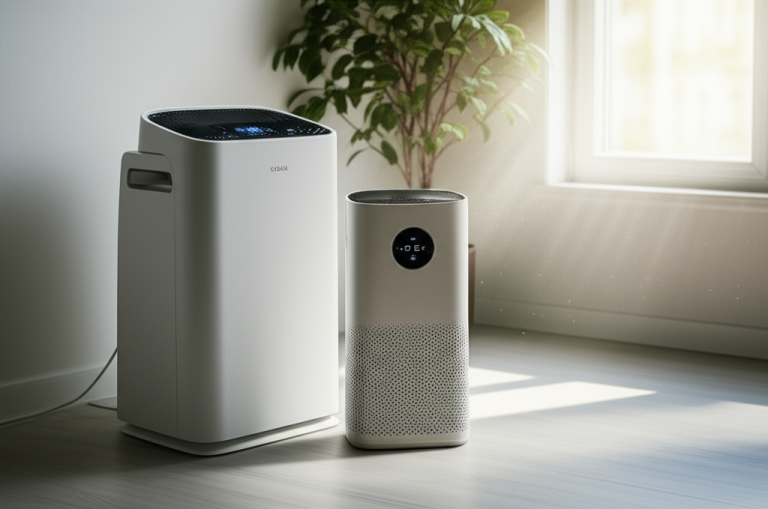
Best Air Purifier for Dental Clinics: Essential Choice

Choosing the best air purifier for dental clinics is crucial for patient and staff safety, ensuring a sterile environment by capturing airborne pathogens, aerosols, and odors. This guide helps you select the ideal unit to maintain optimal air quality and build trust.
Ensuring pristine air quality in a dental clinic isn’t just a preference; it’s a fundamental aspect of patient care and operational safety. Airborne contaminants, from aerosols generated during procedures to common allergens and viruses, pose a constant threat. Finding the best air purifier for dental clinics is essential to mitigate these risks, creating a healthier and more comfortable environment for everyone. This article will guide you through the critical factors to consider, helping you make an informed decision for your practice.
Why Air Purifiers are Non-Negotiable in Dental Clinics
Dental clinics are unique environments where airborne particles and pathogens are a significant concern. Procedures like drilling, scaling, and polishing can aerosolize bacteria, viruses, and even mercury vapors, posing risks to both patients and dental professionals. An effective air purification system is vital for capturing these microscopic threats.
Investing in the best air purifier for dental clinics demonstrates a commitment to health and safety. It significantly reduces the presence of volatile organic compounds (VOCs), dust, and allergens, contributing to a cleaner, fresher atmosphere. This proactive measure not only protects your team but also enhances patient confidence in your practice’s hygiene standards.
The Invisible Threats in Dental Operatories
Every dental procedure, no matter how minor, has the potential to release aerosols into the air. These invisible clouds can carry microorganisms and chemical particles, lingering long after the procedure is complete. Understanding these invisible threats is the first step toward effective mitigation.
Beyond procedure-generated aerosols, dental clinics can also accumulate airborne irritants from dental materials, disinfectants, and even everyday allergens like dust and pollen. These can trigger allergies and respiratory issues, impacting comfort and potentially patient well-being.
Protecting Patients and Staff: A Dual Benefit
The primary benefit of an air purifier in a dental setting is the protection it offers to both patients and staff. By actively removing airborne contaminants, it creates a safer breathing space for everyone present. This is particularly important for immunocompromised patients and staff members with respiratory sensitivities.
A cleaner air environment can also lead to fewer instances of cross-contamination and reduced transmission of airborne illnesses. This contributes to a more robust infection control strategy within the clinic, minimizing potential disruptions to your practice.
Key Features to Look for in a Dental Clinic Air Purifier
When selecting the best air purifier for dental clinics, several key features are paramount to ensure effective air cleaning. These features are designed to tackle the specific challenges found in a dental environment. Prioritizing these aspects will lead to a more efficient and beneficial investment for your practice.
Look for units with robust filtration systems, including medical-grade HEPA filters, activated carbon filters, and pre-filters. These layers work synergistically to capture a wide spectrum of airborne particles and gases. Additional features like UV-C light can also offer enhanced germicidal protection.
HEPA Filtration: The Gold Standard
High-Efficiency Particulate Air (HEPA) filters are the cornerstone of effective air purification. For a dental clinic, it’s crucial to select a unit with a True HEPA filter, capable of capturing at least 99.97% of airborne particles as small as 0.3 microns. This includes bacteria, viruses, mold spores, and fine dust.
Ensure the HEPA filter is medical-grade or H13/H14 rated for maximum efficacy in a clinical setting. Regular replacement of HEPA filters is essential to maintain their performance, so consider the availability and cost of replacement filters when making your choice.
Activated Carbon for Odor and Gas Removal
Dental procedures and materials can release unpleasant odors and harmful volatile organic compounds (VOCs). Activated carbon filters are highly effective at adsorbing these gases, chemicals, and odors, leaving the air smelling fresh and clean.
The amount of activated carbon in an air purifier is critical; a thicker, heavier carbon filter will provide longer-lasting and more effective adsorption. Look for units that specify a substantial amount of activated carbon for optimal performance in a clinic environment.
Pre-Filters: Extending the Life of Main Filters
A washable pre-filter is an invaluable addition, as it captures larger particles like hair, lint, and dust. This prevents these larger contaminants from reaching and clogging the more sensitive HEPA and carbon filters, significantly extending their lifespan and maintaining overall efficiency.
Regular cleaning of the pre-filter is straightforward and can save considerable cost on replacement filters over time. This simple maintenance step ensures your air purifier operates at peak performance for longer periods.
Coverage Area and CADR Ratings
The Clean Air Delivery Rate (CADR) indicates how quickly an air purifier can clean a room of smoke, dust, and pollen. For a dental clinic, you need a unit with a CADR rating that matches or exceeds the size of your treatment rooms and waiting areas.
Consider the square footage of the spaces you intend to purify and choose a purifier rated for a slightly larger area to ensure effective air changes per hour (ACH). Aim for at least 4-5 ACH in treatment rooms for optimal air quality during procedures.
Noise Levels and Energy Efficiency
While powerful filtration is key, the operational noise level of an air purifier is also important, especially in a patient-facing environment. Lower decibel (dB) ratings are preferable for maintaining a calm and comfortable atmosphere during consultations and treatments.
Energy efficiency is another factor to consider, as air purifiers will likely be running for extended periods. Look for units with the ENERGY STAR certification, indicating they meet strict energy efficiency guidelines set by the U.S. Environmental Protection Agency.
Top Air Purifier Models for Dental Clinics
Selecting the best air purifier for dental clinics involves evaluating models known for their robust performance, advanced filtration, and suitability for clinical environments. While specific needs vary, certain brands and models consistently stand out for their effectiveness. I’ve researched some top contenders that excel in capturing airborne contaminants prevalent in dental settings.
These recommendations are based on features like medical-grade HEPA filtration, substantial activated carbon capacity, and proven CADR ratings for efficient air cleaning. Each model offers a distinct set of benefits, catering to different clinic sizes and specific air quality concerns.
Coway Airmega 200M: A Reliable All-Rounder
The Coway Airmega 200M is often cited for its excellent performance and value. It features a multi-stage filtration system, including a washable pre-filter, a deodorizing carbon filter, and a True HEPA filter. Its coverage area is suitable for medium to large rooms often found in dental clinics.
Its smart features, like an air quality sensor and an auto mode, adjust fan speed based on real-time air conditions, ensuring optimal purification without constant manual intervention. This makes it a convenient choice for busy dental practices. Learn more about the Coway Airmega 200M.
Blueair Classic Series: Swedish Engineering for Clean Air
Blueair is renowned for its innovative HEPASilent™ technology, which combines electrostatic and mechanical filtration to deliver high CADR with low noise levels. The Classic series, particularly models like the Blueair Classic 480i or 680i, offers substantial coverage and multi-stage filtration.
These units are designed for performance and energy efficiency, making them a sound investment for continuous operation. The robust construction also ensures durability in a professional setting. Explore the Blueair Classic Series.
Alen BreatheSmart FLEX: Customizable and Quiet Operation
The Alen BreatheSmart FLEX offers a good balance of performance, aesthetics, and quiet operation, making it a popular choice. It features a HEPA-Pure filter that captures allergens, dust, and other particulates, along with an optional medical-grade filter for enhanced protection against airborne pathogens.
Its ability to operate at low decibel levels is a significant advantage in a clinical environment, ensuring it doesn’t disrupt patient comfort or staff communication. The customizable design also allows it to blend well with clinic decor.
Rabbit Air MinusA2: Specialized Filtration Options
The Rabbit Air MinusA2 is a highly regarded air purifier known for its quiet operation and customizable filter options. It includes a medical-grade HEPA filter and a custom filter, which can be chosen based on specific needs, such as tackling odors, VOCs, or even a virus/bacteria option.
This level of customization makes it an excellent choice for dental clinics that may have unique air quality challenges. Its sleek design and effective multi-stage filtration make it a strong contender for the best air purifier for dental clinics. Discover the Rabbit Air MinusA2.
Understanding Air Exchange Rates (ACH)
Air Exchange Rate (ACH) refers to how many times the air in a room is completely replaced by filtered air within one hour. In a dental clinic, a higher ACH is generally more desirable, especially in treatment rooms where aerosol generation is common.
For typical office spaces, 2-3 ACH might be sufficient, but for medical or dental settings, aiming for 4-5 ACH or even higher is recommended. This ensures that any contaminants introduced are rapidly removed, maintaining a safer environment.
Placement and Maintenance Best Practices
Proper placement and consistent maintenance are crucial for maximizing the effectiveness of your chosen air purifier. Even the best air purifier for dental clinics will underperform if not positioned correctly or maintained diligently.
Understanding these practices will ensure your investment provides the best possible air quality for your practice. Regular attention to these details is key to long-term performance and cost-effectiveness.
Optimal Placement Strategies
The ideal placement for an air purifier is in the room where it’s needed most, such as treatment rooms or areas with high patient traffic. Ensure the unit has at least a foot of clearance around it to allow for proper airflow and filtration.
Avoid placing air purifiers directly next to vents or in corners where air circulation might be restricted. Central placement within a room or near the source of potential contamination can be highly effective.
Routine Maintenance Schedule
Regular maintenance is non-negotiable for an air purifier to function optimally. This typically involves cleaning the pre-filter weekly or bi-weekly, depending on the clinic’s environment and usage.
HEPA and carbon filters require periodic replacement, usually every 6-12 months, though this can vary by model and usage intensity. Always follow the manufacturer’s recommendations for filter replacement schedules and cleaning procedures.
Considering Specialized Features for Dental Clinics
Beyond the standard filtration, dental clinics might benefit from specialized features that address unique concerns. These can enhance the overall effectiveness of the air purification system in a clinical setting.
Evaluating these advanced options can lead to a more tailored and effective solution for your practice’s specific needs.
UV-C Germicidal Irradiation
Some air purifiers incorporate UV-C light technology, which is designed to kill or inactivate airborne microorganisms like bacteria and viruses. While not a replacement for HEPA filtration, UV-C can offer an additional layer of protection against biological contaminants.
Ensure that any UV-C feature is properly shielded and certified to prevent ozone production, as ozone can be an irritant. The effectiveness of UV-C can depend on the intensity and duration of exposure to the microorganisms.
Ozone-Free Operation
It is absolutely critical that any air purifier used in a dental clinic operates completely ozone-free. Ozone is a lung irritant and can exacerbate respiratory conditions, making it counterproductive in a healthcare setting. Many older or less sophisticated air purification technologies can produce ozone as a byproduct.
Always choose purifiers that explicitly state they are ozone-free, often verified by certifications like CARB (California Air Resources Board) compliance. This ensures you are not introducing a new hazard while trying to improve air quality.
Cost-Benefit Analysis: Is it Worth the Investment?
The initial cost of purchasing an air purifier can seem significant, but when considering the benefits for a dental clinic, it often proves to be a worthwhile investment. The long-term advantages for patient safety, staff well-being, and practice reputation are substantial.
Weighing the upfront cost against the ongoing benefits provides a clear picture of the value an effective air purification system brings to your practice.
Calculating the ROI
The return on investment (ROI) for an air purifier in a dental clinic is multifaceted. It includes reduced potential for airborne illness transmission among staff, leading to fewer sick days and maintained productivity. It also contributes to a perceived higher standard of care, potentially attracting and retaining patients.
Furthermore, a healthier environment can lead to improved staff morale and reduced exposure to harmful aerosols, contributing to long-term health for your team. The cost of filters and electricity should be factored in, but these are typically modest compared to the benefits.
Long-Term Savings and Value
Beyond direct financial returns, the long-term value of an air purifier is immense. It supports a robust infection control protocol, which is increasingly important in a post-pandemic world. Patients are more discerning about hygiene, and visible efforts like air purification can build trust and loyalty.
The cost of an air purifier is a small price to pay for the peace of mind that comes with knowing you are providing the safest possible environment for your patients and staff.
Frequently Asked Questions (FAQs)
What is the most important feature of an air purifier for a dental clinic?
The most critical feature is a True HEPA filter, capable of capturing at least 99.97% of airborne particles, including bacteria and viruses common in dental aerosols. An effective activated carbon filter for odors and VOCs is also essential.
How many air purifiers do I need for my dental clinic?
The number of air purifiers depends on the size and layout of your clinic. Generally, one unit per treatment room and one for the waiting area is a good starting point, ensuring adequate coverage and air exchange rates.
Can air purifiers remove odors from dental materials?
Yes, air purifiers equipped with substantial activated carbon filters are highly effective at adsorbing and removing odors from dental materials, chemicals, and other VOCs, leaving the air fresh.
Are air purifiers noisy?
Modern air purifiers are designed with quiet operation in mind. Look for models with low decibel (dB) ratings, especially those intended for medical or clinical use, to ensure they don’t disrupt the clinic environment.
How often should I replace the filters in my dental clinic’s air purifier?
HEPA and carbon filters typically need replacement every 6-12 months, depending on usage and the specific model. Pre-filters should be cleaned regularly, often weekly or bi-weekly, to extend the life of the main filters.
Should I choose an air purifier with UV-C light?
UV-C light can offer an additional layer of germicidal protection, but it’s not a substitute for HEPA filtration. Ensure any UV-C unit is ozone-free and properly certified for safety and efficacy in a clinical setting.
Conclusion: Prioritizing Health with the Best Air Purifier for Dental Clinics
Investing in the best air purifier for dental clinics is not an optional upgrade; it’s an essential component of modern dental practice. By diligently selecting a unit with robust HEPA and activated carbon filtration, appropriate coverage, and ozone-free operation, you significantly enhance the safety and well-being of your patients and staff.
Prioritizing clean air demonstrates a profound commitment to health and hygiene, fostering trust and creating a more comfortable environment for everyone. Make the informed choice today to ensure your dental clinic remains a sanctuary of health.