
Best Affordable Air Purifier for Mold: Proven Defense

Banish mold spores from your air with the best affordable air purifier for mold. Discover effective, budget-friendly solutions to protect your home and health, ensuring cleaner air and peace of mind without breaking the bank.
Breathing in mold spores can cause a range of health issues, from allergies and asthma to more serious respiratory problems. If you’ve noticed that musty smell or seen visible mold growth in your home, an air purifier specifically designed to tackle mold can be a game-changer. Finding the right one that’s also affordable might seem daunting, but I’m here to guide you through the process. We’ll explore what makes an air purifier effective against mold and highlight top budget-friendly options that offer proven defense.
Why Mold Air Purifiers Are Essential for Home Health
Mold thrives in damp environments and releases microscopic spores into the air. These spores can trigger allergic reactions, worsen asthma symptoms, and even lead to chronic respiratory illnesses for sensitive individuals. An air purifier acts as a vital line of defense, actively removing these airborne contaminants and improving your indoor air quality.
Investing in a good air purifier is a proactive step towards creating a healthier living space, especially if mold is a recurring concern. It helps to mitigate the health risks associated with mold exposure and provides a more comfortable environment for everyone in your household. Let’s delve into how these devices work to combat mold.
How Air Purifiers Combat Mold Spores
Air purifiers work by drawing in the air from your room and passing it through a series of filters. The most crucial filter for mold is the HEPA (High-Efficiency Particulate Air) filter, which is designed to capture at least 99.97% of airborne particles as small as 0.3 microns. Mold spores typically fall within this size range, making HEPA filters highly effective.
Some purifiers also feature activated carbon filters, which are excellent at absorbing odors associated with mold, further enhancing the air quality. These combined filtration systems ensure that not only are the spores removed, but the unpleasant musty smells are also neutralized, providing a more comprehensive solution for mold-affected areas.
The Power of HEPA Filters Against Mold
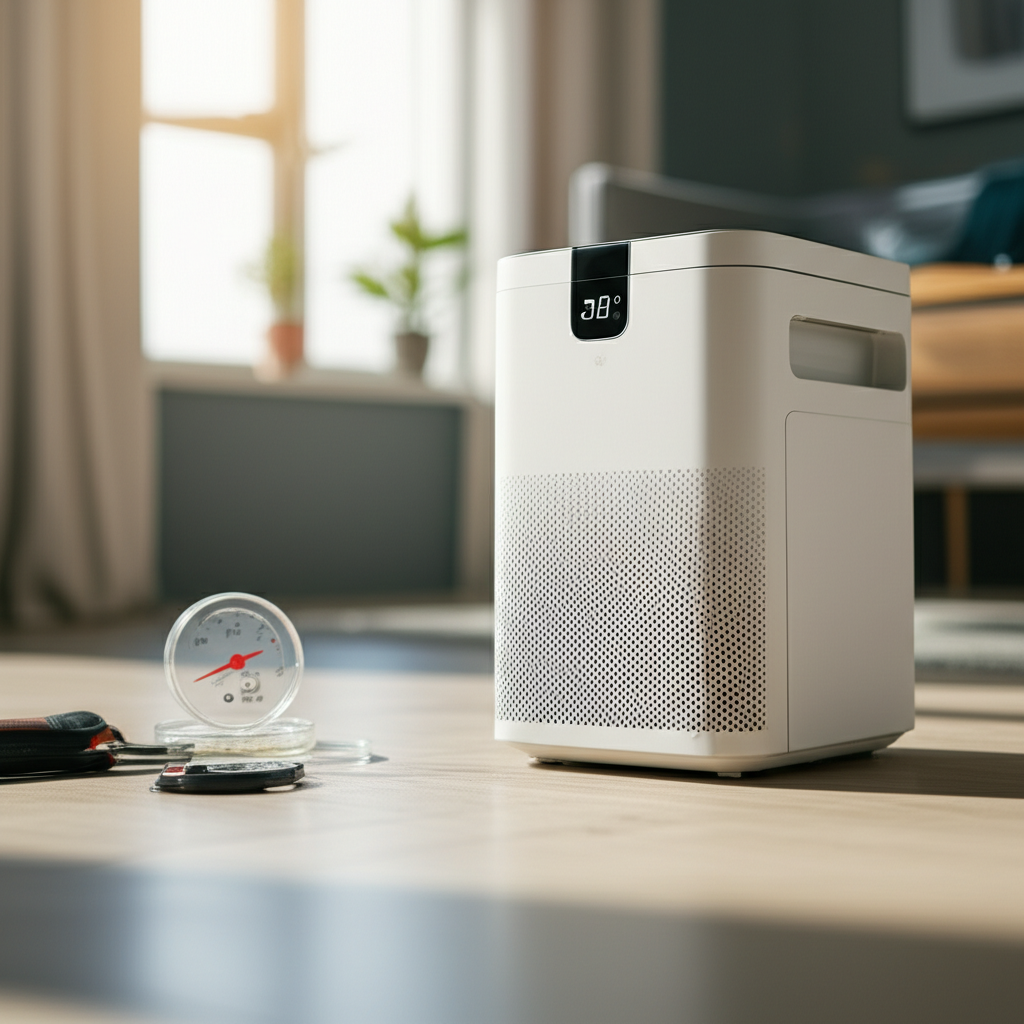
HEPA filters are the gold standard for capturing mold spores. Their dense mesh traps even the tiniest particles, preventing them from recirculating in your home. When choosing an air purifier for mold, always look for a true HEPA filter to ensure maximum effectiveness against these microscopic invaders.
This technology is crucial for anyone suffering from mold allergies or asthma, as it directly addresses the airborne irritants. A HEPA filter ensures that the air you breathe is cleaner and safer, offering significant relief and peace of mind.
Activated Carbon for Odor Neutralization
While HEPA filters trap the mold spores themselves, activated carbon filters tackle the lingering odors. Mold can produce a distinct, unpleasant smell that permeates a home. Activated carbon, with its porous structure, adsorbs these odor molecules, leaving your air smelling fresh and clean.
This dual-action filtration is particularly beneficial in basements, bathrooms, or kitchens where mold and its associated smells are common. It provides a more complete solution for a mold-free and odor-free environment.
Key Features to Look for in an Affordable Mold Air Purifier
When searching for the best affordable air purifier for mold, several features are paramount. Beyond a true HEPA filter and activated carbon, consider the unit’s CADR (Clean Air Delivery Rate) for the room size it needs to cover. A higher CADR means faster air purification. Look for models with multiple fan speeds for flexibility and a quiet sleep mode if it will be used in bedrooms.
Energy efficiency is also a key consideration for affordability, as it impacts your electricity bills over time. Don’t overlook the filter replacement costs, as these can add up. A simple, intuitive control panel and a filter change indicator are also practical additions that enhance user experience.
Understanding CADR for Mold Control
The Clean Air Delivery Rate (CADR) indicates how quickly an air purifier can clean a room of specific pollutants. For mold, you’ll want a CADR that is appropriately matched to your room’s square footage. Manufacturers often provide recommendations for room sizes based on CADR ratings for smoke, dust, and pollen, which are good proxies for mold spore removal efficiency.
Choosing a unit with a CADR that exceeds your room’s requirements ensures that it can effectively circulate and clean the air within a reasonable timeframe. This is vital for actively reducing the concentration of mold spores in your living space.
Noise Levels and Sleep Modes
For living spaces or bedrooms, noise levels are a significant factor. An air purifier that operates too loudly can be disruptive, especially at night. Look for models that specify their decibel (dB) ratings on lower settings. Many affordable units offer a “sleep mode” or “low fan speed” that significantly reduces noise, making them unobtrusive for continuous operation.
This feature is crucial for maintaining a peaceful environment while still benefiting from constant air purification. It allows you to enjoy cleaner air without compromising on comfort or sleep quality.
Filter Lifespan and Replacement Costs
While the initial purchase price of an air purifier is important, the ongoing cost of replacement filters can add up. Research the typical lifespan of both HEPA and activated carbon filters for the models you’re considering. Some filters last 6 months, while others can go for a year or more.
Compare the prices of replacement filters across different brands to find a model that offers a good balance of performance and long-term affordability. This foresight will help you manage your budget effectively and ensure continuous mold protection.
Top Affordable Air Purifiers for Mold Defense (2024 Guide)
Finding the best affordable air purifier for mold involves balancing features, performance, and price. Based on user reviews and expert recommendations, several models stand out for their effectiveness in capturing mold spores and neutralizing odors without a hefty price tag. These options provide proven defense for your home.
I’ve researched several top contenders that consistently receive high marks for their value and performance in combating airborne allergens and irritants like mold. Let’s explore some of the best budget-friendly choices available today.
Levoit Core 300: A Budget-Friendly Powerhouse
The Levoit Core 300 is a popular choice for its compact size, quiet operation, and effective three-stage filtration system, which includes a HEPA filter. It’s ideal for small to medium-sized rooms and offers excellent value for its price, making it a strong contender for the best affordable air purifier for mold.
Its cylindrical design maximizes air intake, and the simple controls make it easy to use. The availability and cost of replacement filters are also reasonable, contributing to its overall affordability. This unit is a reliable option for consistent mold spore removal.
Coway AP-1512HH Mighty: Smart Features on a Budget
While slightly higher in price than the Levoit Core 300, the Coway AP-1512HH Mighty often goes on sale and offers impressive features for its cost. It boasts a true HEPA filter, an ionizer (which can be turned off if preferred), and an air quality sensor that automatically adjusts fan speed. Its multi-stage filtration system effectively captures mold spores and other allergens.
The Coway Mighty is known for its robust performance and energy efficiency, making it a smart investment for long-term mold defense. It’s an excellent example of getting advanced features at an accessible price point.
GermGuardian AC4825: A Reliable All-Rounder
The GermGuardian AC4825 is a popular choice for its combination of a HEPA filter, activated carbon filter, and a UV-C light for sanitization. It’s designed for medium-sized rooms and offers a good balance of features at an affordable price. The UV-C light can help kill airborne mold spores, though its effectiveness can vary.
This unit is praised for its straightforward operation and the noticeable improvement in air quality it provides. The affordability of its replacement filters also makes it an attractive option for budget-conscious consumers seeking mold protection.
Blueair Blue Pure 411: Simplicity and Style
For those prioritizing simplicity and a modern aesthetic, the Blueair Blue Pure 411 is an excellent choice. It uses a unique combination of electrostatic and mechanical filtration (HEPASilent™ technology) to capture particles, including mold spores. It’s incredibly easy to use, with just one button control, and its washable pre-filter comes in various colors.
This air purifier is best suited for smaller rooms and is known for its quiet operation and energy efficiency. While it doesn’t have an activated carbon filter by default, carbon-infused replacement filters are available, adding odor control to its capabilities.
Comparing Affordable Mold Air Purifiers: A Snapshot
To help you make an informed decision, here’s a quick comparison of some of the best affordable air purifiers for mold, highlighting their key specs and suitability for mold control.
| Model | Room Size (Sq Ft) | Filtration Type | CADR (Smoke) | Approx. Price Range | Key Strength |
|---|---|---|---|---|---|
| Levoit Core 300 | 219 | 3-Stage (Pre-filter, True HEPA, Activated Carbon) | 141 CFM | $80 – $100 | Excellent value, quiet, compact |
| Coway AP-1512HH Mighty | 361 | 4-Stage (Pre-filter, Deodorization, True HEPA, Vital Ion) | 126 CFM | $150 – $200 (often on sale) | Smart sensor, auto mode, energy efficient |
| GermGuardian AC4825 | 153 | 3-Stage (Pre-filter, HEPA, Activated Carbon) + UV-C | 100 CFM | $90 – $110 | UV-C sanitization, good all-rounder |
| Blueair Blue Pure 411 | 161 | HEPASilent™ (Electrostatic & Mechanical) | 100 CFM | $120 – $140 | Stylish, very quiet, simple operation |
Remember that prices can fluctuate, and sales can significantly impact the affordability of these units. Always check current pricing and read recent reviews before making your final choice.
Where Mold Hides and How to Prevent It
Mold thrives in damp, dark, and poorly ventilated areas. Common culprits include bathrooms, kitchens, basements, laundry rooms, and even behind furniture where moisture can accumulate. Leaky pipes, condensation, and inadequate ventilation are primary drivers of mold growth. Regularly inspecting these areas for signs of moisture or musty odors is crucial.
Addressing the source of moisture is the first and most critical step in preventing mold. This might involve fixing leaks, improving ventilation through exhaust fans, or using dehumidifiers in damp spaces. An air purifier complements these efforts by cleaning the air of spores that may already be present.
The Role of Dehumidifiers
Dehumidifiers work by removing excess moisture from the air, thereby creating an environment less conducive to mold growth. While they don’t filter spores, they are excellent preventative tools. Pairing a dehumidifier with an air purifier offers a comprehensive strategy for managing mold in humid environments.
Using a dehumidifier in basements or bathrooms can significantly reduce the likelihood of mold establishing itself. Maintaining optimal humidity levels (ideally between 30-50%) is key to a mold-free home. You can find affordable dehumidifiers that work well for smaller spaces.
Ventilation is Your First Line of Defense
Good ventilation is crucial for preventing mold. Ensure that bathrooms and kitchens have working exhaust fans that are used during and after showering or cooking. Opening windows when weather permits can also help circulate fresh air and reduce indoor humidity. Poor ventilation traps moisture, creating ideal conditions for mold to flourish.
Regularly airing out your home, especially after activities that generate steam or moisture, can make a significant difference. This simple habit, combined with other preventative measures, greatly reduces the risk of mold issues.
Maintaining Your Air Purifier for Optimal Mold Defense
To ensure your air purifier continues to provide effective defense against mold, regular maintenance is essential. This primarily involves cleaning or replacing the filters according to the manufacturer’s recommendations. A clogged filter will reduce the unit’s efficiency and airflow, making it less effective at capturing mold spores.
Always refer to your air purifier’s manual for specific maintenance instructions. Keeping the pre-filter clean (if applicable) can extend the life of the main HEPA and carbon filters. A well-maintained purifier is a reliable ally in your fight against indoor mold.
Cleaning vs. Replacing Filters
Some air purifiers have washable pre-filters that can be rinsed under water and air-dried. This helps capture larger particles like pet hair and dust, protecting the HEPA filter. However, HEPA and activated carbon filters are typically not washable and must be replaced once they reach their lifespan limit. Attempting to wash these filters can damage them and render them ineffective.
Adhering to the recommended replacement schedule for your filters is paramount. This ensures that the filtration media remains effective at capturing mold spores and other airborne contaminants. Check your manual for guidance on filter lifespan and replacement frequency.
Where to Find Replacement Filters
Replacement filters are generally available directly from the air purifier manufacturer’s website or through major online retailers like Amazon, Walmart, or Best Buy. It’s advisable to purchase genuine replacement filters to ensure optimal performance and fit for your specific model. Third-party filters might be cheaper but can sometimes compromise filtration quality.
Keeping track of your filter’s lifespan and ordering replacements in advance can prevent any interruption in your air purification efforts. Many manufacturers offer subscription services for filters, which can sometimes provide a discount and ensure you never forget to replace them.
When to Consider a Professional Mold Inspection
While an air purifier is excellent for managing airborne mold spores, it’s not a substitute for addressing the root cause of mold growth. If you notice extensive mold growth, persistent musty odors, or experience recurring health issues related to mold, it’s wise to consult a professional mold inspector. They can identify hidden mold sources and recommend appropriate remediation strategies.
A professional inspection can provide a comprehensive understanding of your mold problem and ensure it’s dealt with thoroughly. This is especially important in cases of water damage or visible mold covering a significant area. For example, organizations like the Environmental Protection Agency (EPA) offer guidance on mold remediation.
Frequently Asked Questions (FAQs)
Can an air purifier eliminate mold completely?
An air purifier can significantly reduce the concentration of airborne mold spores in your home, helping to improve air quality and alleviate symptoms. However, it cannot eliminate mold entirely, as mold can grow on surfaces. Addressing the moisture source and cleaning affected surfaces are also crucial steps.
Are all air purifiers effective against mold?
No, not all air purifiers are equally effective against mold. Look for models with a true HEPA filter, as this is essential for capturing mold spores. Air purifiers with activated carbon filters are also beneficial for removing mold-related odors.
How often should I replace the filters in my air purifier for mold?
Filter replacement frequency varies by model and usage. Generally, HEPA filters should be replaced every 6-12 months, and activated carbon filters may need replacing more often. Always check your air purifier’s manual for specific recommendations.
Can an air purifier help with mold allergies?
Yes, an air purifier with a HEPA filter can be very beneficial for individuals with mold allergies. By removing airborne mold spores, it can help reduce exposure to allergens, leading to fewer allergy symptoms and improved respiratory comfort.
What is the best placement for an air purifier to combat mold?
Place your air purifier in the room where mold is most suspected or where you spend the most time. Ensure it has adequate space around it for proper airflow. For widespread mold issues, consider using multiple units in different areas of your home.
Are UV-C light air purifiers effective against mold?
Some air purifiers include UV-C light technology intended to kill mold spores. While UV-C light can be effective under specific conditions, its efficacy in consumer-grade air purifiers can vary, and it’s not a replacement for a HEPA filter.
Conclusion: Breathe Easier with the Best Affordable Air Purifier for Mold
Battling mold in your home doesn’t have to be an expensive endeavor. By focusing on models with true HEPA filtration, adequate CADR for your space, and reasonable filter replacement costs, you can find the best affordable air purifier for mold that offers proven defense. Investing in one of these budget-friendly units is a significant step towards healthier indoor air quality and a more comfortable living environment.
Remember, an air purifier is part of a larger strategy that includes controlling moisture and ensuring good ventilation. With the right affordable air purifier, you can effectively combat airborne mold spores and breathe easier, knowing your home is protected. I hope this guide has empowered you to make an informed choice for your health and your home.

