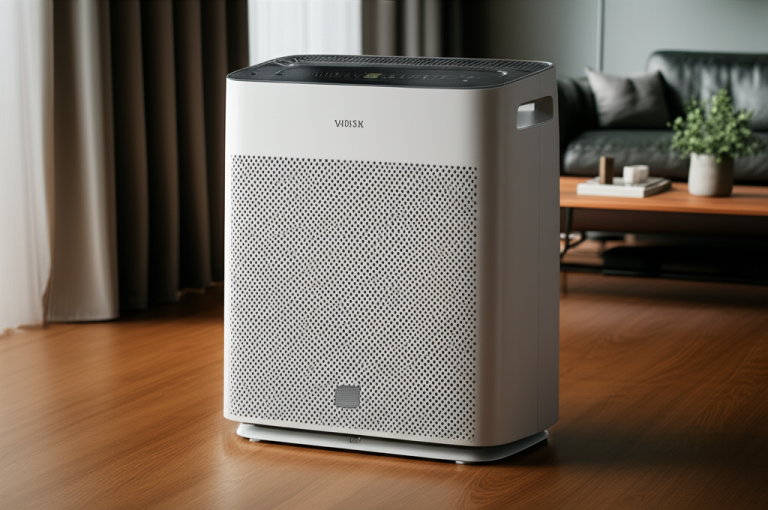
Alternative Air Purifier: Essential Smart Choice

Discover the best alternative air purifier options to traditional HEPA systems. This guide explores smart, effective choices for healthier indoor air, focusing on innovative technologies and natural methods to combat pollutants and improve your living environment.
Breathe Easier: Why Consider an Alternative Air Purifier?
Is the air in your home feeling stale or causing you to sneeze more often? Many of us struggle with indoor air quality, unaware of the invisible pollutants that can impact our health and comfort. Traditional air purifiers are a common solution, but they aren’t always the only or best path forward.
This guide will explore intelligent and effective alternative air purifier strategies. We’ll uncover innovative methods and natural approaches to help you achieve a fresher, healthier home environment. Get ready to discover choices that might surprise you and significantly improve your indoor air.
Understanding Indoor Air Pollutants: The Invisible Invaders
Indoor air can be surprisingly polluted, often more so than outdoor air. Common culprits include dust mites, pet dander, mold spores, pollen, volatile organic compounds (VOCs) from cleaning products and furniture, and even bacteria and viruses. These microscopic particles can trigger allergies, asthma, and other respiratory issues.
Recognizing these invisible invaders is the first step toward a healthier home. Understanding where they come from helps us choose the most effective alternative air purifier solutions. Identifying the specific pollutants in your home allows for targeted mitigation efforts.
Beyond HEPA: Exploring Innovative Alternative Air Purifier Technologies
While HEPA filters are effective at capturing particulate matter, they have limitations and require regular replacement. Fortunately, a range of advanced technologies offers compelling alternative air purifier solutions. These innovations often target a broader spectrum of pollutants or offer more sustainable operation.
Exploring these alternatives can lead to more efficient, cost-effective, and environmentally friendly ways to clean your indoor air. Let’s delve into some of the most promising technologies that are redefining home air purification.
Activated Carbon Filters: The Odor and VOC Absorbers
Activated carbon filters are a fantastic addition to any air purification strategy, often used in conjunction with other methods. Their porous structure has an incredibly large surface area, allowing it to adsorb gases, odors, and VOCs that HEPA filters miss. This makes them a powerful alternative air purifier component for tackling chemical fumes and smells.
These filters are particularly effective against common household odors from cooking, pets, and smoke. They also help remove harmful VOCs released from paints, carpets, and cleaning supplies, contributing to a healthier living space. Regular replacement ensures their continued effectiveness in absorbing pollutants.
UV-C Light Sterilization: Neutralizing Microbes
UV-C light is a powerful germicidal agent that can neutralize airborne bacteria, viruses, and mold spores. When air passes through a UV-C chamber, the light damages the DNA and RNA of these microorganisms, rendering them harmless. This technology offers a chemical-free way to sanitize your air.
UV-C light is an excellent supplementary technology, particularly for those concerned about airborne pathogens. It works best when integrated into a system that also captures physical particles. This dual-action approach provides comprehensive air sanitization.
Photocatalytic Oxidation (PCO): Breaking Down Pollutants
Photocatalytic oxidation (PCO) uses a UV light source and a catalyst (often titanium dioxide) to break down VOCs and other gaseous pollutants into harmless substances like carbon dioxide and water. This technology actively destroys pollutants rather than just trapping them. It represents a significant advancement in alternative air purifier capabilities.
PCO offers a proactive approach to air purification, effectively neutralizing a wide range of chemical contaminants. While highly effective, it’s important to ensure PCO systems are well-designed to avoid producing any ozone byproducts. When implemented correctly, PCO is a powerful tool for cleaner air.
Ionic Air Purifiers: Charging and Collecting Particles
Ionic air purifiers work by emitting negatively charged ions into the air, which attach themselves to positively charged airborne particles like dust, pollen, and smoke. These charged particles then clump together and fall to the ground or are attracted to collection plates within the device. This method can be effective for reducing airborne particulate matter.
Ionic purifiers are often compact and quiet, making them a convenient choice for smaller spaces. However, it’s crucial to choose models that have low or no ozone emissions, as ozone can be a lung irritant. Regular cleaning of collection plates is necessary for optimal performance.
Ozone Generators: A Cautionary Note
While ozone generators are sometimes marketed for air purification, they are generally not recommended for occupied spaces. Ozone is a highly reactive gas that can effectively neutralize odors and kill microorganisms, but it is also a lung irritant. High concentrations can damage lung tissue and aggravate respiratory conditions like asthma.
The U.S. Environmental Protection Agency (EPA) advises caution regarding ozone generators. They are best used in unoccupied areas for specific odor removal tasks and require thorough ventilation afterward. For continuous use in your home, opt for safer alternative air purifier technologies.
Natural Air Purification: Harnessing the Power of Plants
Beyond technological solutions, nature offers a beautiful and effective alternative air purifier: houseplants. Certain plants are known for their ability to filter common indoor air pollutants, absorbing toxins through their leaves and roots. They also add a touch of natural beauty and improve overall well-being.
Incorporating a variety of houseplants can contribute to a healthier indoor environment. While they may not replace a high-performance air purifier for severe pollution, they are a wonderful, eco-friendly addition to any home. They work best in well-ventilated spaces.
Top Air-Purifying Plants and Their Benefits
Several common houseplants are particularly adept at cleaning the air. The NASA Clean Air Study identified many of these, highlighting their ability to remove toxins like formaldehyde, benzene, and trichloroethylene.
- Snake Plant (Sansevieria trifasciata): Excellent at removing formaldehyde, benzene, and xylene. It also converts CO2 into oxygen at night, unlike most plants.
- Spider Plant (Chlorophytum comosum): Highly effective at removing formaldehyde and xylene. They are also very easy to care for and propagate.
- Peace Lily (Spathiphyllum): Filters ammonia, formaldehyde, benzene, and trichloroethylene. It also adds a touch of elegance with its white blooms.
- Boston Fern (Nephrolepis exaltata): A champion at removing formaldehyde and xylene, while also increasing humidity. It thrives in moist environments.
- English Ivy (Hedera helix): Known to remove formaldehyde, benzene, and trichloroethylene, and is particularly good at reducing airborne mold.
These plants offer a gentle yet effective way to improve your home’s air quality. Their presence can also have a positive impact on your mood and stress levels.
Ventilation Strategies: The Most Fundamental Air Purifier
While not a “device” in the traditional sense, proper ventilation is arguably the most essential and overlooked alternative air purifier. Regularly exchanging indoor air with fresh outdoor air is critical for diluting pollutants and maintaining healthy oxygen levels. Opening windows and doors is a simple yet powerful strategy.
Integrating natural ventilation with mechanical systems like exhaust fans in kitchens and bathrooms ensures a continuous flow of fresh air. This helps remove moisture, odors, and pollutants at their source. Consistent ventilation is key to a truly healthy indoor environment.
Maximizing Natural Ventilation
Creating cross-ventilation by opening windows on opposite sides of your home can effectively flush out stale air. Even brief periods of opening windows daily can make a significant difference. Consider using ceiling fans to help circulate air and encourage exchange.
During seasons when outdoor air quality is poor, relying on ventilation needs careful consideration. In such cases, mechanical filtration becomes even more important. Balance is key to leveraging natural ventilation safely and effectively.
Choosing Your Smart Alternative Air Purifier: A Comparative Look
Selecting the right alternative air purifier depends on your specific needs, the types of pollutants you’re targeting, and your budget. A smart choice involves understanding the pros and cons of each technology.
Here’s a brief comparison to help guide your decision-making process. Remember that combining different strategies often yields the best results for comprehensive air purification.
| Technology | Primary Function | Pros | Cons | Best For |
|---|---|---|---|---|
| Activated Carbon | Adsorbs odors, VOCs, gases | Effective against smells and chemicals, no ozone | Requires replacement, doesn’t capture particles well alone | Odors, chemical sensitivities, cooking smells |
| UV-C Light | Neutralizes microbes (bacteria, viruses, mold) | Kills airborne pathogens, chemical-free | Doesn’t remove particles or gases, requires bulb replacement | Germ concerns, mold prevention |
| PCO | Breaks down VOCs and gases | Destroys pollutants, broad-spectrum | Potential for byproducts if not well-designed, requires UV source | Chemical sensitivity, persistent odors |
| Ionic | Charges and collects particles | Quiet, compact, no filters to replace (usually) | Potential ozone emission, needs plate cleaning, may not capture all particles | Dust and dander in small spaces |
| Houseplants | Absorbs certain toxins, produces oxygen | Natural, aesthetically pleasing, improves mood | Slow-acting, limited pollutant range, requires care | General air freshness, mild pollution reduction |
Many modern air purifiers combine several of these technologies, offering a multi-stage approach to cleaner air. Always research specific models and their certifications for safety and effectiveness.
Smart Features for Enhanced Air Purification
The “smart” aspect of an alternative air purifier often refers to its ability to integrate with your digital life. Smart air purifiers can offer advanced features like real-time air quality monitoring, app control, scheduling, and automatic adjustments based on detected pollutant levels.
These intelligent features allow for a more personalized and efficient air purification experience. They provide valuable insights into your home’s air quality and ensure your system is always working optimally without constant manual intervention.
Benefits of Smart Air Purifier Integration
Smart air purifiers connect to your home Wi-Fi, allowing you to control them remotely via a smartphone app. This means you can turn the unit on or off, adjust fan speeds, or check air quality reports from anywhere. Many models feature built-in sensors that detect PM2.5, VOCs, and other pollutants.
These sensors enable automatic modes, where the purifier adjusts its settings based on real-time air quality readings. Scheduling features ensure your air is purified when you need it most, such as overnight or during peak allergy seasons. This proactive approach to air quality management is a significant advantage.
Maintaining Your Alternative Air Purifier System
Regardless of the technology chosen, regular maintenance is crucial for any alternative air purifier to function effectively. This ensures optimal performance and longevity of the device and its components.
Adhering to a maintenance schedule will guarantee that your chosen system continues to provide the cleanest possible air for your home. Neglecting maintenance can reduce efficiency and even lead to secondary pollution issues.
Key Maintenance Tasks
- Filter Replacement: For systems with filters (like activated carbon), follow the manufacturer’s recommended replacement schedule.
- Cleaning Collection Plates: If using an ionic purifier, clean the collection plates regularly to remove accumulated dust and debris.
- UV Bulb Replacement: UV-C bulbs have a limited lifespan and will need to be replaced periodically to maintain their germicidal effectiveness.
- Sensor Calibration: Some smart air purifiers may require occasional sensor cleaning or calibration for accurate readings.
- General Cleaning: Wipe down the exterior of the unit regularly to prevent dust buildup.
Consult your device’s manual for specific maintenance instructions tailored to your model. Consistent care ensures your investment in clean air continues to pay dividends.
Frequently Asked Questions About Alternative Air Purifiers
What is the best alternative to a HEPA air purifier?
The “best” alternative depends on your needs. For odors and VOCs, activated carbon is excellent. For microbes, UV-C light is effective. Smart purifiers often combine technologies for comprehensive cleaning.
Are plants really an effective air purifier?
Yes, plants can filter certain common indoor pollutants and improve air quality naturally. While they are not as powerful as mechanical purifiers for heavy pollution, they are a valuable supplement.
Can ozone generators be used safely?
Ozone generators are generally not recommended for occupied spaces due to ozone’s irritant properties. They are best used in unoccupied areas for specific purposes and require thorough ventilation afterward.
How often should I replace filters in an alternative air purifier?
Filter replacement frequency varies by model and usage. Most manufacturers recommend replacing activated carbon filters every 6-12 months. Always check your specific product manual.
Do ionic air purifiers produce ozone?
Some ionic air purifiers can produce small amounts of ozone. It’s crucial to choose models certified as low or no-ozone emitting to ensure safety.
What is the most important factor in maintaining good indoor air quality?
While purifiers help, consistent ventilation – exchanging indoor air with fresh outdoor air – is the most fundamental step. This dilutes pollutants and maintains healthy air circulation.
Conclusion: Making the Smart Choice for Your Home’s Air
Choosing an alternative air purifier is a smart decision for anyone prioritizing a healthier indoor environment. By understanding the diverse technologies available beyond traditional HEPA filters, you can select a solution that best meets your needs. Whether you opt for the odor-absorbing power of activated carbon, the germicidal action of UV-C light, or the pollutant-destroying capabilities of PCO, there are effective options for everyone.
Don’t forget the natural power of houseplants and the fundamental importance of ventilation. By combining these strategies and leveraging smart features, you can create a truly fresh and healthy living space. Making an informed choice about your alternative air purifier is an investment in your well-being and peace of mind.