Air Purifier Vs Air Cleaner: Essential Guide

Understanding the difference between an air purifier vs air cleaner is crucial for making an informed decision about your home’s air quality. While often used interchangeably, these terms can refer to distinct technologies and functionalities, impacting how effectively they tackle pollutants.
The air in our homes can feel fresh, but it often harbors invisible guests: dust, pollen, pet dander, mold spores, and even volatile organic compounds (VOCs) from everyday products. This can be frustrating, especially for those with allergies or respiratory issues. Many people wonder if they need an air purifier or if an air cleaner will suffice. This guide will demystify the terminology and help you choose the right solution for a healthier indoor environment.
Air Purifier vs Air Cleaner: What’s the Real Difference?
The terms “air purifier” and “air cleaner” are frequently used interchangeably, leading to confusion. However, in a technical sense, an air purifier actively removes pollutants from the air, while an air cleaner is a broader term that can encompass devices that simply move or filter air without active purification. This distinction is vital when selecting a device to improve your indoor air quality.
Understanding the Basics: How Air Quality Affects You
Indoor air can be up to five times more polluted than outdoor air, according to the Environmental Protection Agency (EPA). This pollution comes from various sources, including cooking, cleaning products, furniture off-gassing, and even our own breath. Poor air quality can trigger allergies, asthma, headaches, and fatigue, impacting overall well-being.
Air Purifiers: The Active Pollutant Removers
Air purifiers are designed with specific technologies to actively capture and neutralize airborne contaminants. They typically use a combination of filters, such as HEPA filters, activated carbon, and sometimes UV-C light or ionization, to trap particles and gases. This active removal process is what sets them apart from simpler air cleaning devices.
How Air Purifiers Work: A Deeper Dive
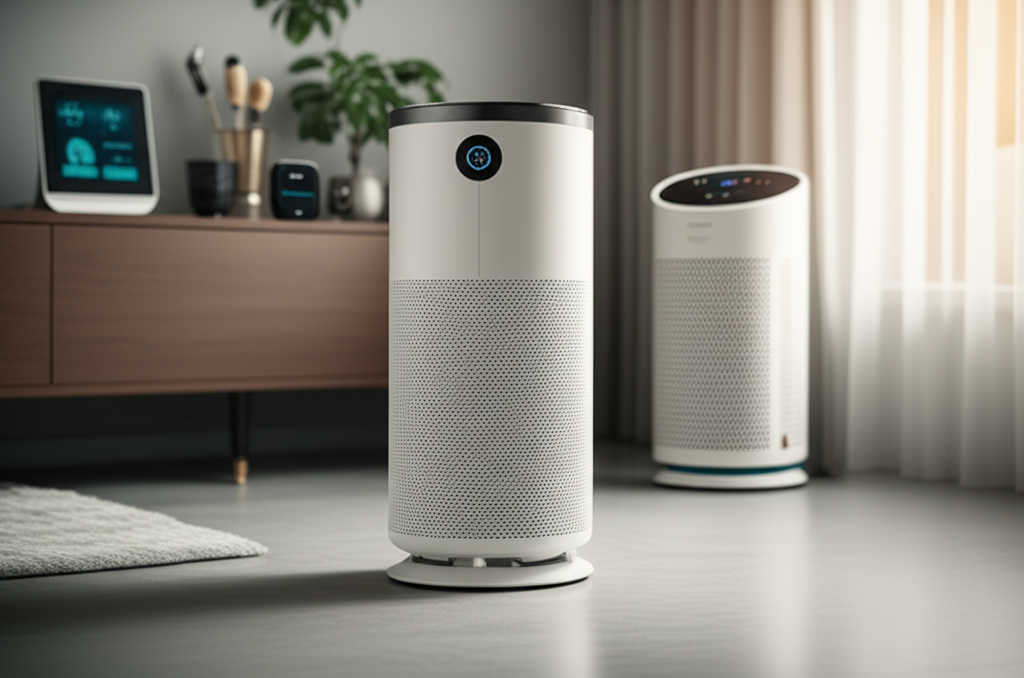
Most air purifiers draw in surrounding air, pass it through a series of filters, and then release cleaner air back into the room. HEPA filters are exceptionally effective at trapping tiny particles like dust mites, pollen, and pet dander. Activated carbon filters are crucial for absorbing odors and VOCs, while other technologies target bacteria and viruses.
Key Technologies in Air Purifiers
HEPA Filters: High-Efficiency Particulate Air (HEPA) filters capture at least 99.97% of airborne particles 0.3 microns in size. They are the gold standard for removing allergens and fine dust.
Activated Carbon Filters: These filters are porous and excel at adsorbing gases, odors, and VOCs from smoke, cooking, and household chemicals.
UV-C Light: Ultraviolet germicidal irradiation (UVGI) uses UV-C light to kill or inactivate airborne bacteria, viruses, and mold spores.
Ionizers: These devices release negative ions that attach to airborne particles, causing them to clump together and fall out of the air or stick to surfaces. Some ionizers can produce ozone, which can be a lung irritant.
Air Cleaners: A Broader Category
The term “air cleaner” can refer to any device that improves air quality, which may include simple fans that circulate air or devices with basic filters. While they can help with air circulation, they often lack the advanced filtration and pollutant-neutralizing capabilities of true air purifiers. It’s essential to look beyond the label to understand what a device truly does.
When a Basic Air Cleaner Might Suffice
For minor improvements in air circulation or to capture larger dust particles, a basic air cleaner might be considered. However, if you are dealing with allergies, asthma, or concerns about microscopic pollutants and odors, a dedicated air purifier is generally a more effective solution. Always check the specifications to understand its filtration capabilities.
Air Purifier vs Air Cleaner: Which is Right for You?
The choice between an air purifier vs air cleaner depends on your specific needs and concerns. If your primary goal is to remove allergens, dust, smoke, odors, and VOCs, an air purifier with advanced filtration is recommended. For simple air circulation or capturing very large particles, a basic air cleaner might be an option, but it won’t offer the same level of purification.
The Importance of HEPA Filters in Air Purifiers
HEPA filters are a cornerstone of effective air purification. They are designed to trap even the smallest particles that can trigger allergies and respiratory problems. When comparing air purifiers, always look for the “True HEPA” certification, ensuring it meets stringent performance standards for capturing microscopic airborne contaminants.
Activated Carbon: Tackling Odors and Gases
Beyond particle filtration, addressing odors and gases is crucial for a truly fresh-smelling and healthy home environment. Activated carbon filters are specifically designed for this purpose. They adsorb a wide range of volatile organic compounds (VOCs) and chemical pollutants, making them essential for homes with smokers, pets, or those concerned about off-gassing from new furniture or paints.
Comparing Air Purifier Technologies: A Table
| Technology | Primary Function | Best For | Potential Drawbacks |
| :—————- | :————————————————— | :———————————————————————– | :—————————————————— |
| HEPA Filter | Captures fine particles (dust, pollen, dander) | Allergies, asthma, general air cleaning | Requires regular replacement, doesn’t remove gases/odors |
| Activated Carbon | Adsorbs odors, gases, and VOCs | Smoke, pet odors, chemical fumes | Needs replacement, less effective on particles |
| UV-C Light | Kills/inactivates bacteria, viruses, mold spores | Reducing airborne pathogens | Effectiveness varies, may not capture all microbes |
| Ionizers | Charges particles to make them fall or stick | Reducing airborne dust and dander | Can produce ozone, which is a lung irritant |
Features to Look for in an Air Purifier
When shopping for an air purifier, consider its coverage area (CADR rating), noise level, filter replacement costs, and any additional features like smart controls or air quality sensors. A higher Clean Air Delivery Rate (CADR) indicates a more efficient unit for a given room size. Always research the specific needs of your space and the types of pollutants you want to address.
Maintaining Your Air Purifier for Optimal Performance
Regular maintenance is key to ensuring your air purifier continues to function effectively. This typically involves cleaning pre-filters and replacing HEPA and activated carbon filters according to the manufacturer’s recommendations. Neglecting maintenance can reduce efficiency and even lead to the release of trapped pollutants back into the air.
Frequently Asked Questions About Air Purifiers and Cleaners
What is the main difference between an air purifier and an air cleaner?
An air purifier actively removes pollutants using filters and other technologies, while an air cleaner is a broader term that might include devices with basic filtration or just air circulation. True air purifiers offer a more comprehensive solution for improving indoor air quality.
Can an air cleaner truly purify my air?
Some advanced air cleaners incorporate purification technologies, but many basic models only circulate air or filter out larger particles. For significant purification, especially for allergens or VOCs, a dedicated air purifier is usually necessary.
What does HEPA mean in air purifiers?
HEPA stands for High-Efficiency Particulate Air. A True HEPA filter captures at least 99.97% of airborne particles 0.3 microns in size, making it highly effective against allergens, dust, and other microscopic contaminants.
How often should I replace air purifier filters?
Filter replacement frequency varies by model and usage, but typically HEPA filters last 6-12 months, and activated carbon filters need replacement every 3-6 months. Always consult your manufacturer’s guidelines for the best results.
Are ozone-producing air purifiers safe?
Ozone is a lung irritant, and while some ionizers produce small amounts, it’s generally advisable to avoid air purifiers that intentionally produce ozone. Look for ozone-free certifications or models that minimize ozone production.
Which type of air purifier is best for allergies?
For allergies, an air purifier with a True HEPA filter is essential. Combining this with an activated carbon filter can also help remove allergens that may have an odor.
Where is the best place to put an air purifier in a room?
Place your air purifier in a location where it can effectively draw in air from all parts of the room and circulate clean air. Avoid corners or areas blocked by furniture. Central placement is often ideal.
Conclusion: Making the Right Choice for Healthier Air
Navigating the terms air purifier vs air cleaner can be confusing, but understanding their core functions is straightforward. While “air cleaner” is a general term, an air purifier is specifically designed to actively remove a wide range of airborne pollutants, from allergens and dust to odors and VOCs, using advanced filtration technologies like HEPA and activated carbon. For a truly healthier indoor environment, especially if you suffer from allergies or respiratory issues, investing in a high-quality air purifier is a wise decision. Prioritize models with True HEPA filters and consider activated carbon for comprehensive purification.