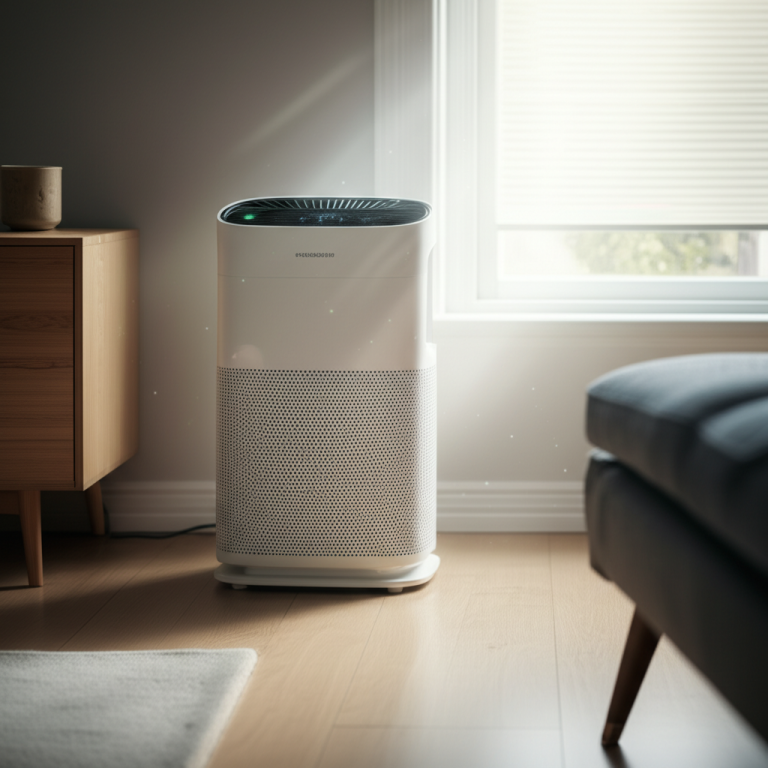
Air Purifier Smells Like Ozone: Essential Fix

If your air purifier smells like ozone, it’s a common concern that needs immediate attention. This guide provides essential fixes to identify the cause and safely resolve the issue, ensuring your home remains a healthy sanctuary. We’ll walk you through simple steps to get your air purifier working correctly again, eliminating that distinct smell and restoring peace of mind.
Are you noticing a strange, sharp, metallic scent in your home, and you suspect your air purifier is the culprit? That distinctive “ozone” smell can be unsettling, raising questions about air quality and the safety of your appliance. Many people encounter this issue, but the good news is that it’s often a solvable problem. This guide is here to demystify why your air purifier smells like ozone and provide you with a clear, step-by-step plan to fix it. We’ll explore the causes, offer practical solutions, and help you regain confidence in your air purification system.
Why Does My Air Purifier Smell Like Ozone?
An air purifier smells like ozone primarily due to the operation of certain purification technologies, particularly those that use ionization or UV-C light. While ozone is a natural component of air, excessive amounts produced by an appliance can be irritating. Understanding the source is the first step to resolving the smell and ensuring your air is clean, not contaminated.
Ionizers and Ozone Production
Many air purifiers utilize ionizers to release negative ions into the air, which then attach to airborne particles, causing them to fall to surfaces or be collected by the filter. However, this process can sometimes generate ozone as a byproduct. If your purifier has an ionizer setting, it might be the source of the ozone smell.
UV-C Germicidal Lamps
Some air purifiers incorporate UV-C lamps to kill bacteria and viruses. While effective, these lamps can also produce small amounts of ozone, especially as they age or if the unit is not properly designed. The intensity of the UV light and the specific wavelength can influence ozone generation.
Activated Carbon Filter Saturation
Activated carbon filters are designed to trap odors and volatile organic compounds (VOCs). When these filters become saturated, they may lose their effectiveness and, in some cases, release trapped gases, potentially including compounds that smell like ozone. Regular replacement is key to preventing this.
Electrical Malfunctions or Component Issues
Less commonly, an air purifier smells like ozone due to an internal electrical issue. Faulty wiring, a malfunctioning motor, or other damaged components can create electrical arcs or overheating, which in turn can produce ozone. This scenario requires immediate attention and professional inspection.
Troubleshooting Steps: Fixing the Ozone Smell
Let’s dive into the practical solutions to address the air purifier smells like ozone. By systematically checking key components and settings, you can often pinpoint and resolve the issue yourself. These steps are designed to be easy to follow, even if you’re not technically inclined.
Step 1: Identify Your Air Purifier’s Technology
First, consult your air purifier’s manual or the manufacturer’s website to understand its purification methods. Knowing if it uses ionizers, UV-C light, or other technologies will help you determine the most likely cause of the ozone smell. This foundational knowledge guides all subsequent troubleshooting.
Step 2: Check and Disable Ionizer Settings
If your air purifier has an ionizer function, try disabling it. Many units allow you to turn this feature on or off. Running the purifier without the ionizer active for a few hours will quickly tell you if this is the source of the ozone odor.
Step 3: Inspect and Clean or Replace Filters
Dirty or saturated filters can contribute to unusual smells. Remove the pre-filter, HEPA filter, and activated carbon filter. Check them for excessive dust or debris. If the activated carbon filter appears old or heavily used, it’s a prime candidate for replacement.
Step 4: Examine the UV-C Lamp (If Applicable)
For purifiers with UV-C lamps, check if the lamp is functioning correctly. Some models allow you to see if the UV light is on. If the lamp is old, flickering, or damaged, it might be producing excess ozone and needs replacement. Ensure the unit is unplugged before any inspection.
Step 5: Clean the Air Purifier Unit
Dust and grime can accumulate inside the air purifier, potentially interfering with its components and causing odors. Unplug the unit and use a soft cloth and a vacuum cleaner with a brush attachment to gently clean the exterior and interior components, including the fan blades.
Step 6: Reset the Air Purifier
Sometimes, a simple reset can resolve minor electronic glitches. Unplug the air purifier, wait for at least 60 seconds, and then plug it back in. This can clear temporary errors that might be causing unusual operation or smells.
Step 7: Monitor Air Purifier Performance
After performing troubleshooting steps, run the air purifier on a low setting for a few hours. Pay close attention to whether the air purifier smells like ozone persists. If the smell is gone, you’ve likely found and fixed the problem.
When to Call a Professional or Replace Your Unit
If you’ve tried all the troubleshooting steps and your air purifier still smells like ozone, it’s time to consider more serious issues. Persistent ozone smells can indicate a more significant problem that might require professional repair or even a new unit. Safety should always be your top priority.
Signs of a Serious Malfunction
Look for other warning signs like unusual noises, the unit overheating, visible damage to components, or error lights on the display. These symptoms, combined with a persistent ozone smell, suggest an internal electrical or mechanical fault. Ignoring these could pose a fire hazard or damage the appliance further.
Contacting Manufacturer Support
If your air purifier is still under warranty, contact the manufacturer’s customer support. They can guide you through advanced troubleshooting, arrange for repairs, or discuss replacement options. Providing them with your model number and a detailed description of the issue will expedite the process.
Considering a Replacement Unit
If your air purifier is old, out of warranty, or the repair costs are prohibitive, it might be more economical to invest in a new, modern air purifier. Newer models often feature improved technology that minimizes ozone production and offers better overall performance. Look for models certified by organizations like the California Air Resources Board (CARB) for low ozone emissions.
Understanding Ozone and Air Quality
Ozone (O₃) is a molecule composed of three oxygen atoms. While stratospheric ozone protects us from UV radiation, ground-level ozone is a harmful pollutant. Understanding its effects helps underscore why an air purifier smells like ozone is a concern that needs addressing.
What is Ground-Level Ozone?
Ground-level ozone is a gas that forms when pollutants, such as those from cars, power plants, and industrial facilities, react with sunlight. It’s a major component of smog and can cause respiratory problems. Air purifiers that produce ozone can contribute to this indoor air quality issue.
Health Effects of Ozone Exposure
Breathing in ozone can irritate the lungs, aggravate asthma, and reduce lung function. Symptoms can include coughing, throat irritation, shortness of breath, and chest pain. Children and individuals with respiratory conditions are particularly vulnerable to its effects.
Ozone and Air Purifiers: A Delicate Balance
Reputable air purifier manufacturers design their products to produce ozone levels well below safety standards. However, malfunctions, aging components, or specific technologies can sometimes lead to higher-than-intended ozone emissions. The goal is always to purify the air without creating a new hazard.
Choosing an Ozone-Free Air Purifier
When purchasing a new air purifier, or if you’re considering replacing your current one, prioritize models that are certified for low or no ozone emissions. This ensures you’re investing in a device that genuinely improves your indoor air quality without compromising your health. Look for specific certifications and features.
CARB Certification: The Gold Standard
The California Air Resources Board (CARB) has stringent standards for air cleaning devices. Look for the CARB certification logo on the product or packaging. This signifies that the air purifier has been tested and meets strict limits for ozone emissions, making it a safer choice for your home.
HEPA and Activated Carbon Filters: The Safest Bet
Air purifiers that rely solely on HEPA and activated carbon filters are generally the safest options regarding ozone production. These mechanical and adsorptive filtration methods do not generate ozone as a byproduct, making them excellent choices for allergy sufferers and those sensitive to air pollutants. Many advanced models from brands like Coway and Blueair offer this combination.
Avoiding Ionizers and Ozone Generators
Be cautious of air purifiers that heavily market their “ionizing” capabilities without clear information on ozone production. While some ionizers produce negligible ozone, others can be problematic. If ozone generation is a concern, it’s often best to opt for models that allow you to disable ionizers or avoid them altogether.
Maintaining Your Air Purifier for Optimal Performance
Regular maintenance is crucial for ensuring your air purifier functions effectively and safely, preventing issues like an air purifier smells like ozone. Following a consistent maintenance schedule will extend the life of your unit and guarantee cleaner air. Keep these tips in mind for long-term performance.
Filter Replacement Schedule
Adhere strictly to the manufacturer’s recommended filter replacement schedule. Pre-filters might need cleaning every few weeks, while HEPA and activated carbon filters typically need replacement every 6-12 months, depending on usage and air quality. This is the most critical maintenance task.
Regular Cleaning of the Unit
Clean the exterior of your air purifier with a damp cloth at least once a month. Periodically, and always with the unit unplugged, open the casing to gently vacuum dust from the fan blades and internal components. This prevents dust buildup that can affect performance and airflow.
Checking for Component Wear
As your air purifier ages, components like the UV-C lamp or motor may start to wear out. Regularly inspect for any signs of damage or reduced efficiency. Replacing worn-out parts promptly can prevent more significant problems and maintain optimal air purification.
Proper Storage and Handling
If you need to store your air purifier, ensure it’s clean and dry. Store it in its original packaging or a protective bag in a cool, dry place. Proper handling during transport and storage can prevent damage to sensitive internal components.
The Role of Activated Carbon Filters in Odor Elimination
Activated carbon filters are essential for trapping a wide range of odors and chemical pollutants. When they become saturated, their effectiveness diminishes, and they can sometimes release previously trapped substances, leading to unexpected smells. Understanding their function highlights their importance in preventing an air purifier smells like ozone.
How Activated Carbon Works
Activated carbon is a highly porous material with an enormous surface area. This structure allows it to adsorb, or trap, gases and volatile organic compounds (VOCs) from the air that passes through it. It’s particularly effective against odors from cooking, pets, and smoke.
Signs of a Saturated Carbon Filter
A key indicator of a saturated activated carbon filter is the return of odors that the purifier previously removed. If you notice that cooking smells, pet odors, or that specific ozone-like scent are reappearing, your carbon filter likely needs replacement. Its adsorptive capacity has been reached.
Choosing the Right Carbon Filter
Different air purifiers use varying amounts and types of activated carbon. For more severe odor problems or VOC concerns, look for purifiers with a substantial amount of activated carbon, often described as “heavy-duty” or “high-capacity.” This ensures greater effectiveness and a longer lifespan.
Air Purifier Smells Like Ozone: FAQ
What is the safe level of ozone from an air purifier?
Reputable air purifiers should produce ozone levels far below the safety standards set by health organizations. The Environmental Protection Agency (EPA) advises against using devices that intentionally produce ozone for air cleaning. CARB certification ensures emissions are below 0.050 parts per million (ppm).
Can an air purifier make me sick if it smells like ozone?
Yes, prolonged exposure to ozone can cause respiratory irritation, aggravate asthma, and lead to other health issues. If your air purifier smells like ozone strongly or persistently, it’s best to discontinue its use until the issue is resolved.
How often should I replace the HEPA filter in my air purifier?
HEPA filters typically need replacement every 6 to 12 months, depending on the air purifier model, usage hours, and the level of pollutants in your home. Always refer to your manufacturer’s manual for specific recommendations.
My air purifier is new and smells like ozone. What should I do?
Even new air purifiers can sometimes have a slight ozone smell, especially those with ionizers or UV-C lights. Try running it on a lower setting or disabling the ionizer for a few days. If the smell persists or is strong, contact the manufacturer, as it could be a defect.
Can a dirty air filter cause an ozone smell?
While a dirty filter primarily reduces airflow and purification efficiency, it’s unlikely to directly cause an ozone smell. However, if the unit is also producing ozone from its technology, a clogged filter might slightly exacerbate the concentration by reducing air circulation.
Should I use an air purifier with an ionizer?
It’s a personal choice, but if you are sensitive to ozone or have respiratory conditions, it’s safer to choose an air purifier without an ionizer or one that allows you to disable the feature. Always look for CARB certification to ensure minimal ozone production.
Conclusion: Breathe Easy with a Properly Functioning Air Purifier
Experiencing an air purifier smells like ozone can be concerning, but as we’ve explored, it’s often a manageable issue. By understanding the technologies involved, performing regular maintenance, and knowing when to seek professional help, you can ensure your air purifier effectively cleans your air without introducing harmful byproducts. Prioritizing models with CARB certification and relying on mechanical filtration like HEPA and activated carbon filters are excellent strategies for maintaining optimal indoor air quality. With these steps, you can confidently restore a fresh, healthy environment in your home and breathe easy knowing your air is truly clean.