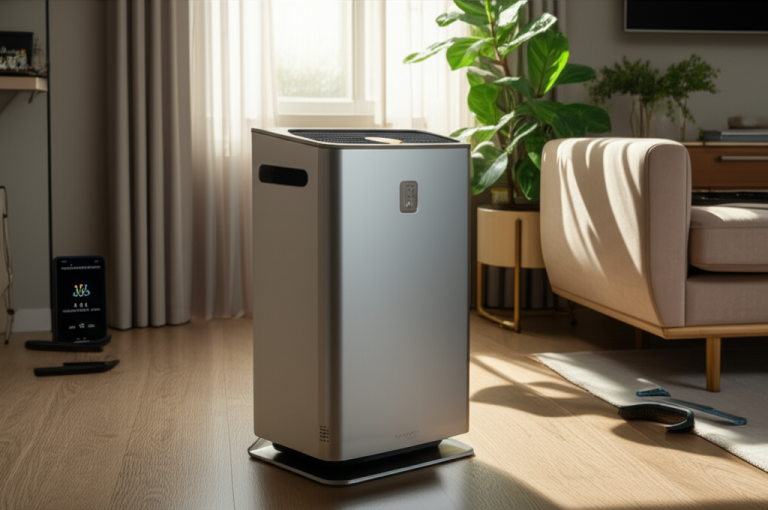
Air Purifier Smells Like Fish: Essential Fixes

Air Purifier Smells Like Fish: Essential Fixes for a Fresh Home
Experiencing a fishy odor from your air purifier? Don’t worry, this common issue has straightforward fixes. This guide will help you identify the cause and restore clean, odor-free air to your home quickly and effectively.
Why Does My Air Purifier Smell Like Fish?
It’s certainly unsettling when your device meant to purify the air starts emitting an unpleasant smell, especially a fishy one. This problem often arises from a buildup of specific contaminants or issues within the purifier itself. Understanding these root causes is the first step toward resolving the air purifier smells like fish issue and enjoying fresh air again.
The Role of the HEPA Filter
Your air purifier’s High-Efficiency Particulate Air (HEPA) filter is designed to trap tiny particles, including dust, pollen, and even some odor-causing molecules. However, when these captured substances decompose or react, they can sometimes produce distinct odors. A saturated HEPA filter can become a breeding ground for bacteria or mold, leading to a foul smell.
Understanding Activated Carbon Filters
Activated carbon filters are the primary defense against odors and volatile organic compounds (VOCs). They work by adsorption, where odor molecules stick to the vast surface area of the carbon. If the carbon filter becomes overloaded or reaches the end of its lifespan, it can stop effectively trapping odors and might even release trapped smells back into the air.
Moisture and Mold Growth
Excess moisture is a significant culprit behind unpleasant smells in air purifiers. If your purifier is used in a humid environment, or if condensation forms inside the unit, it can create an ideal breeding ground for mold and mildew. These microorganisms produce distinct musty or even fishy odors as they grow on the filter media or internal components.
Electrical Component Issues
While less common, a fishy smell can sometimes indicate an electrical problem within the air purifier. Overheating components or a malfunctioning motor can generate odors that might be perceived as fishy. This is a more serious concern and often requires professional attention or replacement of the unit.
Common Culprits Behind the Fishy Smell
Several specific contaminants or issues are most frequently responsible when your air purifier smells like fish. Identifying which of these applies to your situation will guide you toward the most effective solution.
1. Decomposing Organic Matter
Tiny organic particles, such as pet dander, hair, or even dead insects, can get trapped in the air purifier’s filters. Over time, these organic materials can begin to decompose, especially in the presence of moisture. This decomposition process can release volatile organic compounds (VOCs) that have a distinctly fishy or rotten odor.
2. Bacterial or Fungal Contamination
When filters become saturated with moisture and organic matter, bacteria and fungi can thrive. These microorganisms metabolize the trapped particles and can produce byproducts that smell strongly fishy. This is particularly common in humid climates or if the air purifier has been exposed to spills or excessive dampness.
3. Overloaded Activated Carbon Filter
Activated carbon filters have a finite capacity for adsorbing odors. Once this capacity is reached, the filter can no longer effectively neutralize smells. In some cases, an overloaded carbon filter may even begin to release previously trapped odors, including those that might smell fishy, back into the air.
4. Chemical Reactions Within the Filter
Certain airborne chemicals, when trapped and concentrated within the filter media, can react with each other or with the filter material itself. These chemical reactions can sometimes produce unexpected odors, and a fishy smell is a known, albeit unusual, outcome of such reactions.
5. Electrical Malfunctions
Though rarer, a burning smell or a distinct fishy odor can sometimes point to an electrical issue within the air purifier. This could be due to overheating wires, a failing motor, or other internal component problems. This type of smell is a safety concern and should be addressed immediately.
Step-by-Step Troubleshooting Guide
When your air purifier starts emitting a fishy smell, it’s time for a systematic approach to pinpoint the cause and implement a fix. Follow these steps to diagnose and resolve the problem.
Step 1: Safety First – Unplug the Unit
Before you begin any inspection or cleaning, always unplug your air purifier from the power outlet. This is crucial for your safety and prevents accidental damage to the unit. Working with electrical appliances requires caution.
Step 2: Inspect the Filters
Carefully remove the air purifier’s filters, starting with the pre-filter, followed by the HEPA and activated carbon filters. Examine them for any visible signs of mold, mildew, or excessive dirt and debris. A distinctly foul odor emanating directly from a filter is a strong indicator of the problem’s source.
Step 3: Check for Visible Contamination
Look inside the air purifier unit where the filters were located. Check the internal housing, fan blades, and any accessible areas for dust buildup, mold growth, or other foreign materials. Dampness or discoloration can also be tell-tale signs of moisture issues.
Step 4: Assess Filter Lifespan
Refer to your air purifier’s manual to determine the typical lifespan of its filters. If your filters haven’t been replaced within the recommended timeframe (usually 6-12 months, depending on usage and air quality), they are likely saturated and need replacement.
Step 5: Clean Accessible Components
If you find dust or debris inside the unit, use a soft brush or a vacuum cleaner with a brush attachment to gently clean the accessible parts. Ensure the unit is completely dry before reassembling.
Step 6: Replace Old Filters
If your inspection reveals dirty, damaged, or simply old filters, the most effective solution is to replace them with new, genuine manufacturer filters. This is especially true for activated carbon filters that have reached their adsorption limit.
Step 7: Consider Environmental Factors
Think about recent changes in your home’s environment. Has there been increased humidity, a new pet, or any spills near the air purifier? These factors can contribute to filter contamination and odor production.
Essential Fixes for a Fishy-Smelling Air Purifier
Once you’ve identified the likely cause, it’s time to implement the specific fixes. These solutions are designed to address the most common reasons for an air purifier smells like fish.
1. Replace the Activated Carbon Filter
The activated carbon filter is your primary odor absorber. If it’s overloaded, it can’t do its job effectively and might even release trapped smells. Replacing it with a new, genuine carbon filter is often the quickest and most effective solution for fishy odors.
2. Replace the HEPA Filter
Similarly, a saturated HEPA filter can trap so much particulate matter that it starts to break down or harbor microbial growth. Replacing a dirty or old HEPA filter with a new one can eliminate the source of the decomposition and the resulting fishy smell.
3. Deep Clean the Air Purifier Unit
If moisture or mold is suspected, a thorough cleaning is necessary. Unplug the unit, remove all filters, and gently wipe down the interior housing, fan blades, and any other accessible parts with a damp cloth and mild, non-abrasive cleaner. Ensure everything is completely dry before reassembling.
4. Address Moisture Issues
If your air purifier is in a high-humidity area, consider relocating it or using a dehumidifier in the room. Ensure the unit is placed in a well-ventilated area and avoid running it in excessively damp conditions. Wipe down any condensation that forms on the unit.
5. Run the Air Purifier on a Higher Setting
Sometimes, a temporary boost can help. Running the air purifier on its highest setting for a few hours after cleaning or replacing filters can help circulate fresh air and clear out any lingering residual odors.
6. Consider a Filter Reset (if applicable)
Some air purifiers have a filter reset function after replacement. Consult your manual to see if your model has this feature and follow the instructions to reset the filter indicator. This ensures the device accurately tracks the life of your new filters.
When to Replace Your Air Purifier Filters
The lifespan of your air purifier filters is crucial for maintaining air quality and preventing unpleasant odors. Regular replacement ensures your unit continues to perform optimally.
| Filter Type | Typical Lifespan | Symptoms of Replacement Needed |
| :—————— | :————— | :———————————————————– |
| Pre-Filter | Washable/Monthly | Visible dust, debris, reduced airflow |
| HEPA Filter | 6-12 months | Reduced air purification efficiency, persistent odors, visible dirt |
| Activated Carbon | 3-6 months | Persistent odors (including fishy smells), reduced odor control |
Always refer to your specific air purifier model’s manual for recommended replacement intervals, as these can vary significantly between brands and models like those from Coway or Levoit.
Choosing the Right Replacement Filters
Using the correct replacement filters is vital for your air purifier’s performance and longevity. Generic or incompatible filters may not fit properly, seal effectively, or capture pollutants as intended.
Always Use Genuine Manufacturer Filters
For the best results, always opt for genuine replacement filters recommended by your air purifier’s manufacturer. These filters are designed to fit your specific model precisely and meet its performance standards. This is particularly important for Blueair and Philips units.
Beware of Third-Party Options
While third-party filters might seem cheaper, they can compromise your air purifier’s effectiveness. Poorly made filters may allow air to bypass them, reducing purification efficiency and potentially leading to further issues. Always check reviews and manufacturer recommendations.
Proper Filter Disposal
Once you remove old filters, especially those potentially contaminated with mold or bacteria, dispose of them carefully. Seal them in a plastic bag before placing them in your trash to prevent the spread of any contaminants.
Preventing Future Fishy Smells
Proactive maintenance and smart usage habits can prevent the dreaded fishy smell from returning to your air purifier and your home. Implementing these preventive measures is key to long-term clean air.
Regular Filter Maintenance
Follow the manufacturer’s recommended schedule for replacing your HEPA and activated carbon filters. Don’t wait until you notice a smell; proactive replacement is more effective. Regularly clean or replace the pre-filter, as it catches the largest particles and protects the main filters.
Maintain Optimal Humidity Levels
Keep the humidity in your home between 30-50%. High humidity encourages mold and mildew growth, which are common causes of unpleasant odors in air purifiers. Use a dehumidifier if necessary, especially in bathrooms or basements.
Clean Your Air Purifier Periodically
Beyond filter replacement, periodically clean the exterior and interior accessible parts of your air purifier. Dust buildup can reduce efficiency and contribute to odors. A gentle wipe-down every few months can make a difference.
Strategic Placement
Avoid placing your air purifier in excessively humid or damp areas like unfinished basements or near bathrooms where steam is prevalent. Ensure it has adequate space around it for proper airflow.
Monitor Air Quality Alerts
Many modern air purifiers come with air quality sensors and indicators. Pay attention to these alerts, as they can signal increased particulate matter or VOCs, prompting you to check filters or consider increased purification efforts.
When to Call a Professional or Replace the Unit
While most fishy smells from air purifiers are resolved with filter replacement or cleaning, there are instances where professional help or a new unit might be necessary. Trust your instincts if something seems seriously wrong.
Persistent Odors After Filter Replacement
If you’ve replaced all filters with genuine parts and the fishy smell persists, there might be a deeper issue within the unit’s internal components or electrical system. This is when consulting the manufacturer or a repair technician is advisable.
Unusual Noises or Smells of Burning
Any unusual noises, such as grinding or humming, coupled with a persistent fishy or burning smell, could indicate a serious electrical or motor malfunction. This poses a safety risk, and the unit should be unplugged and examined by a professional immediately.
Visible Damage or Malfunctions
If you notice any physical damage to the unit, or if it’s malfunctioning in ways beyond just the smell (e.g., not turning on, erratic fan speed), it may be time to consider a replacement, especially if the unit is older.
Frequently Asked Questions (FAQ)
Q1: Can a dirty air filter really smell like fish?
Yes, a dirty or saturated air filter, especially the activated carbon one, can trap and decompose organic matter or react with certain chemicals, leading to a fishy odor.
Q2: How often should I replace my air purifier filters?
This varies by model and usage, but generally, HEPA filters should be replaced every 6-12 months, and activated carbon filters every 3-6 months. Always check your manufacturer’s recommendations.
Q3: Is a fishy smell from my air purifier dangerous?
While unpleasant, a fishy smell from a dirty filter is usually not dangerous, but it indicates the filter needs replacement. However, if the smell is accompanied by burning or electrical odors, it could signal a safety hazard.
Q4: What if I can’t find the exact replacement filters for my air purifier?
It’s best to stick to genuine manufacturer filters for optimal performance and safety. If you’re having trouble locating them, contact the manufacturer’s customer support for assistance or recommendations.
Q5: Can I wash my activated carbon filter?
No, activated carbon filters are not washable. They work through adsorption, and washing them will damage the carbon’s porous structure, rendering it ineffective. They must be replaced when saturated.
Q6: My air purifier still smells after replacing the filters. What else could it be?
It might be an issue with the internal components of the purifier, or perhaps moisture and mold have infiltrated parts beyond the filters. A thorough cleaning of the unit itself, or consulting the manufacturer, may be necessary.
Conclusion
Dealing with an air purifier smells like fish can be a puzzling and unpleasant experience, but it’s a problem with accessible solutions. By understanding that the culprit is usually a saturated filter, microbial growth due to moisture, or overloaded activated carbon, you can systematically troubleshoot and fix the issue. Regular filter replacement, keeping your home environment dry, and periodic cleaning are your best defenses against recurring odors. Prioritizing genuine replacement filters and adhering to maintenance schedules will ensure your air purifier continues to deliver the clean, fresh air you expect, making your home a healthier and more pleasant space.