Air Purifier Ratings Reviews: Essential Guide

Navigate air purifier ratings reviews with this essential guide to understand performance, features, and find the best unit for your home. We break down what matters most to ensure cleaner air.
The air we breathe indoors can be surprisingly polluted, filled with allergens, dust, and other irritants. Finding the right air purifier can feel overwhelming with so many options and technical jargon. This guide will simplify air purifier ratings reviews, helping you understand what to look for and make a confident choice for a healthier home environment. We’ll cover everything from CADR to HEPA filters, so you can breathe easier.
Understanding Air Purifier Ratings: What Do They Really Mean?
Air purifier ratings reviews are crucial for understanding how effectively a device can clean your air. These ratings help consumers compare different models based on standardized testing and performance metrics, ensuring you invest in a product that meets your specific needs. By deciphering these ratings, you can make an informed decision and achieve better indoor air quality.
The Importance of Clean Indoor Air
Indoor air can be up to five times more polluted than outdoor air, according to the Environmental Protection Agency. This pollution comes from various sources like cooking, cleaning products, pet dander, and even furniture off-gassing. Poor indoor air quality can lead to a range of health issues, including allergies, asthma, headaches, and fatigue. Investing in an air purifier is a proactive step towards creating a healthier living space for you and your family.
Decoding Key Air Purifier Performance Metrics
When you look at air purifier ratings reviews, you’ll encounter several key metrics that indicate performance. Understanding these will empower you to select the most suitable model for your needs. These metrics provide a standardized way to compare different air purifiers objectively.
Clean Air Delivery Rate (CADR): The Gold Standard
The Clean Air Delivery Rate, or CADR, is perhaps the most important rating. It measures how quickly an air purifier can remove specific pollutants from a room. Higher CADR ratings mean faster purification, making it a crucial factor in air purifier ratings reviews.
Smoke CADR: Indicates how effectively the unit removes smoke particles.
Dust CADR: Shows its speed in clearing dust from the air.
Pollen CADR: Measures its efficiency in removing pollen.
A higher CADR for each pollutant suggests a more powerful and efficient air purifier. For example, if you have pets, a high dust and dander CADR would be particularly beneficial.
HEPA Filters: The Benchmark for Particle Removal
High-Efficiency Particulate Air (HEPA) filters are the industry standard for capturing tiny airborne particles. True HEPA filters are certified to remove at least 99.97% of particles 0.3 microns in size. When reviewing air purifier ratings reviews, look for mentions of “True HEPA” or “HEPA-type” filters.
True HEPA: Captures 99.97% of particles down to 0.3 microns.
HEPA-type/HEPA-like: May capture a high percentage of particles but don’t meet the strict True HEPA standard.
Always prioritize True HEPA filters for the most effective particle filtration in your air purifier ratings reviews.
Activated Carbon Filters: Tackling Odors and Gases
Beyond particle filtration, activated carbon filters are essential for removing odors, gases, and volatile organic compounds (VOCs). These filters work by adsorbing (not absorbing) unwanted molecules onto their porous surface. A good air purifier will often combine a HEPA filter with a substantial activated carbon filter for comprehensive air cleaning.
Adsorption: The process where gas or liquid molecules adhere to the surface of a solid.
VOCs: Chemicals emitted from paints, cleaning supplies, and furnishings that can impact indoor air quality.
When assessing air purifier ratings reviews, pay attention to the amount and quality of activated carbon used.
Essential Features to Consider in Air Purifier Ratings Reviews
Beyond core performance metrics, several features can significantly impact your user experience and the overall effectiveness of an air purifier. Considering these will help you find a unit that fits your lifestyle and home. These features often differentiate good air purifiers from great ones in detailed air purifier ratings reviews.
Room Size and Coverage Area
Air purifiers are designed for specific room sizes, usually indicated in square feet. It’s vital to match the purifier’s coverage area to the room you intend to use it in. An undersized unit will struggle to clean the air effectively, while an oversized one might be unnecessarily expensive and loud.
Example: A 500 sq ft living room requires a purifier rated for at least that size, ideally with some extra capacity.
Always check the manufacturer’s recommended room size in air purifier ratings reviews to ensure optimal performance.
Noise Levels (Decibels – dB)
Air purifiers operate at various noise levels, especially on their higher fan settings. This is a critical factor for bedrooms or quiet living spaces. Look for decibel (dB) ratings in air purifier ratings reviews to gauge how loud the unit will be.
Whisper-quiet: Typically below 30 dB on the lowest setting.
Conversational: Around 50-60 dB.
Loud: Can exceed 70 dB on high settings.
Many models offer a “sleep mode” that runs at a much lower, quieter speed for nighttime use.
Energy Efficiency and Certifications
An energy-efficient air purifier will save you money on electricity bills over time. Look for ENERGY STAR certified models, which meet strict energy efficiency guidelines set by the U.S. Environmental Protection Agency. These certifications assure you that the appliance is designed to consume less power without sacrificing performance.
ENERGY STAR: Indicates a product meets specific energy efficiency criteria.
Checking for energy efficiency in air purifier ratings reviews benefits both your wallet and the environment.
Additional Features: Smart Technology and Sensors
Modern air purifiers often come with advanced features like smart connectivity, air quality sensors, and automatic modes. Smart features allow you to control the purifier via a smartphone app, while sensors can detect pollution levels and adjust fan speed accordingly. These enhancements add convenience and can optimize the purification process.
Air Quality Sensors: Detect PM2.5, VOCs, and other pollutants.
Automatic Mode: Adjusts fan speed based on real-time air quality.
Smart Connectivity: Control via Wi-Fi and mobile apps.
These smart capabilities are often highlighted in detailed air purifier ratings reviews.
Top Air Purifier Brands and Models: A Comparative Look
Navigating the vast market of air purifiers can be daunting. Examining reputable brands and their top models based on air purifier ratings reviews can provide valuable insights. I’ve compiled a look at some consistently well-regarded options.
Dyson Air Purifiers: Innovation Meets Performance
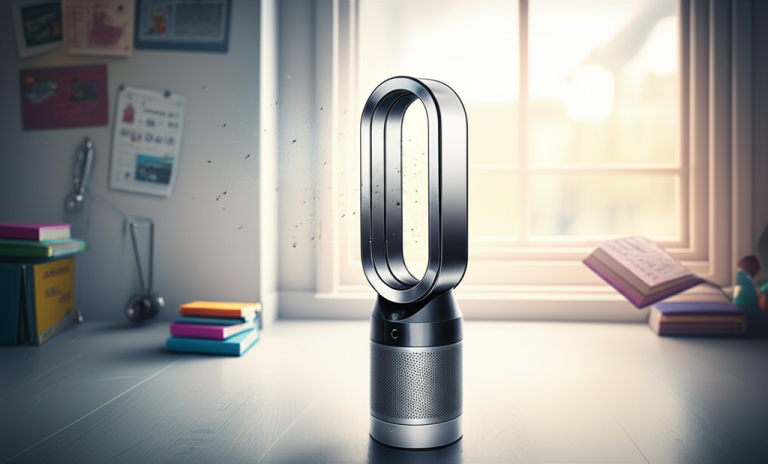
Dyson is known for its cutting-edge technology and stylish designs. Their air purifiers often integrate heating and cooling functions, making them versatile for year-round use. Many Dyson models feature advanced filtration systems and smart connectivity.
Pros: Multi-functional (purify, heat, cool), excellent filtration, sleek design, smart features.
Cons: Premium price point, can be louder on higher settings.
Dyson’s approach to air purification is often praised in comprehensive air purifier ratings reviews for its innovation.
Coway Air Purifiers: Reliable and Effective
Coway consistently receives high marks in air purifier ratings reviews for its balance of performance, features, and value. Their models often feature multi-stage filtration, including HEPA and activated carbon, and are praised for their quiet operation and robust build quality.
Pros: Excellent filtration efficiency, quiet operation, good value for money, durable.
Cons: Designs can be less modern than some competitors.
Coway is a go-to brand for many seeking dependable air purification without breaking the bank.
Blueair Air Purifiers: Scandinavian Design and Performance
Blueair emphasizes elegant Scandinavian design and high-performance air purification. They use a combination of electrostatic and mechanical filtration (HEPASilent™ technology) to capture particles efficiently and quietly. Their models are often praised for their energy efficiency and ease of use.
Pros: Quiet operation, energy-efficient, stylish design, effective particle capture.
Cons: Replacement filters can be costly, some models may lack advanced smart features.
Blueair models are frequently highlighted in air purifier ratings reviews for their blend of aesthetics and functionality.
Levoit Air Purifiers: Budget-Friendly Options
Levoit offers a range of affordable air purifiers that still deliver solid performance. They are particularly popular for smaller spaces and for consumers looking for a cost-effective solution. Many Levoit models feature True HEPA filters and are compact and easy to operate.
Pros: Affordable, compact, True HEPA filters, user-friendly.
Cons: May not be as powerful for very large rooms, less advanced features.
Levoit is a strong contender in air purifier ratings reviews for those on a tighter budget.
How to Read and Interpret Air Purifier Ratings Reviews
Effectively interpreting air purifier ratings reviews is key to making an informed purchase. Beyond just looking at star ratings, dig into the details to understand the reviewer’s methodology and the specific performance aspects they evaluated. This allows you to discern genuine insights from superficial opinions.
Understanding Review Scores and Methodology
When you come across air purifier ratings reviews, look for consistent scoring across different categories like filtration efficiency, noise, features, and value. Reputable reviews often detail their testing process, including room size, pollutant types, and duration of testing. This methodology provides context for their scores and increases the credibility of their findings.
Consistency: Do scores align with performance claims?
Transparency: Is the testing methodology clearly explained?
A well-researched review will offer more than just a number; it will provide context for that number.
Identifying Genuine User Experiences vs. Sponsored Content
It’s important to distinguish between genuine user experiences and sponsored content in air purifier ratings reviews. Look for reviews that provide balanced pros and cons, mention specific use cases, and offer detailed observations rather than generic praise. Sponsored content may sometimes lack critical evaluation or focus heavily on promotional aspects.
Authenticity: Does the review sound like a real person’s experience?
Balance: Are both positive and negative aspects discussed?
Always cross-reference information from multiple sources to get a well-rounded perspective.
The Role of Third-Party Testing and Certifications
Third-party testing and certifications add a layer of objectivity to air purifier ratings reviews. Organizations like AHAM (Association of Home Appliance Manufacturers) provide standardized testing for CADR ratings. Certifications such as ENERGY STAR or CARB (California Air Resources Board) also indicate compliance with specific standards for safety and efficiency.
AHAM Verified: Confirms CADR ratings are independently tested.
CARB Compliant: Ensures the unit meets ozone emission standards.
These certifications lend significant weight to the performance claims found in air purifier ratings reviews.
Factors Influencing Air Purifier Performance
Several factors beyond the core ratings can influence how well an air purifier performs in your specific environment. Understanding these variables helps you set realistic expectations and optimize your purifier’s effectiveness. These are often nuanced points that differentiate expert air purifier ratings reviews.
Room Air Exchange Rate
The air exchange rate refers to how often the air in a room is replaced with fresh air. Rooms with poor ventilation or high occupancy will benefit from a more powerful air purifier with a higher CADR. Conversely, a well-ventilated space might require a less robust unit.
High Exchange Rate: More frequent air changes, requiring higher CADR.
Low Exchange Rate: Less frequent air changes, allowing for lower CADR.
Consider your room’s typical air circulation when evaluating air purifier ratings reviews.
Filter Lifespan and Replacement Costs
The lifespan of filters is a critical long-term consideration. Manufacturers specify how often filters should be replaced, and these costs can add up significantly over time. Some air purifier ratings reviews might overlook this, so it’s crucial to factor it into your budget.
Pre-filters: Often washable and extend the life of main filters.
HEPA & Carbon Filters: Typically need replacement every 6-12 months.
Always check the cost and availability of replacement filters before purchasing an air purifier.
Placement and Environment
Where you place your air purifier can impact its efficiency. Placing it in a central location with good airflow, away from obstructions like furniture or curtains, allows it to circulate air more effectively. Consider the primary sources of pollution in your home when deciding on placement.
Central Location: Promotes better air circulation throughout the room.
Avoid Obstructions: Ensure air can freely enter and exit the unit.
Proper placement is a simple yet effective way to maximize your air purifier’s performance, often a tip found in detailed air purifier ratings reviews.
Common Issues and Troubleshooting in Air Purifier Reviews
Even the best air purifiers can sometimes encounter issues. Understanding common problems and their solutions, as often discussed in air purifier ratings reviews, can save you frustration and ensure your device continues to operate optimally. Proactive troubleshooting can extend the life of your unit.
Filter Replacement Indicators
Most modern air purifiers have indicators that alert you when it’s time to replace the filters. If this indicator fails or seems inaccurate, consult your user manual for troubleshooting steps or manual reset procedures. Ignoring filter replacement can severely degrade performance.
Indicator Lights: Signal when filters are nearing the end of their lifespan.
Manual Reset: Often required after replacing filters.
Regularly checking and replacing filters is paramount for maintaining air quality, a point consistently stressed in air purifier ratings reviews.
Unusual Noises or Smells
If your air purifier starts making unusual noises or emitting strange smells, it’s usually a sign that something needs attention. This could be a loose part, a clogged filter, or even an issue with the motor. Turn off the unit and consult the troubleshooting section of your manual or contact customer support.
Grinding noises: Might indicate a motor issue.
Burning smells: Should be addressed immediately by unplugging the unit.
Addressing these issues promptly ensures safe and effective operation, a common topic in user-generated air purifier ratings reviews.
Reduced Airflow or Performance
A noticeable decrease in airflow or purification effectiveness often points to clogged filters. If you’ve replaced the filters recently and still experience reduced performance, check for any obstructions around the unit or within the filter housing. Ensure the unit is the correct size for the room.
Clogged Filters: The most common cause of reduced airflow.
* Obstructions: Check intake and output vents for blockages.
Maintaining clean filters and clear airflow is fundamental to sustained performance, a recurring theme in air purifier ratings reviews.
Frequently Asked Questions About Air Purifier Ratings Reviews
Here are answers to some common questions I encounter regarding air purifier ratings reviews and choosing the right air purifier.
Q1: What is the most important rating for an air purifier?
A: The Clean Air Delivery Rate (CADR) is the most crucial rating, indicating how quickly an air purifier can clean a specific pollutant from the air. Higher CADR values mean faster and more effective purification.
Q2: Do I really need a True HEPA filter?
A: Yes, for the best particle filtration, a True HEPA filter is highly recommended. It’s certified to capture at least 99.97% of airborne particles as small as 0.3 microns.
Q3: How often should I replace air purifier filters?
A: Filter replacement frequency varies by model and usage, but typically HEPA and carbon filters need replacement every 6 to 12 months. Always check your manufacturer’s recommendations.
Q4: Can an air purifier help with allergies and asthma?
A: Absolutely. By removing allergens like pollen, dust mites, pet dander, and mold spores from the air, air purifiers can significantly alleviate symptoms for allergy and asthma sufferers.
Q5: Are expensive air purifiers always better?
A: Not necessarily. While premium models often offer advanced features and higher performance, many budget-friendly options provide excellent purification with True HEPA filters. It’s about matching features to your needs and budget.
Q6: What does AHAM Verified mean on air purifier ratings reviews?
A: AHAM Verified means the air purifier’s CADR ratings for smoke, dust, and pollen have been independently tested and certified by the Association of Home Appliance Manufacturers, ensuring accuracy.
Q7: How do I know which air purifier is best for my room size?
A: Check the manufacturer’s specified coverage area (in square feet) for the air purifier. It’s often recommended to choose a unit rated for a slightly larger room than yours for optimal performance and quieter operation.
Conclusion: Making an Informed Choice with Air Purifier Ratings Reviews
Choosing the right air purifier involves understanding key performance metrics, essential features, and the nuances presented in air purifier ratings reviews. By prioritizing factors like CADR, True HEPA filtration, activated carbon, and considering room size, noise levels, and energy efficiency, you can confidently select a device that will significantly improve your indoor air quality. Always research thoroughly, cross-reference information, and consider your specific needs to find the perfect air purifier for a healthier home.