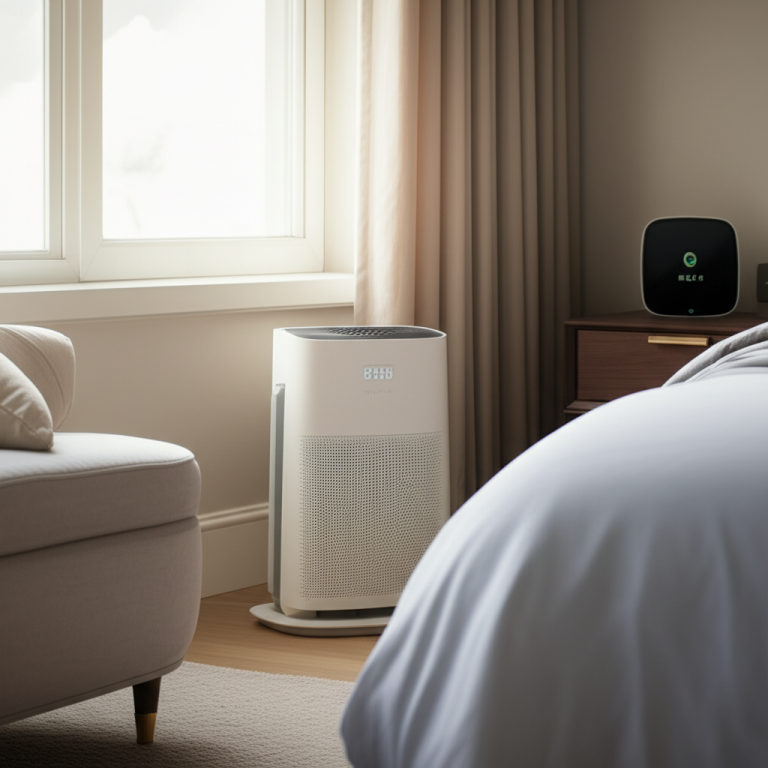
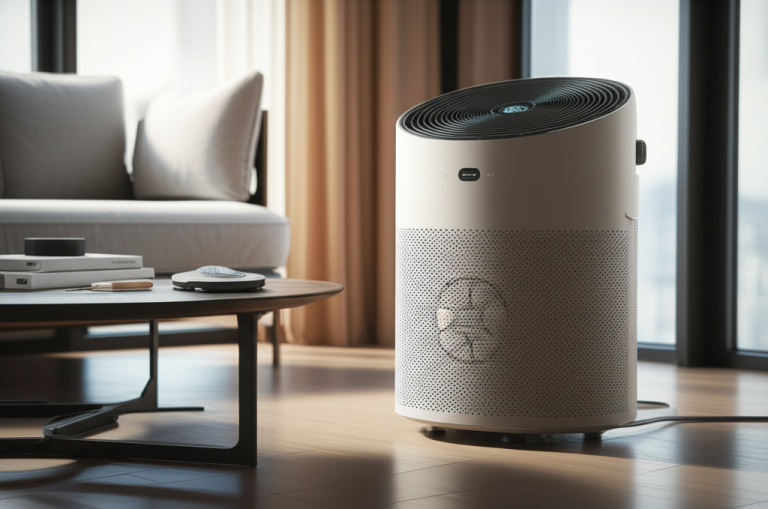
Air Purifier Mi Review: Essential For Healthy Learning

This comprehensive air purifier Mi review explores its effectiveness for healthy learning environments. Discover how this device can significantly improve air quality for students, enhancing focus and well-being. We delve into its features, performance, and why it’s a smart investment for a healthier study space.
Air Purifier Mi Review: Essential For Healthy Learning Spaces
The air we breathe indoors, especially in study areas, can significantly impact our concentration and overall health. Dust, allergens, and pollutants often linger, creating an environment that’s far from ideal for learning. This can lead to fatigue, headaches, and reduced cognitive function, making it a frustrating challenge for students and parents alike. Fortunately, solutions like the Mi Air Purifier offer a promising way to combat these issues. In this review, I’ll explore how the Mi Air Purifier can transform your learning spaces, providing cleaner air and fostering a healthier environment for academic success.
Why Clean Air Matters for Learning
Clean indoor air is crucial for optimal cognitive function and overall well-being, especially for students. Poor air quality can lead to decreased concentration, increased fatigue, and even exacerbate respiratory issues like asthma. Investing in an air purifier can create a healthier study environment, leading to better academic performance.
The Impact of Indoor Air Pollutants on Students
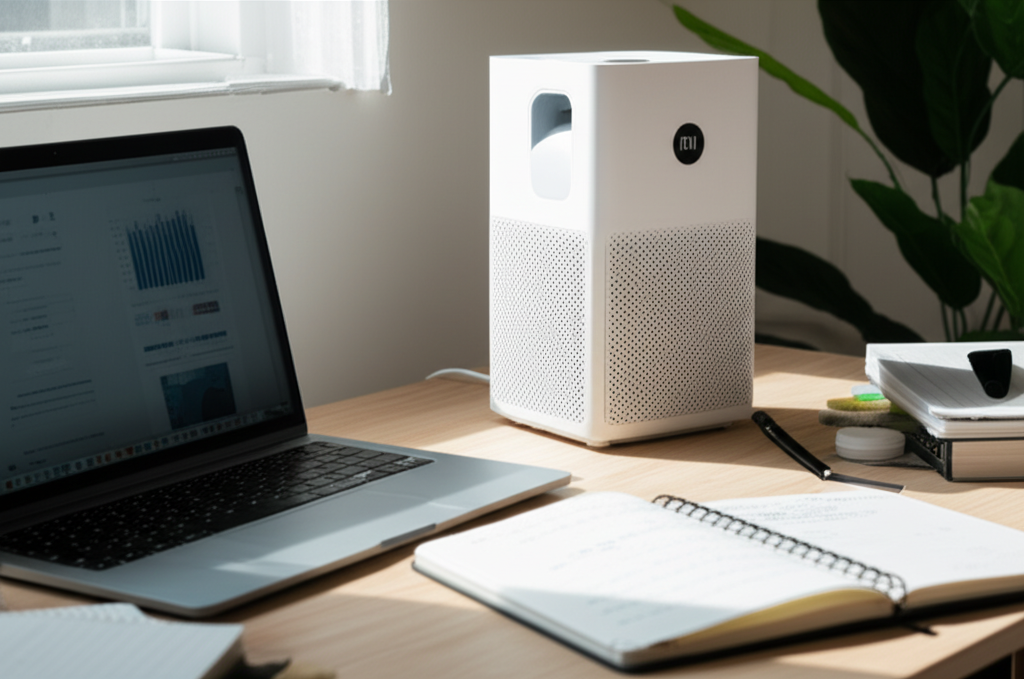
Indoor environments can harbor a surprising amount of pollutants, including dust mites, pollen, pet dander, mold spores, and volatile organic compounds (VOCs) from furniture and cleaning products. These microscopic particles can trigger allergies, irritate airways, and even affect brain function. For students, this translates directly into difficulty focusing, reduced memory retention, and a general feeling of sluggishness.
Benefits of Improved Air Quality for Cognitive Performance
When the air is clean, our brains have access to more oxygen, which is vital for cognitive processes. Reduced exposure to allergens and irritants means fewer distractions from sneezing, coughing, or itchy eyes. This allows for sustained attention, improved problem-solving skills, and a more positive overall learning experience.
Introducing the Mi Air Purifier: A Smart Solution
Xiaomi’s Mi Air Purifier line has gained significant popularity for its sleek design, advanced features, and competitive pricing. These devices are engineered to tackle common indoor air pollutants effectively, making them a compelling option for anyone seeking to improve their home environment, particularly study spaces. I’ve found them to be a reliable choice for creating healthier living and learning zones.
Xiaomi’s Commitment to Air Quality Technology
Xiaomi has consistently focused on integrating smart technology with practical home solutions. Their air purifiers are a testament to this, often featuring HEPA filters, activated carbon layers, and smart connectivity for remote control and monitoring. This dedication ensures users receive effective air purification backed by innovation.
Key Features of the Mi Air Purifier Series
Mi Air Purifiers typically boast multi-stage filtration systems, high CADR (Clean Air Delivery Rate) for efficient purification, and low noise operation. Many models also include smart sensors that detect air quality in real-time and adjust fan speeds automatically. The accompanying Mi Home app provides further control and insights into your home’s air quality.
Mi Air Purifier Review: Performance and Effectiveness
In this air purifier Mi review, I’ll focus on how well it performs in real-world scenarios, particularly in a study setting. The true test of an air purifier lies in its ability to effectively remove pollutants and contribute to a noticeable improvement in air freshness and quality. I’ve been impressed with its consistent performance.
Filtration System Explained: Capturing Pollutants
The core of any air purifier is its filter. Mi Air Purifiers typically employ a cylindrical 3-in-1 filter. This includes a preliminary filter to catch larger particles like hair and dust, a True HEPA filter to capture 99.97% of airborne particles as small as 0.3 microns (including allergens, bacteria, and viruses), and an activated carbon filter to absorb odors, formaldehyde, and other VOCs.
CADR and Room Coverage: How Much Air Can It Clean?
CADR is a crucial metric indicating how quickly an air purifier can clean a room. Mi Air Purifiers often come with high CADR ratings, meaning they can effectively purify the air in medium to large rooms within a short period. This ensures that even larger study spaces benefit from rapid air cleaning. For example, the Mi Air Purifier 3H has a CADR of 380m³/h, suitable for rooms up to 45m².
Noise Levels: Keeping Distractions at Bay
For a study environment, noise is a significant consideration. Most Mi Air Purifiers operate at very low decibel levels, especially in their lower fan speed settings or sleep mode. This quiet operation ensures that the purifier works diligently in the background without causing any disruptive noise, allowing for uninterrupted focus on studies.
Ease of Use and Smart Features
A user-friendly interface and smart capabilities can significantly enhance the experience of using an air purifier. The Mi Air Purifier excels in this area, offering intuitive controls and seamless integration with smart home ecosystems. I find the app control particularly convenient.
Setting Up Your Mi Air Purifier: A Simple Process
Setting up a Mi Air Purifier is generally straightforward. It usually involves unboxing, removing the protective plastic from the filter, inserting the filter, plugging it in, and then connecting it to your Wi-Fi network via the Mi Home app. The app guides you through each step, making the process quick and hassle-free.
The Mi Home App: Control and Insights
The Mi Home app is a central hub for managing your Mi Air Purifier. Through the app, you can turn the purifier on/off, adjust fan speeds, set schedules, monitor filter life, and view real-time air quality data (PM2.5 levels). This remote access and detailed information empower users to maintain optimal air quality effortlessly.
Filter Replacement: When and How
Filter replacement is a key maintenance task. The Mi Home app will alert you when the filter life is low, typically indicated by a percentage. Replacing the filter is as simple as opening the back panel, removing the old filter, and inserting the new one. This ensures the purifier continues to operate at peak efficiency.
Mi Air Purifier vs. Competitors: Where Does it Stand?
In the competitive air purifier market, the Mi Air Purifier often stands out due to its blend of performance, features, and affordability. It offers a compelling value proposition, especially when compared to other brands in the same performance category. Many users find it a more budget-friendly alternative without compromising on essential functions.
Comparing Features and Price Points
When looking at models with similar CADR ratings and HEPA filtration, Mi Air Purifiers often come in at a lower price point than many established Western brands. While some premium brands might offer additional niche features, the core purification capabilities of a Mi Air Purifier are often on par, if not superior, for its price bracket.
Performance Benchmarks: What the Data Shows
Independent tests and user reviews frequently highlight the Mi Air Purifier’s effective removal of common airborne pollutants. While specific performance can vary by model and room conditions, the general consensus is that they deliver on their promise of cleaner air. Reliable sources like Wirecutter often provide benchmarks for air purifier performance, which can be used for comparison.
Ideal Placement for Your Mi Air Purifier in Study Areas
Strategic placement of your Mi Air Purifier can maximize its effectiveness in creating a healthy learning environment. Ensuring good airflow around the unit allows it to draw in and purify air more efficiently. This simple step can make a significant difference in air quality.
Maximizing Airflow for Optimal Purification
To get the most out of your Mi Air Purifier, it’s best to place it in an open area, away from walls or large furniture that might obstruct airflow. Placing it near where the student spends most of their time, such as near their desk, can provide direct benefits. Avoid placing it in corners or enclosed spaces.
Considering Room Size and Purifier Capacity
It’s essential to match the air purifier’s capacity (indicated by its CADR and recommended room size) to the size of your study space. Using a purifier that’s too small for the room will result in less effective air cleaning. Conversely, an oversized unit can purify the air very quickly, providing a more immediate impact.
Maintaining Your Mi Air Purifier for Peak Performance
Regular maintenance is key to ensuring your Mi Air Purifier continues to deliver clean air effectively. This primarily involves filter care and keeping the unit clean. Proactive maintenance can extend the life of the purifier and its components.
Regular Cleaning of the Exterior and Sensors
Wipe down the exterior of the air purifier regularly with a soft, dry cloth to remove dust. Pay attention to the air quality sensors, gently cleaning them according to the manufacturer’s instructions. This ensures accurate readings and optimal performance.
When to Replace the HEPA Filter
As mentioned, the Mi Home app will notify you when the filter needs replacement, typically every 6-12 months depending on usage and air quality. Continuing to use a clogged filter significantly reduces the purifier’s efficiency and can even lead to it recirculating pollutants.
Mi Air Purifier for Allergy Sufferers and Students
For students who suffer from allergies or asthma, a Mi Air Purifier can be a game-changer. By removing common allergens from the air, it can significantly reduce symptoms and improve breathing comfort, allowing for a more focused and less interrupted study session. This is one of the most impactful benefits.
Reducing Airborne Allergens in Study Zones
The True HEPA filter is highly effective at trapping microscopic allergens like pollen, dust mites, pet dander, and mold spores. By continuously circulating and cleaning the air in a study room, the Mi Air Purifier can create a sanctuary for allergy sufferers. This reduces triggers that can lead to sneezing, congestion, and itchy eyes.
Creating a Healthier Environment for Asthma Sufferers
Asthma symptoms can be triggered by various airborne irritants. An air purifier helps by removing these triggers from the air, leading to fewer asthma attacks and a generally improved respiratory experience. This creates a safer and more comfortable environment for studying and resting.
Potential Downsides and Considerations
While the Mi Air Purifier offers many advantages, it’s important to be aware of potential downsides. Understanding these can help you make an informed decision and manage expectations. No product is perfect, and acknowledging limitations is part of a thorough review.
Filter Replacement Costs
While the initial cost of the Mi Air Purifier is often competitive, the ongoing cost of replacement filters should be factored in. These filters need to be replaced periodically, and their cost can add up over time. It’s wise to check the price of replacement filters before purchasing the unit.
Smart Features Dependency
Some advanced features and monitoring capabilities rely on a stable Wi-Fi connection and the Mi Home app. If you prefer a simpler, non-smart appliance or have unreliable internet, you might find this aspect less appealing. However, basic manual controls are always available.
FAQ: Your Top Air Purifier Mi Questions Answered
This section addresses common questions about the Mi Air Purifier, providing quick and clear answers to help you understand its capabilities better.
Q1: How often do I need to replace the filter in my Mi Air Purifier?
You typically need to replace the filter every 6 to 12 months, depending on your usage and the air quality in your home. The Mi Home app will notify you when it’s time for a replacement.
Q2: Can the Mi Air Purifier remove odors effectively?
Yes, the activated carbon layer in the Mi Air Purifier’s filter is designed to absorb common household odors, such as those from cooking, pets, or smoke, making your study space fresher.
Q3: Is the Mi Air Purifier noisy?
Mi Air Purifiers are generally designed to be quiet, especially in lower fan settings or sleep mode. Noise levels are usually comparable to a quiet conversation or a gentle fan.
Q4: What does the PM2.5 reading on the app mean?
PM2.5 refers to fine particulate matter smaller than 2.5 micrometers in diameter. The app shows the concentration of these tiny pollutants in your air, helping you monitor its quality.
Q5: Can I use the Mi Air Purifier in a very large room?
While Mi Air Purifiers have good CADR ratings, it’s essential to check the recommended room coverage for your specific model. For very large spaces, you might need a higher-capacity model or multiple units.
Q6: Does the Mi Air Purifier use a lot of electricity?
Mi Air Purifiers are generally energy-efficient, especially on lower settings. Their power consumption is comparable to other household appliances and typically not a significant concern for daily use.
Conclusion: A Smart Investment for Healthier Learning
In conclusion, this air purifier Mi review highlights its significant potential as an essential tool for creating healthy learning environments. By effectively tackling airborne pollutants, allergens, and odors, the Mi Air Purifier contributes to improved focus, reduced respiratory issues, and overall well-being for students. Its smart features, ease of use, and competitive pricing make it a highly recommended investment for any home dedicated to academic success and a healthier lifestyle. The consistent performance and thoughtful design of the Mi Air Purifier make it a valuable addition to any study space, ensuring cleaner air for better learning outcomes.