Air Purifier Make House Smell Better: Essential Freshness

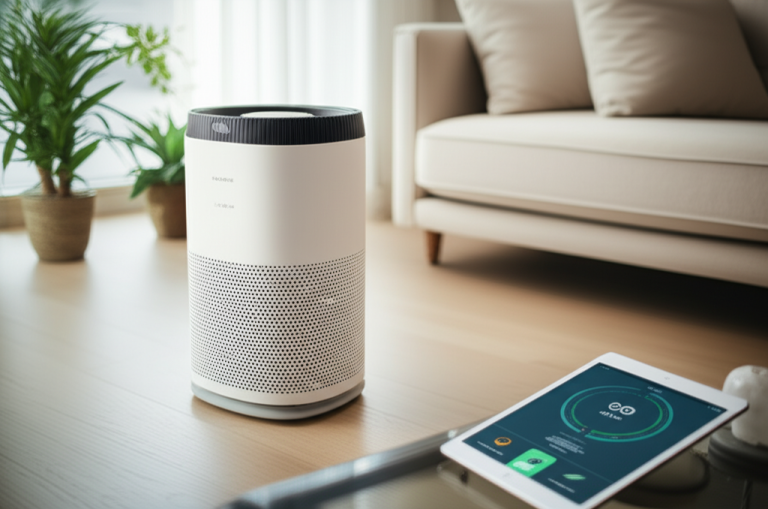
An air purifier can dramatically make your house smell better by actively removing odor-causing particles, not just masking them. Discover how this essential freshness can transform your living space with targeted filtration and smart technology.
Air Purifier Make House Smell Better: Essential Freshness for Your Home
Does your home carry lingering odors, no matter how often you clean? From pet smells to cooking fumes and even musty dampness, unwanted scents can detract from the comfort and joy of your living space. You’ve tried sprays and candles, but they only offer a temporary fix. What if there was a way to achieve truly fresh air, making your house smell better at its source? An air purifier might be the essential solution you’ve been searching for, actively tackling the particles that create those unpleasant smells.
The Science Behind Smells: What’s Really Lingering in Your Air?
Unpleasant household odors are rarely just “in the air.” They are typically caused by microscopic particles like volatile organic compounds (VOCs), bacteria, mold spores, and dander that float freely. These particles attach to surfaces and, more importantly, are constantly inhaled, impacting both the scent and the quality of your indoor environment. Understanding this helps us see why simply masking smells isn’t a sustainable solution.
How an Air Purifier Tackles Odors: Beyond Just Airflow
An air purifier doesn’t just move air around; it actively cleans it. The most effective models for odor removal utilize multi-stage filtration systems. These systems are designed to capture and neutralize a wide range of airborne contaminants, including those responsible for bad smells. This active removal process is key to achieving lasting freshness.
The Power of Activated Carbon Filters: Your Odor-Eliminating Champion
When you’re looking for an air purifier to make your house smell better, the presence of an activated carbon filter is paramount. Activated carbon is incredibly porous, creating a vast surface area that acts like a magnet for odor molecules. As air passes through, these molecules get trapped within the carbon, effectively removing them from circulation.
What is Activated Carbon and How Does It Work?
Activated carbon is treated to be extremely porous, increasing its surface area exponentially. This vast network of tiny holes is perfect for adsorbing (not absorbing) gas molecules, including those that cause odors. Think of it like a super-sponge for smells, trapping them permanently within its structure.
Types of Activated Carbon Filters
Granular Activated Carbon (GAC): This is the most common type, consisting of loose carbon granules. It’s effective for general odor control and can be found in many affordable purifiers.
Carbon Fiber Filters: These are made from woven carbon fibers, offering a denser filtration matrix. They can be more efficient for specific odors but might be more expensive.
Impregnated Carbon: Some carbon filters are treated with specific chemicals to enhance their ability to neutralize certain gases, like ammonia or formaldehyde.
HEPA Filters: The Unsung Heroes of Freshness
While activated carbon is the star for odor removal, a High-Efficiency Particulate Air (HEPA) filter plays a crucial supporting role. HEPA filters are designed to capture at least 99.97% of airborne particles 0.3 microns in size. This includes many odor-causing culprits like pet dander, dust mite allergens, and mold spores, which can also contribute to musty or stale smells.
The HEPA Difference: Capturing the Source
By trapping these tiny particles, HEPA filters prevent them from settling on surfaces or breaking down further to create more intense odors. They remove the physical “stuff” that often underpins persistent smells, working in tandem with carbon to create a truly fresh environment. A good air purifier make house smell better by addressing both gases and particles.
Beyond Odors: Addressing Other Air Quality Concerns
An air purifier that makes your house smell better often tackles a range of air quality issues simultaneously. Beyond just scent, these devices can remove allergens, pollutants, and even microscopic pathogens. This holistic approach contributes to a healthier and more pleasant living space overall, improving your well-being.
Choosing the Right Air Purifier for Odor Control: Key Features to Look For
When selecting an air purifier, focus on models that prioritize robust activated carbon filtration. Look for units with a substantial amount of carbon – often measured in pounds or kilograms – as this directly correlates to its odor-absorbing capacity and lifespan. Also, consider the CADR (Clean Air Delivery Rate) to ensure it can effectively circulate and clean the air in your room.
Essential Features for an Odor-Fighting Air Purifier:
Substantial Activated Carbon Filter: The more carbon, the better it can adsorb odors.
True HEPA Filter: To capture particulate matter that contributes to smells.
Pre-filter: To catch larger particles like hair and dust, extending the life of the main filters.
Appropriate Room Size Coverage: Ensure the purifier’s CADR matches your space.
Quiet Operation: Especially important for bedrooms and living areas.
Placement and Maintenance: Maximizing Your Air Purifier’s Effectiveness
Where you place your air purifier and how you maintain it significantly impacts its ability to make your house smell better. For optimal performance, position the unit in the room where odors are most prevalent or where you spend the most time. Regular filter replacement is also critical; a saturated carbon filter can no longer absorb odors and may even start to release trapped particles.
Best Practices for Air Purifier Placement:
Place on a flat, stable surface.
Ensure at least a foot of clearance around all sides for proper airflow.
Avoid placing directly next to furniture or curtains that could obstruct intake or output.
Consider placing it in a corner to maximize air circulation throughout the room.
Air Purifier vs. Other Odor Solutions: A Comparative Look
While air fresheners and candles offer temporary scent masking, they do not address the root cause of odors. Baking soda and activated charcoal sachets can absorb some smells but lack the active air circulation and comprehensive filtration of a dedicated air purifier. For a truly effective and long-lasting solution to make your house smell better, an air purifier stands out.
| Solution | Mechanism | Effectiveness for Odors | Longevity |
| :——————- | :—————————— | :————————— | :———— |
| Air Freshener Spray | Masks odors with fragrance | Temporary | Minutes |
| Scented Candles | Masks odors with fragrance | Temporary | Hours |
| Baking Soda | Absorbs some odors passively | Limited, localized | Weeks |
| Activated Charcoal | Absorbs some odors passively | Moderate, localized | Months |
| Air Purifier | Actively filters air | Significant, long-lasting | Months (filters) |
The Long-Term Benefits of an Air Purifier for a Fresher Home
Investing in an air purifier that effectively tackles odors brings enduring benefits. Beyond the immediate improvement in scent, you’ll experience a more pleasant living environment, reduced allergens, and potentially fewer respiratory irritants. It’s a step towards a healthier home where you can breathe easier and enjoy the essential freshness.
Frequently Asked Questions About Air Purifiers and Home Freshness
Will an air purifier actually make my house smell better?
Yes, especially models with substantial activated carbon filters. They actively capture and neutralize odor-causing particles and gases, rather than just masking them.
How quickly can I expect to notice a difference in smell?
You may notice a subtle improvement within a few hours, with significant odor reduction often becoming apparent within 24-48 hours of continuous operation.
How often do I need to replace the filters?
This varies by model and usage, but activated carbon filters typically need replacement every 3-6 months, and HEPA filters every 6-12 months. Always check your manufacturer’s recommendations.
Can an air purifier eliminate pet odors completely?
Air purifiers with powerful activated carbon filters are highly effective at reducing and eliminating pet odors by capturing dander, hair, and odor molecules. Consistent filter maintenance is key.
Are air purifiers noisy?
Most modern air purifiers have multiple fan speeds, including a quiet “sleep” mode, making them suitable for bedrooms and living spaces. Noise levels vary by model.
What’s the difference between an air purifier and an ionizer?
Air purifiers use physical filters (like HEPA and carbon) to trap pollutants. Ionizers release charged particles that attach to airborne pollutants, causing them to fall out of the air or stick to surfaces. Some ionizers can produce ozone, which can be an irritant.
Can an air purifier help with musty smells?
Yes, air purifiers can help with musty smells by filtering out mold spores and mildew particles, which are common causes of damp or musty odors.
Conclusion: Embrace Essential Freshness with an Air Purifier
Achieving a consistently fresh-smelling home doesn’t have to be a constant battle. By understanding how odors form and the capabilities of modern air purification technology, you can make an informed choice. An air purifier, particularly one equipped with a robust activated carbon filter, offers a powerful and lasting solution. It actively removes the source of unwanted smells, contributing to not just a better-smelling house, but a healthier and more enjoyable living environment. Invest in an air purifier and experience the essential freshness you deserve.