Air Purifier Ionizer Reviews: Essential Guide

Discover essential air purifier ionizer reviews to help you choose the best device for a healthier home. This guide breaks down technology, benefits, and key considerations for informed purchasing decisions.
Breathing in cleaner air at home is a common desire, yet navigating the world of air purifiers can feel overwhelming. Many options boast advanced features, but understanding which ones truly deliver results is key. If you’re looking for effective solutions to common indoor air pollutants like dust, pollen, and pet dander, you’ve come to the right place. This guide will demystify air purifier ionizer reviews, offering clear insights and actionable advice.
What is an Air Purifier Ionizer and How Does It Work?
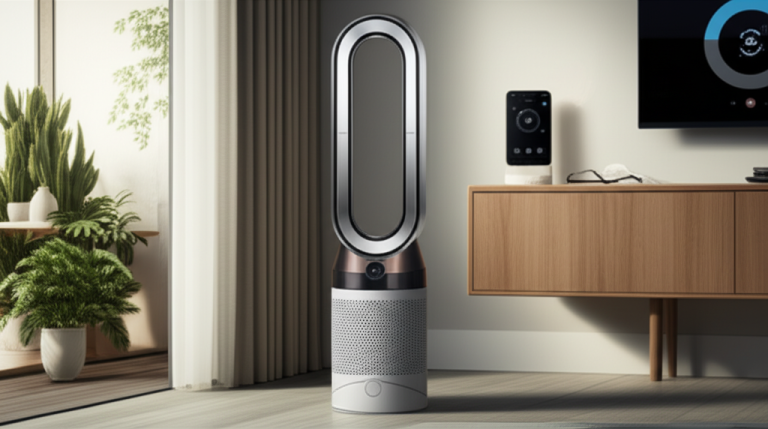
An air purifier ionizer is a device designed to clean the air in your home by releasing negative ions. These ions attach to airborne particles like dust, pollen, and smoke, giving them a negative charge. This charged particle then becomes heavier and falls to the ground or sticks to surfaces, or it attracts to oppositely charged particles, effectively removing them from the air you breathe.
This technology offers a unique approach to air purification, often working silently and without the need for replacement filters in some models. It’s a popular choice for those seeking continuous air quality improvement.
The Science Behind Ionizers: Negative Ions and Particle Removal
The core principle of ionizer technology lies in the generation of negative ions. These ions are electrically charged molecules that actively seek out positively charged particles in the air.
When these ions encounter pollutants like dust, mold spores, or even airborne bacteria, they neutralize their charge. This process causes the particles to clump together or become attracted to surfaces like walls and floors, effectively removing them from your breathing zone.
Benefits of Using an Air Purifier Ionizer
Air purifier ionizers offer several compelling advantages for improving your home’s air quality. They are particularly effective at reducing airborne allergens and can contribute to a more comfortable living environment for sensitive individuals.
Beyond allergen reduction, some users report a noticeable freshness in the air, akin to the feeling after a thunderstorm, which is naturally rich in negative ions. This can lead to a more pleasant and invigorating atmosphere within your home.
Reduced Allergens and Irritants
For allergy sufferers, an air purifier ionizer can be a game-changer. By actively capturing microscopic allergens like pollen, pet dander, and dust mites, it significantly reduces the triggers that can cause sneezing, itching, and respiratory discomfort.
This constant removal of irritants helps create a cleaner environment, allowing you to breathe easier and enjoy your home more fully. It’s a proactive step towards managing seasonal allergies and year-round sensitivities.
Odor Neutralization
Beyond just particles, ionizers can also help tackle unpleasant odors. Cooking smells, pet odors, and even lingering smoke can be neutralized by the ionization process.
The negative ions interact with odor-causing molecules, breaking them down or making them less volatile. This results in a fresher, more pleasant-smelling home without relying on artificial fragrances.
Potential for Improved Sleep and Well-being
While scientific consensus is still evolving, many users anecdotally report improved sleep quality and a general sense of well-being when using air purifiers with ionizer technology. Cleaner air can reduce nighttime congestion and breathing difficulties.
This enhanced comfort can lead to more restful sleep and a greater feeling of vitality throughout the day. It’s a subtle but significant benefit for overall health.
Types of Air Purifier Ionizers: What to Look For
When diving into air purifier ionizer reviews, you’ll encounter different types of ionizer technologies. Understanding these distinctions will help you choose a model that best suits your needs and concerns.
Some ionizers are standalone units, while others are integrated into multi-stage air purification systems. Each has its own set of pros and cons to consider.
Standalone Ionizers vs. Integrated Systems
Standalone ionizers are devices solely focused on releasing negative ions. They are often compact and can be a cost-effective option for targeting specific areas.
Integrated systems, on the other hand, combine ionizers with other purification methods like HEPA filters, activated carbon, or UV-C light. These offer a more comprehensive approach to air cleaning, tackling a wider range of pollutants.
Cold Plasma and Bipolar Ionization
Advanced ionizer technologies include cold plasma and bipolar ionization. These methods generate both positive and negative ions to more effectively neutralize a broader spectrum of airborne contaminants, including viruses and bacteria.
These technologies aim to enhance the effectiveness of ionization, offering a more robust solution for air purification. They are often found in higher-end models and are worth considering for those seeking maximum air quality improvement.
Key Considerations When Reading Air Purifier Ionizer Reviews
Choosing the right air purifier ionizer involves more than just looking at the price tag. Several factors are crucial to consider, ensuring you invest in a device that effectively meets your household’s air quality needs.
Paying attention to these details in air purifier ionizer reviews will help you make an informed decision and avoid potential pitfalls.
Ozone Production: A Critical Safety Concern
A significant concern with some ionizer technologies is the potential for ozone production. Ozone is a lung irritant, and prolonged exposure can be harmful, especially to individuals with respiratory conditions.
When reading air purifier ionizer reviews, always look for models that are certified as low or zero ozone. Organizations like the California Air Resources Board (CARB) provide certifications that indicate a product meets strict ozone emission standards. You can learn more about ozone safety from the U.S. Environmental Protection Agency (EPA).
Coverage Area and CADR Ratings
The effectiveness of an air purifier is often measured by its coverage area and Clean Air Delivery Rate (CADR). CADR indicates how quickly an air purifier can remove specific pollutants like smoke, dust, and pollen from a room.
Ensure the air purifier ionizer you choose is rated for the size of the room you intend to use it in. A higher CADR generally means more efficient air cleaning, but also consider noise levels.
Filter Replacement and Maintenance Costs
While some ionizers don’t require filter replacements, many integrated systems do. These filters need to be changed periodically to maintain optimal performance.
Factor in the ongoing cost of replacement filters and the ease of maintenance when making your decision. Some models have washable pre-filters that can reduce overall costs.
Noise Levels and Energy Consumption
Air purifiers can contribute to household noise, especially when operating at higher fan speeds. Check the decibel (dB) ratings in air purifier ionizer reviews to find a unit that won’t disrupt your daily life or sleep.
Also, consider the energy consumption of the device. Look for ENERGY STAR certified models, which are designed to be energy-efficient, saving you money on your electricity bills over time.
Top Air Purifier Ionizer Reviews: What the Experts Say
Navigating the market can be daunting, so I’ve compiled insights from reputable sources and common user feedback on popular air purifier ionizer models. These insights highlight both the strengths and potential weaknesses you might encounter.
It’s important to remember that the “best” air purifier ionizer is subjective and depends on individual needs, but these reviews offer a solid starting point.
Leading Brands and Models to Consider
When researching, you’ll likely see brands like Coway, Blueair, Levoit, and Winix frequently mentioned in air purifier ionizer reviews. Each offers models with varying features and price points.
For instance, some Coway models are praised for their comprehensive filtration systems, while Winix units often include plasmawave technology, which is a type of ionizer. Always check the specific features and specifications of each model.
User Experiences: Pros and Cons from Real-World Use
User reviews often highlight the effectiveness of ionizers in reducing dust and pet dander, leading to fewer allergy symptoms. Many appreciate the quiet operation of certain models and their sleek designs.
However, some users express concerns about ozone production or the effectiveness of standalone ionizers for larger spaces. It’s a good idea to read a variety of air purifier ionizer reviews to get a balanced perspective.
How to Choose the Right Air Purifier Ionizer for Your Home
Selecting the ideal air purifier ionizer for your home requires a personalized approach. Consider your primary concerns, the size of your living space, and your budget.
By carefully evaluating these factors and referencing reliable air purifier ionizer reviews, you can confidently make a choice that enhances your indoor air quality.
Assessing Your Specific Air Quality Needs
Are you primarily concerned about allergies, pet dander, smoke, or general air freshness? Your main concerns will dictate the type of purification technology and features you should prioritize.
For severe allergies, a HEPA filter combined with an ionizer might be most effective, whereas for odor control, activated carbon is crucial. Understanding your needs is the first step.
Budget and Long-Term Value
Air purifier ionizers range in price from budget-friendly options to high-end, feature-rich units. Determine your budget upfront, but also consider the long-term value.
Factor in the cost of replacement filters, energy consumption, and the durability of the unit. A slightly more expensive model with lower running costs might offer better value over time.
Where to Find Reliable Air Purifier Ionizer Reviews
Seek out reviews from trusted consumer product testing organizations, reputable tech websites, and user review platforms with a significant number of verified customer feedback. Websites like Wirecutter, Consumer Reports, and even Amazon (with careful filtering) can be valuable resources.
Always look for reviews that discuss specific performance metrics, noise levels, and safety certifications like CARB. This will give you a comprehensive understanding beyond just marketing claims.
Maintaining Your Air Purifier Ionizer for Optimal Performance
To ensure your air purifier ionizer continues to function effectively, regular maintenance is essential. This includes cleaning the unit and replacing filters as needed.
Proper upkeep not only extends the lifespan of your device but also guarantees that it consistently delivers clean air to your home.
Cleaning the Ionizer and Collector Plates
If your model has collector plates, they will need regular cleaning to remove accumulated dust and debris. Refer to your manufacturer’s manual for specific cleaning instructions.
Typically, this involves unplugging the unit and gently wiping down the plates with a damp cloth. This ensures the ionizer can effectively continue its work without obstruction.
When and How to Replace Filters
For air purifiers with HEPA or activated carbon filters, follow the manufacturer’s recommended replacement schedule. This is usually indicated by an indicator light on the unit or in the manual.
Using old, clogged filters will significantly reduce the purifier’s efficiency and can even lead to increased noise. Purchasing genuine replacement filters from the manufacturer is often recommended for best performance.
Frequently Asked Questions About Air Purifier Ionizers
Are air purifier ionizers safe?
Most modern air purifier ionizers are designed to be safe and produce very low or zero ozone. Always look for CARB certification, which ensures compliance with strict ozone emission limits. Consult your doctor if you have respiratory concerns.
Do ionizers actually work?
Yes, ionizers can be effective at removing airborne particles by charging them, causing them to settle or attach to surfaces. Their effectiveness can vary depending on the model and the specific pollutants in the air.
How often should I run my air purifier ionizer?
For continuous air purification, it’s generally recommended to run your air purifier ionizer 24/7. This ensures the air in your home is consistently being cleaned of pollutants.
Can ionizers help with pet dander and odors?
Many air purifier ionizer reviews indicate they are effective at reducing pet dander and neutralizing pet odors. The ionization process helps to capture dander and break down odor-causing molecules.
What’s the difference between an ionizer and a HEPA filter?
A HEPA filter physically traps particles as air passes through it, while an ionizer uses electrical charges to make particles fall out of the air or stick to surfaces. Many purifiers combine both technologies for enhanced cleaning.
Should I worry about ozone from my air purifier ionizer?
While older or poorly designed ionizers could produce significant ozone, most reputable brands now offer low-ozone or ozone-free models. Always check for safety certifications like CARB compliance.
Conclusion: Making an Informed Choice with Air Purifier Ionizer Reviews
Choosing the right air purifier ionizer is a significant step towards creating a healthier living environment. By understanding how ionizers work, their benefits, and potential drawbacks like ozone production, you can make a confident decision.
Thoroughly reviewing air purifier ionizer reviews from trusted sources, considering your specific needs, and prioritizing safety certifications will lead you to a device that effectively cleans your air. Invest wisely in your home’s air quality for a healthier and more comfortable life.