
Air Purifier For Car Smoke: Essential Clean Air Solution

Breathe easier in your vehicle with the right air purifier for car smoke. Discover how these devices eliminate lingering odors and harmful particles, ensuring a healthier driving environment. Learn what to look for and why it’s a crucial investment for smokers and non-smokers alike.
The persistent smell of cigarette smoke in a car can be incredibly frustrating. It clings to upholstery, permeates the air, and diminishes the pleasure of your commute. Fortunately, a dedicated air purifier for car smoke offers a powerful and effective solution. These compact devices are designed to tackle stubborn odors and airborne pollutants, restoring freshness and improving air quality for everyone. Let’s explore how you can reclaim your car’s interior and create a healthier, more enjoyable space.
Why Your Car Needs an Air Purifier for Smoke
Car smoke introduces a cocktail of unpleasant odors and harmful particulate matter into your vehicle’s enclosed space. These pollutants can linger for extended periods, impacting both comfort and health. An air purifier for car smoke acts as a vital defense, actively removing these undesirable elements.
The Lingering Impact of Car Smoke
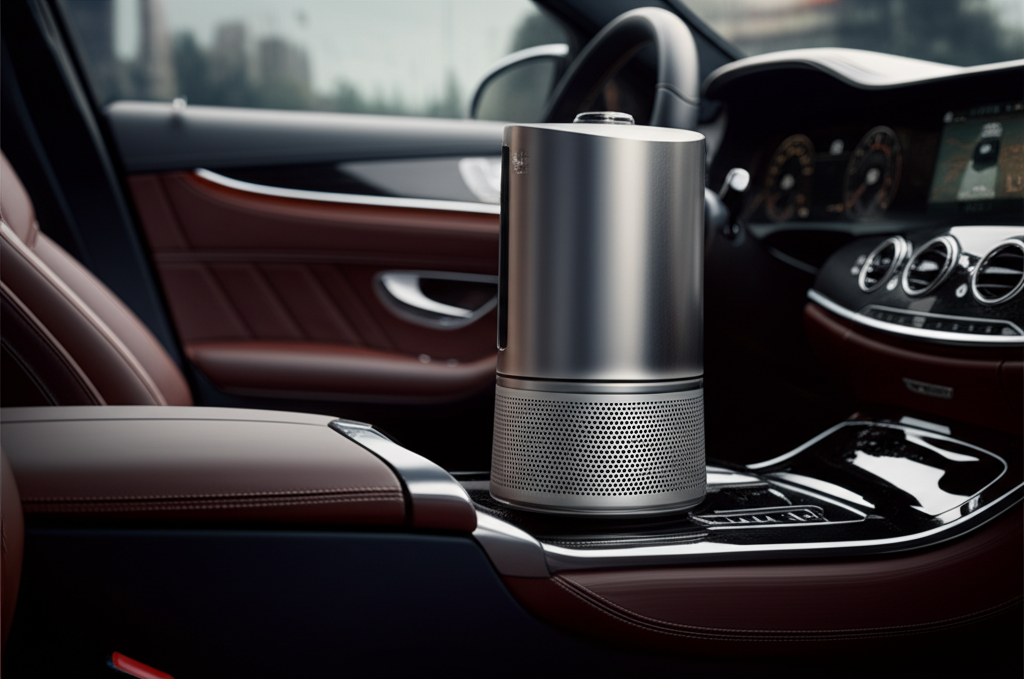
Cigarette smoke contains thousands of chemicals, many of which are toxic. When this smoke settles into car seats, carpets, and headliners, it creates a deeply embedded odor that’s difficult to remove with conventional cleaning methods. Beyond the smell, fine particulate matter can remain suspended in the air, contributing to respiratory irritation.
Beyond Odor: Health Concerns
The health implications of prolonged exposure to secondhand smoke in a confined space like a car are significant. Even residual smoke particles can trigger allergies, asthma symptoms, and general discomfort for passengers. An effective air purifier for car smoke helps mitigate these risks by capturing these microscopic irritants.
Understanding How Air Purifiers Combat Smoke
Air purifiers for car smoke employ various technologies to capture and neutralize smoke particles and their associated odors. Understanding these mechanisms is key to choosing the most effective device for your needs. Most rely on multi-stage filtration systems to achieve optimal air purification.
The Role of HEPA Filters
High-Efficiency Particulate Air (HEPA) filters are a cornerstone of effective air purification. A true HEPA filter can capture at least 99.97% of airborne particles as small as 0.3 microns. This includes smoke particles, dust, pollen, and other allergens, making them essential for an air purifier for car smoke.
Activated Carbon for Odor Elimination
While HEPA filters excel at capturing particles, activated carbon filters are crucial for odor absorption. Activated carbon has a porous structure that traps odor-causing molecules from smoke. A robust activated carbon layer in your air purifier for car smoke is vital for tackling stubborn smells.
Ionizers and Other Technologies
Some car air purifiers also utilize ionizers or UV-C light technology. Ionizers release negative ions that attach to airborne particles, causing them to clump together and fall out of the air. UV-C light can help neutralize certain airborne contaminants. However, it’s important to ensure these technologies are used safely and effectively.
Key Features to Look for in an Air Purifier for Car Smoke
When selecting an air purifier for car smoke, certain features will significantly impact its performance and suitability for your vehicle. Prioritizing these elements ensures you invest in a device that truly delivers clean air. Consider the size of your car and the intensity of the smoke issue.
Filtration System Strength
The most critical feature is a powerful filtration system. Look for devices with a true HEPA filter and a substantial activated carbon filter. The combination is essential for both particle removal and odor neutralization, making it an effective air purifier for car smoke.
Coverage Area and Airflow (CADR)
Ensure the air purifier is rated for the size of your car’s interior. While specific CADR (Clean Air Delivery Rate) ratings for car interiors are less common than for rooms, consider the purifier’s stated coverage and its ability to circulate air effectively. A higher airflow generally means faster purification.
Power Source and Portability
Most car air purifiers are powered via a 12V car adapter (cigarette lighter port). Check that the cord is long enough to position the unit conveniently. Portability is also key; you want a unit that is lightweight and easy to move or store.
Noise Level
Car interiors are already subject to ambient noise. Look for an air purifier that operates at a low decibel level, especially when set to its higher fan speeds. A quiet operation ensures it doesn’t add to driving distractions.
Filter Replacement and Maintenance
Consider the cost and availability of replacement filters. A good air purifier for car smoke will have readily available filters, and the manufacturer should provide clear instructions on how often they need to be changed. Regular maintenance ensures optimal performance.
Top Air Purifier Technologies for Smoke Removal
Different technological approaches can be employed by air purifiers to tackle smoke. Understanding these helps in making an informed choice, ensuring your air purifier for car smoke is up to the task.
HEPA + Activated Carbon Combination
This is the gold standard for smoke purification. The HEPA filter traps the particulate matter from smoke, while the activated carbon adsorbs the volatile organic compounds (VOCs) and odor molecules. This dual-action approach is highly effective.
Photocatalytic Oxidation (PCO)
PCO technology uses UV light and a catalyst (like titanium dioxide) to break down pollutants into harmless substances like water and carbon dioxide. While effective for some odors, it can sometimes produce ozone, which is a lung irritant. Ensure any PCO unit is certified as ozone-free.
Electrostatic Precipitation
This method uses an electric charge to collect particles. It can be effective but, like PCO, may produce ozone as a byproduct. Regular cleaning of the collector plates is also necessary.
How to Maximize Your Air Purifier’s Effectiveness
Simply placing an air purifier in your car isn’t always enough. A few strategic steps can significantly enhance its performance in combating car smoke. Make sure your chosen device is truly an effective air purifier for car smoke.
Strategic Placement
Position the air purifier where it can best draw in air and circulate purified air. Often, placing it on a seat or the center console, ensuring its air intake and outlet are unobstructed, works well. Avoid placing it directly under a vent where it might be blocked.
Regular Filter Maintenance
Adhering to the manufacturer’s recommended filter replacement schedule is crucial. Dirty filters become clogged, reducing airflow and purification efficiency. This is especially important for an air purifier for car smoke, as smoke particles can clog filters rapidly.
Complementary Cleaning
While an air purifier tackles airborne particles and odors, it’s not a substitute for deep cleaning. Regularly vacuuming upholstery and carpets, and wiping down surfaces, will remove settled smoke residue that the purifier can’t reach. This holistic approach is best.
Running the Purifier Consistently
For best results, run your air purifier for car smoke whenever you’re in the car, and consider running it periodically even when the car is parked (if power permits). Continuous operation helps maintain a consistently clean air environment.
Air Purifier for Car Smoke: Product Examples and Features
Here’s a look at some types of air purifiers you might consider, highlighting features relevant to combating car smoke.
| Product Type | Key Technologies | Best For | Considerations |
| :——————– | :———————————————— | :———————————————————————– | :—————————————————————————– |
| Compact Car Purifier | HEPA + Activated Carbon | Smaller vehicles, quick odor removal, portability | May have lower CADR, filter replacement costs can add up. |
| Vehicle-Specific Unit | Advanced HEPA, Carbon, sometimes Ionizer (ozone-free) | Medium to large vehicles, persistent smoke issues, integrated solutions | Can be more expensive, installation might be required. |
| Personal Air Circulator with Filter | Basic HEPA, Carbon | Very small cars, budget-conscious users, personal space | Limited coverage, less powerful for significant smoke problems. |
When evaluating options, always look for explicit mentions of smoke removal capabilities and certifications like CARB compliance (California Air Resources Board) for ozone safety.
The Importance of Ozone-Free Operation
When choosing an air purifier for car smoke, prioritizing ozone-free operation is paramount. Ozone is a lung irritant that can exacerbate respiratory conditions and is harmful even at low concentrations. While some purification technologies can produce ozone as a byproduct, many modern devices are designed to prevent this.
Understanding Ozone Production
Technologies like ionization and PCO can sometimes generate ozone. While the amounts produced by some devices might be very small, in the confined space of a car, even trace amounts can become problematic. This is particularly concerning for individuals with pre-existing respiratory issues.
Seeking Ozone-Free Certifications
Look for air purifiers that are explicitly certified as ozone-free. Certifications from bodies like the California Air Resources Board (CARB) are excellent indicators that a device meets strict standards for ozone emissions. This ensures your air purifier for car smoke is safe to use.
Setting Up and Using Your Air Purifier
Getting your air purifier for car smoke set up correctly is the first step to enjoying cleaner air. Follow these simple steps to ensure optimal performance from day one.
1. Unpack and Inspect: Carefully remove the air purifier and all its components from the packaging. Check for any visible damage.
2. Install Filters: Open the unit according to the manufacturer’s instructions and insert the HEPA and activated carbon filters. Ensure they are seated correctly.
3. Connect Power: Plug the power adapter into the purifier and then into your car’s 12V power outlet.
4. Position Unit: Place the air purifier in a stable location within your car, ensuring proper airflow.
5. Power On and Select Mode: Turn on the unit and select the desired fan speed. Start with a higher setting for initial smoke removal.
Using your air purifier consistently will yield the best results in maintaining a fresh-smelling and healthy car interior.
Alternatives and Complementary Solutions
While an air purifier for car smoke is a highly effective solution, other methods can complement its action or serve as alternatives for less severe issues. Exploring these options can help you create a comprehensive strategy for clean car air.
Professional Car Detailing
Professional detailing services often include ozone treatments or deep steam cleaning that can penetrate upholstery and eliminate deeply embedded smoke odors. This can be a powerful one-time solution. However, it doesn’t provide ongoing air purification.
Baking Soda and Activated Charcoal
For mild odors, placing open boxes of baking soda or bowls of activated charcoal in the car can help absorb smells over time. These are passive absorbers and are much less effective than an active air purifier for car smoke, especially for strong, persistent odors.
Specialized Car Cleaning Products
Many automotive cleaning products are designed to neutralize smoke odors. These can be effective for surface cleaning and providing a temporary fresh scent. However, they often mask odors rather than removing the source particles.
Frequently Asked Questions About Air Purifiers for Car Smoke
Here are answers to some common questions about using an air purifier to combat smoke in your vehicle.
Can an air purifier completely remove the smell of smoke from my car?
Yes, a high-quality air purifier for car smoke with both a HEPA filter and a substantial activated carbon filter can significantly reduce and eventually eliminate smoke odors. It works by capturing smoke particles and adsorbing odor molecules.
How often should I replace the filters in my car air purifier?
Filter replacement frequency depends on usage and the intensity of smoke. Typically, HEPA filters may need replacing every 6-12 months, and activated carbon filters every 3-6 months. Always follow the manufacturer’s recommendations.
Are car air purifiers noisy?
Most car air purifiers are designed to be relatively quiet, especially on lower settings. However, noise levels can vary between models. Look for units with decibel ratings if noise is a concern for you.
Will an air purifier help with the smell of old smoke, not just fresh smoke?
Absolutely. An effective air purifier for car smoke is designed to tackle both fresh and residual smoke particles and odors embedded in the car’s interior. The activated carbon is key for breaking down lingering smells.
Can I use a regular room air purifier in my car?
While some very small room purifiers might fit, they are generally not designed for the car environment. Car-specific purifiers are optimized for vehicle power outlets and are sized appropriately for car interiors.
What is the most important feature in an air purifier for car smoke?
The most important features are a true HEPA filter for capturing fine particles and a robust activated carbon filter for absorbing odors. These two components work together to provide effective smoke purification.
Conclusion: Invest in Your Driving Comfort
The presence of car smoke can turn a pleasant drive into an unpleasant ordeal. Investing in a quality air purifier for car smoke is a proactive step towards reclaiming your vehicle’s interior and ensuring a healthier, more comfortable environment for yourself and your passengers. By understanding the technologies involved and choosing a device with robust filtration, particularly HEPA and activated carbon, you can effectively combat lingering odors and harmful airborne particles.
Don’t let smoke dictate your driving experience. With the right air purifier for car smoke, you can enjoy fresh, clean air on every journey, making your car a sanctuary rather than a source of frustration. Make the smart choice for cleaner air and a better commute today.
