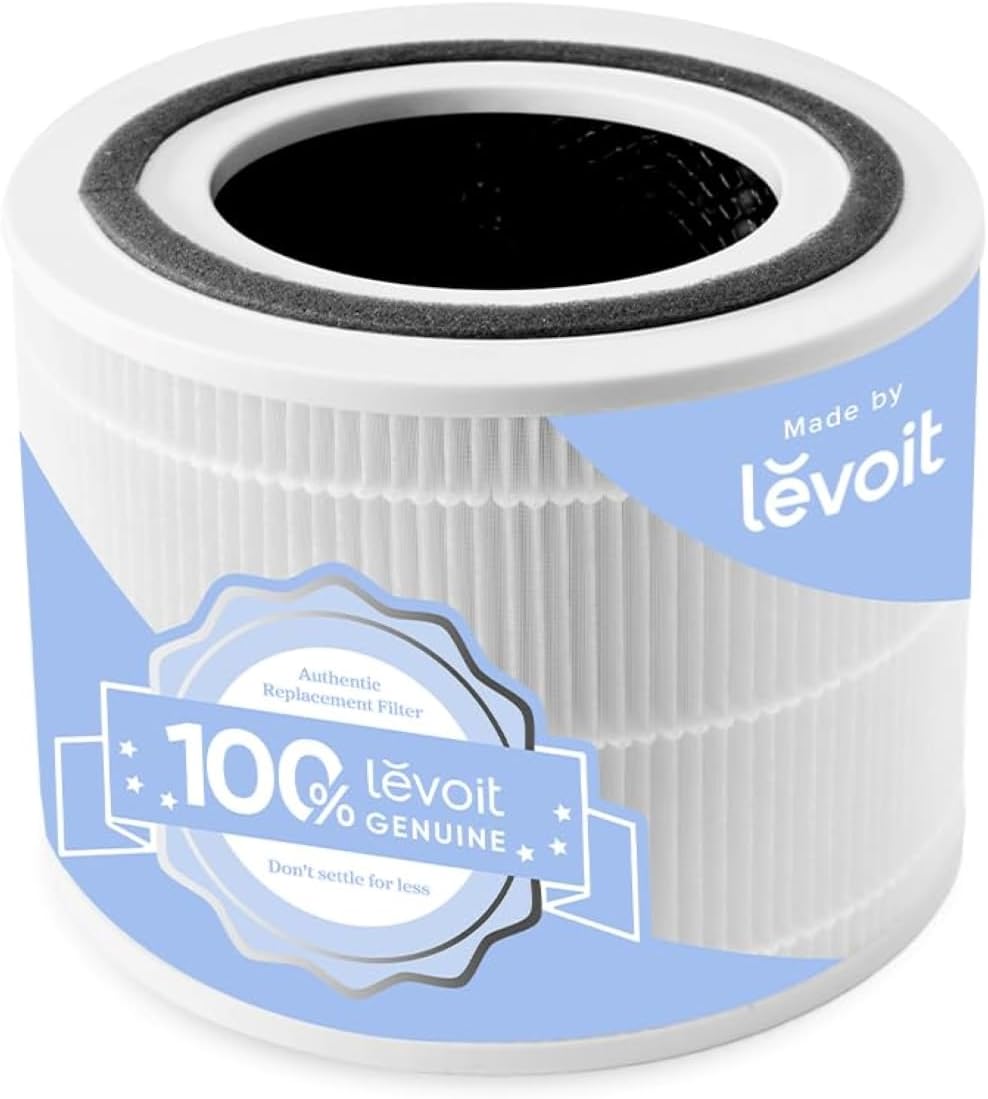
Activated Carbon For Home Air Purification: Essential Guide

Activated carbon for home air purification is a powerful, natural solution for cleaner indoor air. This guide explains how this porous material traps pollutants, its benefits, how it works, and how to choose the best activated carbon filters for your home, ensuring a healthier living environment.
Breathe easier knowing that cleaner air is within reach. Many of us worry about the quality of the air we breathe indoors, from lingering odors to invisible pollutants. It’s a common concern, especially for families with children or individuals with respiratory sensitivities. This guide is designed to demystify activated carbon for home air purification, providing you with clear, actionable steps to improve your home’s air quality. Get ready to discover how this remarkable material can transform your living space.
What is Activated Carbon and How Does it Work for Air Purification?
Activated carbon, also known as activated charcoal, is a highly porous form of carbon. Its incredible surface area, created through a special activation process, makes it exceptionally good at trapping and holding onto airborne contaminants. This process essentially “activates” the carbon, increasing its adsorptive capabilities significantly.
The magic lies in adsorption, a surface phenomenon where molecules adhere to the surface of the activated carbon. Think of it like a super-sponge for odors and volatile organic compounds (VOCs). As air passes through the carbon filter, gas molecules, odors, and other impurities are attracted to and stick to the vast network of pores. This effectively removes them from the air you breathe.
The Science Behind Activated Carbon’s Adsorption Power
The effectiveness of activated carbon hinges on its physical structure. During activation, carbon is treated with oxygen or steam at very high temperatures. This creates an intricate network of pores, increasing its surface area to an astonishing level – a single gram can have a surface area of over 500 square meters.
This immense surface area provides countless sites for molecules to bind to. The carbon’s non-polar nature also makes it ideal for adsorbing non-polar molecules, which include many common indoor air pollutants like VOCs found in paints, cleaning supplies, and furniture. The stronger the attraction between the pollutant molecule and the carbon surface, the more effectively it’s removed.
Key Benefits of Using Activated Carbon for Home Air Purification
One of the most significant advantages of activated carbon is its ability to neutralize odors. Whether it’s cooking smells, pet odors, or musty basement scents, activated carbon filters effectively absorb these molecules, leaving your home smelling fresh. This makes it a popular choice for kitchens, bathrooms, and homes with pets.
Beyond odors, activated carbon excels at removing VOCs and other harmful gases. These can be released from everyday household items like aerosols, paints, and air fresheners, contributing to poor indoor air quality and potential health issues. By adsorbing these chemicals, activated carbon helps create a healthier indoor environment.
Activated Carbon vs. HEPA Filters: Understanding the Differences
It’s crucial to understand that activated carbon and HEPA (High-Efficiency Particulate Air) filters serve different purposes. HEPA filters are designed to capture particulate matter, such as dust, pollen, pet dander, and mold spores. They work by physically trapping these particles in a dense mesh.
Activated carbon filters, on the other hand, are primarily effective against gases, odors, and VOCs. They do not capture fine particles like HEPA filters do. Therefore, many high-quality air purifiers incorporate both HEPA and activated carbon filters to provide comprehensive air cleaning, tackling both particles and gases.
Types of Activated Carbon Filters for Home Use
Activated carbon filters come in various forms, each suited for different applications. The most common are granular activated carbon (GAC) filters and carbon-impregnated fabric filters. GAC filters contain loose granules of activated carbon, offering a large amount of carbon for effective adsorption.
Carbon-impregnated filters, often found in furnace filters or smaller air purifiers, have activated carbon particles embedded within a fibrous material. While convenient, these may have less contact time and therefore lower adsorption capacity compared to GAC filters. The choice often depends on the size of your air purifier and the specific pollutants you aim to remove.
How to Choose the Right Activated Carbon Filter for Your Needs
When selecting an activated carbon filter, consider the amount of activated carbon it contains. More carbon generally means better performance and longer filter life. Look for filters that specify the type of carbon used (e.g., coconut shell, wood, coal) and its activation method, as these can influence effectiveness.
Also, consider the filter’s lifespan and replacement schedule. Activated carbon filters become saturated over time and lose their effectiveness. Ensure you understand how often the filter needs to be replaced to maintain optimal air purification. Many manufacturers recommend replacement every 3-6 months, but this can vary.
Maximizing the Effectiveness of Your Activated Carbon Filter
Proper placement of your air purifier is key to maximizing the benefits of activated carbon. Ensure the unit is placed in a location where air can circulate freely around it, avoiding corners or areas blocked by furniture. This allows the air to pass through the filter efficiently.
Regularly check and replace your activated carbon filters according to the manufacturer’s recommendations. An old, saturated filter will not effectively remove odors or VOCs and can even become a source of secondary pollution. Keeping your air purifier clean and well-maintained ensures it continues to deliver fresh air.
Maintaining Your Activated Carbon Air Purifier: Tips and Tricks
Beyond filter replacement, other maintenance steps can enhance your activated carbon air purifier’s performance. Gently vacuuming the pre-filter (if your unit has one) can help extend the life of the main filters by removing larger dust particles. Always unplug the unit before cleaning.
If your air purifier has washable components, clean them periodically with mild soap and water. Ensure all parts are completely dry before reassembling. This routine maintenance ensures your activated carbon system functions optimally and contributes to a consistently healthier home environment.
Potential Limitations and Considerations for Activated Carbon Filters
While highly effective, activated carbon filters have limitations. They are not designed to remove fine particulate matter like dust, pollen, or allergens; a HEPA filter is needed for that. Also, activated carbon has a finite capacity; once its pores are full, it can no longer adsorb pollutants.
Furthermore, some activated carbon filters may release a small amount of dust when new. It’s often recommended to run a new filter for a few hours before regular use or to check if the manufacturer suggests a break-in period. Understanding these nuances helps in setting realistic expectations for your air purification system.
FAQs: Your Top Questions About Activated Carbon for Air Purification Answered
Q1: How long does an activated carbon filter typically last?
A1: Most activated carbon filters need replacement every 3 to 6 months, depending on usage and the level of pollutants in your home. Heavily polluted environments may require more frequent changes.
Q2: Can activated carbon remove smoke odors?
A2: Yes, activated carbon is highly effective at adsorbing smoke odors, including those from tobacco or cooking.
Q3: Will activated carbon filters remove viruses and bacteria?
A3: No, activated carbon filters primarily target gases and odors. For viruses and bacteria, a HEPA filter or UV-C light technology is typically needed.
Q4: Is it safe to use activated carbon for pets?
A4: Absolutely. Activated carbon is excellent at removing pet odors and dander-related VOCs, making it ideal for homes with pets.
Q5: How much activated carbon should be in a filter for it to be effective?
A5: Generally, the more activated carbon, the better. Look for filters with a substantial amount of carbon, often measured in pounds for larger filters, or specified by the manufacturer for smaller ones.
Q6: Can I wash or clean an activated carbon filter?
A6: Typically, activated carbon filters are not washable. Washing can damage the carbon structure and reduce its effectiveness. They are designed to be replaced.
Conclusion: Embracing Cleaner Air with Activated Carbon
In conclusion, incorporating activated carbon for home air purification is a smart and effective strategy for a healthier living space. Its remarkable ability to adsorb odors, VOCs, and other gaseous pollutants offers a significant improvement over air that is simply circulated. By understanding how activated carbon works, choosing the right filters, and maintaining your air purification system, you can significantly enhance the air quality in your home. Make the switch to activated carbon and enjoy the benefits of breathing fresher, cleaner air every day.