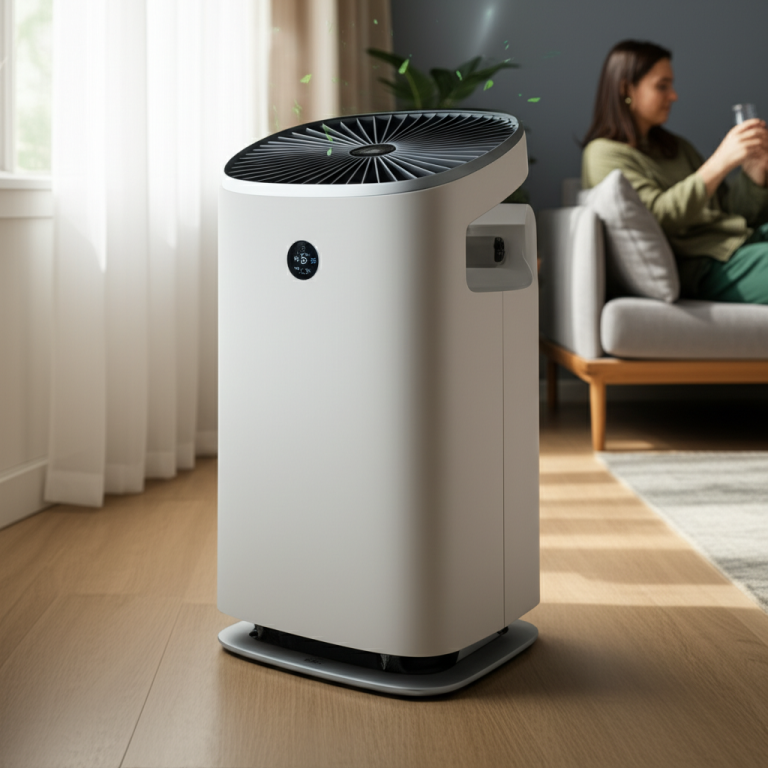
Air Care Air Purifier: Essential For Healthy Learning

An Air Care air purifier is crucial for creating healthy learning spaces, significantly improving air quality to boost concentration, reduce illness, and support overall well-being for students and educators.
Breathing clean air in schools and homes is often overlooked, yet it directly impacts our ability to focus and thrive. Stale, polluted air filled with allergens and VOCs can lead to headaches, fatigue, and a decline in cognitive function. This is particularly frustrating when dedicated study or learning time is hampered by poor indoor air quality. Fortunately, a well-chosen air care air purifier offers a simple yet powerful solution. Let’s explore how these devices can transform your learning environment.
Why Indoor Air Quality Matters for Learning
Poor indoor air quality (IAQ) in educational settings is a hidden detractor from academic success. When students and teachers are exposed to pollutants like dust, pollen, mold spores, and volatile organic compounds (VOCs), their health and cognitive abilities suffer. This can manifest as increased sick days, difficulty concentrating, and reduced overall productivity. Investing in better air quality is an investment in better learning outcomes.
The Link Between Air Quality and Cognitive Function
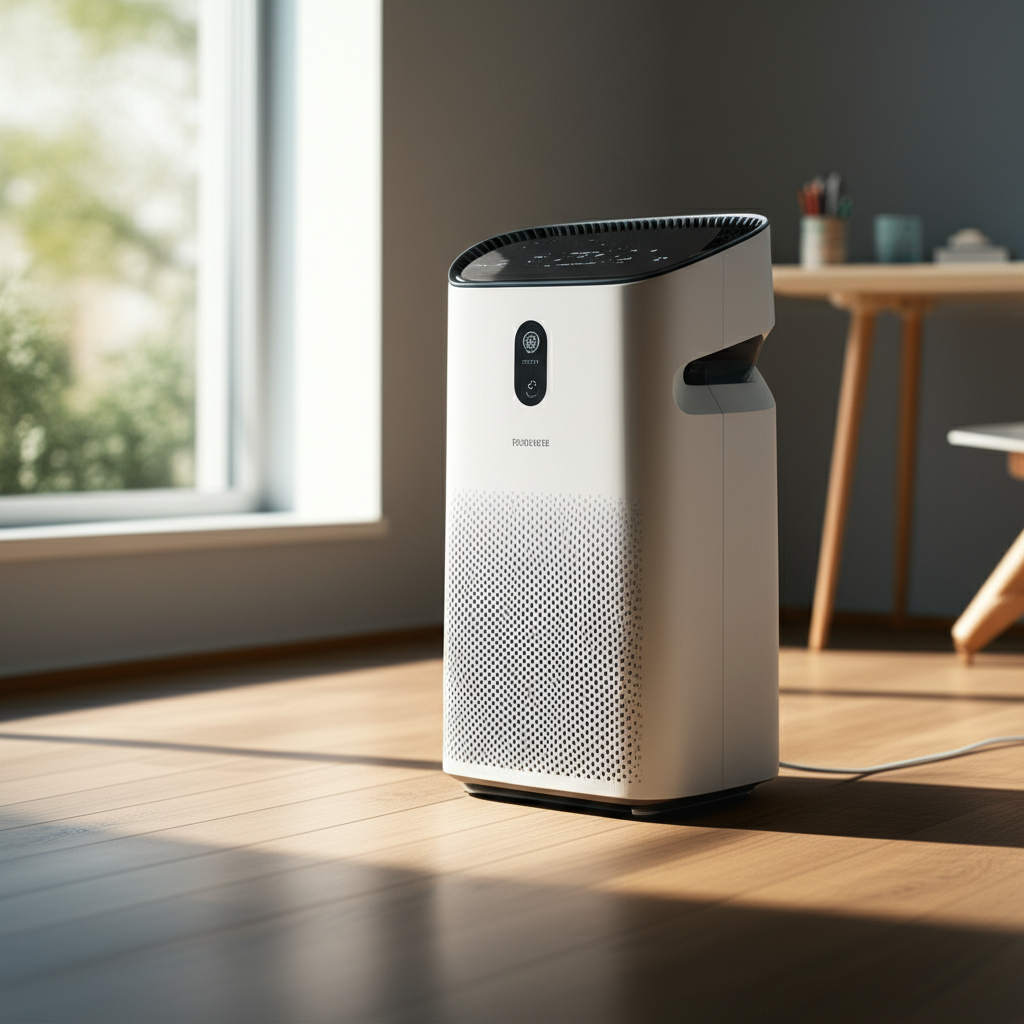
Studies have consistently shown a direct correlation between improved indoor air quality and enhanced cognitive performance. Clean air allows for better oxygenation of the brain, which is essential for tasks requiring focus, memory, and problem-solving. When the air is clean, minds are clearer, leading to more effective learning and retention.
Common Indoor Air Pollutants in Learning Spaces
Learning environments, whether classrooms or home study areas, can accumulate a variety of pollutants. These include dust mites and pet dander, which trigger allergies, and mold spores, which can cause respiratory issues. VOCs from cleaning products, furniture off-gassing, and even certain craft supplies also contribute to a less healthy atmosphere.
Understanding Air Care Air Purifiers
An Air Care air purifier is designed to actively remove airborne contaminants, significantly improving the air you breathe. These devices use a combination of filters to capture particles of varying sizes, from large dust fragments to microscopic allergens and bacteria. They work by drawing in room air, passing it through these filters, and then releasing purified air back into the space.
How Air Purifiers Work: The Filtration Process
At the heart of every effective air purifier is its filtration system. Most Air Care air purifiers utilize a multi-stage approach. This typically includes a pre-filter to catch larger particles like hair and lint, followed by a HEPA (High-Efficiency Particulate Air) filter to trap 99.97% of particles as small as 0.3 microns. An activated carbon filter is also common, effectively adsorbing odors, gases, and VOCs.
Key Components of an Air Care Air Purifier
Understanding the components helps in choosing the right unit. The fan is responsible for drawing air into the purifier and circulating clean air. The filter types are critical: HEPA filters are standard for particulate matter, while activated carbon is essential for gases and odors. Some models may also include UV-C light for germicidal effects or ionizers, though these should be used with caution due to potential ozone production.
Benefits of Using an Air Care Air Purifier for Students
For students, a clean breathing environment can be a game-changer. Reduced exposure to allergens means fewer allergy-related distractions and absences. Furthermore, the enhanced oxygen flow from cleaner air can lead to improved focus and better academic performance. It creates a more comfortable and productive space for learning.
Reducing Allergy and Asthma Symptoms
Children with allergies or asthma often struggle in environments with poor air quality. An Air Care air purifier can significantly reduce the triggers in the air, such as pollen, dust mites, and pet dander. This leads to fewer asthma attacks, less congestion, and a more comfortable learning experience, allowing them to concentrate on their studies rather than their symptoms.
Boosting Concentration and Cognitive Performance
When the air is clean and fresh, the brain receives more oxygen. This improved oxygenation is directly linked to enhanced cognitive functions like concentration, memory recall, and problem-solving abilities. Students can therefore absorb information more effectively and perform better on academic tasks.
Improving Sleep Quality for Better Daytime Performance
Good sleep is fundamental for learning, and poor air quality can disrupt it. Allergens and irritants in the air can lead to snoring, congestion, and general discomfort, affecting sleep patterns. An Air Care air purifier can create a more serene bedroom environment, promoting deeper, more restorative sleep, which in turn benefits daytime alertness and learning.
Benefits for Educators and Learning Institutions
The advantages of air purification extend to educators and the institutions themselves. Healthier environments mean fewer sick days for teachers, leading to more consistent instruction. For schools, it demonstrates a commitment to student well-being and can create a more pleasant atmosphere for everyone.
Minimizing Teacher Absenteeism
Teachers are on the front lines of respiratory irritants and airborne illnesses. By implementing Air Care air purifiers, schools can reduce the transmission of colds, flu, and other airborne pathogens. This translates to fewer sick days for educators, ensuring continuity in teaching and a more stable learning environment for students.
Creating a Healthier Classroom Atmosphere
A classroom equipped with an air purifier contributes to a generally healthier and more welcoming atmosphere. It signals a proactive approach to well-being, which can positively impact morale for both students and staff. This improved environment fosters a greater sense of care and attention to detail within the learning community.
Supporting Overall School Health Initiatives
Integrating air purifiers can be a key component of a broader school health and wellness program. It shows a tangible commitment to creating the best possible conditions for learning and development. This can also be a valuable talking point for parents and the wider community regarding the school’s dedication to student health.
Choosing the Right Air Care Air Purifier
Selecting the appropriate Air Care air purifier involves considering several factors to ensure it meets your specific needs. Not all purifiers are created equal, and understanding the specifications will help you make an informed decision for optimal air cleaning.
Key Features to Look For
When shopping for an Air Care air purifier, prioritize units with true HEPA filters, as they are certified to capture 99.97% of airborne particles. Look for activated carbon filters to tackle odors and VOCs, and consider the CADR (Clean Air Delivery Rate) – a higher CADR means faster air purification. Energy efficiency and noise level are also important practical considerations.
Understanding CADR and Room Size
CADR is a crucial metric indicating how quickly an air purifier can clean the air in a specific room size. It measures the volume of clean air delivered per minute for smoke, dust, and pollen. Always choose a purifier with a CADR rating appropriate for the square footage of your learning space to ensure effective purification. For instance, a larger room will require a higher CADR.
HEPA vs. HEPA-Type Filters: What’s the Difference?
It’s vital to distinguish between “True HEPA” and “HEPA-Type” filters. True HEPA filters meet stringent standards for particle capture efficiency, as defined by the U.S. Department of Energy. HEPA-Type or HEPA-like filters may capture a significant amount of particles but do not meet the same rigorous efficiency standards. Always opt for “True HEPA” for maximum effectiveness.
The Role of Activated Carbon Filters
Activated carbon filters are essential for removing gases, odors, and VOCs that HEPA filters cannot capture. These filters work through adsorption, where airborne molecules chemically bond to the porous surface of the carbon. For environments where cooking odors, cleaning product fumes, or off-gassing from new materials are a concern, a robust activated carbon filter is indispensable.
Placement and Maintenance for Optimal Performance
The effectiveness of your Air Care air purifier relies heavily on its placement and regular maintenance. Proper positioning ensures maximum air circulation, while consistent upkeep guarantees the filters perform optimally. Neglecting these aspects can significantly reduce the unit’s benefits.
Strategic Placement in Learning Spaces
For best results, place your Air Care air purifier in a central location within the room, away from walls or furniture that could obstruct airflow. If the room has specific problem areas, such as near a window where pollen might enter or a corner where dust accumulates, consider placing the unit closer to these zones. Ensure it’s on a stable surface to prevent tipping.
Regular Filter Replacement Schedule
Filters have a limited lifespan and will become clogged with pollutants over time, reducing their effectiveness and potentially creating a new source of contamination. Most manufacturers recommend replacing HEPA and carbon filters every 6-12 months, depending on usage and air quality. Always follow the manufacturer’s guidelines for your specific model.
Cleaning the Pre-Filter and Unit Exterior
The pre-filter, often washable, captures larger debris and should be cleaned regularly, typically every 2-4 weeks. This protects the more expensive HEPA filter and extends its life. Wipe down the exterior of the unit with a damp cloth periodically to maintain hygiene and aesthetics.
Air Care Air Purifier for Different Learning Environments
The need for clean air isn’t limited to a single setting; it’s crucial across various learning environments, from dedicated study rooms at home to bustling classrooms. Understanding the specific requirements for each can help tailor your choice of Air Care air purifier.
Home Study Areas and Bedrooms
For home study areas and children’s bedrooms, an Air Care air purifier can create a sanctuary for focused learning and restful sleep. Smaller, quieter models are often ideal for these personal spaces, ensuring minimal distraction while providing essential air purification. Prioritize units that effectively tackle common household allergens and VOCs.
Classrooms and Larger Educational Spaces
In classrooms, the sheer number of occupants and the variety of activities can contribute to poorer air quality. Larger, more powerful Air Care air purifiers with higher CADR ratings are typically necessary to effectively serve these spaces. Consider units with durable construction and easy-to-maintain filters for high-traffic environments.
Libraries and Study Halls
Libraries and study halls are spaces where quiet concentration is paramount. Choosing an Air Care air purifier that operates at a low decibel level is crucial. Look for models specifically designed for quiet operation without compromising on their ability to remove dust, allergens, and paper dust common in these areas.
Potential Concerns and How to Address Them
While Air Care air purifiers offer significant benefits, it’s important to be aware of potential concerns and how to mitigate them. Addressing these proactively ensures you get the most out of your investment without any unexpected issues.
Ozone Production from Ionizers
Some air purifiers incorporate ionizers or UV-C lights, which can sometimes produce small amounts of ozone. While ozone can help neutralize pollutants, excessive amounts can irritate the respiratory system. If you are sensitive or concerned, opt for models without ionizers or ensure they are certified to produce minimal to no ozone. Always check for certifications like CARB (California Air Resources Board) compliance.
Noise Levels and Distractions
The sound of an air purifier can be a concern, especially in quiet learning environments. Many modern Air Care air purifiers are designed with quiet operation in mind, featuring sleep modes or lower fan speeds that produce minimal noise. Reading reviews and checking decibel ratings can help you find a unit that is effective yet unobtrusive.
Energy Consumption and Costs
Air purifiers do consume electricity, and it’s wise to consider their energy efficiency. Look for Energy Star certified models, which are designed to be more power-efficient. While there is an ongoing cost for electricity and filter replacements, the health and learning benefits often outweigh these expenses.
Comparing Air Care Air Purifiers with Other Air Quality Solutions
While an Air Care air purifier is a primary solution, it’s helpful to understand how it fits within the broader landscape of indoor air quality management. Other methods can complement purification for a comprehensive approach.
Ventilation vs. Air Purification
Ventilation, such as opening windows, is crucial for bringing in fresh air and diluting indoor pollutants. However, it’s not always practical or effective, especially in areas with high outdoor pollution or extreme weather. Air purifiers actively remove pollutants from the air circulating indoors, offering a consistent solution regardless of outdoor conditions.
Humidifiers and Dehumidifiers
Humidifiers add moisture to the air, while dehumidifiers remove it. While they manage humidity levels, they don’t actively filter out airborne particles, allergens, or VOCs. An Air Care air purifier focuses specifically on cleaning the air, making it a distinct but complementary tool for a healthy indoor environment.
Frequently Asked Questions About Air Care Air Purifiers
What is the most important factor when choosing an Air Care air purifier for a classroom?
The most important factor is the CADR (Clean Air Delivery Rate) relative to the room size, ensuring it can effectively clean the air in a busy environment with multiple occupants.
Are Air Care air purifiers effective against viruses like COVID-19?
Yes, true HEPA filters in Air Care air purifiers are highly effective at capturing airborne virus particles, significantly reducing their concentration in the air.
How often should I run my Air Care air purifier?
For optimal benefits, it’s recommended to run your Air Care air purifier continuously, especially in learning environments, to maintain consistently clean air.
Can an Air Care air purifier help with the smell of permanent markers or art supplies?
Absolutely. The activated carbon filter in most Air Care air purifiers is specifically designed to adsorb VOCs and odors, including those from art supplies.
Do I need a separate air purifier for each room?
While one large unit can cover a significant area, it’s often more effective to have smaller, appropriately sized Air Care air purifiers in individual rooms or zones for targeted purification.
What is the lifespan of an Air Care air purifier?
With proper maintenance, including regular filter changes, an Air Care air purifier can last many years, often 5-10 years or more, depending on the model and usage.
Conclusion
Investing in an Air Care air purifier is a proactive step towards fostering healthier, more productive learning environments. By effectively removing allergens, pollutants, and irritants, these devices contribute significantly to improved cognitive function, reduced illness, and overall well-being for students and educators alike. Making an informed choice and ensuring proper maintenance will maximize the benefits, creating a breathing space conducive to academic success and a healthier life.