
Coway Air Purifier Odor Light: Essential Guide

The Coway air purifier odor light is your key indicator for freshness, signaling when it’s time to address lingering smells and maintain optimal air quality in your home.
The persistent glow of your Coway air purifier’s odor light can be a puzzling sight. You might wonder if your purifier is malfunctioning or if there’s an unseen problem. This guide will demystify the Coway air purifier odor light, explaining its purpose, how it works, and the simple steps you can take to keep it off and your air smelling fresh. Let’s dive into understanding this important indicator and regaining control over your home’s scent.
Understanding the Coway Air Purifier Odor Light
The Coway air purifier odor light is a sophisticated sensor designed to detect volatile organic compounds (VOCs) and other odor-causing particles in your air. When these substances reach a certain threshold, the light illuminates, signaling that the air quality has deteriorated concerning smells. This feature is crucial for maintaining a healthy and pleasant living environment, ensuring you’re aware of potential issues before they become overwhelming.
What Does the Coway Air Purifier Odor Light Mean?
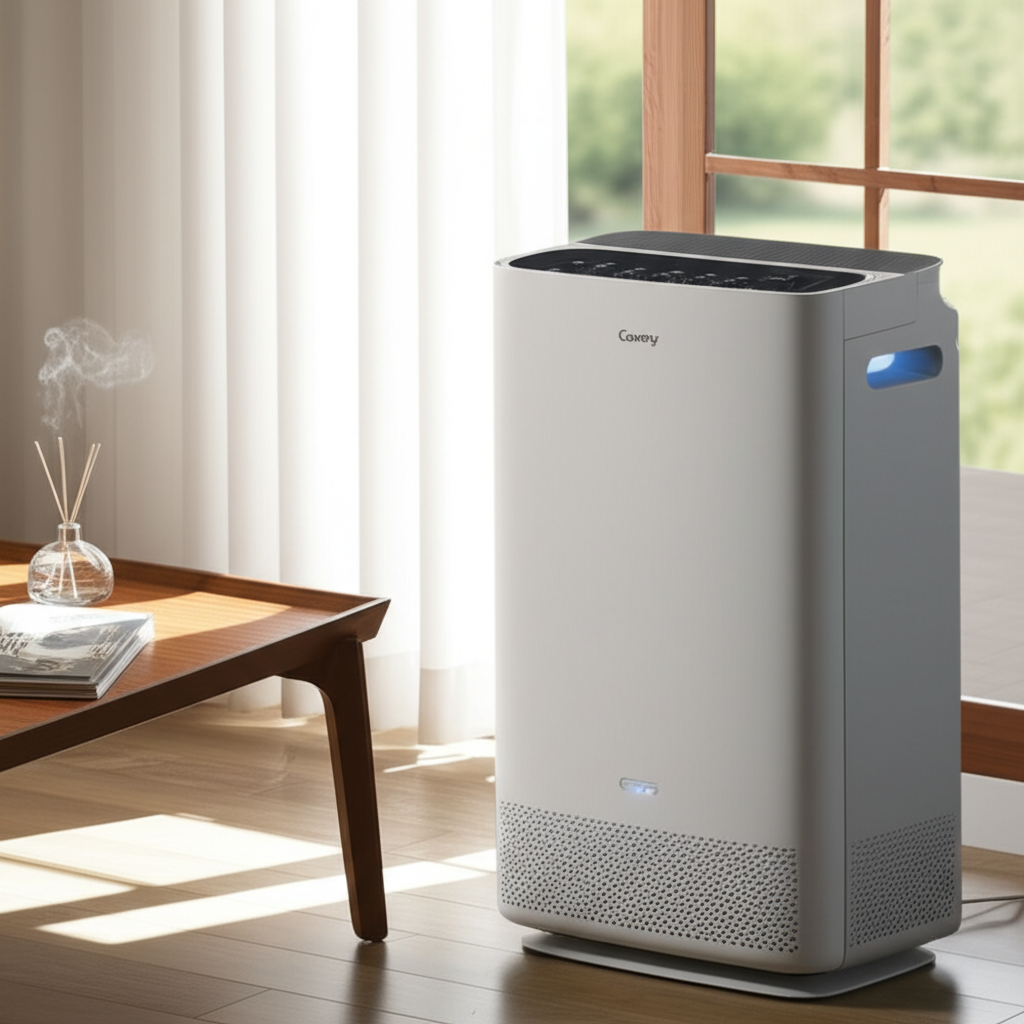
The odor light on your Coway air purifier acts as a visual cue for air quality concerning odors. It’s not necessarily an alarm for a serious malfunction, but rather an indicator that the purifier has detected airborne particles contributing to smells. This could range from cooking fumes and pet dander to smoke or even cleaning product residues.
How Does the Coway Air Purifier Detect Odors?
Coway air purifiers utilize advanced sensors, often electrochemical or semiconductor-based, to detect VOCs. These sensors work by measuring changes in electrical resistance or current flow when specific odor molecules interact with their surface. When the detected level of these odor-causing compounds exceeds a pre-set limit, the odor light is triggered.
Why is the Coway Air Purifier Odor Light Turning On?
Several common household activities and environmental factors can trigger the Coway air purifier odor light. Understanding these triggers is the first step to addressing the issue effectively and preventing its recurrence. It’s often a sign that your purifier is doing its job by detecting something in the air.
Common Household Odor Sources
From the kitchen to the bathroom, everyday life generates odors that can activate your air purifier’s sensor. Cooking, especially strong-smelling foods like garlic or fish, is a primary culprit. Pet activity, smoke from fireplaces or cigarettes, and even strong perfumes or air fresheners can also contribute to odor detection.
Environmental Factors
External factors can also influence the odor light. High humidity can sometimes exacerbate certain smells, and if your home is located near industrial areas or busy roads, outdoor pollutants can drift inside. Even dust and mildew in less-frequented areas of your home can produce odors that the purifier will detect.
Air Purifier Maintenance Issues
Sometimes, the odor light may illuminate due to issues with the air purifier itself, rather than a sudden increase in airborne odors. This could be a sign that the filters need cleaning or replacement, or that the sensor itself requires calibration or cleaning. Regular maintenance is key to ensuring accurate readings.
Troubleshooting the Coway Air Purifier Odor Light
When the Coway air purifier odor light appears, don’t panic. A systematic approach to troubleshooting can help you identify and resolve the cause quickly. Start with the simplest solutions and progressively move to more involved steps.
Step 1: Assess Your Surroundings
Take a moment to consider what might be causing the odor. Did you just cook a strong-smelling meal, or is there a pet nearby? Sometimes, the cause is obvious and temporary, and the light will turn off on its own once the air clears.
Step 2: Check and Clean Air Filters
Dirty filters can recirculate odors or become less effective at capturing them, potentially leading to the odor light staying on. Refer to your specific Coway model’s manual for instructions on how to safely remove, clean (if washable), or replace the filters. This is often the most effective solution.
Step 3: Clean the Air Quality Sensor
The sensor responsible for detecting odors can become clogged with dust or debris, leading to inaccurate readings. Locate the sensor port on your Coway air purifier (consult your manual) and gently clean it with a soft brush or a dry cotton swab. A clean sensor ensures your purifier is reacting to actual air quality changes.
Step 4: Run the Air Purifier on High
Temporarily setting your Coway air purifier to its highest fan speed can help quickly clear the air of any detected odors. Allow it to run on high for a period, perhaps an hour or two, to see if the odor light disengages. This is especially useful after cooking or other odor-producing activities.
Step 5: Consider Filter Replacement
If cleaning the filters and sensor doesn’t resolve the issue, or if your filters are due for replacement according to the manufacturer’s recommendations, it’s time to replace them. Genuine Coway replacement filters are essential for optimal performance and longevity of your unit.
Understanding Coway Air Purifier Filter Types
Coway air purifiers typically employ a multi-stage filtration system, where each layer targets different types of pollutants. Understanding these layers helps appreciate why maintaining them is critical for effective odor removal and overall air purification.
The Pre-Filter
This is the first line of defense, trapping larger particles like dust, hair, and pet dander. It’s usually washable and should be cleaned regularly to prevent it from clogging the subsequent filters.
The Deodorization Filter (Activated Carbon)
This is the workhorse for odor elimination. Activated carbon filters have a porous structure that adsorbs a wide range of odor-causing molecules, gases, and VOCs. Over time, these filters become saturated and lose their effectiveness, necessitating replacement.
The HEPA Filter
While primarily designed to capture fine particulate matter like allergens and mold spores, a HEPA filter indirectly contributes to odor reduction by removing the particles that can generate smells. These filters are typically not washable and require periodic replacement.
How Often Should Filters Be Replaced?
Filter replacement schedules vary by Coway model and usage, but manufacturers provide general guidelines. Always consult your specific user manual for the most accurate information. Regular replacement ensures your air purifier continues to function efficiently and effectively combat odors.
Typical Filter Lifespan
Pre-Filter: Washable, clean as needed (often weekly or bi-weekly).
Deodorization Filter: Typically lasts 6 to 12 months, depending on usage and the level of odors in the environment.
HEPA Filter: Usually lasts 12 to 24 months.
How to Clean the Coway Air Purifier Sensor
The sensor is a small but vital component. Keeping it clean is essential for accurate odor detection. Follow these general steps, but always refer to your specific Coway model’s manual for precise instructions.
1. Power Off: Always unplug the air purifier before cleaning any components.
2. Locate Sensor: Find the sensor window on your unit; it’s usually a small, dark-colored lens.
3. Gentle Cleaning: Use a dry, soft brush or a cotton swab to gently wipe away any dust or debris from the sensor lens. Avoid using water or cleaning solutions, as they can damage the sensor.
4. Reassemble: Once clean, ensure all parts are dry and properly reassembled.
5. Power On: Plug the unit back in and turn it on.
When to Contact Coway Support
If you’ve diligently followed all troubleshooting steps, including cleaning and replacing filters, and the Coway air purifier odor light persists, it might indicate a more significant issue. Don’t hesitate to reach out to customer support.
Signs You Need Professional Help
The odor light remains illuminated constantly, even after filter changes and sensor cleaning.
The unit is making unusual noises.
The purifier seems to be operating erratically.
* You suspect a sensor malfunction that you cannot resolve.
Coway offers excellent customer support and warranty services that can help diagnose and fix complex problems, ensuring your unit performs optimally. You can find contact information on the Coway USA website.
Advanced Tips for Odor Control with Coway Purifiers
Beyond basic troubleshooting, several strategies can enhance your Coway air purifier’s effectiveness against odors. Proactive measures can significantly reduce the instances of the odor light illuminating.
Regular Ventilation
While air purifiers are excellent at cleaning indoor air, they can’t remove all pollutants. Regularly opening windows for a few minutes each day can help flush out stale air and introduce fresh outdoor air, complementing your purifier’s work.
Source Control
The most effective way to manage odors is to address their source. Clean up spills immediately, manage pet waste promptly, and ensure proper ventilation in kitchens and bathrooms during and after use. Reducing odor-causing agents at the source means less work for your air purifier.
Strategic Placement
Place your Coway air purifier in areas where odors are most likely to originate or accumulate, such as near the kitchen, in pet areas, or in bedrooms. Ensure adequate airflow around the unit by keeping it a few feet away from walls and furniture.
Frequently Asked Questions About the Coway Air Purifier Odor Light
Here are answers to common questions about your Coway air purifier’s odor indicator.
Q1: Does the odor light mean my air purifier is broken?
A1: Not necessarily. The odor light indicates that the purifier has detected airborne odor particles. It’s a sign that it’s working, but also a prompt to check for sources or perform maintenance.
Q2: Can a dirty filter cause the odor light to stay on?
A2: Yes, dirty or saturated filters can become less effective at capturing odors, or even begin to emit a musty smell themselves, which can trigger the odor light.
Q3: How often should I clean the sensor on my Coway air purifier?
A3: It’s good practice to clean the sensor every 1-2 months, or whenever you notice the odor light behaving erratically. Refer to your manual for the exact location and cleaning method.
Q4: What is the difference between the odor light and the air quality indicator colors?
A4: The odor light specifically responds to odor-causing VOCs. The general air quality indicator (often blue, green, yellow, red) reflects a broader spectrum of pollutants, including fine dust and particles.
Q5: I just turned on my purifier and the odor light is on. Why?
A5: New units might have a slight factory smell, or the air in your home might have accumulated odors while the unit was off. Running it on high for a while should clear the air.
Q6: Can strong cleaning products trigger the odor light?
A6: Yes, many cleaning products release VOCs into the air, which can be detected by the sensor and trigger the odor light. Ensure good ventilation when using such products.
Conclusion: Keeping Your Air Fresh with Coway
The Coway air purifier odor light is an intelligent feature designed to help you maintain the freshest possible air in your home. By understanding what triggers this indicator and knowing how to effectively troubleshoot and maintain your unit, you can ensure it operates at peak performance. Regular filter checks, sensor cleaning, and awareness of common odor sources are key to keeping that persistent odor light off. Trust your Coway air purifier to be your silent guardian of clean air, and enjoy a healthier, more pleasant living environment.

