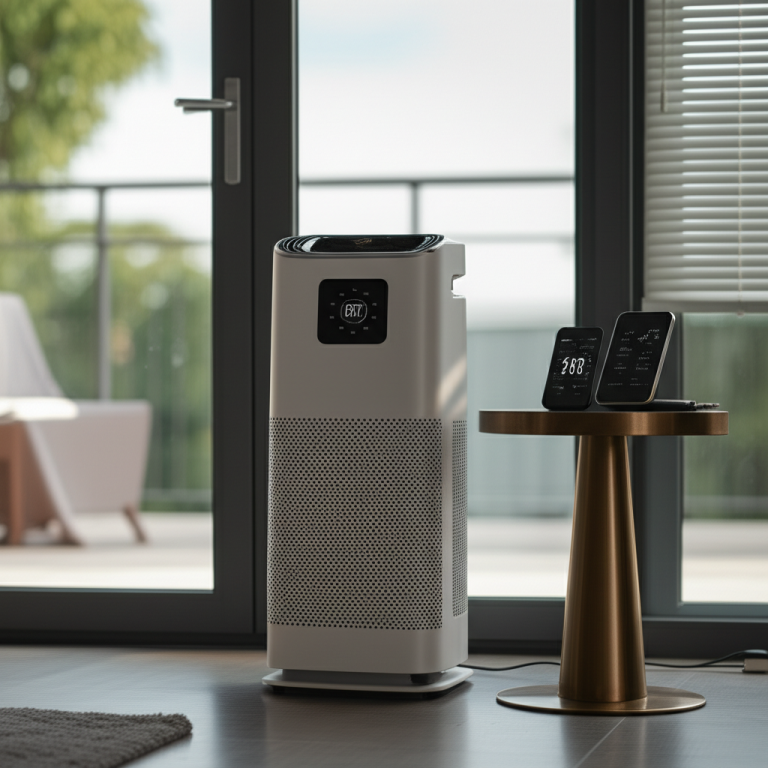
Are Air Purifiers a Fire Hazard? Proven Safety Tips

While rare, air purifiers can pose a fire risk if not used correctly. This guide provides proven safety tips to ensure your device operates safely, addressing common concerns and offering practical advice to prevent potential hazards.
Are air purifiers a fire hazard? It’s a question many of us ponder when bringing these helpful devices into our homes. The thought of an electrical appliance running unattended can be unsettling. Fortunately, with a little knowledge and careful practice, you can significantly minimize any potential risks. We’ll explore the real safety of air purifiers and equip you with the essential tips to keep your home safe and your air clean.
Understanding Air Purifier Fire Risks
It’s natural to worry about the safety of any electrical appliance, and air purifiers are no exception. While modern air purifiers are designed with numerous safety features, understanding the potential risks is the first step towards prevention. This section will demystify common concerns and explain how these risks can arise.
Air purifiers are generally safe when used according to manufacturer instructions. However, like any electrical device, malfunctions or improper usage can, in rare instances, lead to overheating or electrical faults, potentially creating a fire hazard. Understanding these possibilities empowers you to take proactive measures for your home’s safety.
The Safety Standards Behind Air Purifiers
Before an air purifier even reaches your home, it undergoes rigorous testing to ensure it meets strict safety standards. These certifications are your assurance that the product has been evaluated for potential electrical and fire risks. Knowing what to look for can give you peace of mind.
Reputable air purifiers are tested and certified by independent organizations like UL (Underwriters Laboratories) or ETL (Intertek). These certifications mean the product has met stringent safety requirements, including those related to fire resistance and electrical safety. Always look for these marks on the product and its packaging.
Common Causes of Air Purifier Fires
While air purifiers are designed to be safe, certain preventable issues can unfortunately lead to fires. Recognizing these common culprits allows you to avoid them entirely, ensuring your device remains a tool for health, not a hazard.
The most frequent causes of air purifier fires stem from electrical issues like faulty wiring or power surges, overheating due to blocked vents or dust accumulation, and the use of non-certified or damaged power cords. Neglecting basic maintenance is also a significant contributing factor.
Electrical Malfunctions and Faulty Wiring
Electrical components are at the heart of any air purifier’s operation. Any defect or damage in these components can create a dangerous situation. This includes issues with the internal wiring, the power cord, or the plug itself.
Faulty wiring, whether from manufacturing defects or wear and tear, can lead to short circuits or overheating. Always inspect the power cord and plug for any signs of damage, such as fraying or exposed wires. If you notice any damage, discontinue use immediately and contact the manufacturer or a qualified technician.
Overheating Due to Blocked Vents or Dust Buildup
Air purifiers need proper airflow to operate efficiently and safely. When vents are blocked or the unit is clogged with dust, the internal components can overheat. This trapped heat can become a significant fire risk.
Regular cleaning is crucial to prevent overheating. Ensure the air intake and exhaust vents are free from obstructions like curtains, furniture, or debris. A thorough internal cleaning, particularly of the filters and fan, should be performed as recommended by the manufacturer.
Using Non-Certified or Damaged Power Cords
The power cord is a direct link to the electrical supply. Using a cord that isn’t designed for the unit or one that has been damaged can bypass safety features and introduce risks.
Always use the original power cord supplied with your air purifier. If it needs replacement, ensure you obtain a certified cord from the manufacturer that is specifically designed for your model. Never use extension cords unless absolutely necessary, and if you do, ensure they are heavy-duty and rated for the appliance’s power consumption.
Proven Safety Tips to Prevent Air Purifier Fires
Now that we understand the potential risks, let’s focus on actionable steps you can take. These proven safety tips are designed to be easy to implement and will significantly reduce the chances of your air purifier becoming a fire hazard. Your safety and peace of mind are paramount.
Implementing these straightforward safety tips will ensure your air purifier operates safely and effectively. By being vigilant and proactive, you can enjoy cleaner air without any undue worry about fire risks.
1. Always Use Certified Products
The first line of defense is choosing a product that has undergone safety scrutiny. Look for the marks of reputable safety organizations to ensure your appliance meets the highest standards.
Prioritize air purifiers that bear certifications from recognized safety testing laboratories like UL, ETL, or Energy Star. These certifications indicate that the product has passed rigorous safety evaluations, including fire hazard assessments. Purchasing from reputable brands further enhances the likelihood of a safe and reliable product.
2. Follow Manufacturer Instructions Meticulously
Every air purifier is unique, and the manufacturer’s guide is your ultimate resource for safe operation. Deviating from these instructions can inadvertently create unsafe conditions.
Read and adhere strictly to the user manual provided by the manufacturer. Pay close attention to guidelines on placement, operation, filter replacement, and cleaning procedures. Proper usage is key to preventing malfunctions and potential hazards.
3. Choose the Right Placement
Where you put your air purifier matters significantly for its safe operation and effectiveness. Improper placement can restrict airflow or create other safety issues.
Ensure your air purifier is placed on a stable, level surface, away from flammable materials like curtains, bedding, or paper. Maintain adequate clearance around the unit, typically at least a foot on all sides, to allow for proper ventilation and prevent heat buildup. Avoid placing it in damp or humid environments.
4. Regular Cleaning and Maintenance
Dust and debris are the silent enemies of air purifiers, hindering performance and creating fire risks. Consistent cleaning is non-negotiable for safe operation.
Develop a routine for cleaning your air purifier, focusing on the pre-filters, HEPA filters, and activated carbon filters as per the manual. Dust accumulation can block airflow, leading to overheating. A clean unit operates efficiently and safely.
Cleaning Your Air Purifier: A Step-by-Step Guide
Keeping your air purifier clean is a vital part of its safe operation. Follow these steps to ensure your device is free from dust and debris.
- Unplug the unit: Always disconnect the power before cleaning.
- Remove outer casing: Carefully open the air purifier to access internal components.
- Clean pre-filters: Most pre-filters can be vacuumed or washed with mild soap and water. Ensure they are completely dry before reassembly.
- Vacuum HEPA and carbon filters: Gently vacuum these filters to remove surface dust. Avoid washing HEPA filters, as this can damage them.
- Wipe down the interior: Use a dry or slightly damp cloth to clean the inside of the unit, paying attention to fan blades and vents.
- Reassemble and plug in: Ensure all parts are dry and properly reassembled before plugging the unit back in.
5. Inspect Power Cords and Plugs Regularly
The connection to your power source is critical. A damaged cord or plug can be a direct fire hazard.
Periodically check the power cord and plug for any signs of damage, such as fraying, cuts, or bent prongs. If you discover any damage, stop using the air purifier immediately and contact the manufacturer for a replacement cord. Never attempt to repair a damaged cord yourself.
6. Avoid Overloading Electrical Outlets
Plugging too many devices into a single outlet can strain the electrical system, increasing the risk of overheating and fire. Air purifiers, while generally low-wattage, still contribute to the overall load.
Ensure the electrical outlet you use for your air purifier is not overloaded with other high-draw appliances. It’s best to plug the air purifier directly into a wall outlet rather than using a power strip or extension cord if possible. If an extension cord is necessary, use a heavy-duty one rated for the appliance’s power requirements.
7. Never Leave Unattended for Extended Periods (Especially Older Models)
While modern units are designed for continuous operation, exercising caution, especially with older or less sophisticated models, is wise. Being aware of your device’s status provides an extra layer of safety.
While many modern air purifiers are designed for safe, continuous operation, it’s prudent to be mindful of leaving any electrical appliance running unattended for extremely long durations, particularly if it’s an older model or if you have any doubts about its condition. Consider unplugging it when you are away from home for extended periods, such as on vacation.
8. Be Wary of Counterfeit or Unbranded Products
The market can sometimes be flooded with imitation products that may not adhere to safety standards. These can pose significant risks that are difficult to identify upfront.
Purchase air purifiers from reputable retailers and well-known brands. Be cautious of suspiciously low prices or products without clear branding or safety certifications, as these are more likely to be counterfeit and may not meet safety regulations, potentially increasing fire risk.
Air Purifier Safety Features to Look For
Manufacturers are increasingly incorporating advanced safety features into their air purifiers to provide users with greater peace of mind. Knowing these features can help you make an informed purchasing decision and ensure you’re getting a product designed with your safety in mind.
Modern air purifiers often come equipped with features like automatic shut-off timers, overheat protection sensors, and child lock functions. These innovations are specifically designed to prevent common hazards and enhance the overall safety of the appliance.
Automatic Shut-Off Timers
This feature allows you to set your air purifier to turn off automatically after a specified period, adding a layer of convenience and safety.
Automatic shut-off timers are excellent for ensuring your air purifier doesn’t run continuously if you forget to turn it off. They also prevent potential overheating by limiting operational time, especially useful if you’re concerned about leaving it on overnight or when you’re out.
Overheat Protection Sensors
These sensors are built directly into the unit to detect rising temperatures and automatically shut down the device if it gets too hot.
Overheat protection is a critical safety mechanism that acts as a failsafe. If internal temperatures exceed safe limits due to a malfunction or blocked airflow, the sensor will trigger a shutdown, preventing a potential fire. This feature is standard on most reputable, certified air purifiers.
Child Lock Functions
For households with young children, a child lock feature prevents accidental changes to settings, which could inadvertently lead to unsafe operation.
A child lock prevents curious little hands from altering the air purifier’s settings, ensuring it continues to operate as intended and safely. This feature adds an extra layer of security in homes with children, preventing unintended shutdowns or operational changes.
What to Do If Your Air Purifier Overheats
Despite taking all precautions, there’s always a slight possibility of an issue. Knowing how to react swiftly and correctly if your air purifier shows signs of overheating can prevent a minor problem from escalating.
If you notice any unusual smells, excessive heat, or smoke coming from your air purifier, act immediately. Your quick response is key to averting a potential fire and ensuring everyone’s safety.
Immediate Steps to Take
When faced with an overheating appliance, swift and decisive action is crucial. Prioritize safety and follow these steps to mitigate the risk.
- Unplug the unit immediately: This is the most critical first step to cut off the power supply.
- Do not try to use it: Do not attempt to turn it back on or continue using it.
- Allow it to cool down completely: Let the unit sit undisturbed until it has cooled to room temperature.
- Inspect for visible damage: Once cool, check for any signs of melting, charring, or damage to the casing or cord.
- Contact the manufacturer: Report the issue to the manufacturer, especially if the unit is still under warranty.
- Consider professional assessment: If the unit is not under warranty or you have concerns, consult a qualified appliance repair technician.
Air Purifier Brands with Strong Safety Records
When investing in an air purifier, choosing a brand known for its commitment to safety and quality can provide significant peace of mind. These manufacturers consistently meet or exceed industry safety standards.
Brands like Blueair, Coway, Levoit, and Honeywell are consistently recognized for their robust safety features and adherence to stringent testing protocols. Their products are generally built with durable components and undergo thorough quality control, minimizing the risk of electrical or fire hazards.
| Brand | Key Safety Features Often Found | Reputation for Safety |
|---|---|---|
| Blueair | HEPASilent technology, surge protection, CE certified | High, known for robust design and certifications |
| Coway | UL certified, ETL listed, auto mode, filter alerts | Excellent, frequently praised for reliability |
| Levoit | UL certified, ETL listed, BPA-free materials, filter life indicator | Very good, popular for effective and safe designs |
| Honeywell | UL listed, Energy Star certified, durable construction | Strong, long-standing reputation for appliance safety |
Choosing a brand with a proven track record in safety is a wise decision. These companies invest in quality control and design, offering products that are not only effective but also built to last and operate safely.
When to Replace Your Air Purifier
Like all appliances, air purifiers have a lifespan. Continuing to use an old or malfunctioning unit can increase potential risks. Knowing when it’s time for a replacement is a crucial safety measure.
If your air purifier is showing signs of wear, such as unusual noises, a persistent burning smell, or has passed its expected operational life, it’s time to consider a replacement. Old electrical components can degrade, increasing the risk of malfunction and fire hazards.
Signs Your Air Purifier Needs Replacement
Paying attention to your air purifier’s performance can alert you to potential safety issues. These indicators suggest it might be time for an upgrade.
- Age: Most air purifiers have an average lifespan of 5-10 years.
- Persistent unusual noises: Grinding or buzzing sounds can indicate motor wear.
- Burning smell: This is a significant warning sign of electrical issues.
- Reduced performance: If it’s no longer effectively cleaning the air, internal components may be failing.
- Visible damage: Cracks in the casing or damage to the power cord.
- Frequent tripping of circuit breakers: This can indicate an electrical fault within the unit.
Frequently Asked Questions About Air Purifier Safety
It’s common to have lingering questions about air purifier safety. Here, I address some of the most frequently asked questions to provide clear, concise answers and reinforce your understanding.
Q1: Can I leave my air purifier on 24/7?
Yes, most modern, certified air purifiers are designed for continuous 24/7 operation. However, always ensure it’s placed correctly, well-maintained, and has necessary safety features like overheat protection.
Q2: Is it safe to use an air purifier in a child’s bedroom?
Yes, it is generally safe and beneficial to use an air purifier in a child’s bedroom. Ensure it is placed out of reach of the child, has no accessible small parts, and features like a child lock are engaged.
Q3: What should I do if my air purifier smells like burning plastic?
Immediately unplug the unit and do not use it. This smell indicates a serious electrical issue, possibly overheating components. Contact the manufacturer or a qualified technician for assessment and repair, or consider replacement.
Q4: Are ozone-generating air purifiers safe?
Air purifiers that intentionally generate ozone are generally not recommended for occupied spaces. Ozone can be harmful to respiratory health. Look for purifiers that specifically state they are ozone-free or have passed ozone emission safety standards like CARB certification.
Q5: Can I cover my air purifier when it’s running?
No, you should never cover an air purifier while it’s running. Covering the vents will restrict airflow, leading to overheating and potentially creating a fire hazard. Always ensure clear space around the unit.
Q6: How often should I replace the filters in my air purifier?
Filter replacement frequency varies by model and usage, but typically HEPA filters need replacing every 6-12 months, and carbon filters every 3-6 months. Check your manufacturer’s manual for specific recommendations to maintain optimal performance and safety.
Conclusion: Ensuring Safe and Clean Air
Are air purifiers a fire hazard? When used responsibly and maintained correctly, the risk is extremely low. By understanding the potential causes of fires and diligently applying the proven safety tips outlined in this guide—from choosing certified products and proper placement to regular cleaning and maintenance—you can confidently enjoy the benefits of cleaner air. Prioritizing safety ensures your air purifier remains a valuable asset for a healthy home, not a cause for concern. Stay informed, stay vigilant, and breathe easy!