
Do Car Air Purifiers Work? Essential Guide

Yes, car air purifiers can work to improve the air quality inside your vehicle by removing pollutants like dust, pollen, and odors. However, their effectiveness depends on the type of purifier, its filtration technology, and proper usage. This guide will explore their benefits, limitations, and how to choose the best one for your needs.
Breathing stale or polluted air inside your car can be a real concern, especially for allergy sufferers or those sensitive to smells. You might be wondering if those compact devices advertised for your vehicle’s interior are truly effective. Many drivers grapple with airborne irritants, from road dust and pollen to lingering odors from food or pets. This guide aims to demystify car air purifiers, providing you with the essential information to understand their capabilities and make an informed decision. We’ll explore the science behind them and help you determine if a car air purifier is the right solution for a fresher, healthier driving experience.
Understanding the Air Quality Challenge in Your Car
Your car’s cabin is a confined space where air can become recirculated and contaminated with various pollutants. These can include external sources like exhaust fumes and dust, as well as internal ones like volatile organic compounds (VOCs) from car materials and even bacteria from everyday use. Without proper ventilation or filtration, these particles can accumulate, impacting your health and comfort. Understanding these sources is the first step to addressing the problem effectively.
How Do Car Air Purifiers Function?
Car air purifiers work by drawing in the cabin air and passing it through a series of filters designed to capture different types of airborne contaminants. The most common filtration technologies include HEPA filters for particulate matter, activated carbon for odors and gases, and sometimes UV-C light or ionizers for additional purification. The purified air is then released back into the car’s interior, creating a cleaner environment.
The Science Behind Car Air Purifier Effectiveness
The effectiveness of a car air purifier hinges on its filtration system and its ability to circulate air within the vehicle. A high-quality HEPA filter, for instance, can trap very fine particles like pollen and dust mites, offering significant relief for allergy sufferers. Activated carbon filters are crucial for neutralizing odors and VOCs, making the air smell fresher. The real-world impact depends on the purifier’s CADR (Clean Air Delivery Rate) and how well it can process the entire volume of air in your car.
Types of Car Air Purifier Technologies Explained
Different car air purifiers employ various technologies to clean your vehicle’s air. Understanding these can help you choose the best fit for your needs.
HEPA Filters: The Gold Standard for Particulate Matter
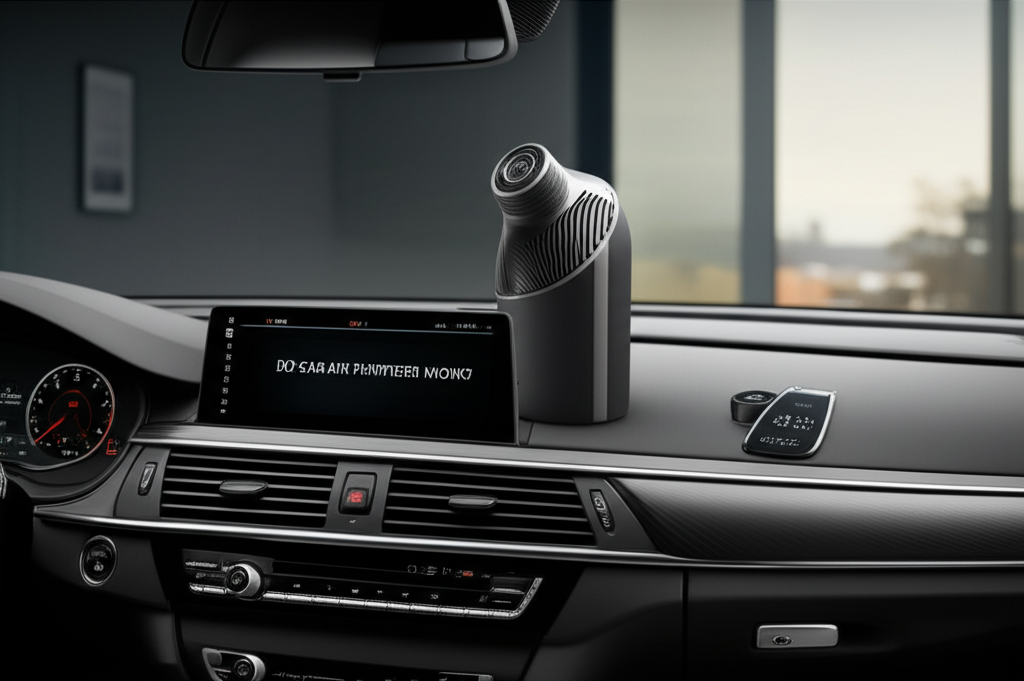
High-Efficiency Particulate Air (HEPA) filters are designed to capture at least 99.97% of airborne particles 0.3 microns in size. This includes common allergens like pollen, dust mites, mold spores, and pet dander. A true HEPA filter is essential for anyone concerned about respiratory health and allergies.
Activated Carbon Filters: Tackling Odors and Gases
Activated carbon filters are porous materials treated to increase their adsorptive properties. They are highly effective at trapping volatile organic compounds (VOCs), smoke particles, and unpleasant odors. If lingering smells are your primary concern, an activated carbon filter is a must-have component.
Ionizers and UV-C Light: Additional Purification Methods
Some car air purifiers also include ionizers, which release negative ions to charge airborne particles, causing them to clump together and fall out of the air. UV-C light is another technology used to kill bacteria and viruses. While these can offer supplementary benefits, it’s important to research their safety and effectiveness, as some ionizers can produce ozone, which can be a respiratory irritant.
Key Features to Look for in a Car Air Purifier
When selecting a car air purifier, several features will significantly impact its performance and your satisfaction. Prioritizing these will ensure you invest in a device that truly works for your needs.
Filter Quality and Replacement Frequency
The quality of the filters is paramount. Look for purifiers with certified HEPA and activated carbon filters. Equally important is understanding the replacement schedule; filters need to be changed periodically to maintain their effectiveness. Check the manufacturer’s recommendations and the cost of replacement filters.
Coverage Area and CADR Rating
Ensure the air purifier is designed for the size of your car’s interior. A purifier with a higher CADR rating can clean the air more quickly and efficiently. While specific CADR ratings for car purifiers are less standardized than for home units, look for devices that explicitly state their suitability for vehicle cabins.
Power Source and Portability
Most car air purifiers are powered via your car’s 12V accessory socket (cigarette lighter port) or a USB connection. Consider the length of the power cord and the overall portability of the unit. Some are designed to sit in a cup holder, while others can be placed on the dashboard or seat.
Noise Level and Design
A noisy air purifier can be distracting while driving. Check reviews for information on the operational noise level. The design should also be considered for aesthetics and how well it integrates into your car’s interior without obstructing your view or controls.
Do Car Air Purifiers Work for Allergies?
For individuals suffering from allergies, car air purifiers can offer significant relief. By effectively trapping allergens like pollen, dust mites, and pet dander, they can reduce the triggers that cause sneezing, itching, and congestion. A car air purifier equipped with a true HEPA filter is your best bet for combating these airborne irritants.
Effectiveness Against Odors and Smells
Car air purifiers equipped with activated carbon filters are highly effective at neutralizing a wide range of odors. This includes everyday smells like food, smoke, and pet odors, as well as more persistent chemical smells from off-gassing materials. They don’t just mask odors; they chemically bind to and remove the odor-causing molecules from the air.
Limitations of Car Air Purifiers
While beneficial, car air purifiers have limitations. They are most effective when the car is stationary or moving at low speeds, as high speeds can introduce more external pollutants. They also require regular filter maintenance and replacement to remain effective. Furthermore, they cannot address issues like mold growth on surfaces or the need for general car cleaning.
Comparing Popular Car Air Purifier Brands and Models
Several reputable brands offer car air purifiers, each with unique features and price points. Researching specific models and their performance reviews is crucial.
| Brand Example | Key Features | Typical Price Range | Best For |
|—|—|—|—|
| Pure & Clean Auto | True HEPA, Activated Carbon, Quiet Operation | $$ | Allergy sufferers, odor removal |
| Drive Fresh Pro | Compact Design, USB Powered, High CADR | $ | Budget-conscious, general air improvement |
| Aura CarGuard | Ionizer & UV-C, Sleek Design, App Control | $$$ | Advanced purification, tech enthusiasts |
Note: Prices are approximate and can vary based on retailer and promotions.
Expert Tips for Maximizing Your Car Air Purifier’s Performance
To ensure your car air purifier works as effectively as possible, follow these expert recommendations. Proper usage and maintenance are key to achieving the best results for your vehicle’s air quality.
Placement Matters
Position the air purifier in a location where it can efficiently draw in and circulate air. Avoid placing it where it might be blocked by seats or other items. A cup holder or a dashboard mount often works well.
Regular Filter Maintenance
Adhere to the manufacturer’s recommended filter replacement schedule. Clogged filters reduce airflow and filtration efficiency. Some purifiers have indicator lights to remind you when it’s time for a change.
Use in Conjunction with Ventilation
While the purifier cleans the air, don’t neglect ventilation. Occasionally opening windows or using your car’s fresh air intake setting can help remove stale air and prevent moisture buildup.
Consider the Environment
Be mindful of external air quality. If you’re driving through heavily polluted areas, the purifier will work harder. Running it before you enter the car can pre-condition the air.
Frequently Asked Questions About Car Air Purifiers
Q1: Can a car air purifier eliminate all odors?
A1: While effective against many odors, extremely strong or persistent smells might require additional cleaning or professional detailing. Activated carbon filters are your best defense against airborne odor molecules.
Q2: How often should I replace the filters in my car air purifier?
A2: This varies by model and usage, but generally, filters should be replaced every 3-6 months. Always consult your purifier’s manual for specific recommendations.
Q3: Are car air purifiers noisy?
A3: Most modern car air purifiers are designed to be relatively quiet, operating at a noise level comparable to a quiet fan. However, some models may be louder than others.
Q4: Can a car air purifier help with smoke smell?
A4: Yes, car air purifiers with activated carbon filters are very effective at absorbing and neutralizing smoke odors. They can significantly reduce the lingering smell of cigarette smoke or other types of smoke.
Q5: Do car air purifiers use a lot of power?
A5: Typically, car air purifiers consume minimal power, usually drawing from your car’s 12V accessory outlet. They are designed to be energy-efficient for continuous use.
Q6: Are ozone-generating car air purifiers safe?
A6: Ozone can be a lung irritant. It’s generally recommended to choose purifiers that do not produce ozone or ensure they have a very low, safe output.
Conclusion: Making an Informed Choice About Car Air Purifiers
Ultimately, do car air purifiers work? Yes, they can be a valuable tool for improving the air quality inside your vehicle, offering relief from allergens, odors, and other airborne pollutants. By understanding the different technologies available, prioritizing key features like HEPA and activated carbon filtration, and committing to regular maintenance, you can significantly enhance your driving experience. Choosing the right car air purifier is an investment in your health and comfort on the road, ensuring every journey is a breath of fresh air.
