
Can You Reuse Dyson Air Purifier Filters? Essential Guide

No, you cannot reuse Dyson air purifier filters. They are designed for single use and require replacement to maintain optimal performance and air quality. Attempting to reuse them can compromise their effectiveness and potentially damage your Dyson unit.
Can You Reuse Dyson Air Purifier Filters? The Essential Guide to Replacement and Maintenance
It’s a common question many Dyson air purifier owners ponder: can you reuse Dyson air purifier filters? With the cost of replacement filters, it’s natural to explore ways to save money. However, understanding why these filters aren’t meant for reuse is crucial for ensuring your Dyson continues to deliver clean, healthy air. This guide will walk you through everything you need to know about Dyson filter maintenance, helping you make informed decisions for your home’s air quality.
Why Dyson Air Purifier Filters Need Regular Replacement
Dyson air purifier filters are engineered with advanced multi-stage filtration systems, including HEPA and activated carbon layers. These layers are designed to capture microscopic particles, gases, and odors from the air. Once saturated with pollutants, their ability to effectively filter diminishes significantly.
The Mechanics of Dyson Filter Saturation
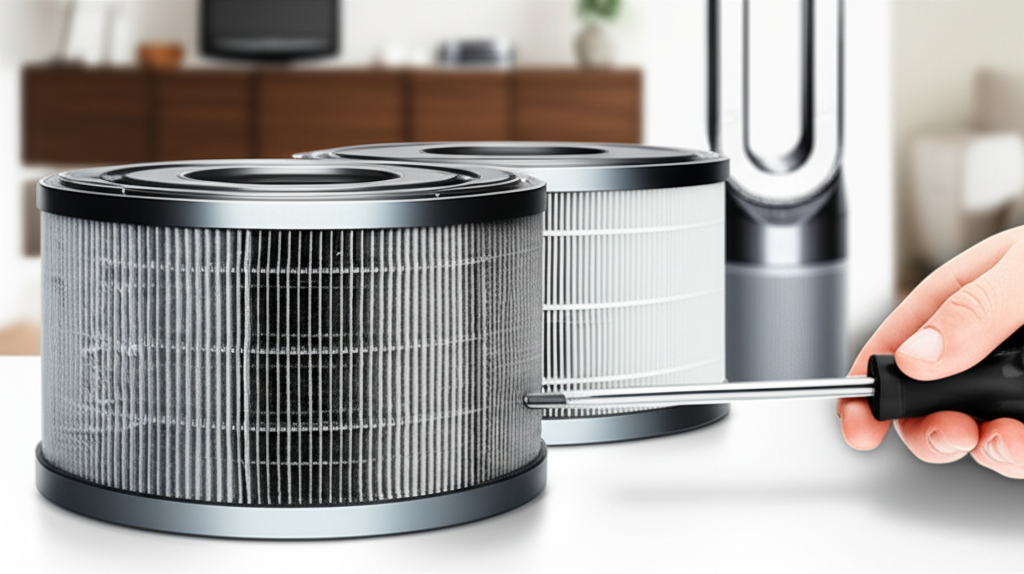
Over time, the intricate pores within the HEPA filter become clogged with dust, pollen, pet dander, and other airborne irritants. Similarly, the activated carbon layer becomes saturated with VOCs and gases. This saturation prevents fresh air from passing through efficiently, reducing the unit’s overall effectiveness.
Impact of Clogged Filters on Air Quality
A clogged filter can lead to reduced airflow, meaning your Dyson air purifier works harder and less effectively. This can result in poorer indoor air quality, potentially exacerbating allergies and respiratory issues. The very purpose of your Dyson – to purify your air – is compromised.
Understanding Dyson Filter Lifespan and Indicators
Dyson units are designed with built-in sensors that monitor filter usage and performance. These systems provide clear indicators when a filter needs attention, taking the guesswork out of maintenance. Paying attention to these alerts is key to maintaining peak performance.
How Dyson Monitors Filter Health
Your Dyson air purifier uses sophisticated algorithms to track the amount of air that has passed through the filter and the type of pollutants it has encountered. This data allows it to accurately estimate the remaining filter life. It’s a smart system designed to keep your air pristine.
Recognizing Filter Replacement Alerts
Dyson air purifiers typically display a visual alert on the unit’s screen or via the Dyson Link app when the filter needs replacing. This alert is usually a clear message indicating “Filter Change” or a similar prompt. Ignoring these warnings means you’re likely not breathing the cleanest air possible.
Can You Wash or Clean Dyson Air Purifier Filters?
The short answer is no, you cannot effectively wash or clean Dyson air purifier filters to restore their performance. While some DIY enthusiasts might attempt it, this process is not recommended by Dyson and can actually damage the filter media.
The HEPA Filter: Not Designed for Washing
HEPA filters are made from extremely fine, densely packed fibers. Washing these fibers can distort their structure, creating gaps that allow pollutants to pass through. The delicate nature of HEPA media means it’s designed for a finite lifespan of capture.
Activated Carbon Filters: Saturation is Key
Activated carbon filters work by adsorbing gases and odors. Once these adsorption sites are filled, the carbon is saturated and can no longer capture new pollutants. Washing will not remove these trapped molecules and can even damage the carbon’s porous structure.
The Risks of Trying to Reuse Dyson Filters
Attempting to reuse Dyson air purifier filters carries several significant risks that can impact both your air quality and your appliance. It’s important to understand these potential drawbacks before considering any non-standard maintenance.
Compromised Filtration Efficiency
The primary risk is a drastic reduction in filtration efficiency. Even if you manage to dislodge some dust, the filter’s ability to capture fine particles and gases will be severely impaired. This defeats the purpose of having an air purifier in the first place.
Potential for Mold and Bacteria Growth
If filters are washed and not dried perfectly, residual moisture can create a breeding ground for mold and bacteria. This can then be dispersed into your home’s air, leading to health issues and unpleasant odors. It’s a counterproductive outcome for an air purifying device.
Damage to Your Dyson Unit
A saturated or damaged filter can strain your Dyson’s motor as it tries to pull air through the obstruction. Over time, this can lead to premature wear and tear on the appliance itself, potentially resulting in costly repairs or even unit failure.
When to Replace Your Dyson Air Purifier Filter
The most reliable indicator for when to replace your Dyson air purifier filter is the alert system built into your specific Dyson model. However, general guidelines can also provide context.
Following Dyson’s Recommended Schedule
Dyson typically recommends replacing their filters every 12 months of continuous use, though this can vary slightly depending on the model and usage patterns. Always consult your user manual for the most accurate recommendation for your device.
Monitoring Air Quality and Performance
If you notice a decline in air quality, increased dust accumulation, or lingering odors despite your Dyson running, it might be a sign that the filter needs replacing sooner than expected. These subjective observations can be a good secondary indicator.
Factors Affecting Filter Lifespan
Several factors can influence how long your Dyson filter lasts. These include the overall air quality in your home, the frequency of use, and whether you have pets or suffer from allergies. A more polluted environment will necessitate more frequent replacements.
How to Properly Replace a Dyson Air Purifier Filter
Replacing a Dyson air purifier filter is a straightforward process designed for user convenience. Following these steps ensures a correct and safe filter change.
Step-by-Step Filter Replacement Guide
1. Turn off and unplug your Dyson air purifier.
2. Locate the filter housing. This is usually accessible from the back or side of the unit.
3. Release the filter. Most Dyson models have release buttons or latches on the sides of the filter compartment.
4. Remove the old filter. Carefully pull out the used filter.
5. Insert the new filter. Align the new filter correctly and push it into place until it clicks or locks securely.
6. Close the filter housing. Ensure the compartment is properly sealed.
7. Plug in and turn on your Dyson. The unit should recognize the new filter.
Resetting the Filter Indicator
After replacing the filter, your Dyson unit will typically automatically detect the new one and reset the filter life indicator. If it doesn’t, consult your user manual for specific instructions on how to manually reset it.
Where to Buy Genuine Dyson Air Purifier Filters
Purchasing genuine Dyson filters is crucial for maintaining the performance and warranty of your air purifier. Non-genuine filters may not fit correctly or offer the same level of filtration.
Official Dyson Channels
The most reliable place to buy genuine Dyson filters is directly from the official Dyson website. This guarantees authenticity and ensures you receive the correct part for your model.
Authorized Retailers
Reputable electronics retailers, both online and in-store, often carry genuine Dyson replacement filters. Always check that the product is listed as an official Dyson part.
Avoiding Counterfeit Filters
Be wary of heavily discounted filters from unverified third-party sellers, especially on marketplaces. Counterfeit filters can perform poorly and may even damage your appliance. Always prioritize authenticity for optimal performance.
Comparing Filter Replacement Costs
The cost of replacement filters is a significant consideration for Dyson owners. While it represents an ongoing expense, it’s an essential part of maintaining a healthy home environment.
Typical Cost of Dyson Filters
Genuine Dyson air purifier filters can range from $50 to $80 or more, depending on the specific model and filter type (e.g., HEPA + Carbon combined). This cost reflects the advanced technology and materials used in their construction.
Long-Term Value of Genuine Filters
While the initial investment in a Dyson air purifier is substantial, the ongoing cost of genuine filters is justifiable when considering the health benefits and the longevity of the appliance. Investing in genuine parts ensures your Dyson operates at its intended efficiency.
Cost-Saving Strategies (Without Reusing)
To manage filter replacement costs, consider purchasing filters during Dyson sales events or looking for bundle deals if you own multiple Dyson devices. Some retailers might offer loyalty discounts as well.
Dyson Air Purifier Filter Maintenance Tips
While you can’t reuse them, proper care and awareness can help you maximize the lifespan of your Dyson filters and ensure your unit functions optimally.
Regularly Clean the Exterior of Your Unit
Dust buildup on the exterior of your Dyson can impede airflow. Use a soft, dry cloth to gently wipe down the unit regularly. This helps maintain efficient operation and prevents excess strain on the fan.
Ensure Proper Ventilation Around the Unit
Position your Dyson air purifier in a location where it has ample space around it for air intake and exhaust. Avoid placing it directly against walls or furniture, which can restrict airflow and reduce its effectiveness.
Monitor Air Quality for Early Signs
Pay attention to any changes in your home’s air quality. If you notice more dust, persistent odors, or increased allergy symptoms, it might be a subtle sign that your filter is nearing the end of its life, even before the official alert.
Frequently Asked Questions About Dyson Air Purifier Filters
Here are answers to some common questions regarding Dyson air purifier filters.
How often should I really replace my Dyson air purifier filter?
Dyson recommends replacing filters approximately every 12 months of use, but your machine’s indicator will give you the most precise timing. Factors like pollution levels and usage frequency can affect this lifespan.
What happens if I don’t replace my Dyson filter?
If you don’t replace your Dyson filter, its ability to capture pollutants will decrease significantly. This means your air won’t be as clean as it should be, and the unit may have to work harder, potentially reducing its lifespan.
Can I use a third-party filter in my Dyson?
While third-party filters exist, Dyson strongly advises against them. They may not fit correctly, may not filter pollutants effectively, and could potentially damage your Dyson unit or void your warranty.
How do I know if my Dyson filter needs replacing?
Your Dyson air purifier will typically display an on-screen alert or send a notification to the Dyson Link app when the filter life is low and needs replacing.
Are all Dyson air purifier filters the same?
No, Dyson offers different filter types and sizes for various air purifier models. It’s crucial to use the specific filter designed for your Dyson unit to ensure optimal performance and fit.
Where can I find my Dyson air purifier’s serial number to order the correct filter?
Your Dyson’s serial number is usually located on the base or the back of the unit. You can also often find it within the Dyson Link app.
Conclusion: Prioritizing Clean Air with Genuine Dyson Filters
In conclusion, the question of can you reuse Dyson air purifier filters is definitively answered with a “no.” These advanced filtration systems are designed for single-use efficiency and cannot be effectively cleaned or restored. Attempting to do so risks compromising your home’s air quality, potentially damaging your Dyson appliance, and negating the investment you’ve made in clean air technology. By adhering to Dyson’s replacement recommendations and purchasing genuine filters, you ensure your Dyson air purifier continues to operate at its peak performance, providing you and your family with the cleanest possible air for years to come. Always trust the indicators on your machine and opt for authenticity for peace of mind and optimal health.
