Can You Put Air Purifier In Corner? Genius Placement

Yes, you can put an air purifier in a corner, but strategic placement is key to maximizing its effectiveness. Understanding airflow and avoiding obstructions ensures your device efficiently cleans your home’s air.
Can You Put Air Purifier In Corner? Genius Placement Strategies for Optimal Air Cleaning
Ever wondered if that empty corner in your living room is the perfect spot for your air purifier? It’s a common question, and the answer isn’t a simple yes or no. Placing an air purifier in a corner can work, but it requires careful consideration to ensure it’s actually cleaning your air effectively. Many people assume any spot will do, leading to less-than-ideal performance and wasted energy. This guide will help you unlock the genius placement strategies, turning that underutilized corner into an air-purifying powerhouse. Let’s dive into how to make your air purifier work smarter, not harder.
The Airflow Conundrum: Why Corner Placement Needs Thought
Understanding how air purifiers work is crucial before deciding on placement. These devices draw in air, filter out pollutants, and then release cleaner air back into the room. This process relies on unimpeded airflow. If an air purifier is tucked too tightly into a corner, or if its vents are blocked, it can struggle to circulate air efficiently. This means the air in the rest of the room might not get cleaned as thoroughly as it should.
Can You Put Air Purifier In Corner? The Basic Answer
So, can you put an air purifier in a corner? The straightforward answer is yes, but with caveats. Most air purifiers are designed to draw air from multiple sides and expel it upwards or forwards. Placing one in a corner can potentially restrict this intake, forcing it to work harder and less efficiently. However, if you ensure there’s adequate space around the unit, a corner can be a viable and even beneficial location.
Understanding Your Air Purifier’s Design
Before placing your air purifier, take a moment to understand its specific design. Look at where the air intake vents are located and where the clean air is expelled. Some models are designed for 360-degree air intake, making them more flexible in placement. Others have specific front and rear vents. Knowing this will significantly influence whether a corner is a good fit.
360-Degree Air Intake Models
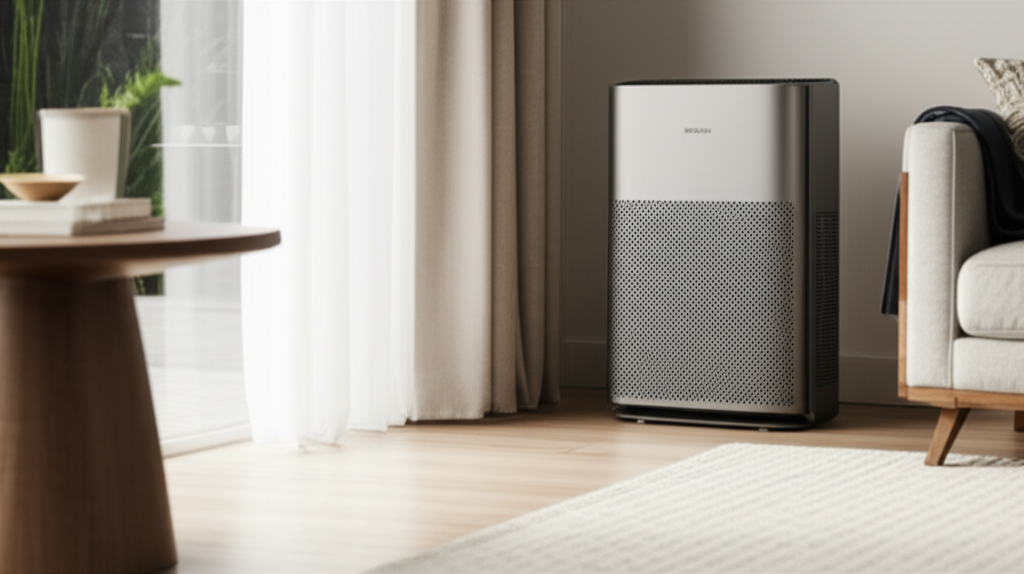
Air purifiers with 360-degree air intake are generally more forgiving when it comes to placement. They can pull air from all directions, meaning a corner won’t necessarily starve them of air. However, it’s still advisable to give them some breathing room.
Directional Airflow Models
If your air purifier expels air from a specific direction, placing it in a corner might mean that clean air is primarily directed into a wall. This is not ideal for circulating air throughout the entire room. In such cases, pulling the unit slightly away from the corner is recommended.
Optimal Clearance: The Golden Rule for Corner Placement
The most critical factor when placing an air purifier in a corner is clearance. Manufacturers often recommend a specific distance from walls and furniture. This is usually around 1 to 3 feet. This space allows the air purifier to draw in sufficient air and distribute the filtered air effectively throughout the room.
Why Clearance Matters
Adequate clearance prevents the air purifier from becoming a bottleneck for air circulation. When blocked, the unit’s fan has to work harder, consuming more energy and potentially becoming noisier. This also reduces the overall effectiveness of the air purification process.
Recommended Distances
Always refer to your air purifier’s manual for specific recommendations. Generally, aim for at least:
1 foot (30 cm) from side walls.
1-3 feet (30-90 cm) from the rear or front, depending on vent direction.
* 2-3 feet (60-90 cm) from any large furniture or obstructions.
Assessing Room Layout and Airflow Patterns
Beyond just the air purifier itself, consider the overall room layout and how air naturally flows. Corners can sometimes be areas where air stagnates. Placing an air purifier there, if done correctly, can actually help to introduce clean air into these less-circulated zones.
Identifying Stagnant Air Zones
Walk around your room and try to feel for areas where the air feels still or stuffy. These are often good candidates for an air purifier, as they can benefit most from active air circulation. Corners, especially those far from windows or vents, can be prime examples.
Leveraging Natural Airflow
Think about where windows and doors are located. Air tends to flow from cooler areas to warmer areas and from areas of higher pressure to lower pressure. Strategically placing your air purifier can help to either push clean air towards these natural flow paths or intercept polluted air before it circulates widely.
The Best Corners for Your Air Purifier
Not all corners are created equal when it comes to air purifier placement. Some corners are inherently better suited than others, depending on their proximity to pollution sources and the room’s overall design.
Corners Near Pollution Sources
If a particular corner is near a window that frequently lets in traffic pollution, or close to where cooking fumes tend to drift, it might be an excellent strategic location. Placing the purifier nearby can capture pollutants closer to their source.
Corners with Good General Circulation
A corner that isn’t completely enclosed and has some natural airflow passing by can also be a good option. This allows the air purifier to benefit from the existing air movement in the room.
When to Avoid Putting Your Air Purifier in a Corner
Despite the potential benefits, there are definite situations where a corner is the worst place for your air purifier. Understanding these scenarios will save you from ineffective operation.
Tightly Enclosed Spaces
If the corner is very narrow or blocked by furniture on multiple sides, it’s best to avoid it. This will severely restrict airflow and hinder performance.
Areas with High Obstructions
Placing an air purifier behind curtains, under tables, or next to large, solid objects will impede its ability to function efficiently. Always ensure a clear path for air intake and output.
Corners Far from Occupied Areas
If your goal is to purify the air where you spend most of your time (e.g., near your sofa or bed), placing the purifier in a distant, unused corner might not provide the most immediate benefit.
Maximizing Effectiveness: Beyond Just Placement
Placement is just one piece of the puzzle. To truly maximize your air purifier’s effectiveness, consider these additional factors. These tips apply whether your air purifier is in a corner or elsewhere in the room.
Choosing the Right Size and Type
Ensure your air purifier is appropriately sized for the room it’s in. A unit that’s too small will struggle, regardless of placement. Also, consider the types of pollutants you need to target (e.g., HEPA filters for allergens, activated carbon for odors).
Regular Maintenance
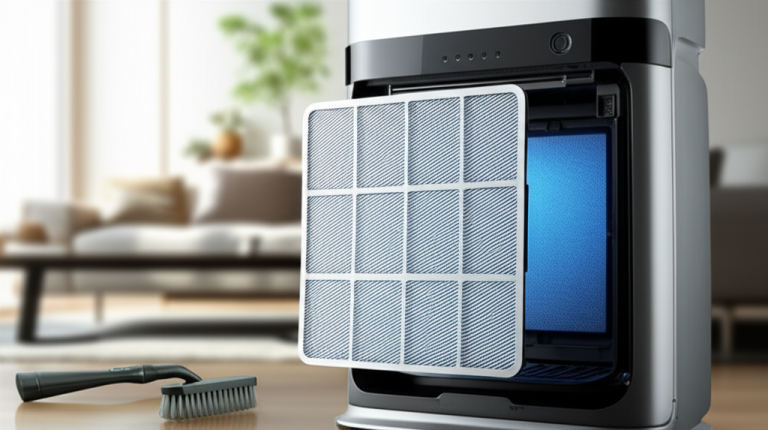
Clean or replace your air filters according to the manufacturer’s schedule. Clogged filters are the number one enemy of air purifier performance. This is crucial for maintaining optimal airflow and purification efficiency.
Location Relative to Airflow and Occupancy
Think about where the air needs cleaning most. If it’s the entire room, a central location might be best. If it’s a specific area, like a home office or bedroom, place it closer to that zone.
A Comparative Look: Corner vs. Central Placement
Let’s compare the pros and cons of placing an air purifier in a corner versus a more central location. This can help you make the best decision for your specific needs.
| Feature | Corner Placement (Optimized) | Central Placement |
| :——————- | :———————————————————- | :———————————————————– |
| Pros | Saves space, can target stagnant air zones, less obtrusive. | Optimal airflow and circulation, potentially faster room coverage. |
| Cons | Risk of restricted airflow if not managed, less even distribution. | Can be more visually prominent, might take up valuable floor space. |
| Best For | Larger rooms, rooms with stagnant corners, space-saving needs. | Rooms where maximum, even purification is the priority. |
| Key Consideration | Ensure adequate clearance from walls and obstructions. | Ensure clear space around the unit for 360-degree airflow. |
As you can see, both have their merits. The “genius” placement often lies in adapting to your specific environment.
DIY Airflow Test for Your Air Purifier
Want to quickly test if your air purifier is working efficiently in its current spot? You can do a simple DIY airflow test.
1. Light a Stick of Incense or Use a Smoke Pencil: Light a stick of incense or use a smoke pencil (available at art supply stores).
2. Observe Smoke Movement: Gently waft the smoke towards the air purifier’s intake vents.
3. Check for Intake: If the smoke is consistently drawn into the purifier, it indicates good airflow. If the smoke lingers or is pushed away, the intake might be partially blocked.
4. Check for Output: Now, hold your hand or a tissue a few feet away from the output vents. You should feel a gentle but steady stream of air.
This simple test can give you immediate feedback on whether your air purifier is breathing freely.
Expert Insights: What Manufacturers Advise
Leading air purifier brands often provide detailed guidelines on optimal placement. For instance, brands like Coway frequently emphasize the importance of unobstructed airflow. They recommend specific clearances in their user manuals, which are tailored to the unique design of each model. Always consult your device’s manual as the primary source of information.
A Case Study: The Living Room Dilemma
Consider Sarah, who placed her Levoit air purifier in a corner behind her sofa. Initially, she felt it wasn’t making much difference. Upon closer inspection, she realized the sofa was too close, blocking the rear air intake. She pulled the purifier out by about two feet, ensuring the vents were clear. Suddenly, the air in her living room felt fresher, and the unit ran more quietly. This illustrates how even a small adjustment can yield significant results.
Frequently Asked Questions About Air Purifier Placement
Q1: Can I put an air purifier on a carpet?
Yes, you can put an air purifier on a carpet, but ensure the intake vents are not blocked by the carpet fibers. Some units come with small feet to lift them slightly. If your unit sits very low, placing it on a small mat or tray can help maintain airflow.
Q2: Is it better to put an air purifier in the corner or the middle of the room?
For maximum, even air purification across an entire room, the middle of the room is often ideal. However, if you need to save space or target a specific area with stagnant air, an optimized corner placement can be very effective.
Q3: How far should an air purifier be from a wall?
Most manufacturers recommend at least 1 to 3 feet (30-90 cm) of clearance from walls and furniture to ensure proper airflow. Always check your specific model’s manual.
Q4: Should I run my air purifier 24/7?
Running your air purifier 24/7 is generally recommended, especially if you have allergies, asthma, pets, or live in an area with poor air quality. Modern units are energy-efficient, and continuous operation provides the most consistent air cleaning.
Q5: Does placement affect noise level?
Yes, if an air purifier’s vents are blocked, its fan may have to work harder, leading to increased noise. Proper placement ensures it operates at its intended, quieter levels.
Q6: Can I place my air purifier near a window?
Yes, placing an air purifier near a window can be beneficial, especially if outdoor pollution or allergens are a concern. It can help capture these pollutants as they enter the room. However, ensure it still has adequate clearance.
Conclusion: Smart Placement for Cleaner Air
So, to circle back to our main question: can you put an air purifier in a corner? Absolutely, and with the right approach, it can be a genius placement strategy. The key is to prioritize airflow. Always ensure your air purifier has ample space around its intake and output vents, typically at least one to three feet. Understanding your specific unit’s design, assessing your room’s layout, and performing simple tests can help you find the perfect spot. By following these guidelines, you can transform that underused corner into a vital part of your home’s healthy air system, ensuring your air purifier works at its peak performance.