Air Purifier With Filter You Can Clean: Essential Savings

Discover the significant cost savings and environmental benefits of choosing an air purifier with a cleanable filter. This guide breaks down how these models work, their advantages, and why they are a smart investment for a healthier home and a lighter wallet.
Breathing clean air at home is more important than ever, but the ongoing cost of replacement filters for traditional air purifiers can be a real shock to the system. You invest in a device to improve your health, only to find yourself facing a recurring expense that adds up quickly. It’s frustrating when a seemingly simple solution comes with such a hidden financial burden. But what if there was a way to enjoy purified air without the constant need to buy new filters? Thankfully, there is. In this guide, I’ll walk you through the world of air purifiers with filters you can clean, highlighting the essential savings and long-term benefits they offer for your home and your budget.
What Exactly is an Air Purifier With Filter You Can Clean?
An air purifier with a filter you can clean is a device designed to remove airborne pollutants like dust, pollen, pet dander, and smoke from your indoor environment. Unlike models that require disposable filters, these units feature washable or reusable filter components. This means you can maintain the purifier’s effectiveness by simply cleaning the existing filter instead of purchasing a new one. This innovative approach offers a more sustainable and cost-effective solution for achieving cleaner indoor air.
These purifiers are engineered with durability and reusability in mind. The core technology still involves trapping particles, but the mechanism for achieving this is designed for longevity. This fundamental difference sets them apart from their single-use filter counterparts.
How Do Washable Filters Work?
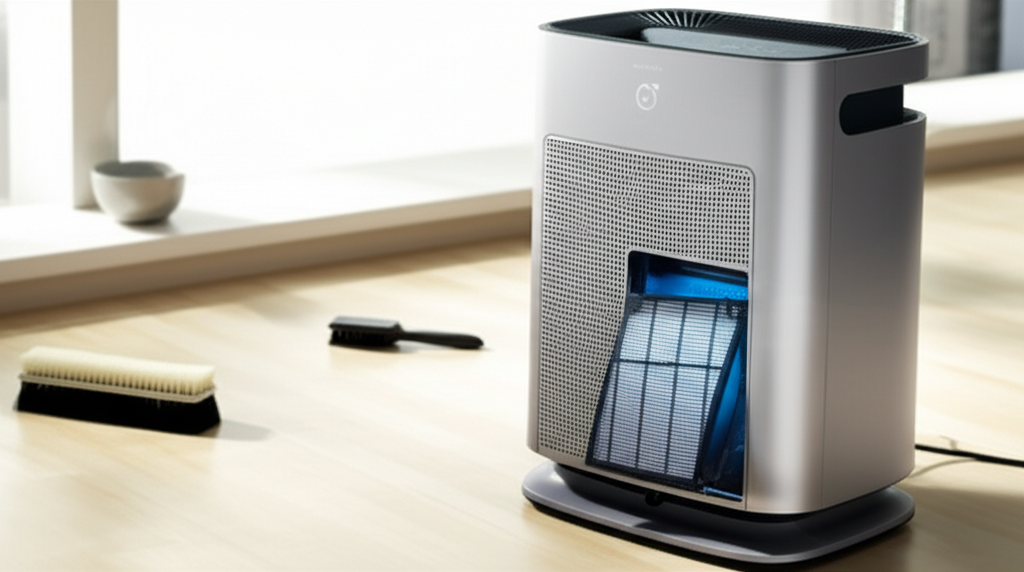
Washable filters typically employ a durable material, often a mesh or a foam-like substance, that can effectively capture larger particles. When the filter becomes saturated with trapped pollutants, instead of being discarded, it can be removed and washed under running water. After thorough drying, the filter can be reinserted into the air purifier, ready to continue its job of cleaning your air. Some advanced models might even incorporate a pre-filter that is washable, protecting a more sensitive, non-washable HEPA or activated carbon filter behind it.
The process is designed to be straightforward, making maintenance accessible for most users. The materials used are robust enough to withstand repeated cleaning cycles without significant degradation in performance. This ensures a consistent level of air purification over time.
The Essential Savings: Why Choose a Cleanable Filter?
The most significant advantage of an air purifier with a filter you can clean is the substantial cost savings over its lifespan. While the initial purchase price might be comparable to or even slightly higher than a unit with disposable filters, the absence of recurring filter replacement costs leads to considerable long-term financial benefits. Imagine never having to budget for new filters again; that’s the core promise of this design.
These savings can free up your budget for other home improvements or simply reduce your overall household expenses. The financial relief from avoiding continuous filter purchases is a primary driver for many consumers seeking this type of air purification solution. It’s a smart investment that pays for itself many times over.
Calculating Your Long-Term Savings
To truly appreciate the savings, consider the cost of replacement filters for standard air purifiers. Depending on the brand and model, HEPA filters can range from $30 to $100 or more, and they often need replacement every 6 to 12 months. If you own multiple air purifiers or live in an area with high pollution levels, these costs can escalate rapidly.
An air purifier with a filter you can clean eliminates this recurring expense entirely. While you might incur minor costs for cleaning supplies or occasional water usage, these are negligible compared to the price of new filters. Over several years, the savings can easily amount to hundreds or even thousands of dollars, making it a financially astute choice for maintaining healthy indoor air quality.
| Feature | Air Purifier with Disposable Filters | Air Purifier with Cleanable Filter |
|---|---|---|
| Initial Unit Cost | $150 – $400 | $180 – $450 |
| Filter Replacement Cost (per unit, per year) | $60 – $200 (assuming 2 filters per year) | $0 |
| Total Filter Cost (5 years) | $300 – $1000 | $0 |
| Estimated Total Cost (5 years) | $450 – $1400 | $180 – $450 |
As you can see from the table, the long-term cost of ownership for an air purifier with a filter you can clean is significantly lower. This economic advantage is a major reason why many people are making the switch.
Environmental Benefits: A Greener Choice
Beyond the financial savings, opting for an air purifier with a filter you can clean is a more environmentally responsible decision. Disposable filters contribute to landfill waste, and their manufacturing process also has an environmental footprint. By choosing a reusable filter, you significantly reduce the amount of waste generated by your household. This aligns with a growing global awareness and desire for sustainable living practices.
Every time you wash a filter instead of throwing one away, you’re making a small but meaningful contribution to reducing environmental impact. This conscious choice can lead to a healthier planet for future generations. It’s a simple way to integrate eco-friendly habits into your daily life.
Reducing Your Carbon Footprint
The production, packaging, and transportation of disposable filters all contribute to carbon emissions. By eliminating the need for these processes, air purifiers with cleanable filters inherently have a lower environmental impact. This reduction in resource consumption and waste generation is a critical benefit for the planet.
Making the switch to reusable components is a tangible step towards a more sustainable lifestyle. It demonstrates a commitment to minimizing your personal ecological footprint and supporting greener technologies. This aligns with broader efforts to combat climate change and preserve natural resources.
Types of Cleanable Filters
Air purifiers with filters you can clean often employ one or a combination of these filter types. Understanding them helps you choose the best option for your needs. Each type offers a different level of particle capture and maintenance requirement.
Washable Pre-Filters
Many high-efficiency air purifiers include a washable pre-filter as the first stage of filtration. This layer is designed to capture larger particles like dust bunnies, hair, and lint. By trapping these bigger items, it prevents them from clogging the more sensitive, downstream filters (like HEPA or activated carbon), thereby extending their lifespan and maintaining the overall efficiency of the unit. Cleaning this pre-filter regularly is crucial for optimal performance.
These pre-filters are typically made from durable mesh materials that can withstand rinsing and gentle scrubbing. Their primary function is protection and longevity for the other filter components. Regular cleaning ensures they do their job effectively.
Reusable HEPA Filters
While most HEPA (High-Efficiency Particulate Air) filters are designed to be disposable, some innovative manufacturers have developed reusable HEPA-like or washable HEPA filters. These are designed to capture at least 99.97% of airborne particles as small as 0.3 microns, including allergens, mold spores, and bacteria. The key difference is their construction, which allows them to be rinsed and reused multiple times. However, it’s important to note that even these washable HEPA filters may eventually need replacement after a certain number of cleanings, though this is far less frequent than with standard disposable HEPA filters.
These advanced filters offer the high-performance filtration of HEPA with the reusability advantage. They represent a significant step forward in sustainable air purification technology. Always check the manufacturer’s recommendations for cleaning and lifespan.
Activated Carbon Filters
Activated carbon filters are excellent at adsorbing odors, gases, and volatile organic compounds (VOCs) from the air. While activated carbon itself cannot be washed to regenerate its adsorptive properties, some air purifiers incorporate a thicker, more robust activated carbon layer that can be cleaned to remove accumulated dust and particles, thereby extending its functional life to some extent. However, its ability to adsorb gases will diminish over time and eventually require replacement, even with cleaning.
These filters tackle the invisible threats – smells and chemicals. While they can be maintained to some degree, their gas-adsorbing capacity is finite. Understanding this limitation is key to managing expectations.
Pros and Cons of Air Purifiers With Cleanable Filters
Like any product, air purifiers with filters you can clean come with their own set of advantages and disadvantages. Weighing these points will help you make an informed decision that best suits your needs and lifestyle.
Advantages:
- Cost-Effective: Significant long-term savings due to no recurring filter replacement costs.
- Environmentally Friendly: Reduces waste and lowers your carbon footprint.
- Reduced Hassle: Less frequent shopping for replacement parts.
- Durable Design: Built with materials intended for longevity and repeated use.
- Consistent Performance: Regular cleaning can maintain optimal airflow and filtration efficiency.
Disadvantages:
- Initial Cost: May have a slightly higher upfront purchase price compared to basic models.
- Maintenance Effort: Requires regular cleaning, which can be time-consuming for some.
- Effectiveness on Fine Particles: Some very basic washable filters might not capture ultra-fine particles as effectively as true HEPA filters.
- Drying Time: Filters must be completely dry before reinstallation to prevent mold or mildew growth.
- Potential for Wear and Tear: Repeated washing can eventually degrade filter material over extended periods.
Considering these points, the benefits of long-term savings and environmental impact often outweigh the minor inconveniences of maintenance for many users. The key is to find a model that balances effective filtration with ease of cleaning.
How to Clean Your Air Purifier Filter
Cleaning your air purifier filter is a straightforward process, but it’s crucial to follow the manufacturer’s specific instructions for your model. General guidelines, however, can help you get started. Ensuring the filter is completely clean and dry is paramount to its effectiveness and your unit’s longevity.
Step-by-Step Cleaning Guide:
- Safety First: Always unplug the air purifier from the power outlet before attempting any cleaning or maintenance.
- Access the Filter: Open the air purifier unit according to the manual’s instructions to access the filter(s).
- Remove the Filter: Carefully take out the washable filter. If there are multiple filters, identify the one designated as cleanable.
- Initial Dust Removal: Gently tap the filter against a trash bin to dislodge loose dust and debris. You can also use a vacuum cleaner with a brush attachment on a low setting.
- Washing: For most washable pre-filters, rinse them under cool or lukewarm running water. If there’s stubborn grime, you can use a mild soap and a soft brush, but avoid abrasive cleaners. For washable HEPA-type filters, consult your manual, as some may only require rinsing without soap.
- Drying: This is a critical step. Shake off excess water and allow the filter to air dry completely. Place it in a well-ventilated area away from direct sunlight or heat. Never reinsert a damp filter, as this can lead to mold and mildew growth within the unit and can damage the motor. This drying process can take 12-24 hours or more, depending on humidity and airflow.
- Reassembly: Once the filter is bone dry, carefully place it back into the air purifier and close the unit securely.
- Plug In and Power On: Reconnect the power cord and turn on your air purifier.
Remember, consistency is key. Cleaning your filter every 2-4 weeks, or as recommended by the manufacturer, will ensure your air purifier operates at its best. This routine maintenance is essential for maximizing the benefits of an air purifier with a filter you can clean.
Maintaining Your Air Purifier for Optimal Performance
Beyond just cleaning the filter, regular maintenance of your air purifier ensures it runs efficiently and effectively for years to come. A well-maintained unit provides consistently cleaner air and prolongs its lifespan, further enhancing the value you receive.
Regular Cleaning Schedule:
Establish a routine for cleaning your washable filters, typically every 2-4 weeks. Also, wipe down the exterior of the unit with a damp cloth and ensure the air intake and outlet vents are free of dust and obstructions. A clean exterior not only looks better but also improves airflow.
Keeping a simple log of when you cleaned the filter can be helpful. This ensures you don’t forget and helps you track the filter’s overall condition over time. Consistency in maintenance directly correlates with consistent air quality.
Checking Other Components:
Periodically check other parts of your air purifier, such as the fan blades and the interior housing, for dust buildup. A soft brush or a vacuum cleaner on a low setting can usually handle this. If your unit has an activated carbon filter that is not washable, make sure to note its recommended replacement schedule. While the washable filter saves money, other components might still need eventual replacement.
This holistic approach to maintenance ensures all parts of the purifier contribute to its overall function. It’s about more than just the filter; it’s about the entire system working in harmony to deliver clean air.
When to Consider Replacing a Cleanable Filter
Even filters designed to be cleaned have a finite lifespan. While they offer significant savings over disposable options, they won’t last forever. Understanding the signs that indicate it’s time for a replacement is crucial for maintaining air quality.
Signs of Wear and Tear:
Over time, repeated washing and use can cause the filter material to degrade. Look for signs such as tearing, thinning, or a persistent odor that doesn’t wash out. If the filter no longer fits snugly in the unit or appears visibly damaged, it’s likely time for a replacement. A significant reduction in airflow or noticeable decrease in air purification effectiveness can also be indicators.
These physical changes signal that the filter can no longer perform its job as intended. Ignoring these signs means compromising the air quality you’re trying to achieve.
Manufacturer Recommendations:
Always refer to your air purifier’s user manual for specific guidance on filter lifespan and replacement intervals. Manufacturers often provide estimates based on usage and cleaning frequency. While a cleanable filter can last for several years, adhering to these recommendations ensures you’re always using a filter in optimal condition.
Following the manufacturer’s advice is the most reliable way to ensure your air purifier continues to function at its peak. They designed the unit and know its limitations best.
Choosing the Right Air Purifier With a Cleanable Filter
When selecting an air purifier with a filter you can clean, consider several factors to ensure it meets your specific needs. Not all models are created equal, and understanding your requirements will lead to a more satisfying purchase and greater long-term value.
Key Features to Look For:
- Filter Type and Material: Understand what kind of cleanable filter is used (pre-filter, washable HEPA-like) and its material composition.
- Coverage Area: Ensure the purifier is rated for the size of the room you intend to use it in.
- CADR Ratings: Check the Clean Air Delivery Rate (CADR) for smoke, dust, and pollen to gauge its effectiveness.
- Noise Level: Consider the decibel (dB) rating, especially if you plan to use it in a bedroom or office.
- Additional Features: Look for features like multiple fan speeds, timers, air quality sensors, and smart connectivity if desired.
Researching these aspects will help you narrow down your choices to models that offer the best combination of filtration performance, user convenience, and long-term savings. Reading reviews from other users can also provide valuable insights into real-world performance and durability.
Popular Brands and Models (Examples):
Several reputable brands offer air purifiers with cleanable filter options, often featuring a washable pre-filter combined with a replaceable HEPA and carbon filter. Brands like Coway, Levoit, and Blueair sometimes offer models with washable pre-filters. For example, some Coway models feature a washable pre-filter that significantly extends the life of their True HEPA filter, offering a balance of performance and cost-effectiveness. Always verify the specific filter type and maintenance requirements for any model you consider.
For detailed comparisons and specific model recommendations, resources like The New York Times Wirecutter or Consumer Reports can provide unbiased reviews and testing data. These authoritative sources can help you make an informed decision based on expert evaluations.
FAQ: Your Questions About Cleanable Filters Answered
Can a washable filter truly clean the air as well as a HEPA filter?
Washable pre-filters are excellent for larger particles but don’t capture the ultra-fine particles that true HEPA filters do. However, some advanced models offer washable HEPA-like filters that provide high-efficiency filtration while being reusable. The effectiveness depends on the specific filter technology used.
How often do I need to clean the filter?
Typically, washable pre-filters should be cleaned every 2-4 weeks, depending on your home’s air quality and usage. It’s always best to consult your air purifier’s manual for the manufacturer’s specific recommendations.
What happens if I don’t clean the filter regularly?
If you don’t clean the filter regularly, it will become clogged with dust and debris. This reduces airflow, decreases the purifier’s efficiency, puts a strain on the motor, and can eventually lead to the growth of mold or bacteria on the filter itself.
Are there any special cleaning solutions I need?
For most washable pre-filters, plain water is sufficient. Some stubborn grime might require a mild, non-abrasive soap. Avoid harsh chemicals or abrasive cleaners, as they can damage the filter material. Always check your manual for specific cleaning agent recommendations.
Will cleaning damage the filter over time?
While washable filters are designed for durability, repeated washing and drying can eventually cause wear and tear. Most washable filters can last for several years with proper care, but they will eventually need replacement, though far less often than disposable filters.
Can I use a dryer to speed up the drying process?
No, you should never use a dryer or direct heat to dry your air purifier filter. The heat can warp or damage the filter material, rendering it ineffective or unusable. Always air dry filters completely in a well-ventilated area.
Conclusion
Investing in an air purifier with a filter you can clean is a smart, forward-thinking decision for both your health and your finances. The essential savings gained from eliminating recurring filter replacement costs are substantial over the lifespan of the unit. Furthermore, by choosing a reusable filter, you actively contribute to a more sustainable environment by reducing waste. While these models do require a commitment to regular cleaning, the benefits of long-term cost-effectiveness, reduced environmental impact, and consistently cleaner indoor air make them an excellent choice for many households. Explore the options available, understand your needs, and embrace the savings and health benefits that an air purifier with a filter you can clean provides.