
Bissell MyAir Air Purifier Filter: Essential Guide

Bissell MyAir air purifier filter replacement is crucial for maintaining clean air. This guide explains how to choose, change, and care for your filter to ensure optimal performance and a healthier home environment.
Breathing clean air at home shouldn’t be a luxury, but a given. Many of us invest in air purifiers like the Bissell MyAir to combat allergens, dust, and odors. However, the effectiveness of these devices hinges on a small but mighty component: the Bissell MyAir air purifier filter. If yours is overdue for a change, you might be recirculating pollutants instead of removing them. Don’t worry, I’m here to guide you through everything you need to know about your Bissell MyAir air purifier filter, making the process simple and stress-free.
Why Your Bissell MyAir Air Purifier Filter Needs Regular Attention
Your Bissell MyAir air purifier filter is the workhorse of your air purification system, tirelessly trapping airborne particles. Over time, these trapped particles clog the filter, reducing airflow and diminishing its ability to capture new pollutants. Ignoring filter maintenance means your purifier works harder, consumes more energy, and ultimately, fails to deliver the clean air you expect. This can lead to a decline in indoor air quality, potentially exacerbating allergies and respiratory issues.
Understanding the Role of the Filter in Your Bissell MyAir
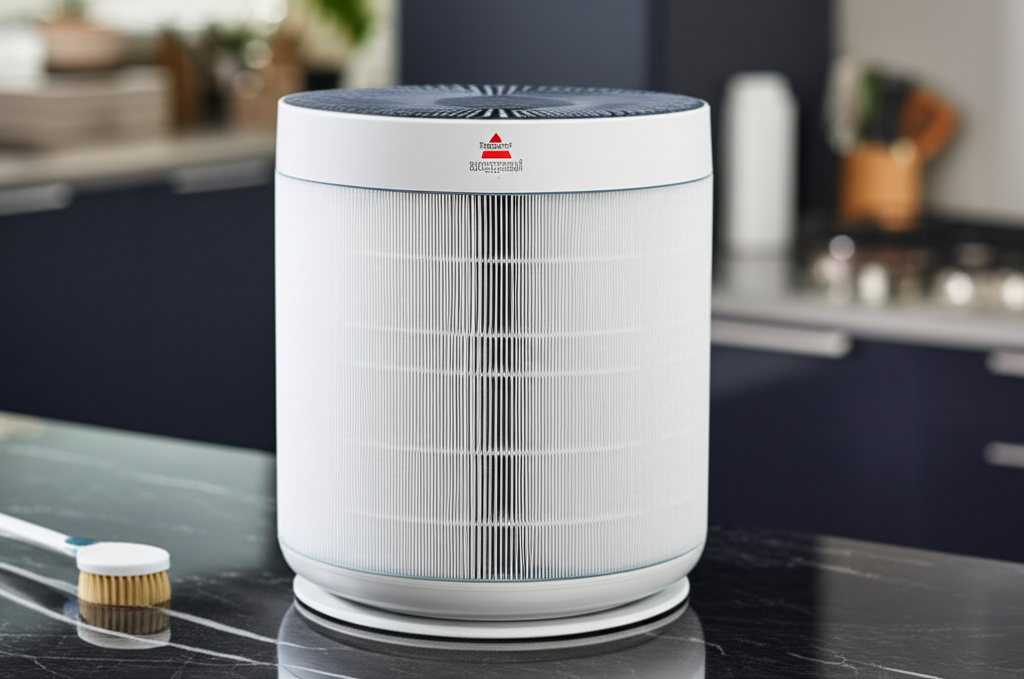
The filter in your Bissell MyAir unit is designed to capture a variety of contaminants. These can include dust, pollen, pet dander, smoke particles, and even certain volatile organic compounds (VOCs) depending on the filter type. Without a clean and functioning filter, these pollutants simply circulate back into your living space. Regularly replacing the Bissell MyAir air purifier filter ensures that your device continues to perform at its peak efficiency.
Signs Your Bissell MyAir Air Purifier Filter Needs Replacing
Several indicators signal that it’s time for a new filter. A noticeable decrease in air quality, increased dust accumulation around the purifier, or unusual odors emanating from the unit are strong clues. Many Bissell MyAir models also feature a filter change indicator light that will illuminate when replacement is recommended. Paying attention to these signs will help you maintain optimal air purification.
Identifying the Right Bissell MyAir Air Purifier Filter
Choosing the correct replacement filter for your specific Bissell MyAir model is paramount. Using an incompatible filter can lead to poor performance, damage to the unit, or even void your warranty. Thankfully, Bissell makes it relatively straightforward to find the right fit.
Common Bissell MyAir Models and Their Filter Types
Bissell offers several MyAir models, each designed for different room sizes and purification needs. For instance, the MyAir, MyAir Pro, and MyAir Hub all utilize specific filter designs. Always consult your air purifier’s manual or the product packaging to confirm the exact filter number or specifications required for your model. This ensures you purchase the correct Bissell MyAir air purifier filter.
Where to Purchase Genuine Bissell MyAir Filters
For the best performance and to ensure you’re using a quality product, it’s always recommended to purchase genuine Bissell replacement filters. These can typically be found on the official Bissell website, major online retailers like Amazon, and authorized appliance stores. While third-party filters may seem cheaper, they often don’t meet the same quality standards and can compromise your air purifier’s effectiveness.
Step-by-Step Guide to Replacing Your Bissell MyAir Air Purifier Filter
Replacing the Bissell MyAir air purifier filter is a straightforward process that most users can accomplish with ease. Following these steps will ensure a smooth and successful filter change.
Step 1: Safety First – Unplug Your Air Purifier
Before attempting any maintenance, always ensure your Bissell MyAir air purifier is unplugged from the power outlet. This is a critical safety step to prevent any accidental shocks or damage to the unit. Locate the power cord and disconnect it from the wall socket.
Step 2: Accessing the Filter Compartment
Your Bissell MyAir unit typically has an easily accessible filter compartment. This is often located on the back or side of the unit and may be secured by a cover or latch. Gently release any clasps or unscrew any necessary screws to remove the cover.
Step 3: Removing the Old Filter
Once the compartment is open, you’ll see the old Bissell MyAir air purifier filter. Carefully slide or lift the old filter out of its housing. Note its orientation, as you’ll need to insert the new filter in the same way. Dispose of the old filter responsibly.
Step 4: Installing the New Bissell MyAir Air Purifier Filter
Take your new, genuine Bissell MyAir air purifier filter and align it with the filter housing. Ensure it’s inserted correctly, matching the orientation of the old filter. Push it firmly into place to ensure a good seal.
Step 5: Securing the Filter Compartment Cover
Replace the filter compartment cover, ensuring it clicks or screws back into place securely. A proper seal is essential for the air purifier to function correctly, forcing air through the filter.
Step 6: Powering On and Resetting the Filter Indicator
Plug your Bissell MyAir air purifier back into the power outlet. Turn the unit on. If your model has a filter change indicator light, you may need to press and hold a specific button (often labeled “Filter Reset” or similar) for a few seconds to reset the indicator. Consult your manual for exact instructions.
Best Practices for Maintaining Your Bissell MyAir Air Purifier Filter
Beyond simple replacement, a few best practices can extend the life and effectiveness of your Bissell MyAir air purifier filter. These tips will help you get the most out of your investment in cleaner air.
Understanding Filter Lifespan and Replacement Frequency
The lifespan of a Bissell MyAir air purifier filter can vary depending on usage and environmental conditions. Generally, filters are recommended for replacement every 3 to 6 months. However, if you live in a high-pollen area, have pets, or use the purifier constantly, you might need to replace it more frequently. Always refer to your user manual for specific recommendations.
Environmental Factors Affecting Filter Life
Air quality in your home significantly impacts how long your filter lasts. High levels of dust, smoke from cooking or fireplaces, pet dander, and even strong odors can cause the filter to become saturated faster. In environments with poorer air quality, expect to replace your Bissell MyAir air purifier filter more often.
Tips for Maximizing Filter Efficiency
To maximize your filter’s efficiency, ensure your Bissell MyAir air purifier is placed in a location with good air circulation, away from obstructions. Regularly clean the exterior of the unit and the pre-filter (if applicable) to prevent dust buildup that could prematurely clog the main filter. Avoid placing the purifier near sources of heavy pollution if possible.
Common Issues and Troubleshooting with Bissell MyAir Filters
Even with regular maintenance, you might encounter occasional issues with your Bissell MyAir air purifier filter. Here’s how to address some common problems.
Filter Not Seating Properly
If the new filter doesn’t seem to fit snugly, double-check that you have the correct filter model for your unit. Ensure no packaging material is still attached to the new filter. Re-align the filter carefully, making sure it’s oriented correctly within the housing.
Filter Indicator Light Remains On
Sometimes, the filter indicator light may not reset correctly. Try unplugging the unit for a minute, then plugging it back in and repeating the reset procedure. If the issue persists, consult your Bissell user manual or contact customer support.
Unusual Noises After Filter Replacement
A new filter should not cause unusual noises. If you hear strange sounds, the filter might not be seated correctly, or there could be an issue with the unit’s fan. Unplug the purifier, re-seat the filter, and test again. If noises continue, contact Bissell support.
Comparing Bissell MyAir Filters: Genuine vs. Third-Party
The choice between genuine Bissell filters and third-party alternatives is a common consideration for budget-conscious consumers. However, understanding the implications is key.
Pros and Cons of Genuine Bissell MyAir Filters
Pros:
Guaranteed compatibility and performance.
Manufactured to meet Bissell’s quality standards.
Often come with a warranty or support from Bissell.
Ensures optimal air purification and unit longevity.
Cons:
Generally more expensive than third-party options.
Pros and Cons of Third-Party Bissell MyAir Filters
Pros:
Often more affordable.
Cons:
May not fit perfectly or seal properly.
Filtration quality can be inconsistent.
Could potentially damage your air purifier.
May void your Bissell warranty.
For the best results and peace of mind, I always recommend opting for genuine Bissell MyAir air purifier filter replacements. This ensures your unit performs as intended and protects your investment.
The Environmental Impact of Air Purifier Filters
Like many consumables, air purifier filters have an environmental footprint. Being mindful of this can lead to more sustainable practices.
Disposal of Used Filters
When it’s time to replace your Bissell MyAir air purifier filter, consider how you dispose of it. While most filters are not recyclable, check with your local waste management services for any specific guidelines. Some manufacturers might offer recycling programs, though this is less common for air filters.
Extending Filter Life for Sustainability
The most sustainable approach is to maximize the life of your current filter. By following maintenance tips and replacing filters only when necessary, you reduce the overall consumption and waste generated. This not only benefits the environment but also saves you money.
Frequently Asked Questions About Bissell MyAir Air Purifier Filters
Here are answers to some common questions users have about their Bissell MyAir air purifier filters.
How often should I replace the Bissell MyAir air purifier filter?
You should typically replace your Bissell MyAir air purifier filter every 3 to 6 months, depending on usage and air quality. Always check the indicator light and your user manual for specific guidance.
Can I wash and reuse my Bissell MyAir air purifier filter?
No, Bissell MyAir air purifier filters are designed for single use and cannot be washed or reused. Attempting to do so will damage the filter and reduce its effectiveness.
What happens if I don’t replace the filter on my Bissell MyAir?
If you don’t replace the filter, your air purifier will become less effective at capturing pollutants, potentially recirculating them. The unit may also work harder, consume more energy, and its lifespan could be reduced.
Where can I find the filter replacement number for my Bissell MyAir?
You can find the filter replacement number in your Bissell MyAir owner’s manual, on the filter itself, or by checking the product details on the Bissell website or retailer’s page.
Are third-party Bissell MyAir filters as good as genuine ones?
While some third-party filters may offer basic filtration, they often don’t match the performance, fit, or quality of genuine Bissell MyAir air purifier filters. Using non-genuine filters can also affect your warranty.
Conclusion: Breathe Easier with a Clean Bissell MyAir Air Purifier Filter
Maintaining a healthy home environment starts with the air you breathe. Your Bissell MyAir air purifier filter plays a pivotal role in this, acting as the first line of defense against airborne contaminants. By understanding when and how to replace your filter, choosing the right one, and following simple maintenance tips, you ensure your Bissell MyAir continues to deliver the clean, fresh air your family deserves. Don’t underestimate the power of a clean filter; it’s an essential step towards a healthier home.
